

The hidden value of the Comrades Marathon


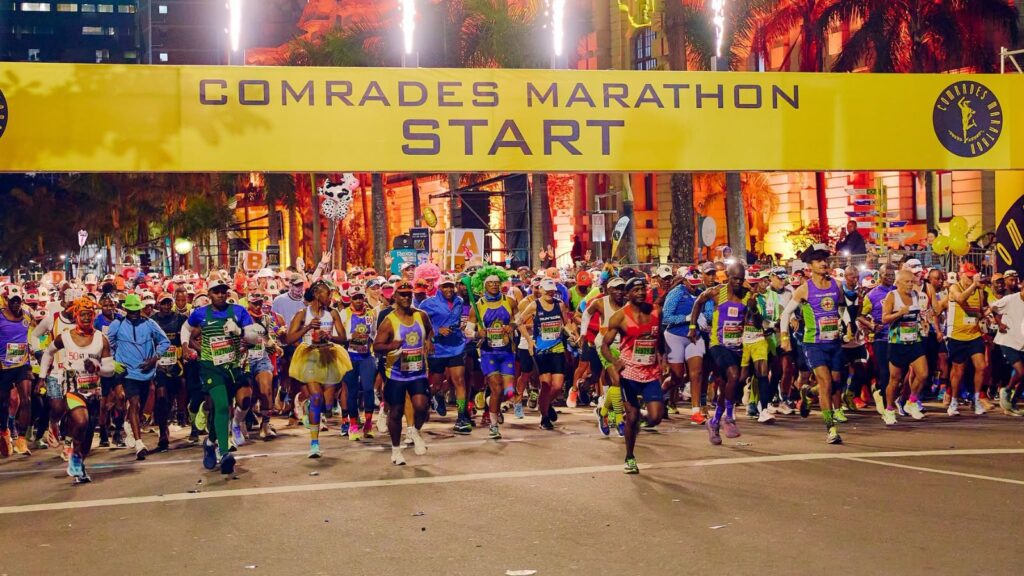
The Comrades Marathon in KwaZulu-Natal acts as a significant economic booster for the area’s various business sectors.
The Comrades Marathon began in 1921, as a way to commemorate South African soldiers who had died in World War 1.
The original event had 34 participants, who attempted to run from Pietermaritzburg to Durban, with only 16 finishers.
The race course goes between Durban and Pietermaritzburg, with the start and finish cities alternating every year.
The course has undergone several iterations since the race began, and today it is between 88km and 90km, more than double the length of a traditional marathon.
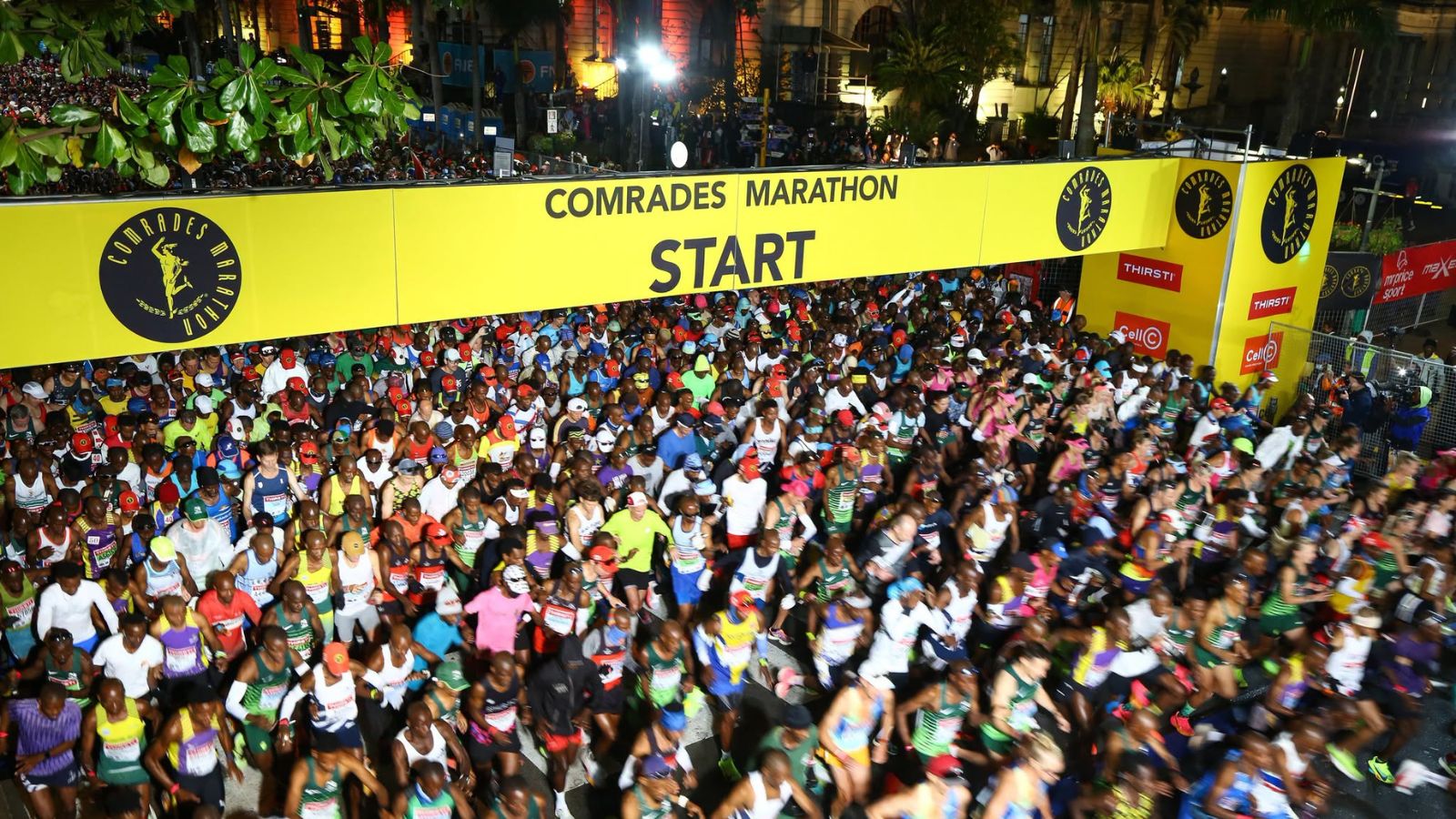
In 2026, over 20,000 competitors started the race, with a finish rate of approximately 89.8% – a slight increase from previous years.
The scale of the event presents a significant opportunity for hotels and guest houses in the two cities, which benefit from the large number of participants.
Traditional accommodations, such as hotels, are typically fully booked well in advance of the race, and many schools and other businesses in the area also host runners.
Along with accommodation, the high number of participants typically provides a large cash injection for local businesses and tourism groups.
The Comrades Marathon is an internationally recognised event and draws a large number of both domestic and global participants.
This provides a significant boost to KwaZulu-Natal’s tourism industry, with many runners staying in the area for more than just the weekend the race is held.
Its popularity on the global stage was evident in 2026, with roughly 11.2% of entrants from outside South Africa and 5.7% from outside Africa.
In total, there were entrants from 75 countries. South Africa had the highest number of participants, and Zimbabwe, India, and the UK were the next three countries with the most entries.
The race itself also has an economic impact, with research from 2012 indicating that 600 jobs were dependent on the event.
“The results show that Comrades Marathon contributes significantly to the provincial economy and that more than 600 jobs are dependent on the event,” research by Melville and Andrea Saayman found.
In 2012, the number of Comrades Marathon runners was approximately 18,000, showing that the event has grown by approximately 2,000 runners since then.
The R1 billion event
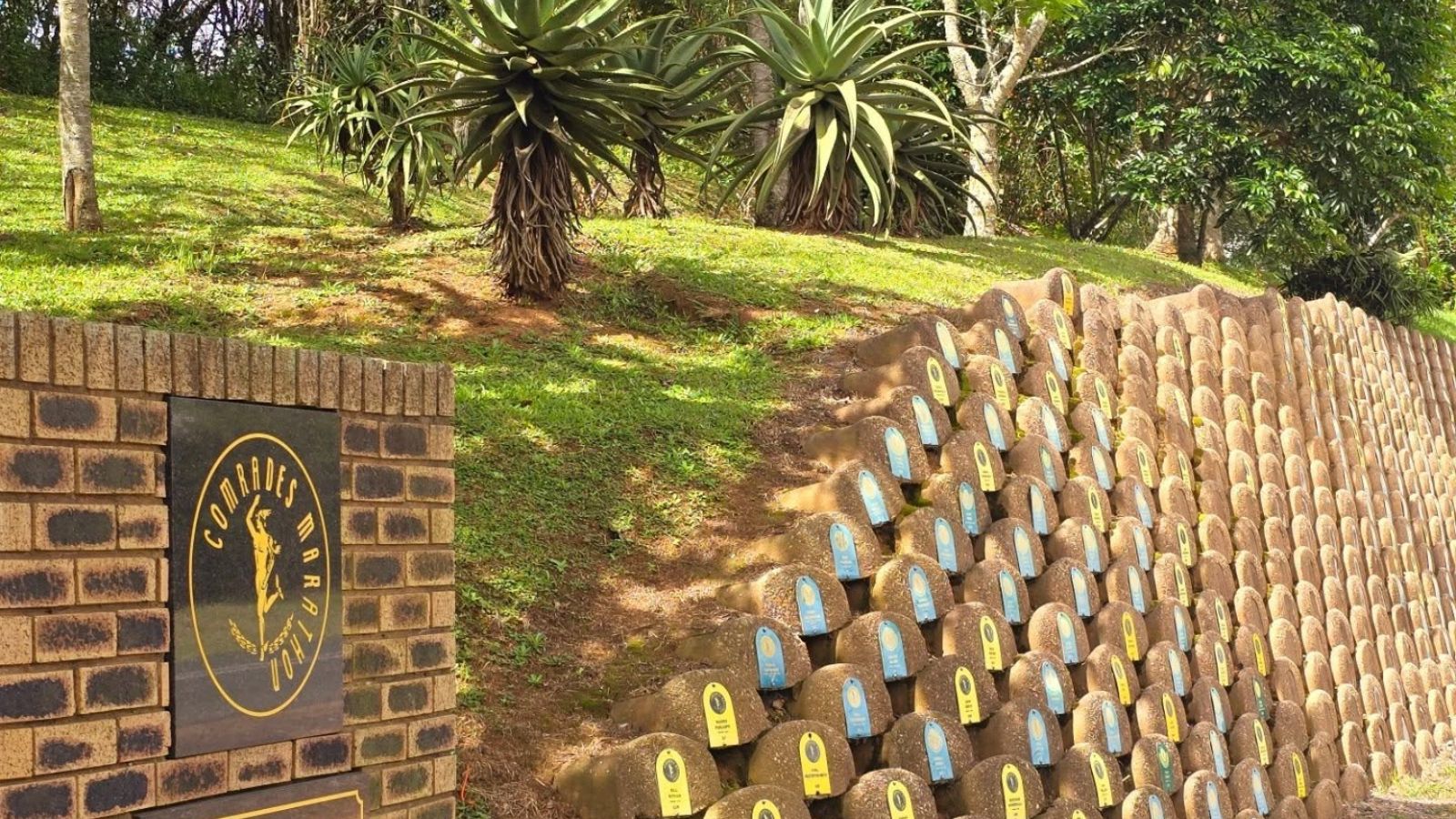
While there is no specific figure for the economic benefit the Comrades Marathon provides, many estimate it at over R1 billion.
Future Leader Forum CEO Nik Eberl estimated that the race contributes between R2.6 billion and R3.2 billion to KwaZulu-Natal’s economy.
The number comes from approximately 40,000 visitors during the event, including runners and their friends and family.
The average spend of these visitors was estimated between R3,500 and R5,000, including accommodation, food, transport, and entertainment.
Eberl argued that the race was significant in supporting thousands of jobs and directly impacted entire economic sectors.
He said it should not be seen as an expense for an area, but rather as key economic infrastructure for the province.
“The economic value created by Comrades demonstrates a critical lesson: great event brands are economic infrastructure,” he said.
“Just as ports facilitate trade and roads enable mobility, iconic event brands generate recurring economic activity.”
Other estimates place the Comrades Marathon’s overall contribution closer to R1 billion, with the majority benefitting the city where the race starts.
KwaZulu-Natal Premier, Thami Ntuli, said the race is a major economic driver for the area, particularly in accommodation.
In the build-up to the 2026 Comrades Marathon, Ntuli commented on the impact the event would have on the province.
“Hotels and accommodation establishments in Durban, Pietermaritzburg and surrounding areas are experiencing exceptionally high occupancy levels, which will provide a significant boost to our provincial economy,” he said.
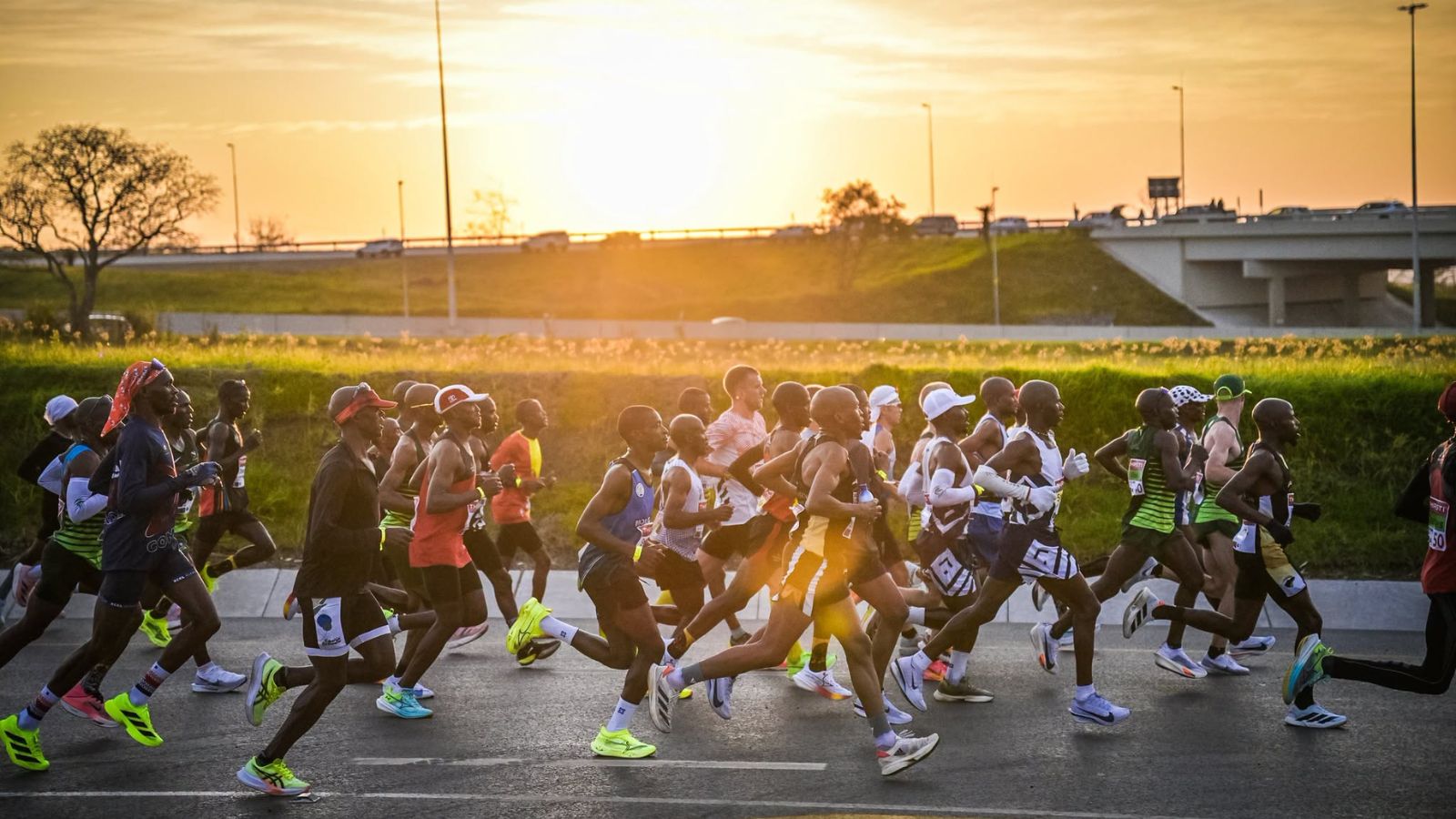
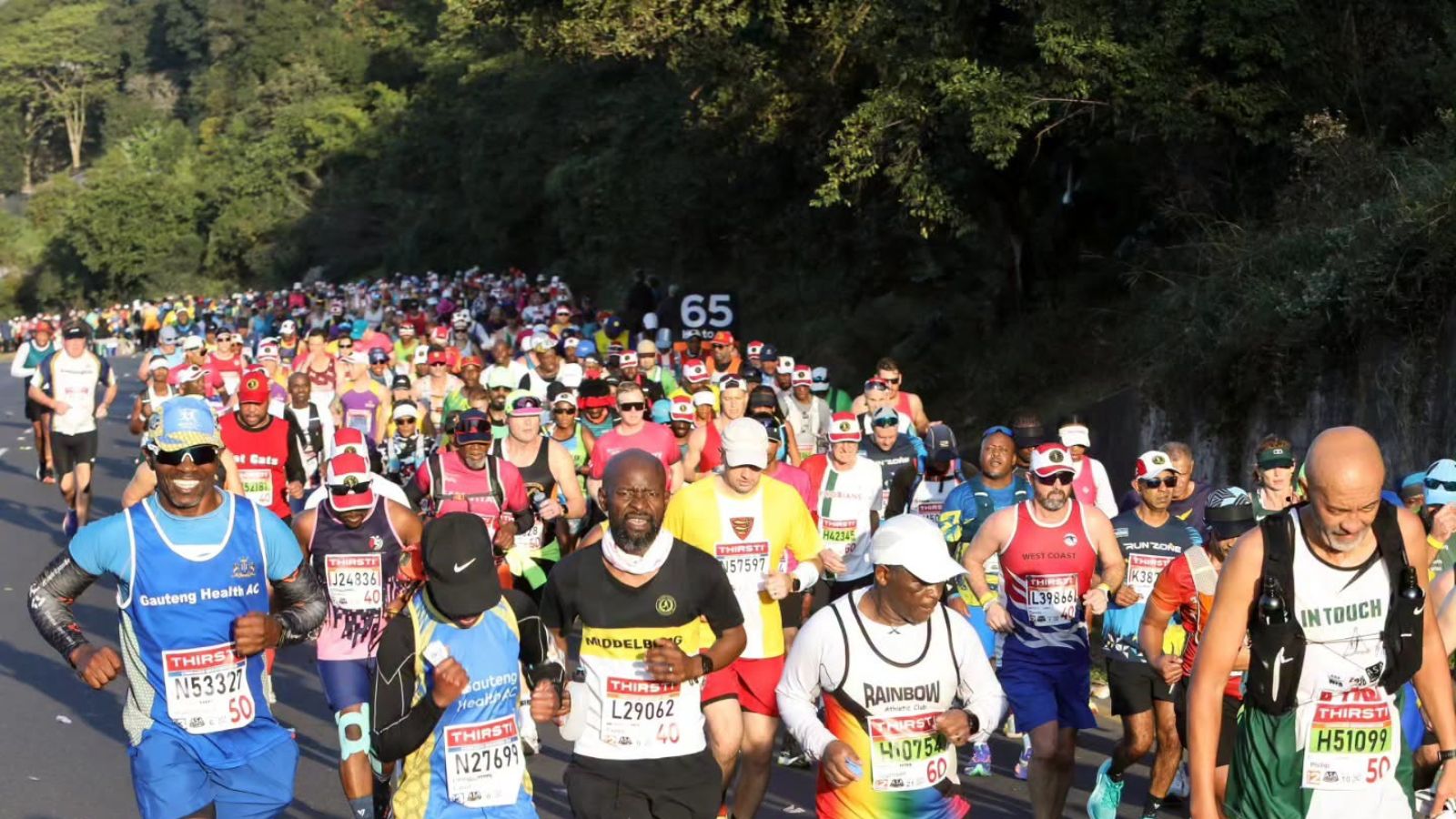
Photos of the Comrades Marathon




















 Loading ...