

The woman who went from making R250 a month to building a company that now pays her over R200 million just in dividends


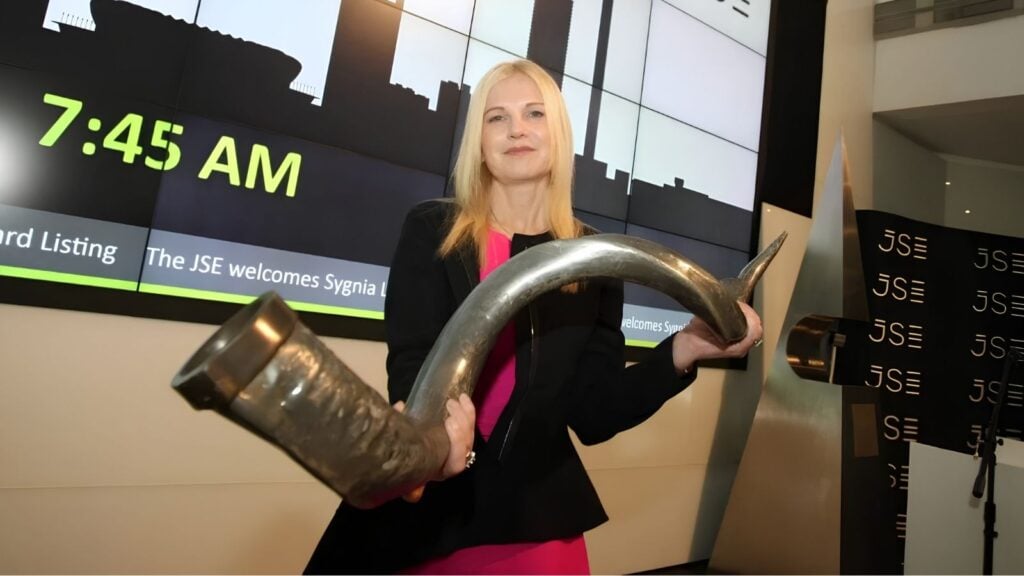
Magda Wierzycka went from earning about R250 a month while working at a supermarket as a schoolgirl to becoming the founder and chief executive of Sygnia, with her shareholdings paying her more than R200 million in dividends in a single financial year.
Born in Poland in the late 1960s, Wierzycka grew up in a small two-bedroom apartment shared by her parents, brother, sister and grandmother.
As communist Poland’s economy deteriorated, her family left the country in 1981 and spent eight months in a refugee centre in Austria while her parents searched for work.
In 1982, the family arrived in South Africa with $500 and settled in Pretoria. Wierzycka attended Pretoria High School for Girls after missing almost a year of schooling.
“We were refugees needing to start from scratch. I had to learn English and Afrikaans (for schooling), which I didn’t know a word of,” she told BusinessTech.
While at school, Wierzycka worked at a supermarket selling cheese and cold meats to help support her family, earning roughly R250 a month.
She later studied at the University of Cape Town, obtaining a Bachelor of Business Science and a postgraduate degree in actuarial science.
“Actuarial science was never a huge attraction for me, but my parents could not afford university fees, so I had to find a degree which offered bursaries,” she said.
Wierzycka began her career at Southern Life in 1993, the company that had funded her bursary, working in development and as an investments actuary.
She soon realised that actuarial work was not what she wanted to do and moved into the investment portfolio.
In 1995, she joined Alexander Forbes as an investment consultant before moving to Coronation Fund Managers in 1997.
At the time, she said, the business was effectively a start-up. “I was there very early on, I think I was the 14th person,” she said.
Wierzycka became one of four senior executives and saw the institutional assets under her management grow fivefold.
After leaving Coronation in 2003, Wierzycka said she made herself a promise, which is to never work for anyone else again.
R460.8 billion under management
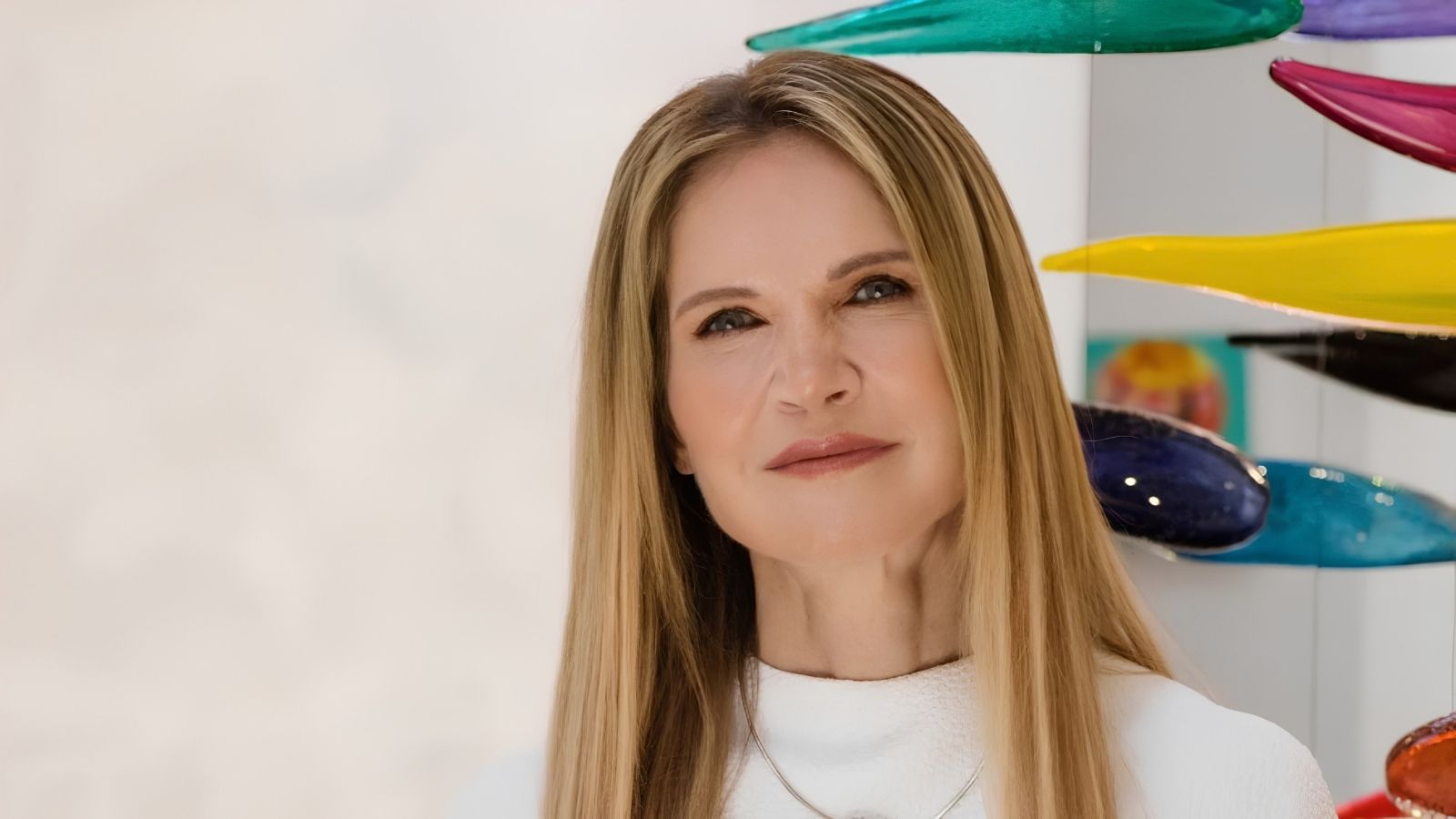
She started a hedge-fund company called IQvest that year, which was subsequently sold to African Harvest.
Wierzycka then became CEO of the African Harvest group, where she said she learned how to run a company. “That was where I did most of my learning. I learnt how to run a company,” she said.
African Harvest’s assets grew from R10 billion in 2003 to R35 billion in 2006. After the sale of African Harvest Fund Managers to Cadiz Financial Services, Wierzycka helped buy out the remaining group, ultimately creating Sygnia.
The company began operating with a small team from an old building at Cape Town’s Waterfront. Her approach was to differentiate the business from established competitors.
Today, Sygnia provides investment and financial products ranging from unit trusts and exchange-traded funds to retirement funds, tax-free savings accounts, living annuities and institutional investment solutions.
According to Sygnia’s 2026 interim results, its profit after tax increased 25.1% to R216 million, while revenue rose 24.3% to R616.1 million.
Assets under management and administration stood at R460.8 billion at 31 March 2026. The company also declared an interim dividend of 122 cents per share.
Based on Wierzycka’s holding, a single payment is worth about R110 million before tax. The shares yield close to 7.84%.
Additionally, Sygnia’s latest integrated report records R203.029 million in dividends paid to “MF Wierzycka” during the 2025 financial year across her direct and indirect shareholdings, compared with R192.201 million in 2024.
Her total remuneration for FY2025 was R7.275 million, consisting of fixed salary, with no directors’ fees, consulting fees or short-term performance bonus.
Wierzycka has also returned to South Africa after seven years as a UK tax resident and recently launched a venture capital fund aimed at investing in South African artificial-intelligence start-ups.
She said the fund would provide capital as well as help founders with licensing, marketing and turning ideas into viable businesses.
“The world has become deeply polarised — not only due to shifting geopolitical forces but also because of the accelerating race for AI dominance,” she said.
“These seismic shifts in the global order force us to rethink where we can still make a meaningful difference.”











 Loading ...