

Homeowners warned that missing this deadline could cost up to R36,000


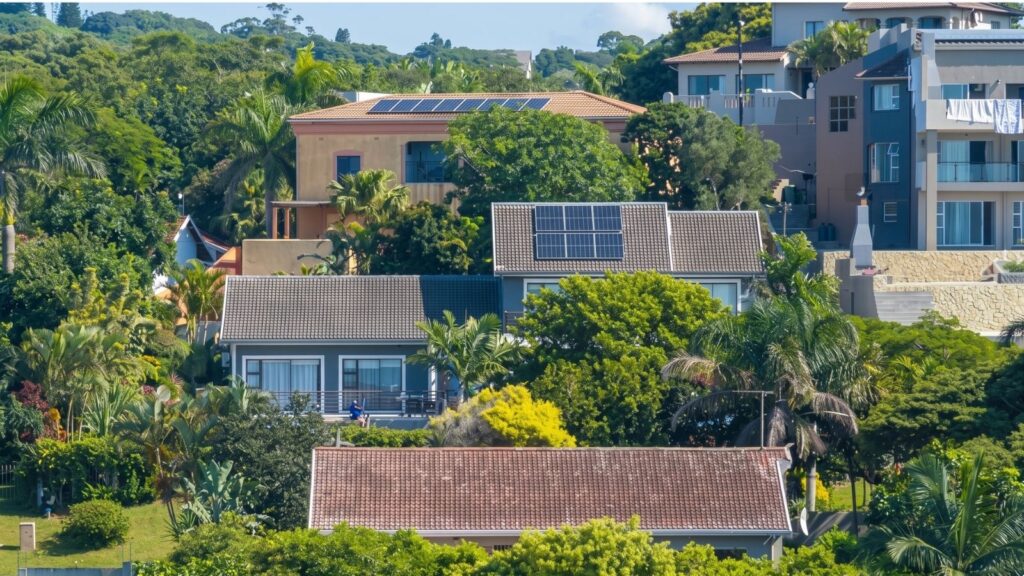
South African homeowners with grid-connected rooftop solar systems have until 30 September 2026 to register their installations with Eskom or the relevant municipality, before registration-related charges apply.
Energy experts have warned that the process that costs you nothing today can end up costing up to R10,000 in town and up to R36,000 for a rural connection.
The deadline applies to residential low-voltage solar photovoltaic (PV) and battery energy storage (BES) systems connected behind the meter.
Eskom has extended the original 31 March deadline and made several concessions following pressure from the Organisation Undoing Tax Abuse (OUTA) and other stakeholders.
Eskom no longer requires homeowners to obtain a sign-off from an engineer registered with the Engineering Council of South Africa (ECSA).
It will accept a Certificate of Compliance (CoC) issued by a suitably qualified installation electrician or electrical contractor registered with the Department of Employment and Labour.
The utility has also withdrawn earlier threats to fine or disconnect residential customers simply because their solar installations had not been registered by the deadline.
However, the 30 September deadline remains important because the current fee waiver will end.
Eskom said eligible homeowners can avoid these registration-related charges by completing the process before the deadline.
The required documentation includes a CoC, an inverter test certificate and a test report for the installation.
The changes come as South Africa’s rooftop solar market continues to expand, with installed capacity exceeding 8.3 GW.
Marius Kemp, Head of Personal Underwriting at Santam, said homeowners should establish exactly what is required for their specific system before the deadline, as requirements can differ between Eskom and municipalities.
The registration issue also has implications for household insurance. Kemp said insurers have become more detailed in the information they require from homeowners with solar installations.
“Not long ago, insuring solar panels required little more than adjusting an asset value on a policy schedule,” he said.
“Today, insurers ask very different questions. Is the system registered? Was it installed according to grid standards? Who signed off on the commissioning? Are protection systems adequate? Can the building structurally support the installation?”
One issue is still unresolved

He said homeowners should inform their insurer before installing a system rather than only after the work has been completed.
“If and when you install a solar power system in your home, it’s important to inform your insurer at the point that you confirm the purchase before you install,” said Kemp.
The value of the solar equipment should also be reflected in the property’s insured replacement value.
Insurers may require invoices showing the make, type and size of panels, inverters and batteries, as well as a CoC and, in some cases, structural certification for the roof.
Kemp said homeowners should carefully check installers and retain the necessary documentation.
“Installation is a complex process and must be done by a professional and reputable installer. Make sure that you check the installer references and insist on a warranty and certificate of compliance (CoC),” he said.
While Eskom dropped its threats of fines and cutoff for non-registration, and scrapped the requirement for costly professional sign-off, one threat remains unresolved.
Eskom has indicated that it can still disconnect a residential customer if it considers a solar PV or battery installation to be “unsafe”.
However, OUTA disputes this position and argues that a homeowner with a valid CoC should not have their electricity supply disconnected merely because Eskom considers the installation unsafe.
The organisation argues that Eskom would first need to establish that the CoC was invalid or unlawfully issued before disconnecting a compliant customer.

















 Loading ...