

One of South Africa’s most iconic brands is in troubled water


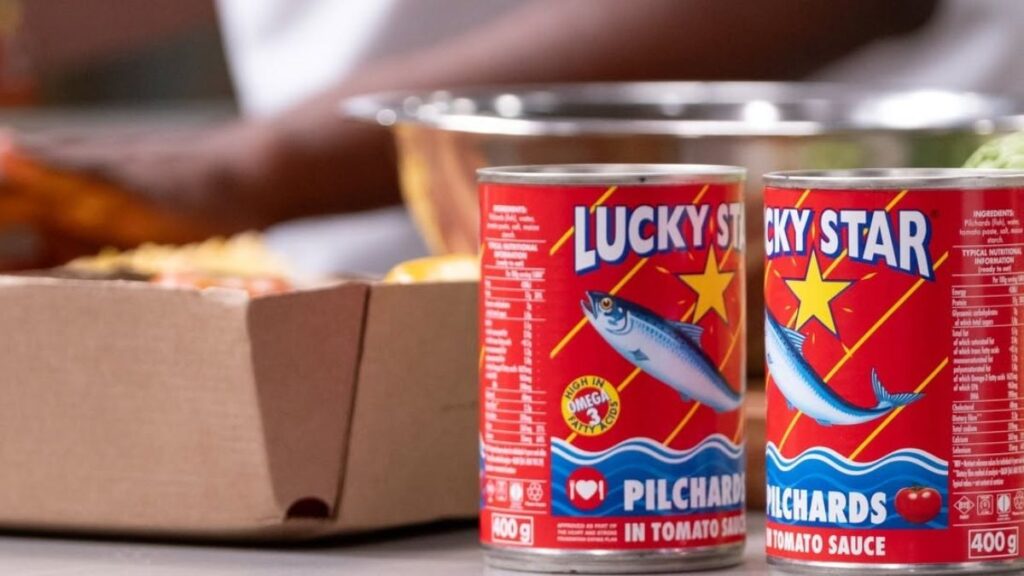
Lucky Star has seen mixed results in the last year, as declining sales and material shortages weighed on the iconic South African company.
The brand’s owner, Oceana Group, said Lucky Star had seen mixed results in the last 11 months, with the first half of the year being positive.
Following this, Lucky Star struggled with shortages in frozen fish products and canned pilchards, leading to decreased sales.
Lucky Star is a perennial winner at major South African consumer awards, often winning top spots in rankings such as AskAfrika Icon Brands Awards and the Sunday Times Top Brand Awards.
Oceana said total sales volumes for Lucky Star declined by 5% in the last 11 months, driven by a 9% decrease in canned fish volumes.
“Lucky Star foods delivered mixed results for the period, with a strong first half followed by a subdued second half through to the end of August,” Oceana Group said.
“Shortages of frozen fish raw material constrained canned pilchard availability and slowed sales momentum.”
The shortage of raw materials also placed pressure on Lucky Star’s local canning operations, with production volumes in this sector declining by roughly 60%.
This put further financial strain on the company, as decreased production could not cover fixed manufacturing costs.
“Raw material shortages also reduced local canning production volumes by 60%, placing upward pressure on per-unit production costs due to fixed production costs not being fully absorbed,” Oceana Group said.
“Despite this pressure, operating margins benefited from higher net realised sales values, lower freight and inventory holding costs, a better sales mix and increased volumes of locally caught pilchards.”
The material shortages did, however, lead to Lucky Star having significantly lower inventory volumes than the previous trading period.
“Inventory volumes closed significantly lower than the prior period, primarily as a result of the constrained fish supply environment.”
Oceana Group said its overall revenue was in line with the previous financial year, and its operating profit had increased.
It said that the higher profit came from improvements in Lucky Star, wild-caught seafood, and its US fishmeal and fish oil operations.
While these segments delivered improved performances, Oceana Group said its success was offset by its fishmeal and fish oil operations in Africa.
It said this segment had struggled as “lower production and sales volumes resulted in a significant operating loss.”
“Production volumes declined by 73%, due to a combination of a decline in industrial fish landings and reduced pilchard trimmings following lower cannery production,” the company said.
While the company increased prices for its products in this segment, it was not enough to prevent its operating loss from widening compared with the prior period.
Oceana Group said it expects to release its full financial results for the last financial year by 26 November 2026.

















 Loading ...