

South Africans charged R31 billion to keep and access their own money


South Africans are paying R31 billion in banking fees each year simply to deposit and withdraw their own cash.
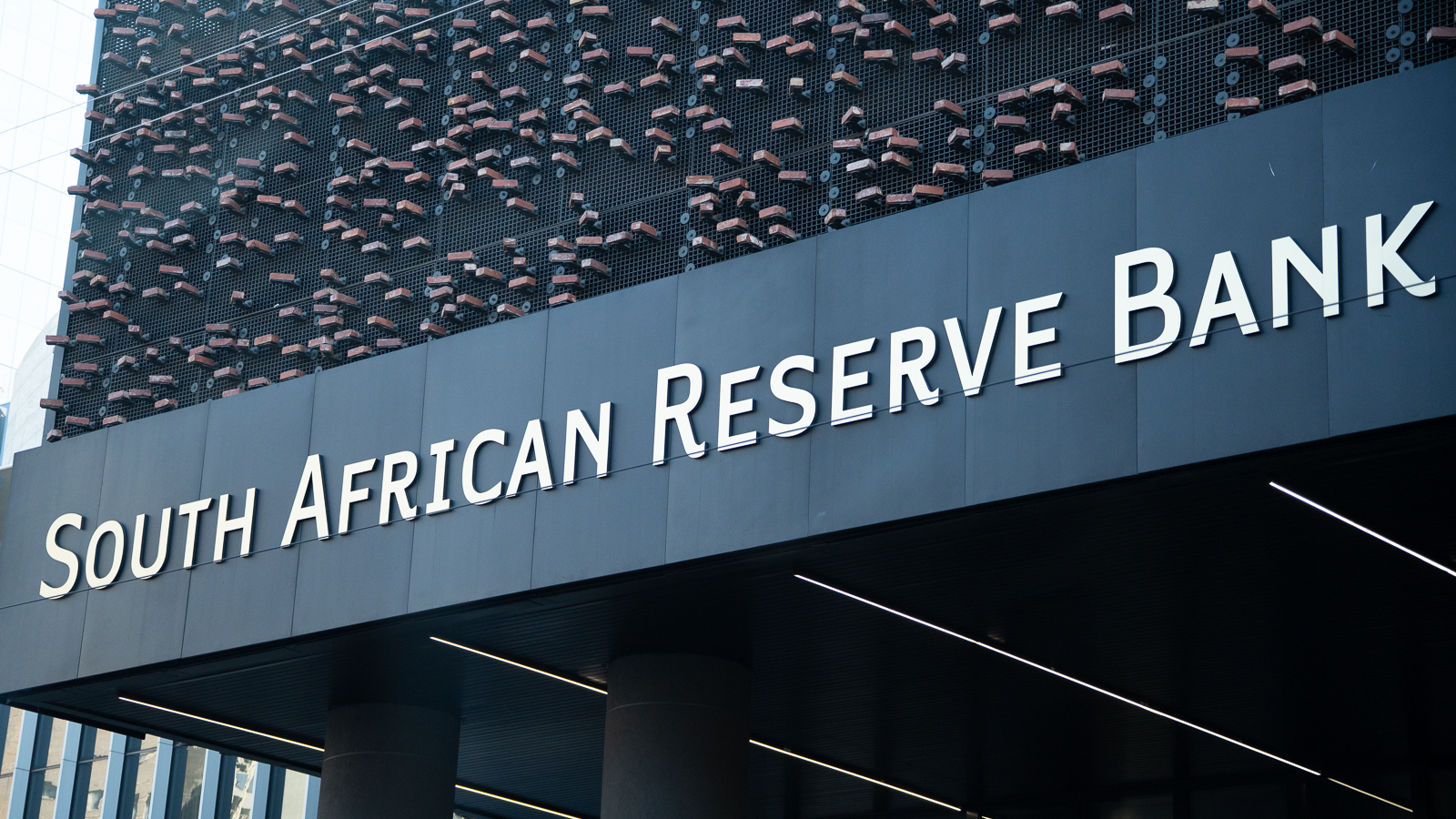
This was highlighted in the South African Reserve Bank’s (SARB) Cost of Cash Industry Report 2026.
The report estimated that the total annual cost of cash to South African consumers is R88.5 billion when both direct and indirect costs are taken into account.
Of this amount, R17.7 billion is attributable to withdrawal charges, while another R13.3 billion is attributable to deposit charges.
Together, these fees amount to R31 billion that consumers incur when using cash. SARB said these costs are driven largely by transaction and cash access fees.
It added that the estimated withdrawal charges of R17.7 billion represent 20% of total consumer cash costs, and deposit charges of R13.3 billion represent 15%, making up more than a third of the total cost to consumers.
The fees can also influence how people manage their money, particularly among consumers who rely heavily on cash.
A case study included in the report from Soweto highlighted the mistrust some consumers have about leaving money in a bank account. One resident explained why they preferred to withdraw cash rather than leave it in the banking system.
“Get [the money] out of the bank and into my hands. The bank will cut my money (for example, through transaction fees), or a debit order will be processed, and my money is gone. It’s safer in my pockets or [a] secret hiding place,” the resident said.
However, the R31 billion in banking fees is only part of the cost of using cash in South Africa.
SARB estimated that consumers spend another R12.5 billion on transport to access cash. This includes expenses such as taxi fares and fuel incurred when travelling to ATMs or bank branches.
The report said this represents “a substantial direct expense, especially for rural and low-income consumers”.
Consumers also face indirect costs
When banking charges and transport costs are combined, direct consumer costs reach R43.5 billion, equivalent to 49% of the total cost of cash.
A further R27.8 billion is attributed to the time consumers lose when accessing and using cash. This is the largest single indirect cost identified by the report and accounts for 31% of the total.
The figure included R19.5 billion in transaction and queuing time, and R8.3 billion in travel time to reach cash points.
Consumers also indirectly bear some of the costs businesses incur when handling physical money. The report estimated these costs at R3.9 billion, or about 4% of the total cost of cash.
SARB said these costs are ultimately embedded in the prices of goods and services. Informal traders account for R2.3 billion of these costs, compared with R1.6 billion for formal retailers.
There is also an opportunity cost associated with holding cash rather than keeping money in an interest-bearing account. SARB estimated that consumers forgo around R1.3 billion in potential interest each year as a result.
The central bank said this cost is relatively small but remains “notable”, as it reflects the opportunity cost of holding physical cash.
The SARB added that over 45% of the total cost of cash is related to physical access and time lost, not just bank fees, especially for those far from banking infrastructure.
The bank noted that these findings highlight that accessing physical money can impose high costs on consumers, particularly those who rely on cash and live farther from formal banking infrastructure.













 Loading ...