

Unique South African estate in the middle of nowhere ranked top in the world


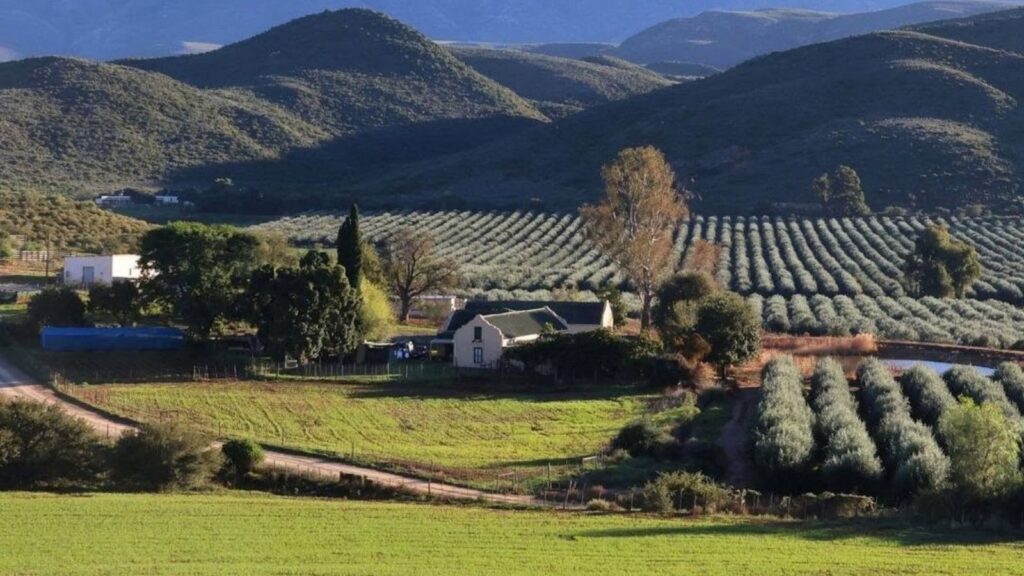
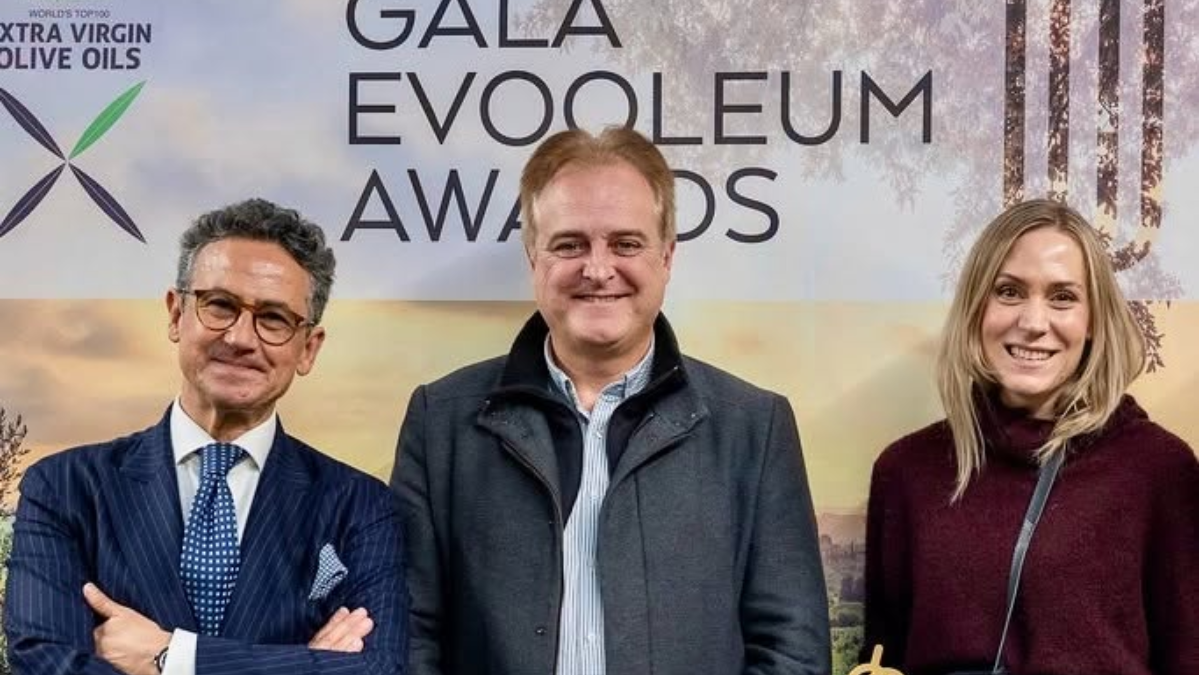
Western Cape olive oil producer De Rustica Olive Estate has reached a milestone by becoming the first South African producer to claim the Top Prize at the International Olive Council (IOC) Mario Solinas Quality Awards for the southern hemisphere.
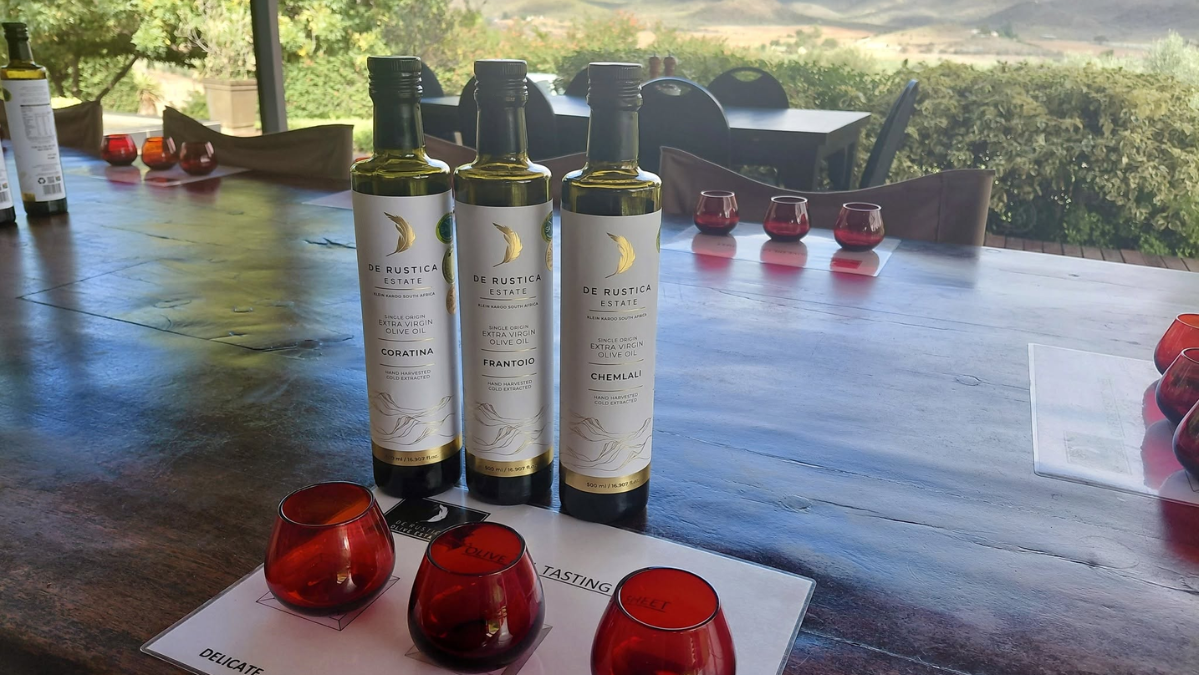
De Rustica’s Coratina extra virgin olive oil took first prize in the small-scale producer category.
Two olive oil producers in Argentina, Zuccardi Family and Agro Aceitunera, along with one in Uruguay, Nuevo Manantial SA, also achieved first place alongside South Africa.
De Rustica’s recent award is an improvement from the 2025 IOC competition, where the group ranked second for the same Coratina cultivar.
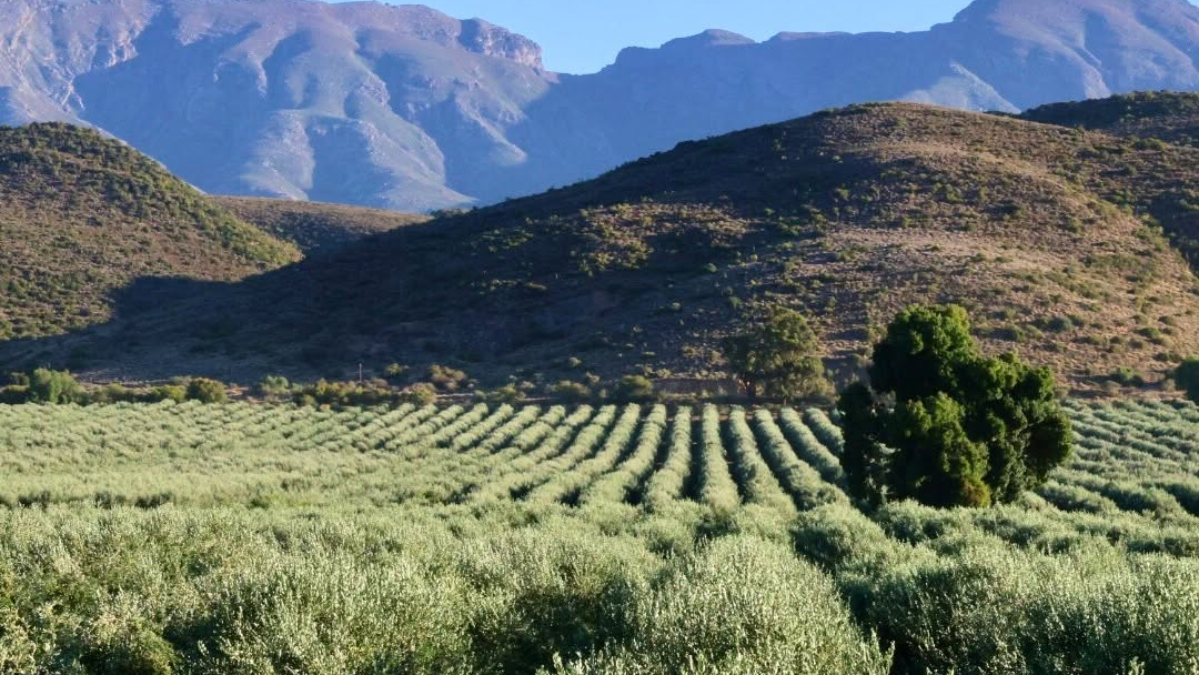
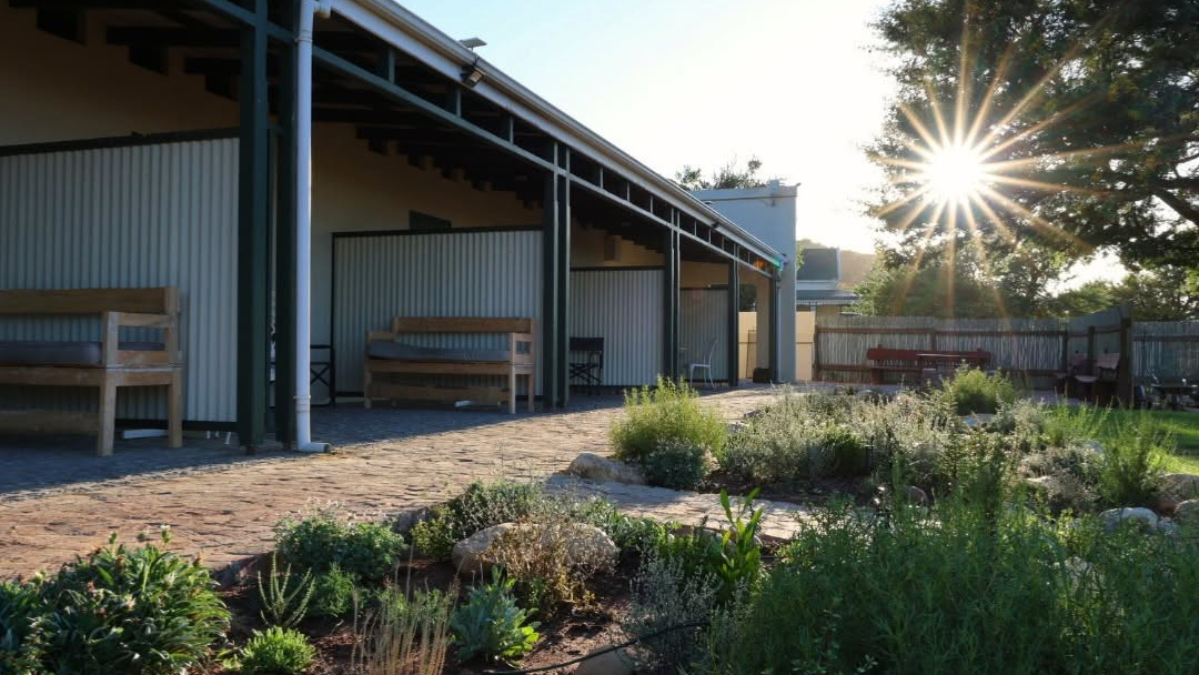
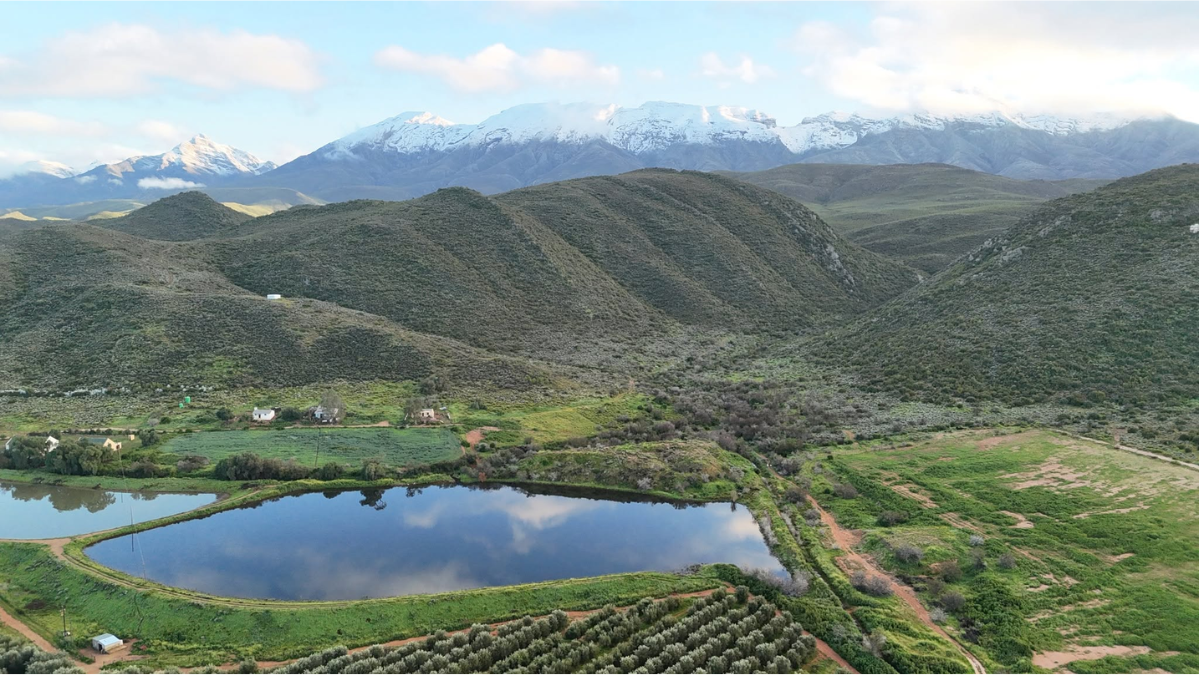
De Rustica is located in the small town of De Rust, in the small Karoo region of the Western Cape, about 35 km from Oudtshoorn.
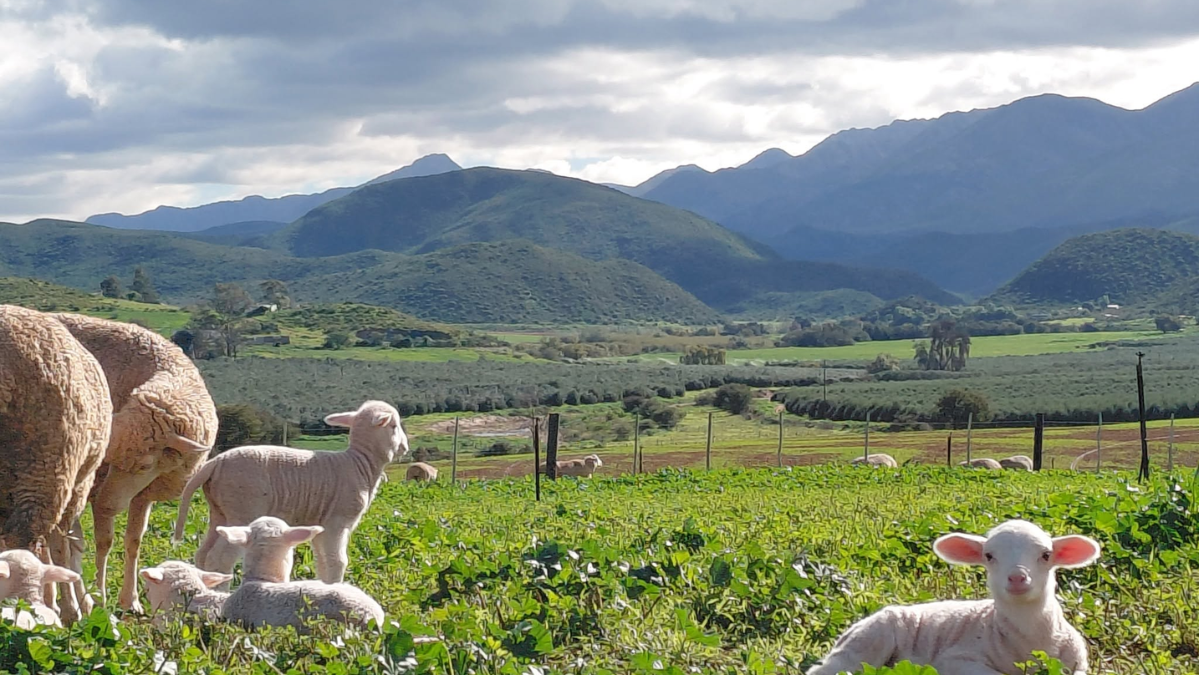
The olive estate was founded by South African mining entrepreneur Rob Still in 2006 and specialises in producing extra-virgin olive oil and lamb.
De Rustica began producing Extra Virgin Olive Oil (EVOO) in 2012, and in 2018, it was recognised as the Southern Hemisphere’s top olive oil producer.
The Mario Solinas Quality Awards, which are organised by the International Olive Council, include a dedicated Southern Hemisphere competition, where producers from smaller industry bases compete internationally against large, established olive-oil producing nations.
“South African producers have the climate, the skill and, importantly, the ambition to make truly exceptional olive oil,” said De Rustica CEO Eleanor Stoker.
“For me, this is less about celebrating one result and more about what it says is possible – for De Rustica and for our industry,” Stoker said.
South Africa’s olive oil industry takes strides
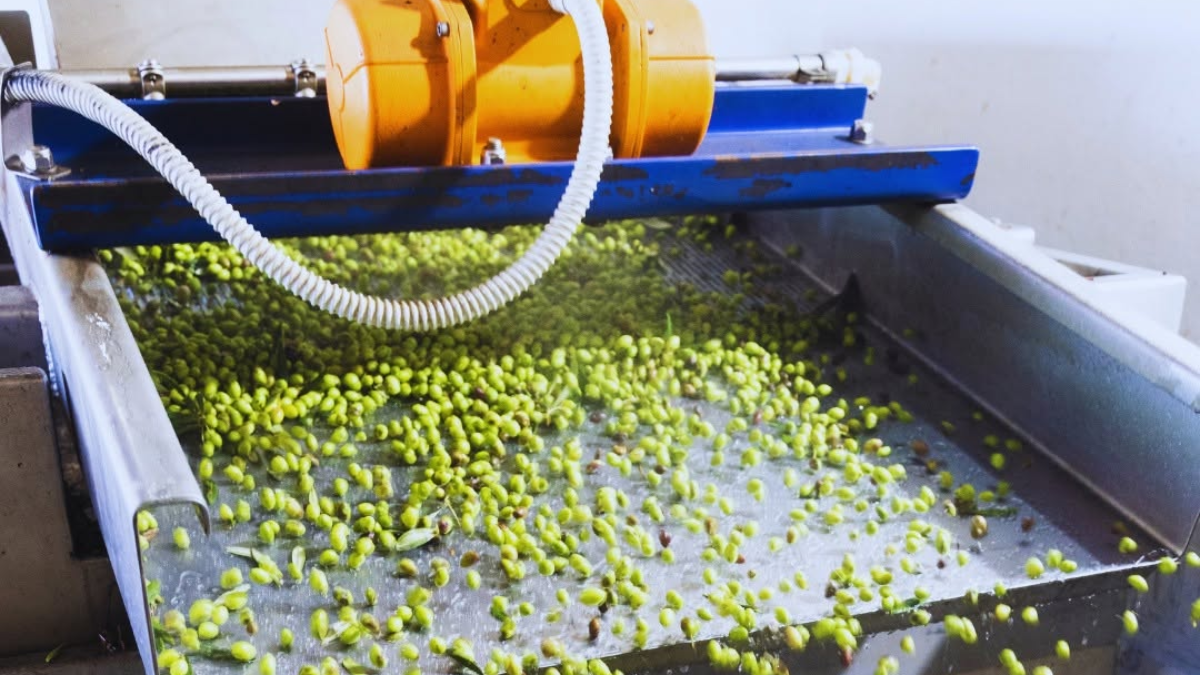
South Africa is one of the smallest olive oil-producing countries in the Southern Hemisphere, and an award like this one puts the country on the map.
Despite being a small olive oil-producing country, the SA Olive Industry Association recorded that olive farming in South Africa is growing around 20% per year, doubling in size every four to five years, making olives one of the fastest-growing agricultural sub-sectors.
SA Olive revealed that between 2004 and 2016, South Africa’s olive oil production increased by 140%, all of which was EVOO, which is in line with worldwide consumption of olive oil.
The group also noted that 1.5 million to 2 million litres of olive oil are produced every year in South Africa, and 90% of it is consumed locally.
South Africa’s olive oil export market is therefore not as strong, as most of it is consumed domestically, with exports primarily to neighbouring African countries such as Botswana and Namibia.
A further five to six million litres of olive oil is estimated to be imported every year, with the bulk coming from Spain, Italy, Portugal, and Greece.
Most of the South African olive farms are small, with almost half of the registered olive growers on farms that are less than five hectares, which is around the size of seven soccer fields.
SA Olive Industry Association CEO Wendy Petersen highlighted that international awards won by local producers significantly improve the reputation and recognition of South African EVOO both domestically and abroad.
“The consistently high quality of South African EVOO can, in large part, be attributed to the SA Olive Commitment to Compliance (CTC) Scheme,” said Petersen.
She explained that the scheme provides an important framework for quality and authenticity, ensuring that participating products meet the standards for both sensory quality and analytical properties.
Petersen said that it is the combination of producer dedication and the integrity of the CTC Scheme that builds consumer trust.
This win, according to Petersen, came at an important time as South Africa formally applied to join the International Olive Council (IOC) in September.
“This signals the country’s ambition and its readiness to take a more prominent place in the international olive oil community.”
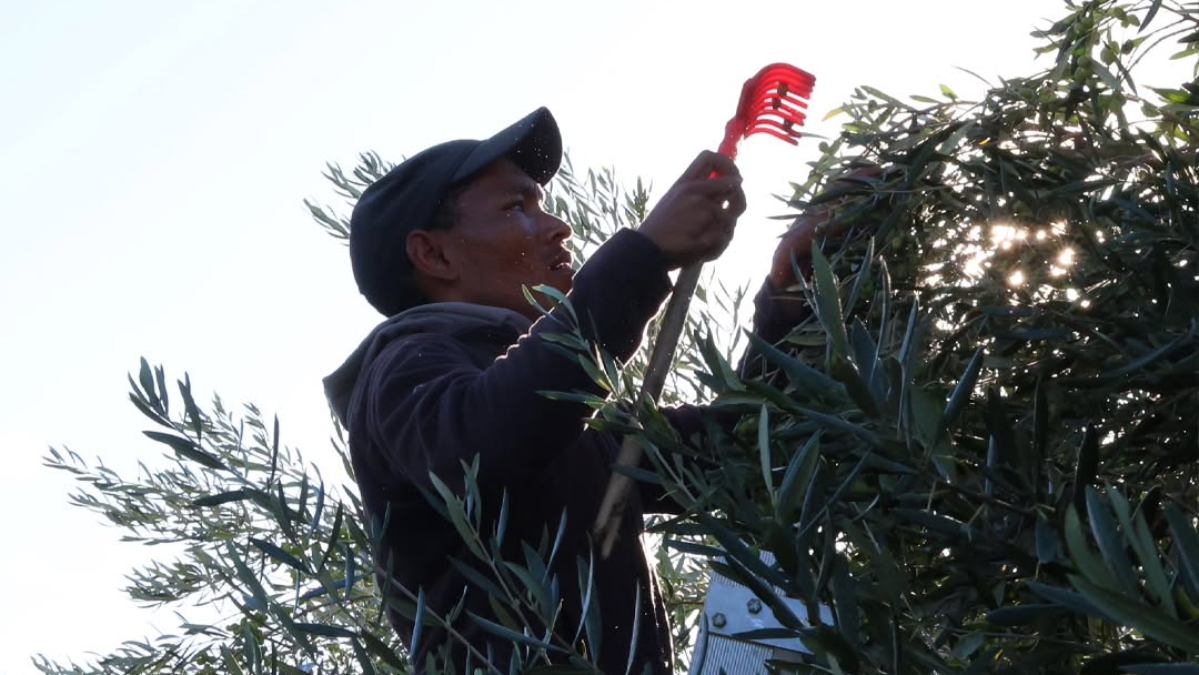
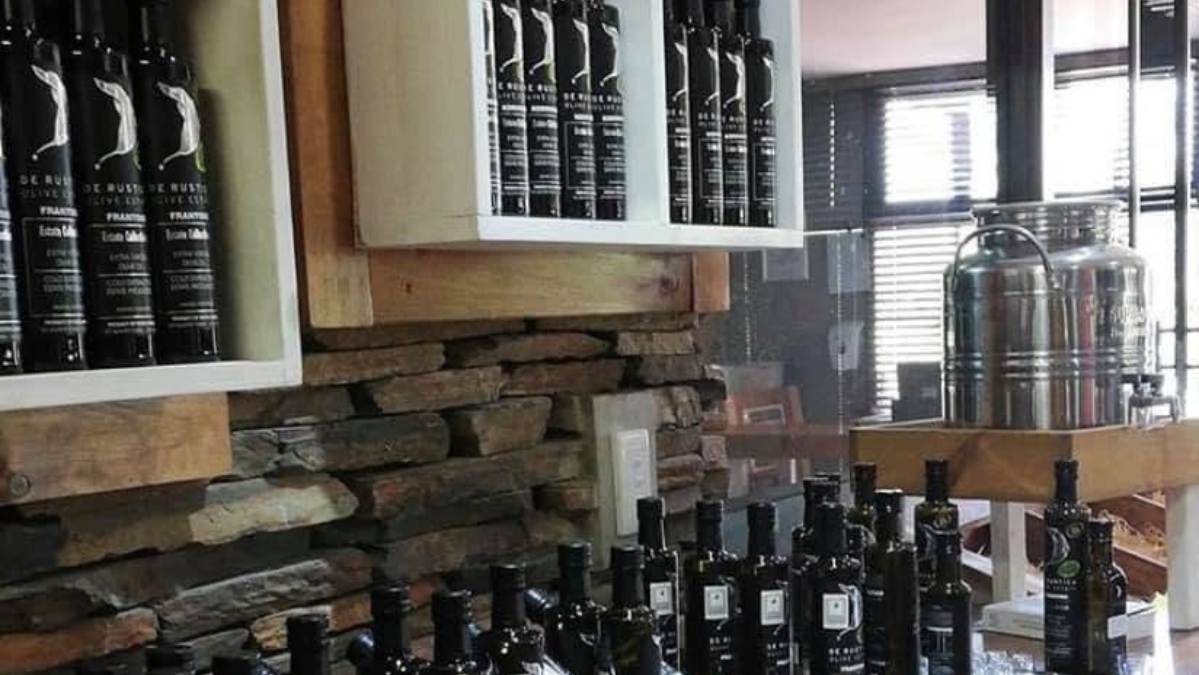
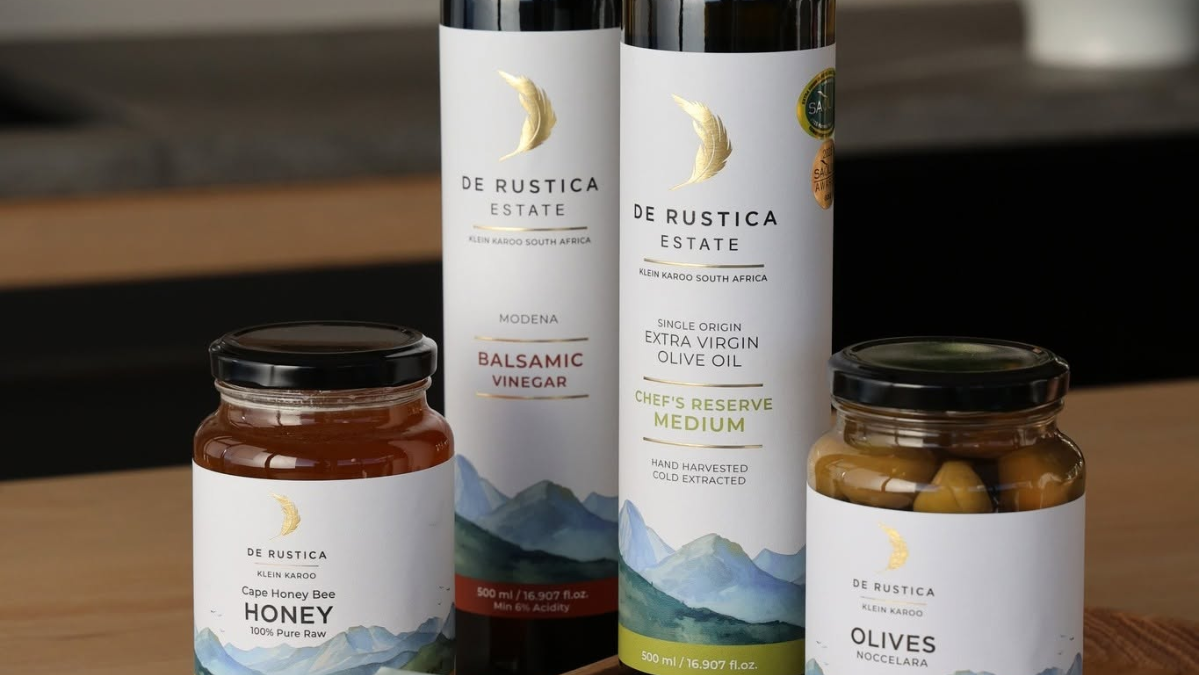
Photos of De Rustica














 Loading ...