

South Africa’s cash is here to stay


While South Africa’s banking sector continues to adopt digital banking services, cash still plays a pivotal role in the country’s economy.
The South African Reserve Bank (SARB) recently published its cost of cash report, which discussed trends and associated costs of the country’s currency.
In this study, the Reserve Bank found that 29% of South Africans prefer electronic payments exclusively, while only 19% prefer cash exclusively.
Although the study found that South Africans prefer using digital payment methods over cash for transactions, it noted one important industry where cash is still king.
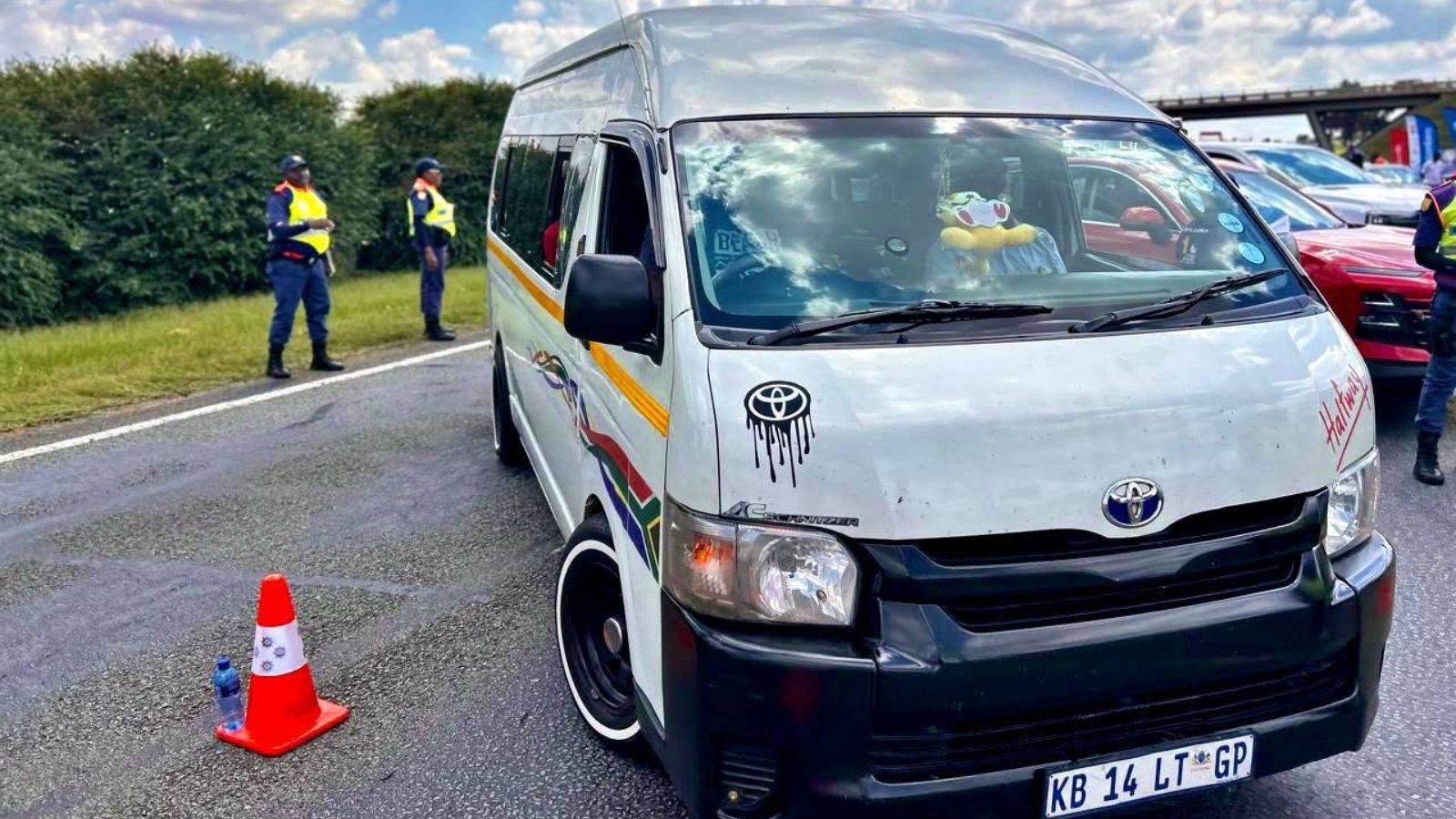
The SARB highlighted the taxi industry as a large and cash-driven service which is vital to the country’s economy.
“The actual size of the taxi industry is unknown, but we know it is a massive industry and cash-only,” the Reserve Bank said.
It also noted that while taxi commuters may prefer digital payments, reliance on the service forces many people to continue using cash.
“Commuters – even the most bank-trusting, digital-savvy, white-collar, salary-into-a-bank-account types – need cash to travel by taxi,” it said.
While it is difficult to know the exact number of South Africans who rely on the taxi industry, Stats SA found that roughly 11.4 million households relied on the service in 2020.
This was according to the National Household Travel Survey, which also found that 80.2% of workers who use public transport to get to work took taxis.
The South African National Taxi Council (SANTACO), the industry’s national representative body, said on its website that there are roughly 350,000 minibus taxis on South Africa’s roads.
The numbers show just how prevalent the taxi industry is in South Africa, and the important role it plays in the country’s economy.
The industry where cash is still king
Along with the taxi industry being cash-only, the Reserve Bank noted another interesting trend in how cash operates in the sector.
It said that taxi drivers rarely accept large denominations, such as R100 or R200 notes, meaning passengers need to have smaller notes or coins.
“It is only the foolhardy who present R100 or R200 notes as taxi fare (for a local trip) and expect change, particularly in the morning when the driver has barely a cent in his pockets,” the SARB said.
“Swapping change with other commuters or forcing the driver to stop on the roadside to obtain change is ill-advised.”
This means that people who rely on taxis for transport not only need to ensure they have cash readily available, but also that it is in a variety of smaller denominations.
“The average local trip is in the R10–R20 range, and it is best to have the exact fare at hand; R10 notes as well as R5, R2 and R1 coins are what is needed to travel by taxi,” the Reserve Bank noted.
While ATMs are an easy way to access cash, these machines commonly dispense large denominations and do not give coins.
The best way to obtain smaller currency denominations is from retailers or informal traders, who often have cash on hand for change.
While it is often possible to swap larger notes for smaller denominations and coins in a straight exchange, the SARB noted a far more common method.
“The more conventional approach is to buy bread and Coke and then present a R100 or R200 note as payment,” the Reserve Bank said.
“This ensures a fistful of small-denomination notes as well as coins as change, and shoppers will generally specify the change they want.”
Despite the continued shift towards a digital banking landscape, the taxi industry remains a major sector reliant on physical currency.


















 Loading ...