

Plans to finish Cape Town’s iconic “bridge to nowhere”


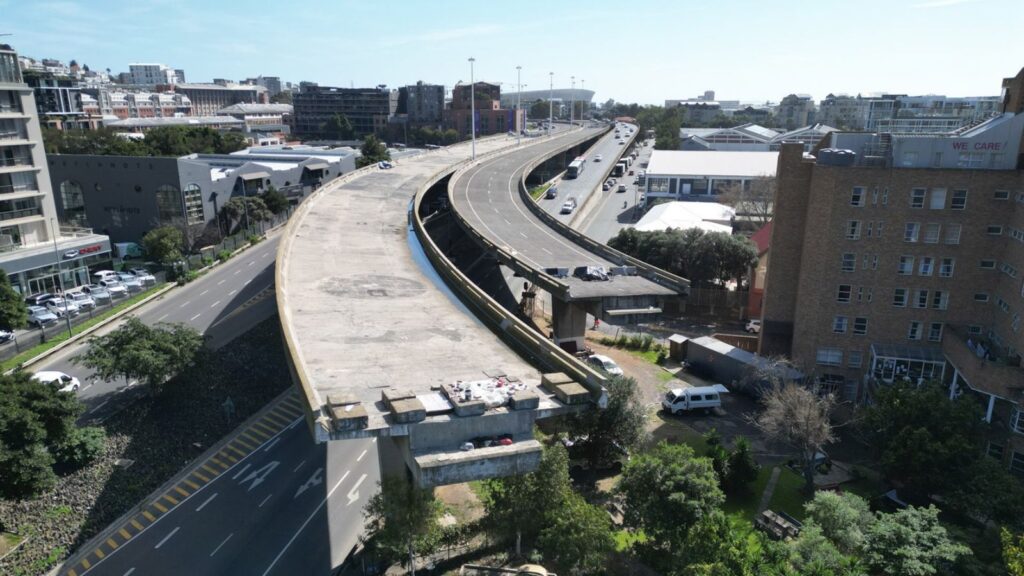
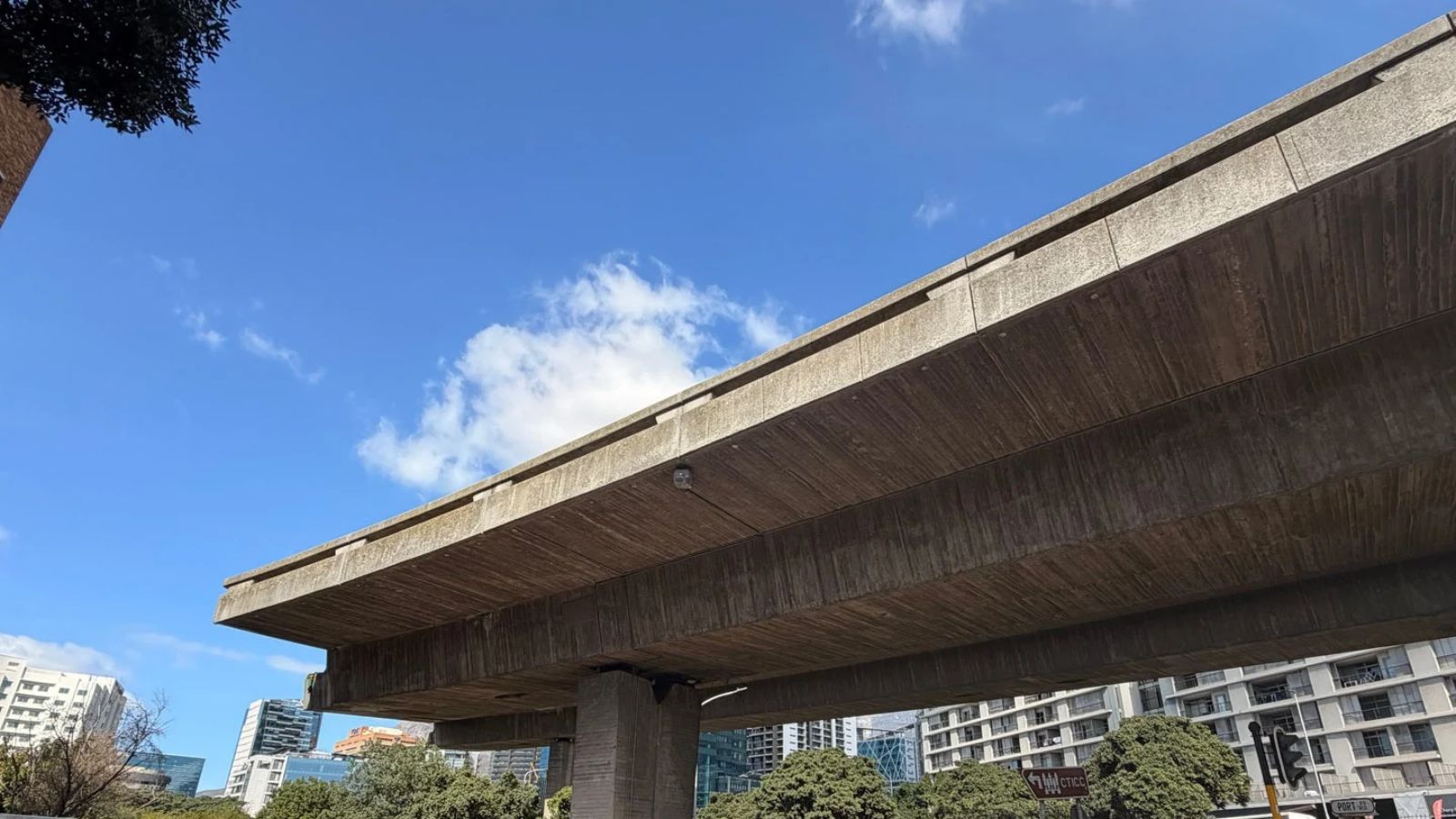
Cape Town’s mayor, Geordin Hill-Lewis, has unveiled plans to finish the city’s Foreshore freeway bridge, an iconic landmark of the Mother City.
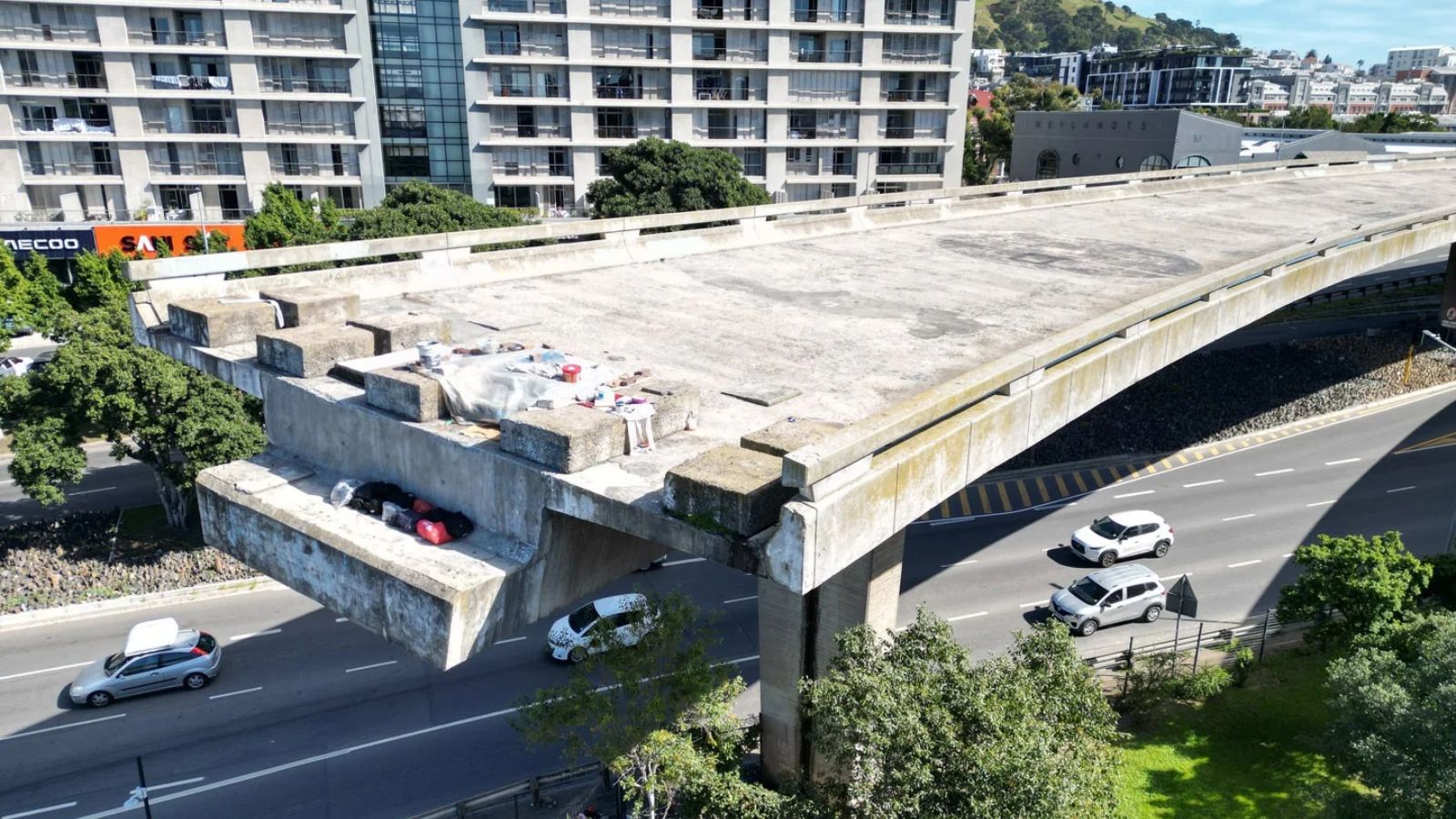
Construction of the bridge, intended to connect Cape Town’s CBD to its coastal areas, began in the early 1970s but was halted.
The work stopped in 1977 due to a lack of funds, and the bridge has remained unfinished to this day, becoming an iconic sight in Cape Town.
In a speech on Friday, 2 October, Hill-Lewis said the work on these bridges would be completed, in a bid to improve travel between the city centre and the coast.
“I am excited to unveil this vision for a new Foreshore precinct that will see these legendary bridges being finished at last,” he said.
“We’ve been working on this project for the last few years in detail, but in truth, we’re getting the ball rolling on finishing some 50-year-old unfinished business.”
He said that completing construction on these bridges would improve traffic flow in the city and unlock significant investment opportunities.
“These are not just bridges,” he said. “They will help address some of Cape Town’s biggest congestion headaches, while unlocking huge investment, job creation, and more affordable homes for Capetonians.”
“The project will transform Cape Town’s unfinished highways into a new link bridge and tunnel to relieve inner city congestion and fix the connection between the foreshore and the seaboard.”
The city’s current proposal, which is subject to change based on public consultation, does not technically involve finishing construction on the existing bridges.
The proposal comprises two parts, beginning with the construction of a new bridge over Buitengracht Street that links the inbound freeway to Helen Suzman Boulevard.
Phase two will involve the construction of a link bridge and tunnel connecting to the outbound highways.
Following the construction of these two phases, the current “bridge to nowhere” would be demolished, freeing space in the city for other developments.
“Once that system is in place, the existing outbound elevated freeway can finally be removed,” Hill-Lewis said. “And that is when the real opportunity opens up.”
“We can then take the land that has been sitting beneath and between these structures and give it back to the city.”
Difficult geography

The plans to redesign Cape Town’s roads come as the city has increasingly struggled to expand due to its surrounding terrain.
“With our city centre wedged into this relatively small piece of land between mountain and ocean, the geography that makes Cape Town so beautiful and so memorable is also one of our greatest constraints,” Hill-Lewis said.
“There is very little room for the CBD to expand.”
He said that the unfinished bridges, which have become an iconic part of the city, have also created a barrier.
“The elevated highway bringing people in from the N1 and N2 – including the famous unfinished freeways – have cut the city centre off from the ocean,” he said.
Following the construction of the new connecting infrastructure, Hill-Lewis said it would be possible to expand the city centre towards the ocean.
“We can extend the streets of the CBD towards the harbour and create a new promenade that will run the full length of its edge,” he said. “We can create new parks and public spaces.”
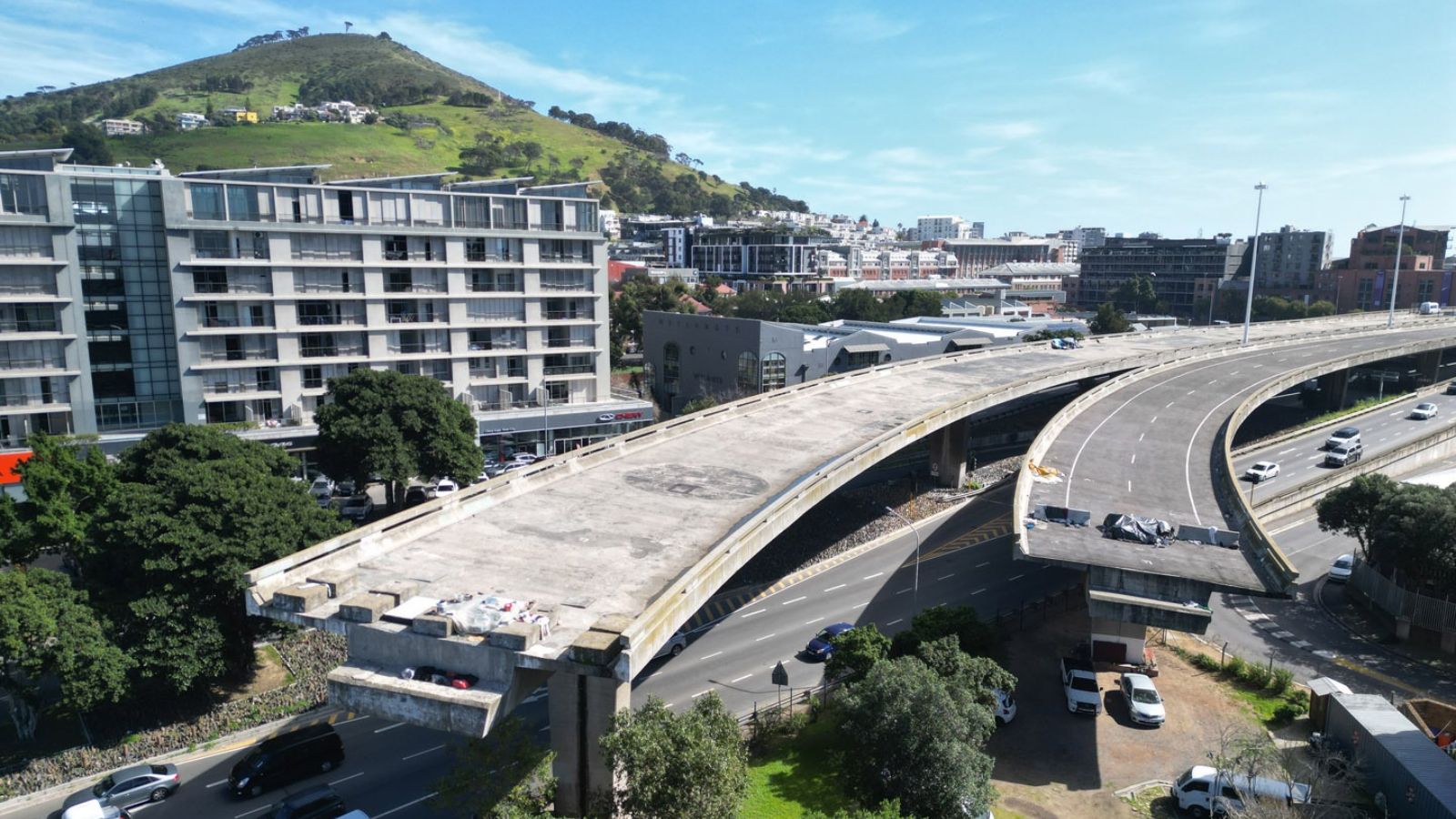
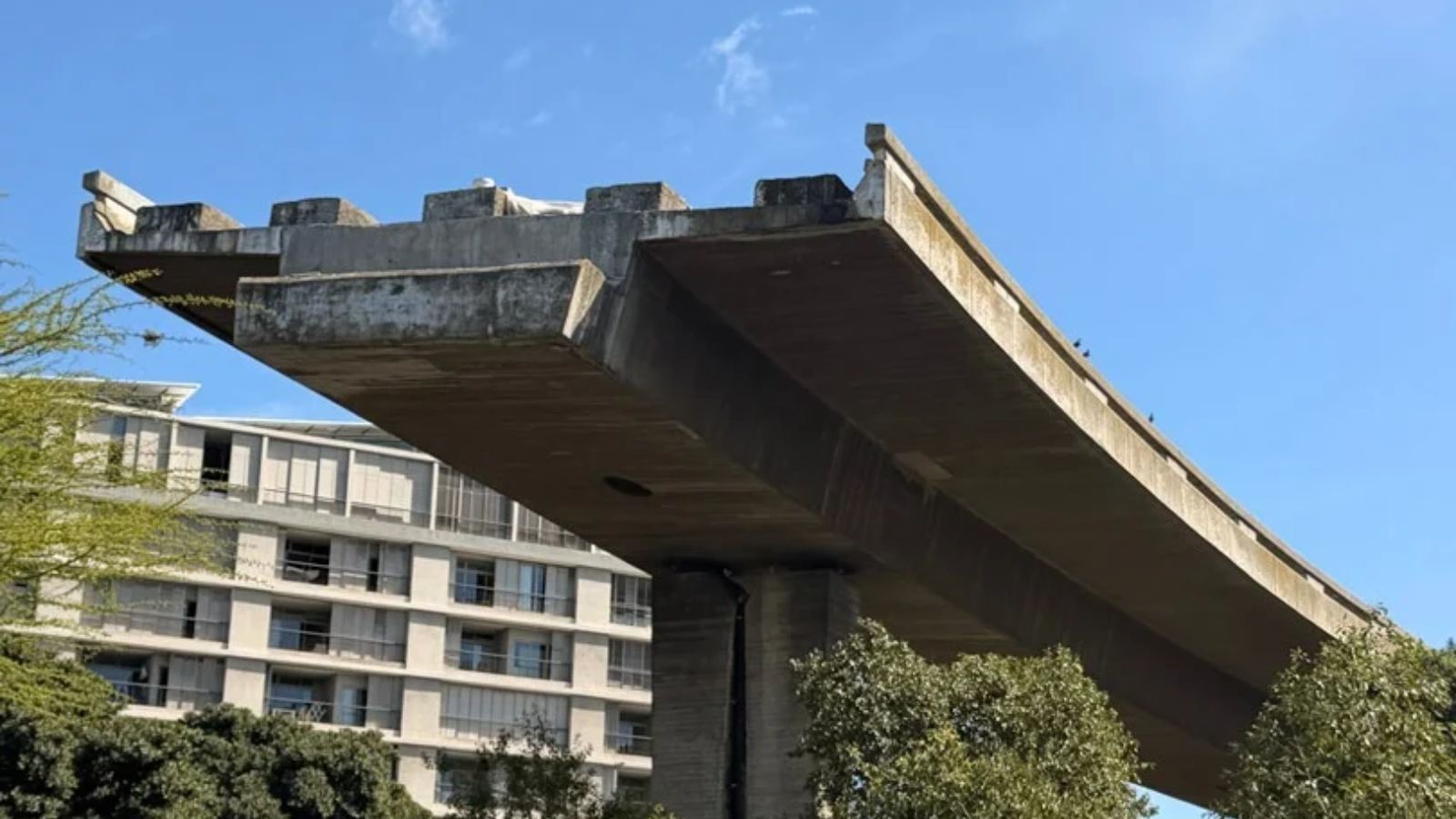
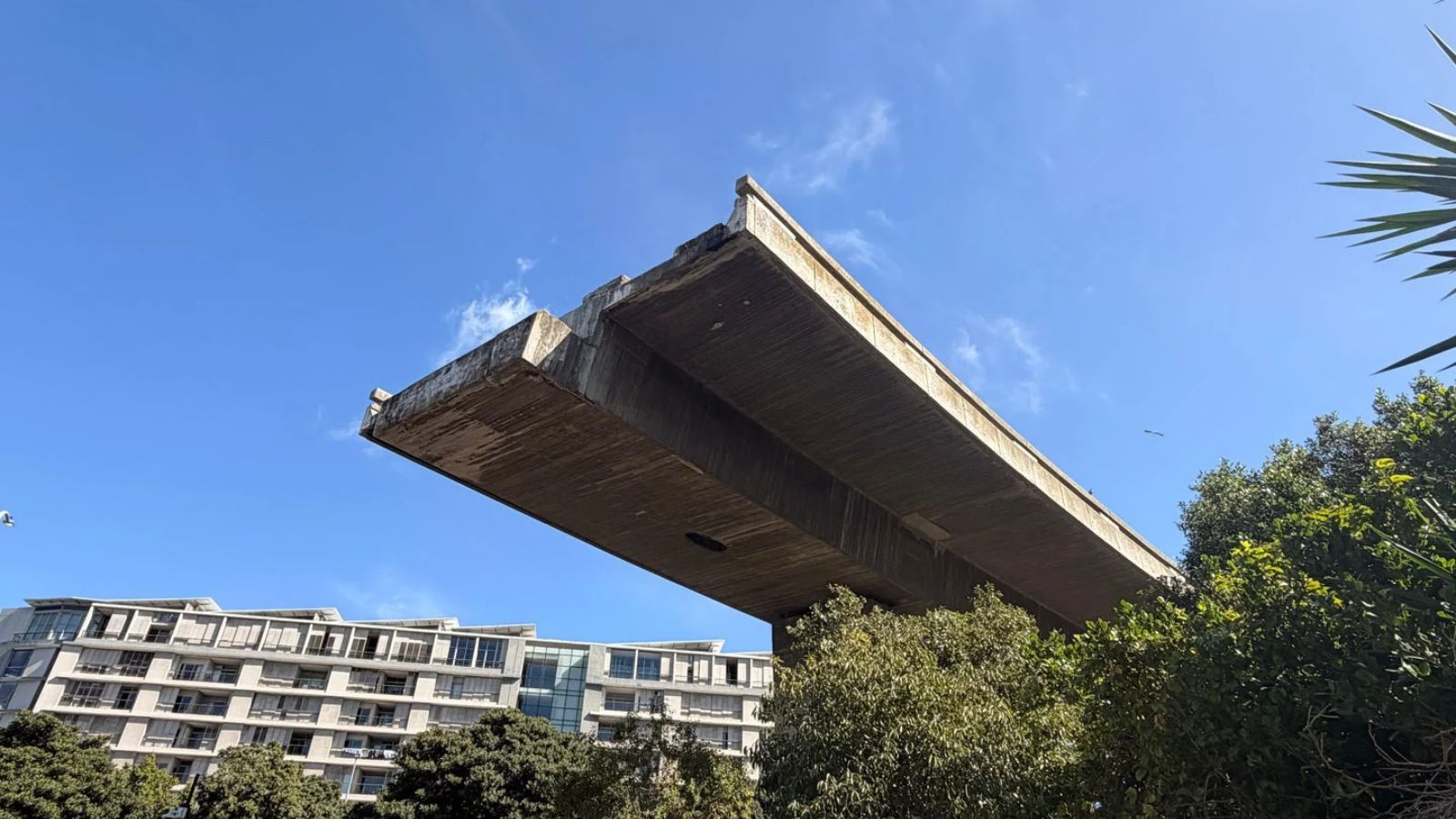
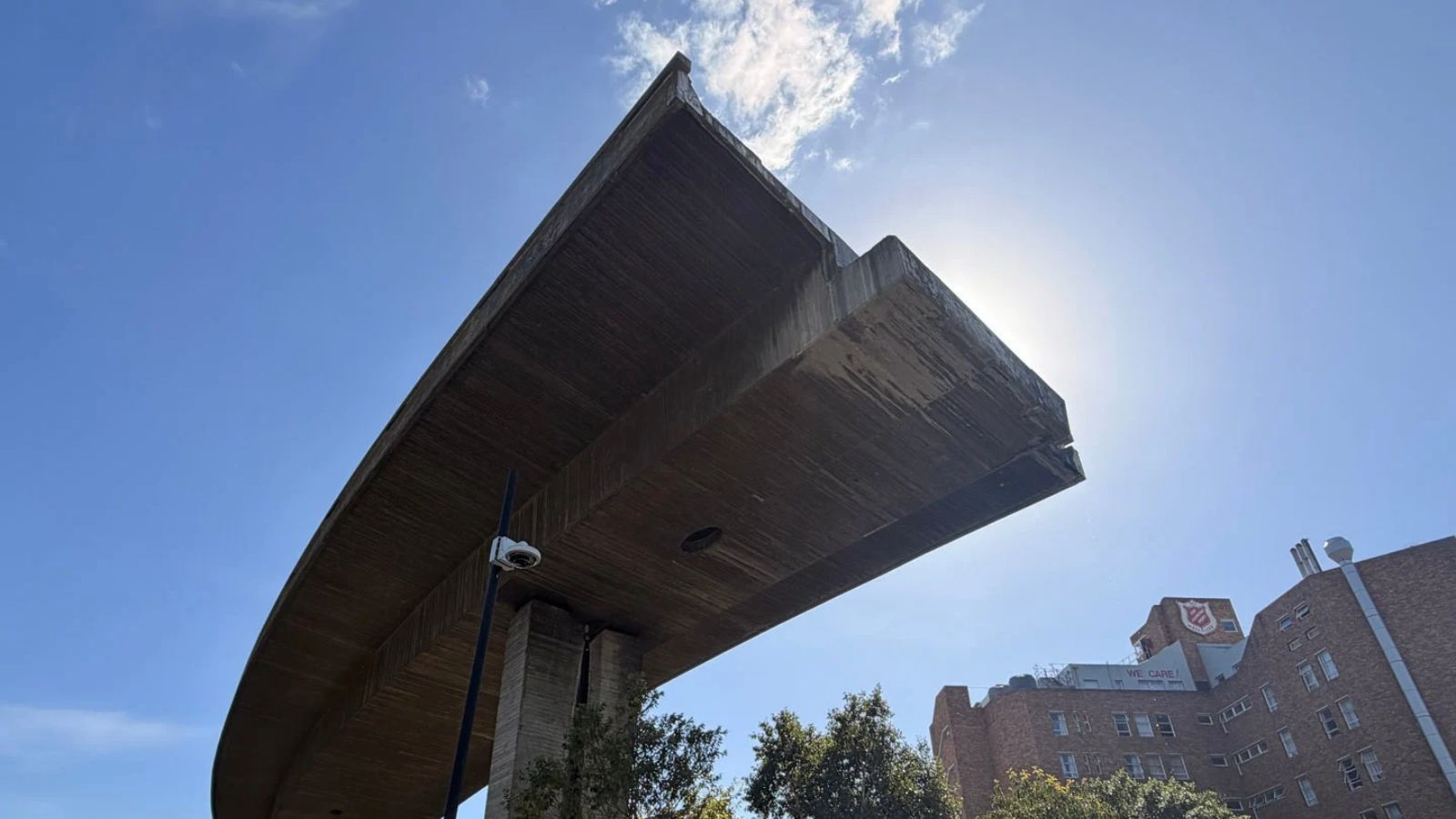
The unfinished Foreshore Bridge has become an iconic part of the Mother City since its abandonment in 1977.
The bridge has become a popular filming spot in recent years, with several advertisements and music videos shot there, as well as an episode of Black Mirror.
While the city announced plans to remove these iconic structures, no specific details or dates were provided, and the plans were first presented for public consultation.
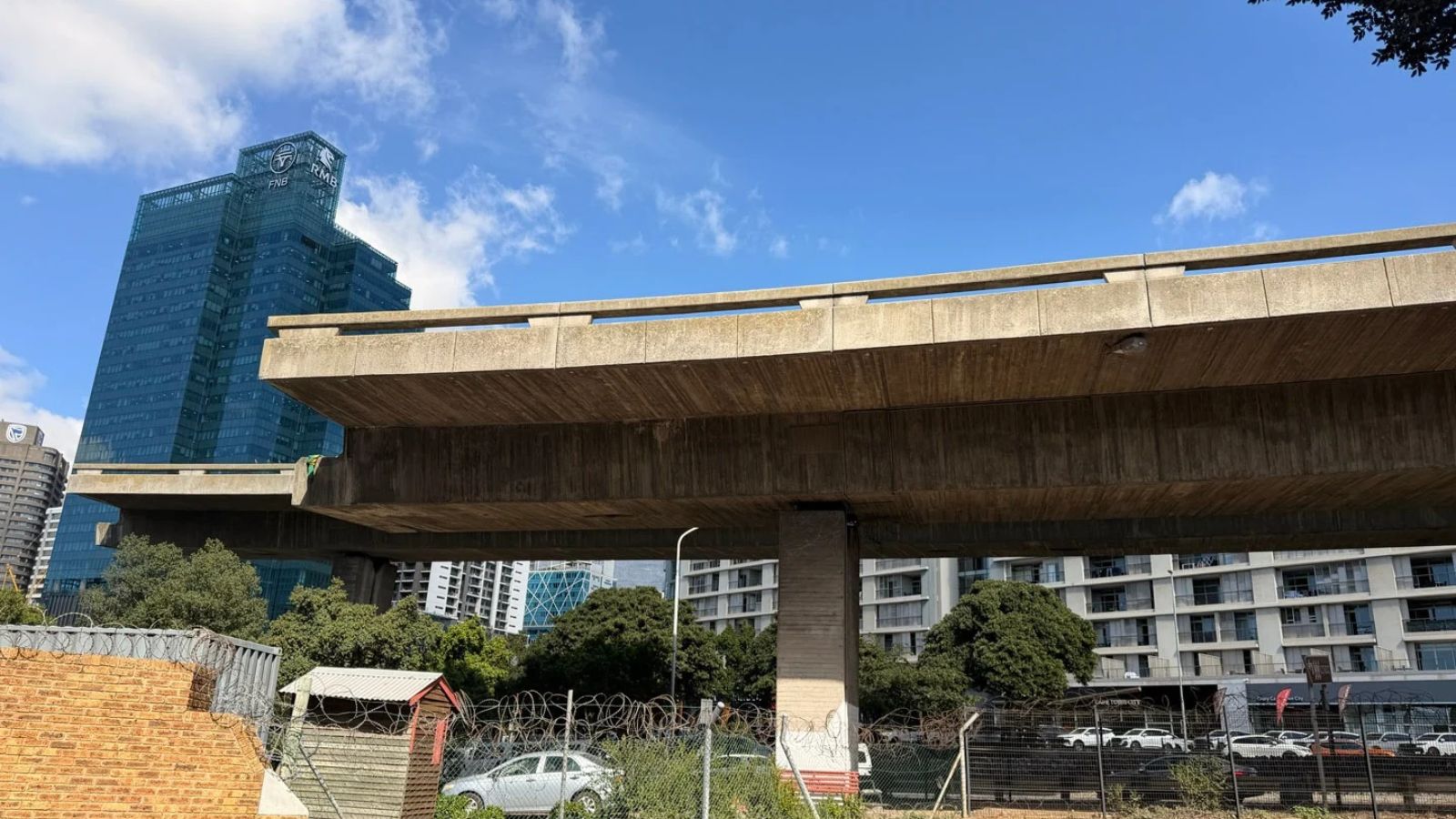
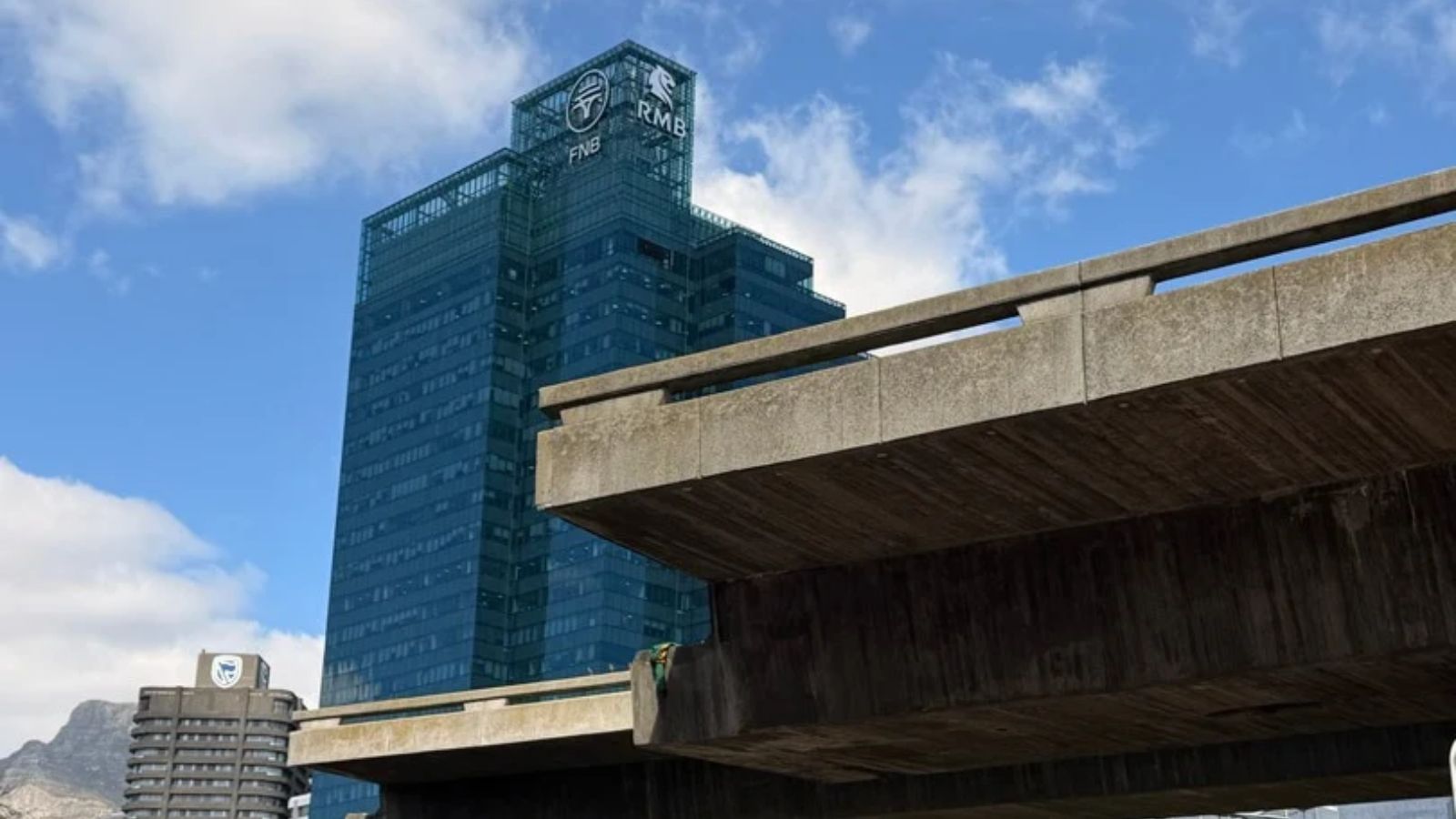
Photos of the unfinished Foreshore bridge














 Loading ...