

Driving licence changes finally hitting South Africa, and petrol prices take a positive turn


The South African rand ended the week stronger on Friday, snapping a four-week losing streak.
The unit ended the week around R16.50 to the dollar, 0.4% stronger than its previous close, up more than 0.7% from last week.
The rand fell 2% last week, its sharpest weekly decline during the recent run of losses.
The currency was supported by firmer gold prices and a subdued dollar.
Prices of gold, a major South African export, rose more than 1% on Friday, while the US dollar traded flat against a basket of currencies as market players weighed lingering inflation concerns and the outlook for Federal Reserve interest rates
“For the rand, the near-term direction will depend heavily on whether the improvement in global risk sentiment holds or renewed oil and yield pressure drives investors back towards the dollar,” said Andre Cilliers at TreasuryONE.
Oil prices fell as Middle East supply concerns eased after US President Donald Trump said the country would not attack Iran before elections next month.
However, prices ticked higher again as the prospect of a wave of Russian diesel hitting global markets competed with mounting supply risks, from fresh tanker attacks in the Strait of Hormuz.
Brent advanced about 0.4% to settle near $105 a barrel after surging more than 4% on Thursday.
The issue was compounded by renewed fighting between Saudi Arabia and the Houthis in Yemen, which has also added to anxieties across the region.
Three Saudi Arabians were killed, and others were injured in two attacks on the main airport in the capital, Riyadh, on Thursday, Saudi authorities said.
“The risk that further military escalation could disrupt those flows is keeping traders reluctant to build more aggressive short exposure and position for a sustained break below $100,” said Chris Weston, head of research at Pepperstone Group.
This is “a two-way market, where geopolitical risk premium competes with improving physical supply dynamics,” he added.
5 important things happening in South Africa today

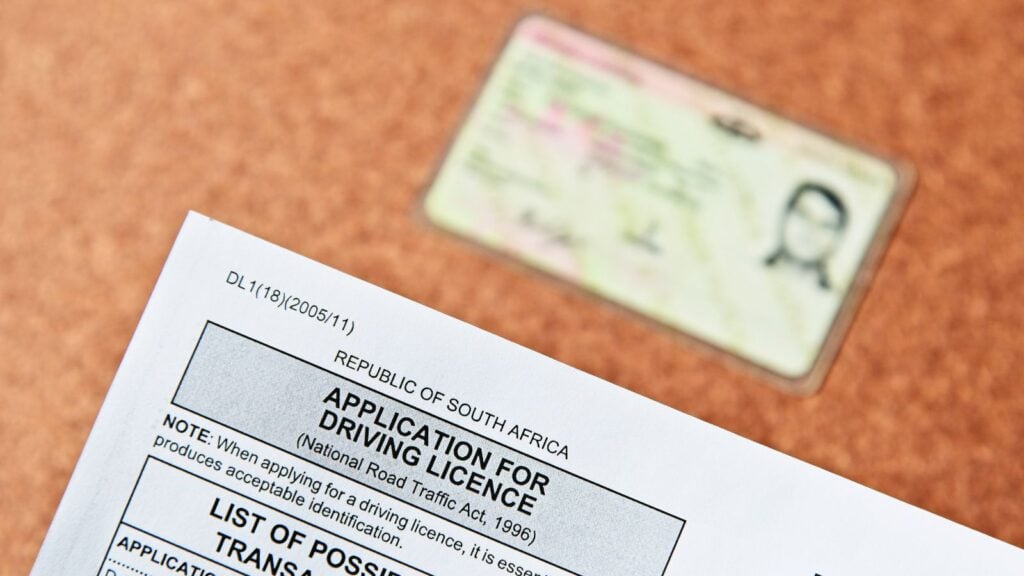
Biggest change for South African driving licences in 28 years: The extension of South Africa’s driving licence card validity will be the most significant change to the country’s driving licence scheme since the current cards were introduced in 1998. [MyBroadband]
Better news about petrol prices in South Africa: The anticipated petrol and diesel price hikes for November 2026 have declined, though motorists are still set to take a major hit next month. The under-recovery in petrol for November had started at over R4 per litre, but has dropped to R3 per litre. [Top Auto]
R200 billion disappears into thin air: City Power has an infrastructure and investment backlog of R150 billion to R200 billion, which has been built up over years of inadequate maintenance and development. Such a backlog should not exist and indicates that the money has instead disappeared into other areas of spending. [Daily Investor]
1 million South Africans milked: 1 million South Africans contribute over 60% personal income tax in the country, funding everything from healthcare to social grants. This was revealed by Finance Minister Enoch Godongwana, who shared data about South Africa’s personal income tax base in response to a Parliamentary question. [Newsday]
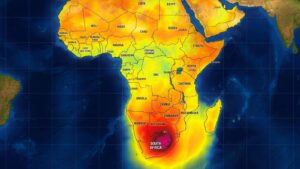
Severe weather hitting South Africa where it hurts: The looming El Niño weather patterns are intensifying as expected, with the impact on South Africa’s economy likely to cut growth in 2026 and 2027 at a time the economy is already under extreme external strain. [BusinessTech]
















 Loading ...