

Another own goal for South Africa


South Africa is facing another economic own goal as improvements in electricity generation expose other infrastructure weaknesses that continue to constrain growth.
This is the feedback from PwC chief economist Lullu Krugel. In PwC South Africa’s third-quarter 2026 economic outlook, titled The Bottleneck Is Moving, Krugel said the country had made progress in addressing some of its longstanding economic challenges.
However, bottlenecks in electricity distribution, freight rail, ports and other infrastructure were preventing the economy from capitalising on those gains.
In an interview with Kaya Biz, Krugel said many of these constraints had existed for years but had become more apparent as progress was made elsewhere.
Electricity distribution remains one example. Although more transformers have been installed, the construction of the lines needed to distribute electricity has fallen short of targets.
The same problem is playing out across the broader economy, where improvements in electricity supply are not translating into stronger economic activity.
This is because businesses still face difficulties moving goods and accessing reliable infrastructure.
Krugel said the government had made progress through initiatives such as Operation Vulindlela, which aims to address structural constraints in the economy, including problems at ports and on the rail network.
However, she warned that improvements remained slow and that South Africa’s ports and rail infrastructure were still well below the international standards needed to compete effectively.
“We are still well below the global standards that we need to compete with, to actually attract ships, and to be a preferred shipping route,” she said.
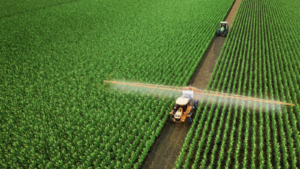
Manufacturers may have the electricity needed to produce goods, but getting those products to market remains a challenge. Agricultural exporters face similar constraints, despite strong growth in exports.
These structural weaknesses are contributing to South Africa’s persistently low economic growth, which has struggled to generate enough jobs to make a meaningful dent in unemployment.
South Africa would still struggle under a perfect scenario

According to PwC’s report, real gross domestic product (GDP) grew by 0.5% in 2024 and 1.1% in 2025. PwC expects growth of 1.1% in 2026, followed by a modest improvement to 1.3% in 2027.
Krugel said South Africa needed sustained economic growth above its population growth rate, estimated at between 1% and 1.5%, to create enough jobs to absorb new entrants into the labour market and gradually reduce unemployment.
“Our economy is stuck,” she said, adding that even under favourable conditions, the country’s existing economic structure would make it difficult to achieve growth much above 2% to 2.5%.
“Even if everything was perfect globally, we would have struggled to go beyond that 2% because of our own challenges.”
While international developments have added pressure to the economic outlook, Krugel said South Africa also needed to address its domestic weaknesses to improve its long-term growth trajectory.
The three main priorities include fixing infrastructure bottlenecks, unlocking growth in sectors that depend heavily on functioning infrastructure, and restoring confidence in the economy.
The first priority includes improving electricity distribution, ports and road infrastructure to ensure businesses can access the services they need at the right time, speed and cost.
The second involves unlocking the potential of sectors such as mining, agriculture and tourism, which are particularly dependent on reliable transport networks and other infrastructure.
Krugel said services and financial services had been better able to respond to economic challenges because they were less dependent on these physical systems.
The third priority is rebuilding confidence by addressing issues such as municipal service delivery, water shortages, corruption and public safety.
Krugel said progress in these areas could help shift South Africa onto a higher growth path, allowing the economy to make better use of favourable conditions when they arise.













 Loading ...