

New marketplace 60% cheaper than traditional restaurants, cafés, and grocery stores in South Africa


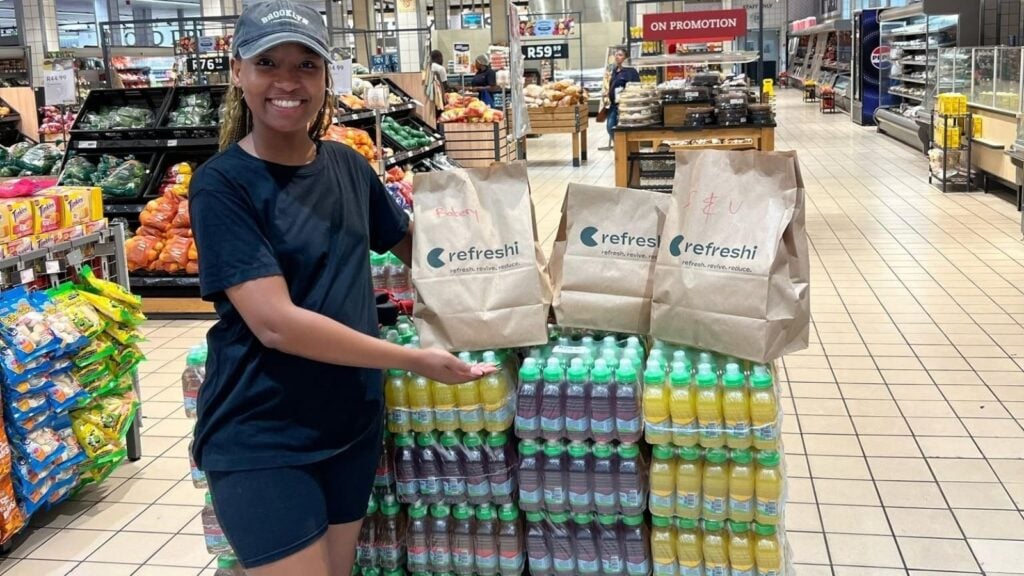
South Africans can buy food from supermarkets, bakeries, cafés, and restaurants at discounts of up to 60% through a marketplace that has helped retailers recover more than R15 million since launching in March 2025.
Cape Town-based startup Refreshi sells food that would otherwise be discarded, while giving consumers access to cheaper groceries and prepared meals.
The online marketplace has grown from 35 partner stores to more than 700 locations across four provinces
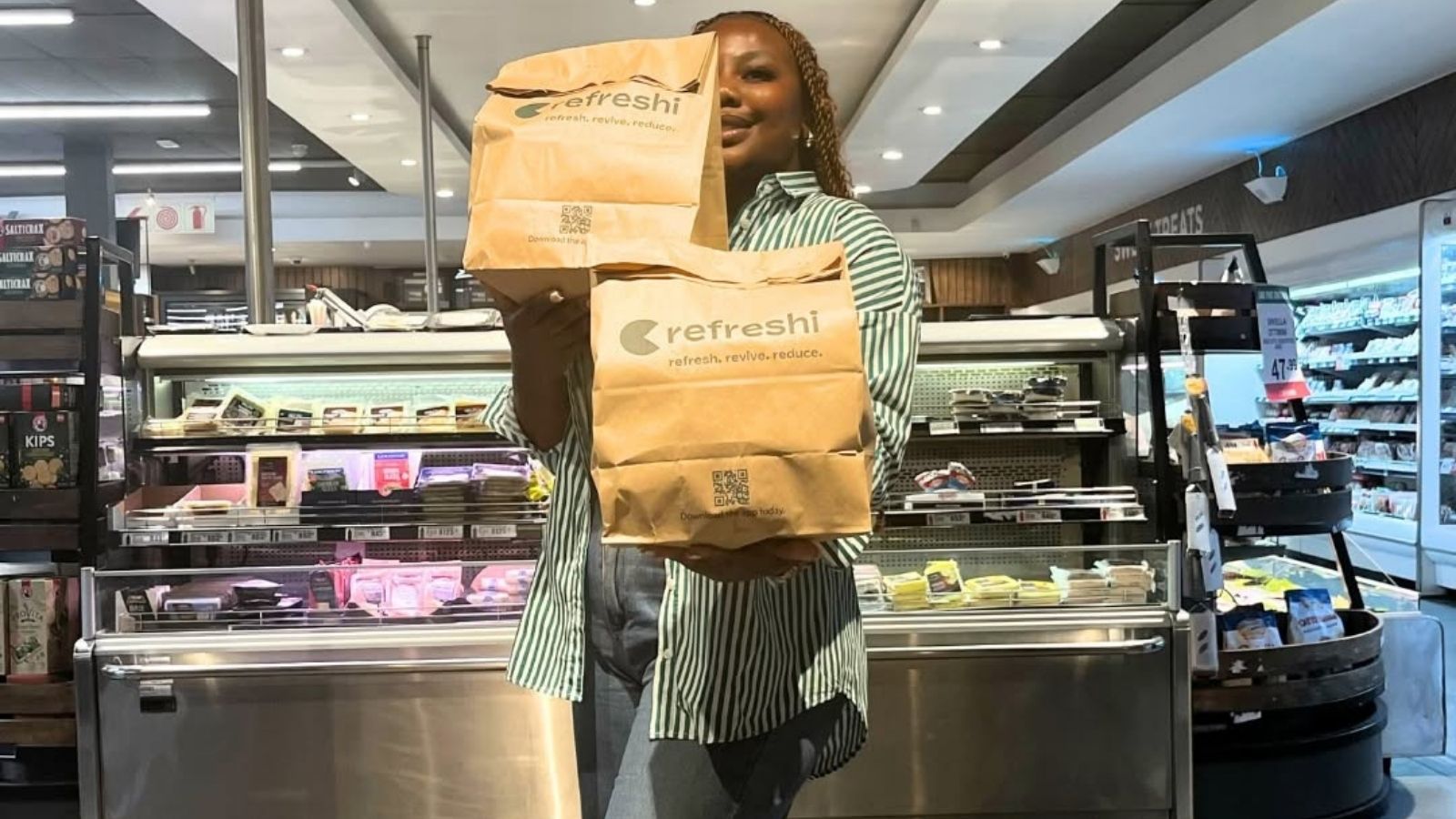
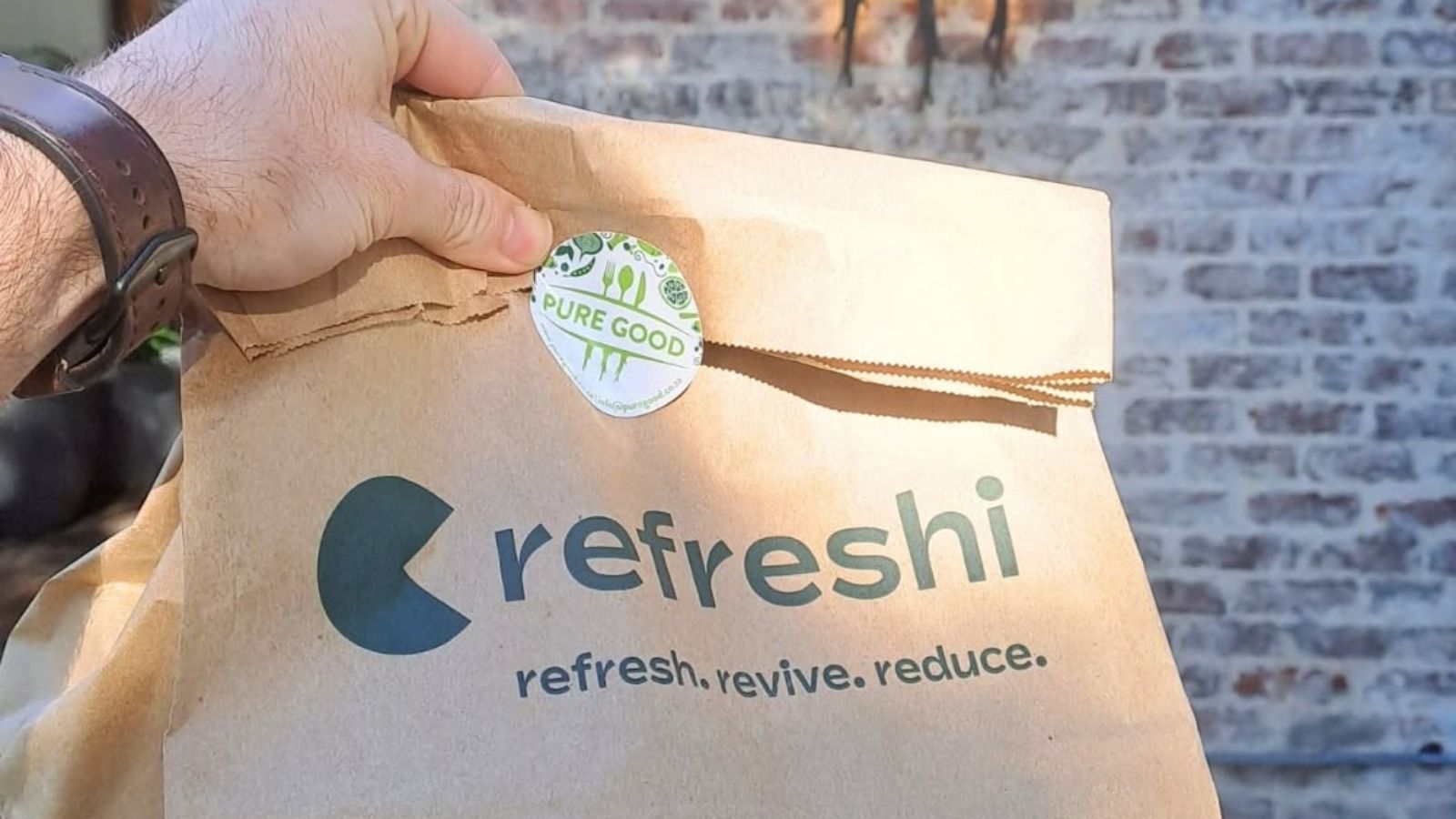
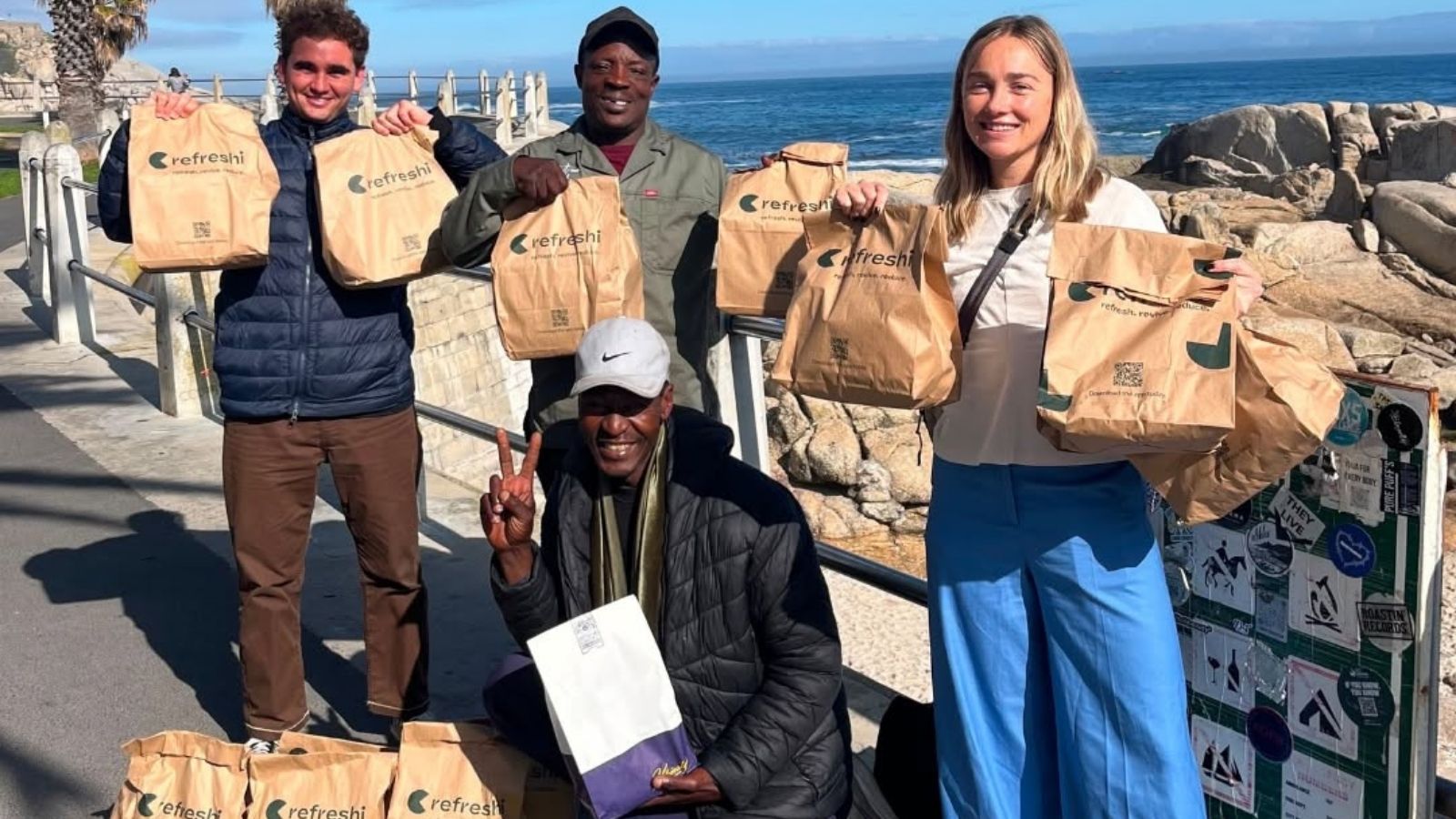
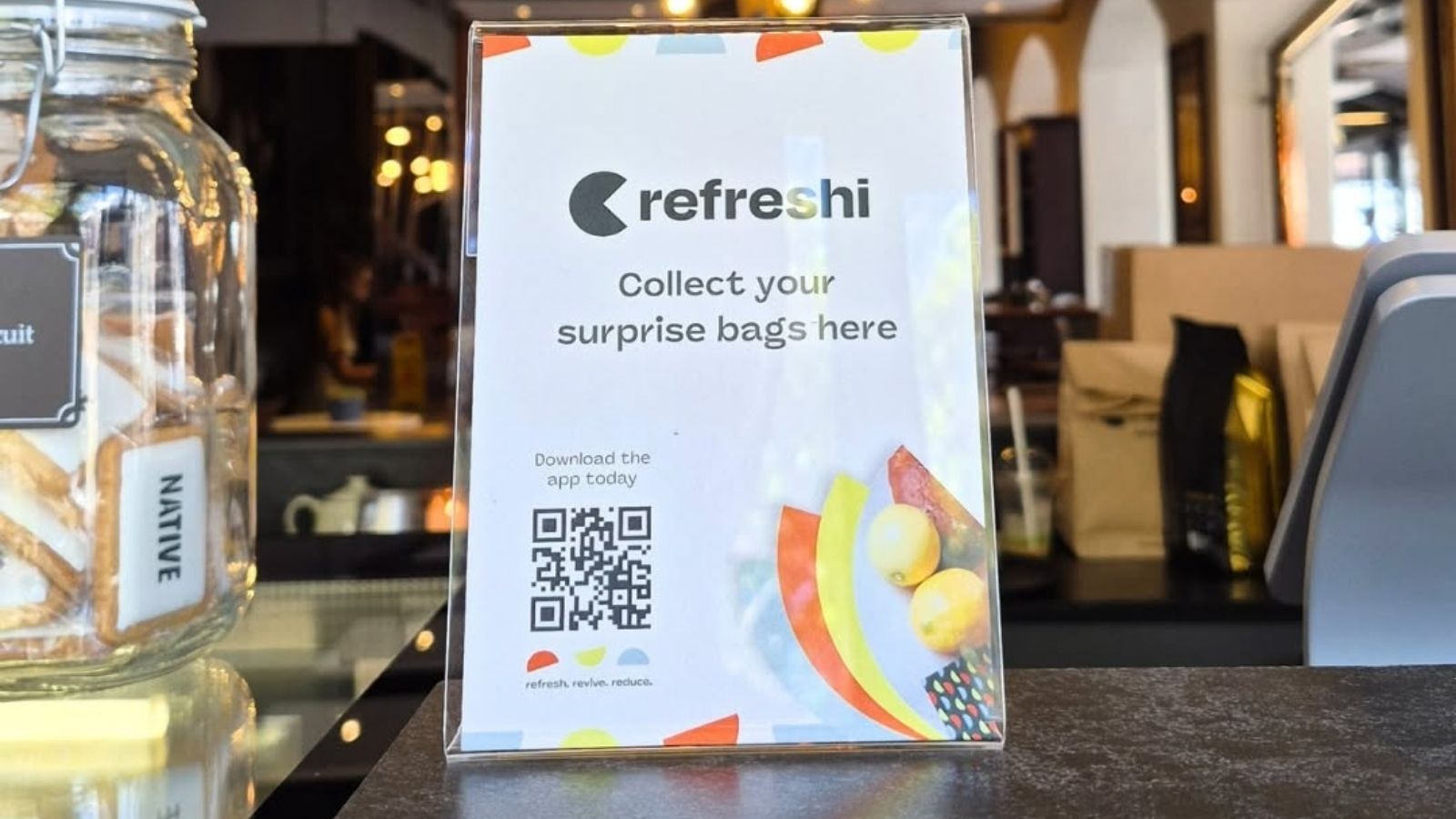
The company connects participating businesses with shoppers through an app, where users can reserve and pay for discounted “Surprise Bags”.
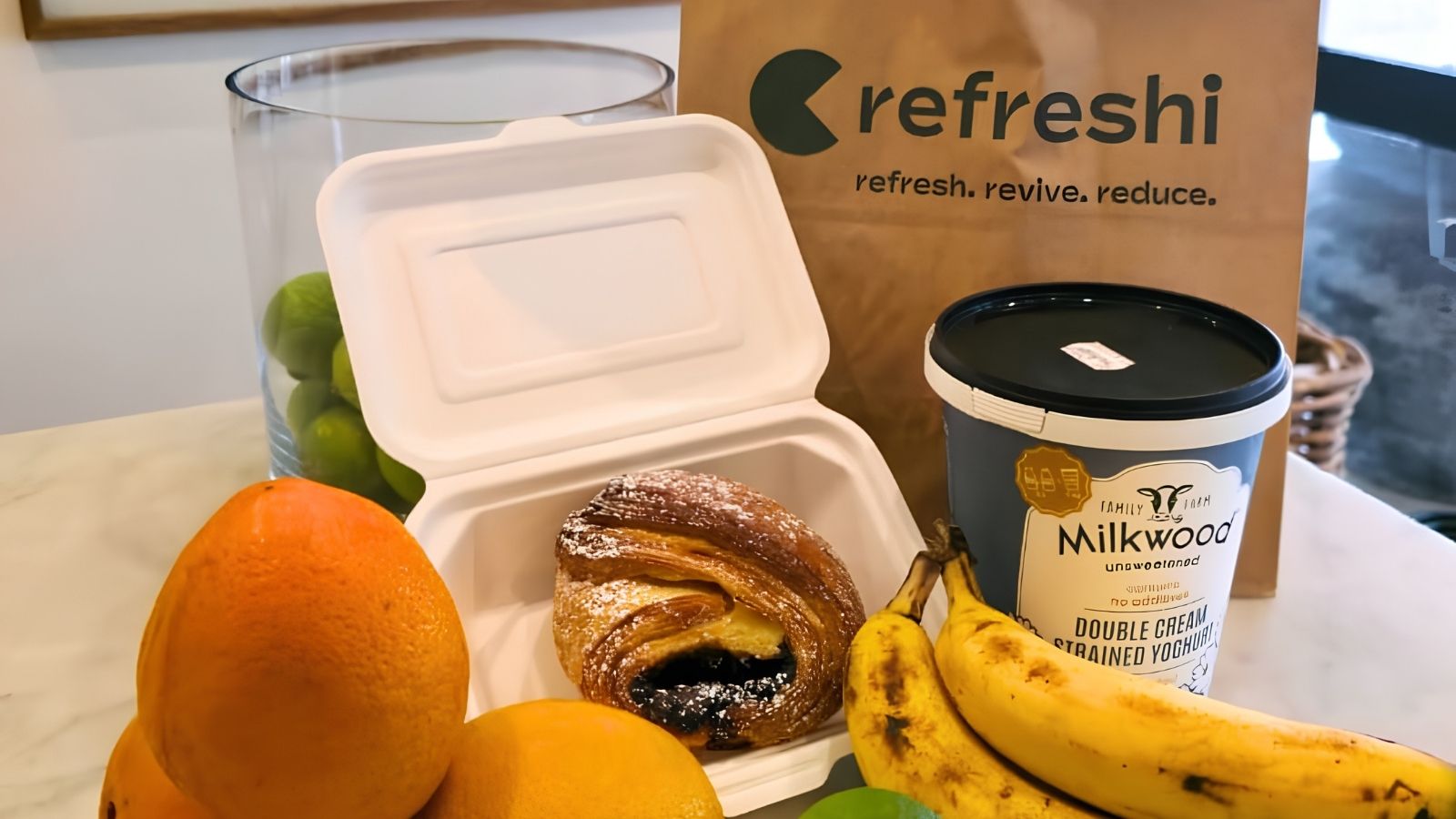
The contents are not known in advance, but the food is guaranteed to be fresh and is collected from the store during a designated time window.
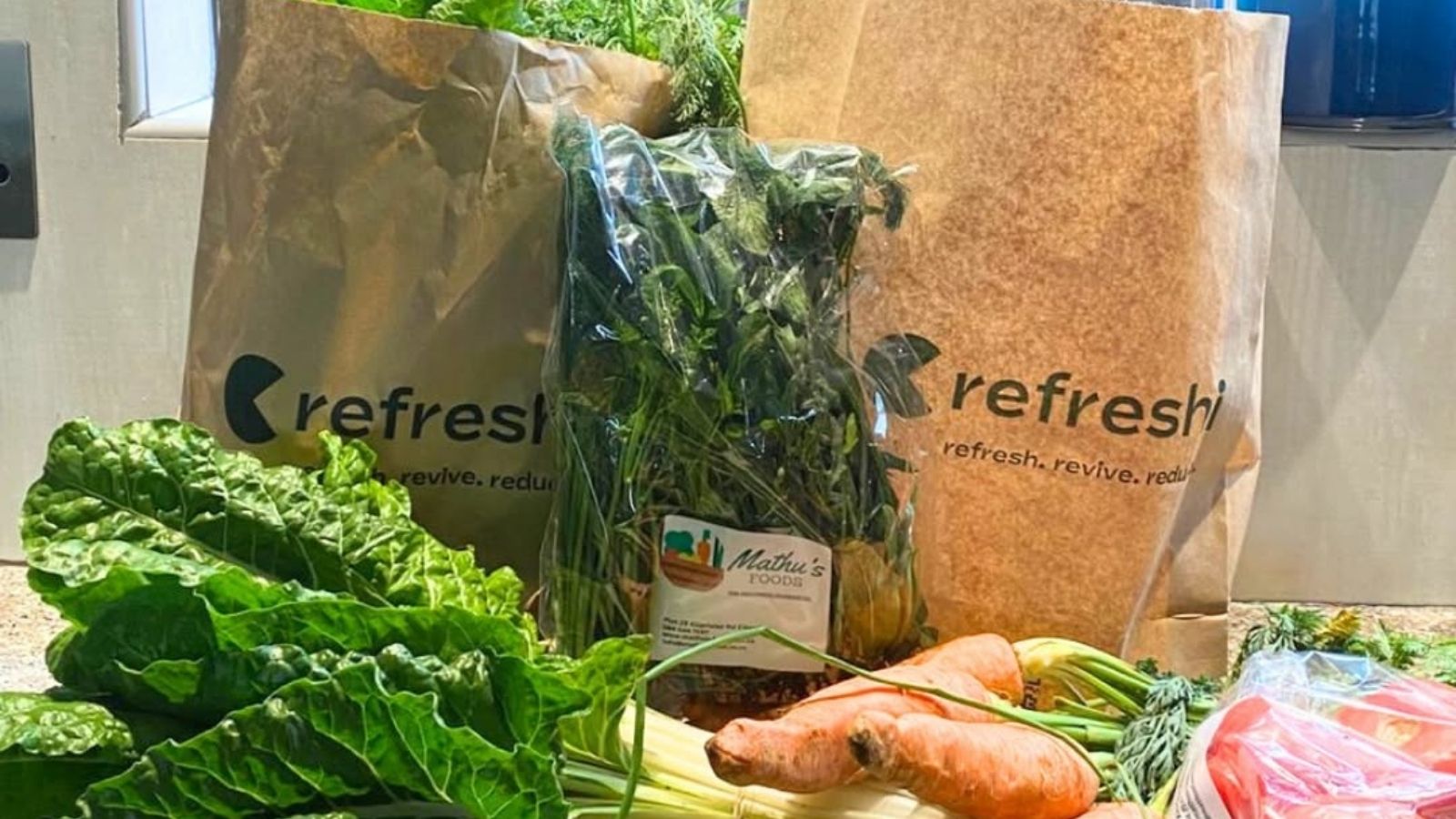
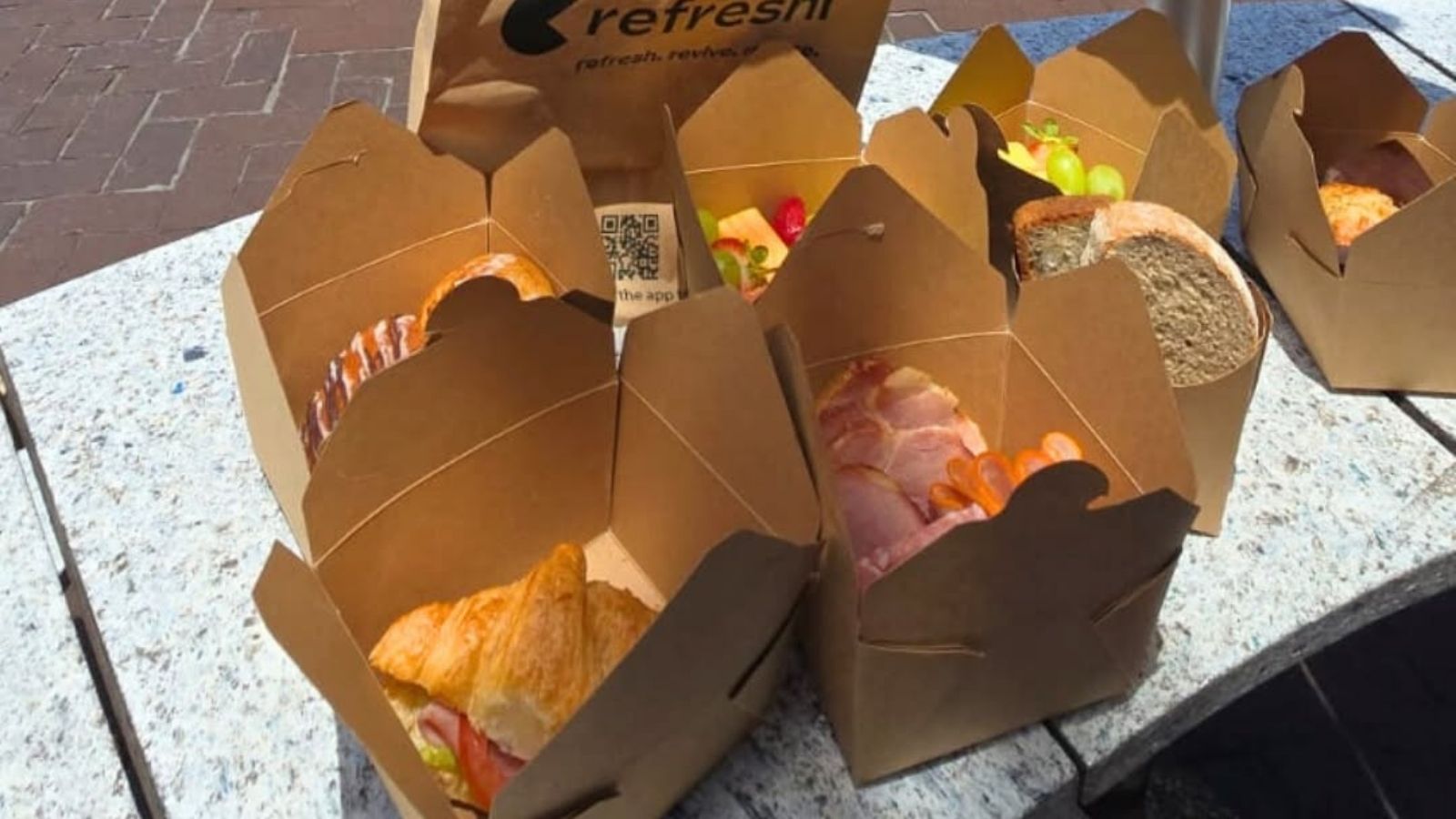
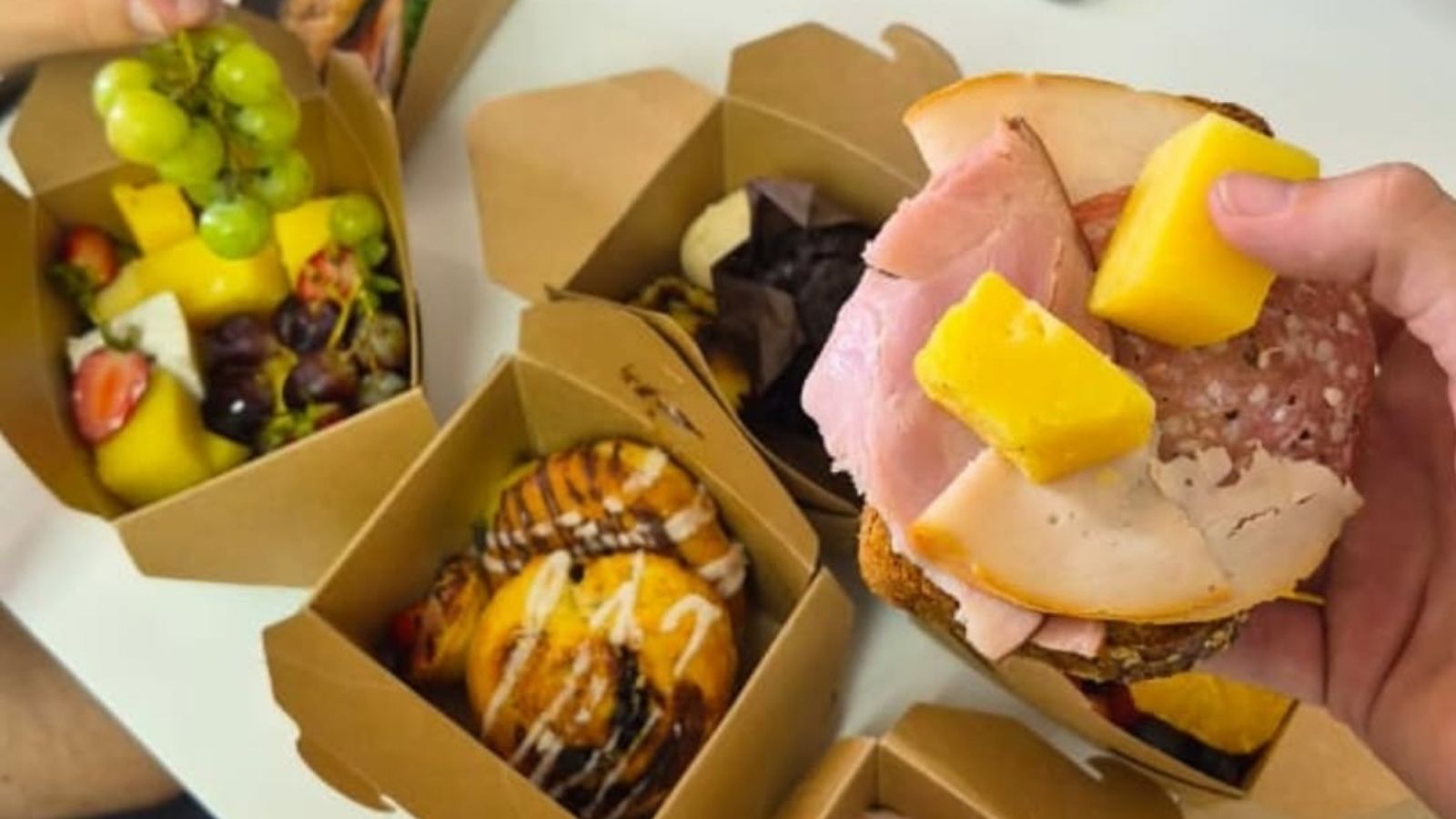
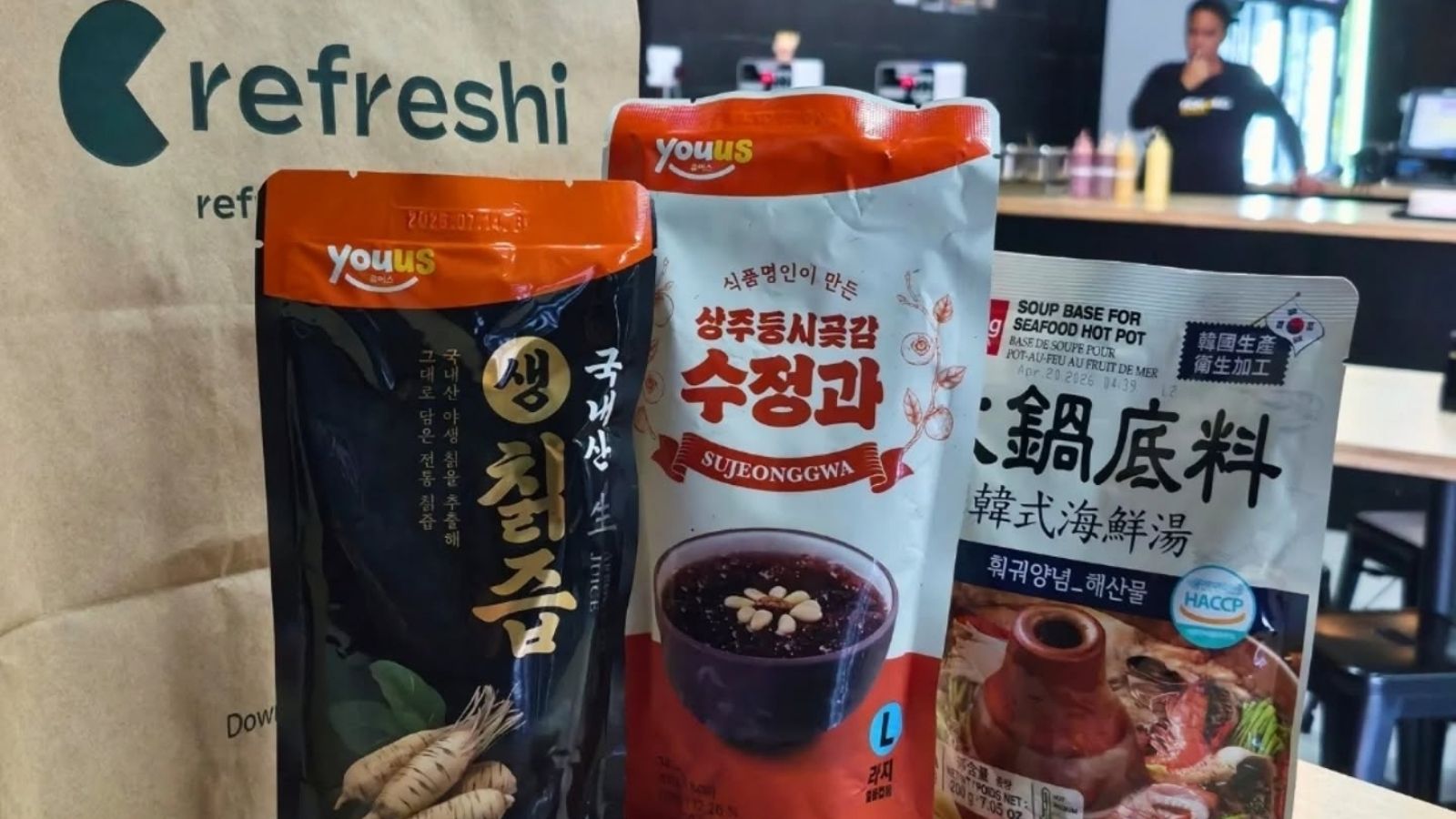
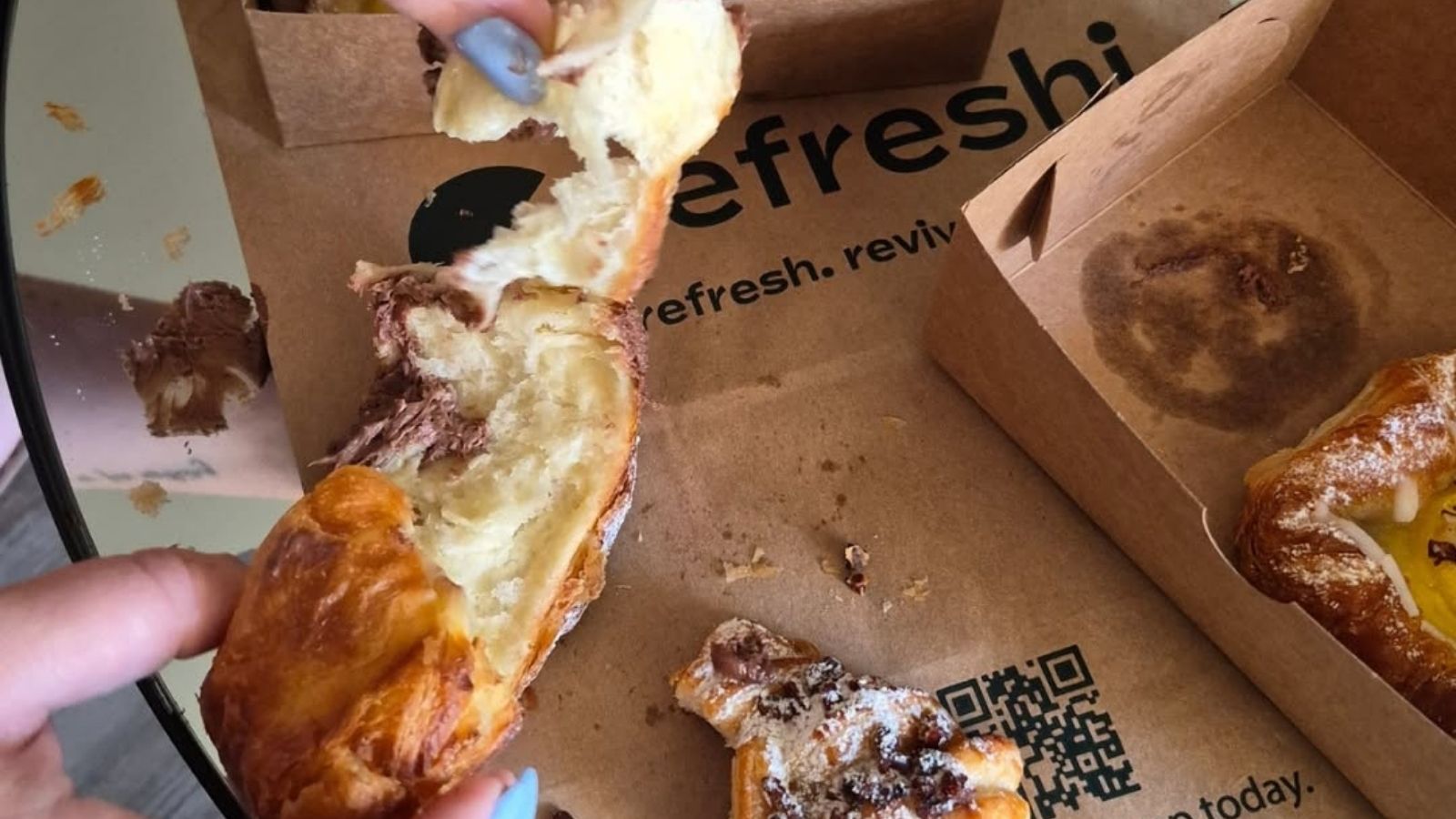
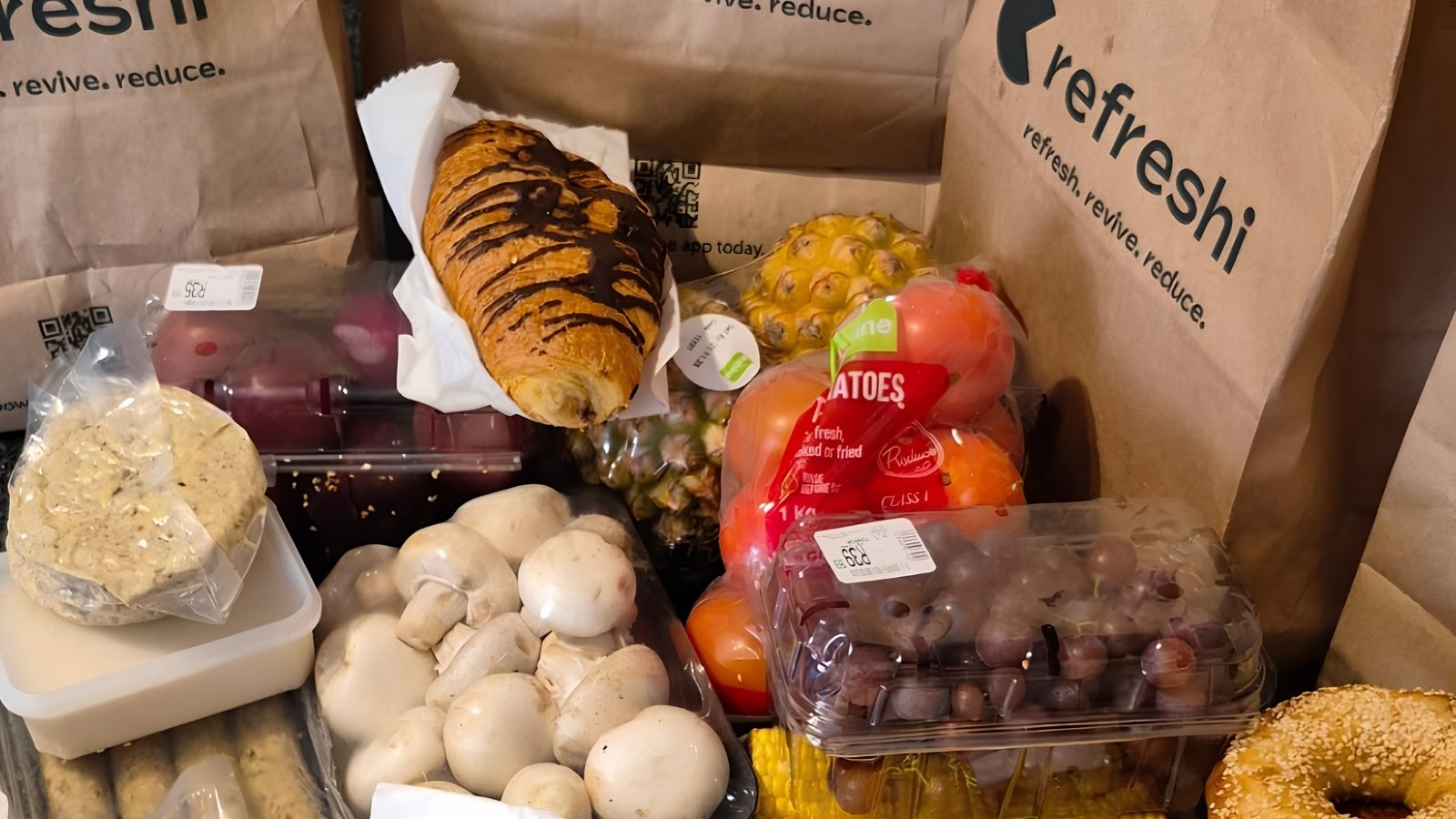
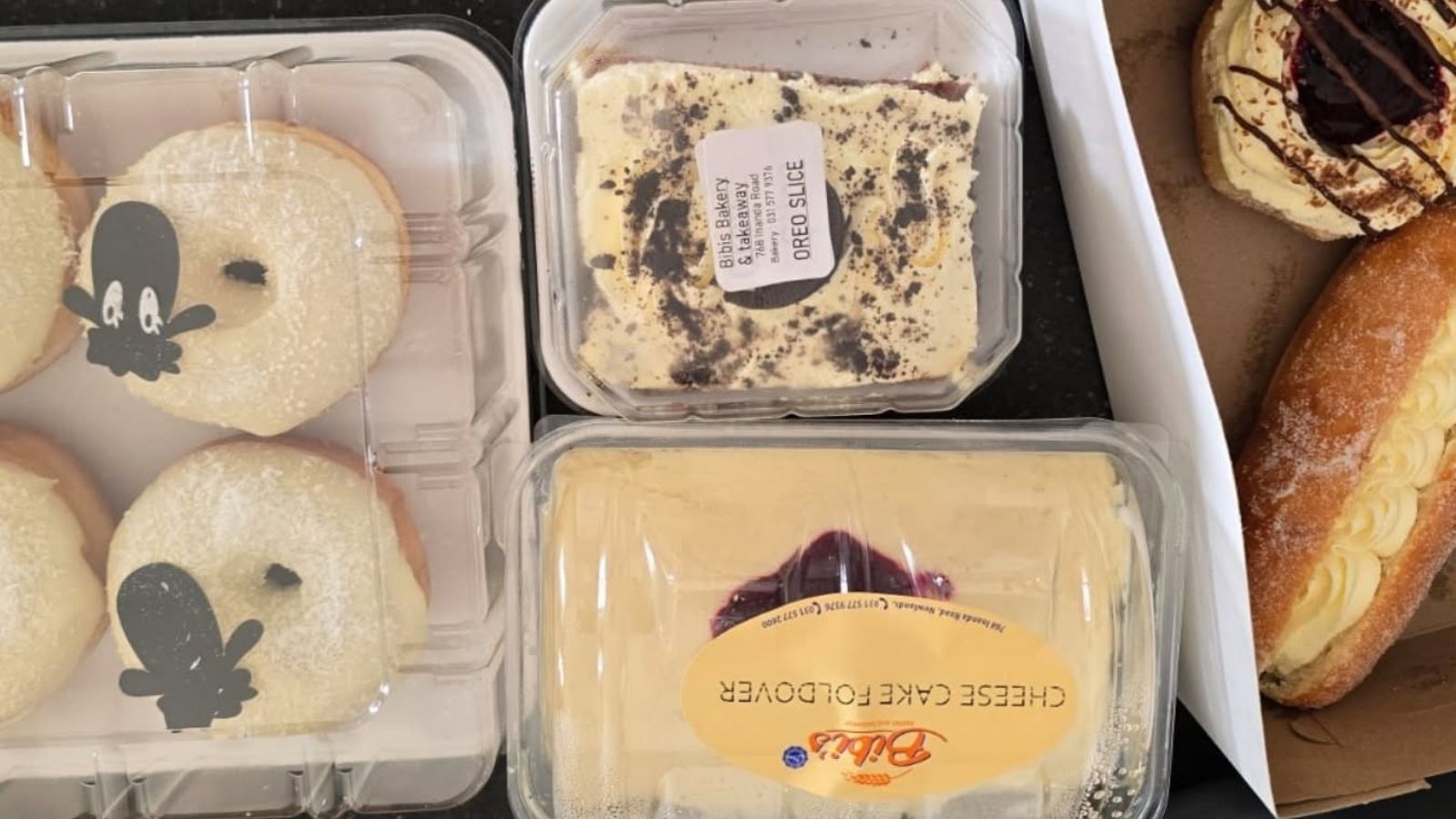
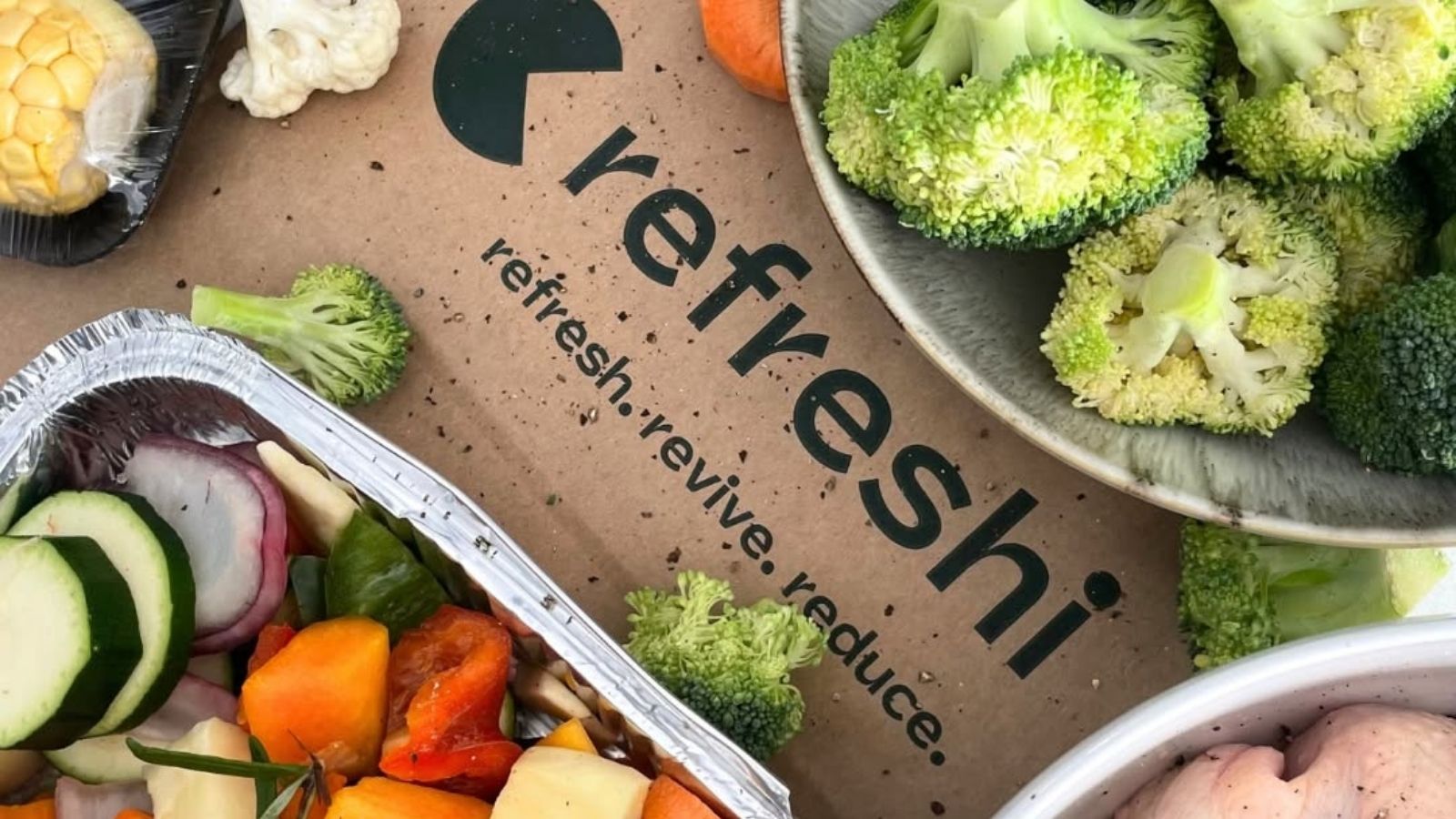
The bags are sold at 50% to 60% below their original retail value, with participating businesses deciding which surplus items to include. These can range from bakery products, fresh fruit, and vegetables to prepared meals.
Refreshi is available in Cape Town, Johannesburg, Pretoria, Durban, Gqeberha, George and Mossel Bay.
Its partners include SPAR, Bootlegger, Vida e Caffè, King Pie, Château Gâteaux, Vovo Telo, Ou Meul, Newmark Hotels and OK Mini Marts.
The business said it is adding between 10 and 15 stores a week and helping prevent more than 20,000 meals a month from ending up in landfills.
For retailers, the model offers a way to generate income from products that might otherwise have to be written off, while shoppers benefit from lower prices.
“Every loaf, punnet or plate of food that ends up in a bin is a loss twice over. The store has already paid for it, and a family down the road has gone without,” said Jakob Holbak, CEO and founder of Refreshi.
“R15 million paid back to stores shows that reducing food waste does not have to be a cost to business. It can recover value that was already being lost.”
Big expansion plans
Research conducted by Refreshi and the Consumer Goods Council of South Africa provides an indication of how the model is performing at individual stores.
The study covered 50 independently owned SPAR, SUPERSPAR, KWIKSPAR and SPAR Express outlets that participated in the initiative between April 2025 and July 2026.
These stores sold more than 23,200 Surprise Bags during the period. Monthly sales increased from 430 bags in June 2025 to 1,939 in June 2026, more than quadrupling in a year.
The findings also suggested that the variety of surplus food available can influence demand. Stores that offered bakery products alongside fresh fruit and vegetables sold 77% more bags per month than those that offered only one category.
The growth of the marketplace comes as food affordability remains a concern for households, while businesses face the cost of unsold stock.
“Food waste isn’t only an environmental issue, it’s becoming a cost-of-living issue for millions of South Africans,” Holbak said.
“Every Surprise Bag helps a family spend less on groceries while helping a business recover value from food that is still perfectly good to eat. That’s why we have seen such strong growth over the past year.”
Food recovery can also contribute to efforts to address hunger by keeping edible food in circulation rather than allowing it to go to waste.
Andy Du Plessis, managing director of FoodForward SA, said the partnership demonstrated how commercial food recovery could support hunger relief.
“Hunger in South Africa is not a problem of too little food. It is a problem of food not reaching the people who need it,” Du Plessis said.
“Partnerships like this one with Refreshi open another route for quality surplus food to reach people while giving ordinary South Africans an affordable way to be part of the solution this World Food Day.”
Refreshi allows participating retailers to either recover revenue from surplus food or donate the proceeds. Holbak said the company conservatively expected to exceed 2,000 participating stores within the next year.
More photos of Refreshi


















 Loading ...