

Growing threat for South Africa


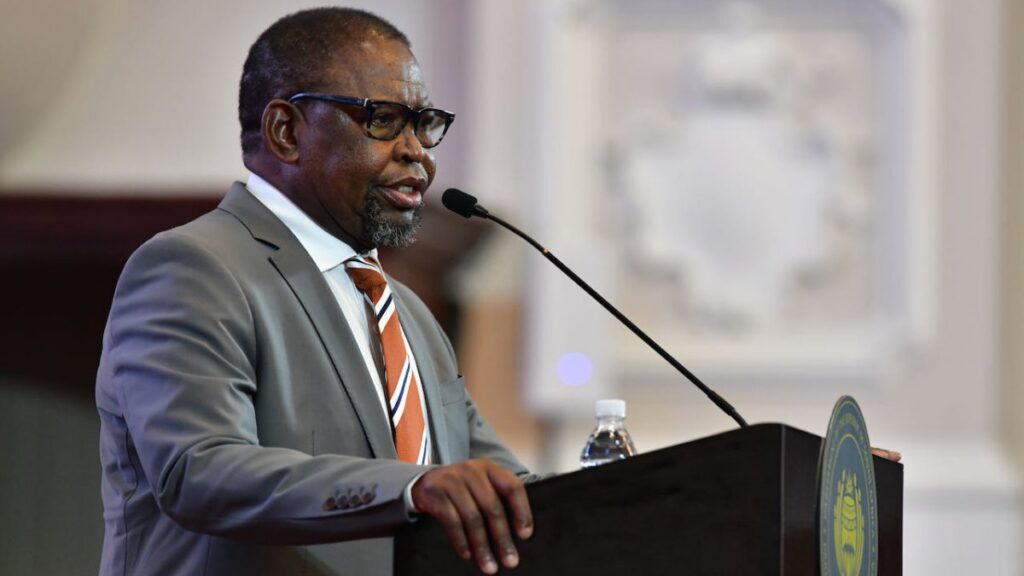
South Africa warned that rising municipal debt poses a growing threat to public finances, as the amount owed by financially distressed town councils continues to climb and local government elections loom, and said a legislative overhaul is underway to address the problem.
Debt owed by municipalities to creditors increased 19% to R185.2 billion in the year through June, the National Treasury’s medium-term budget policy statement released Wednesday shows.
The weakening finances of local and provincial governments were identified as a key fiscal risk.
The financial and operational performance of many municipalities was unsustainable, Finance Minister Enoch Godongwana said.
“It affects the delivery of basic services,” he said. “It undermines economic activity. And it erodes public confidence.”
The warning came just two weeks before a vote that will serve as a barometer of public anger over the slipshod provision of water, electricity and other basic services by municipalities that have been dogged by mismanagement and inadequate financial controls.
The deterioration in their finances also poses risks for state-owned companies.
Overdue municipal debt owed to the power utility Eskom alone climbed to R122.5 billion by 31 August, according to Electricity Minister Kgosientsho Ramokgopa.
Eskom has warned the figure could swell to R300 billion within five years if the problem remains unresolved.
The Treasury said financial distress across the public sector could spill over onto the national balance sheet, because Eskom and other entities may require additional funding and guarantees.
The power utility has already received R220 billion of a R230 billion debt-relief package announced in 2023 to help stabilise its finances after its borrowings ballooned.
To contain growing municipal debt and limit broader fiscal risks, the Treasury is proposing the first major overhaul of the Municipal Finance Management Act in more than two decades.
The reforms will make officials and politicians personally liable for irregular spending, empower the Treasury to appoint municipal chief financial officers and compel councils to account for unfunded budgets.


















 Loading ...