

Municipalities going after one group of homeowners in South Africa


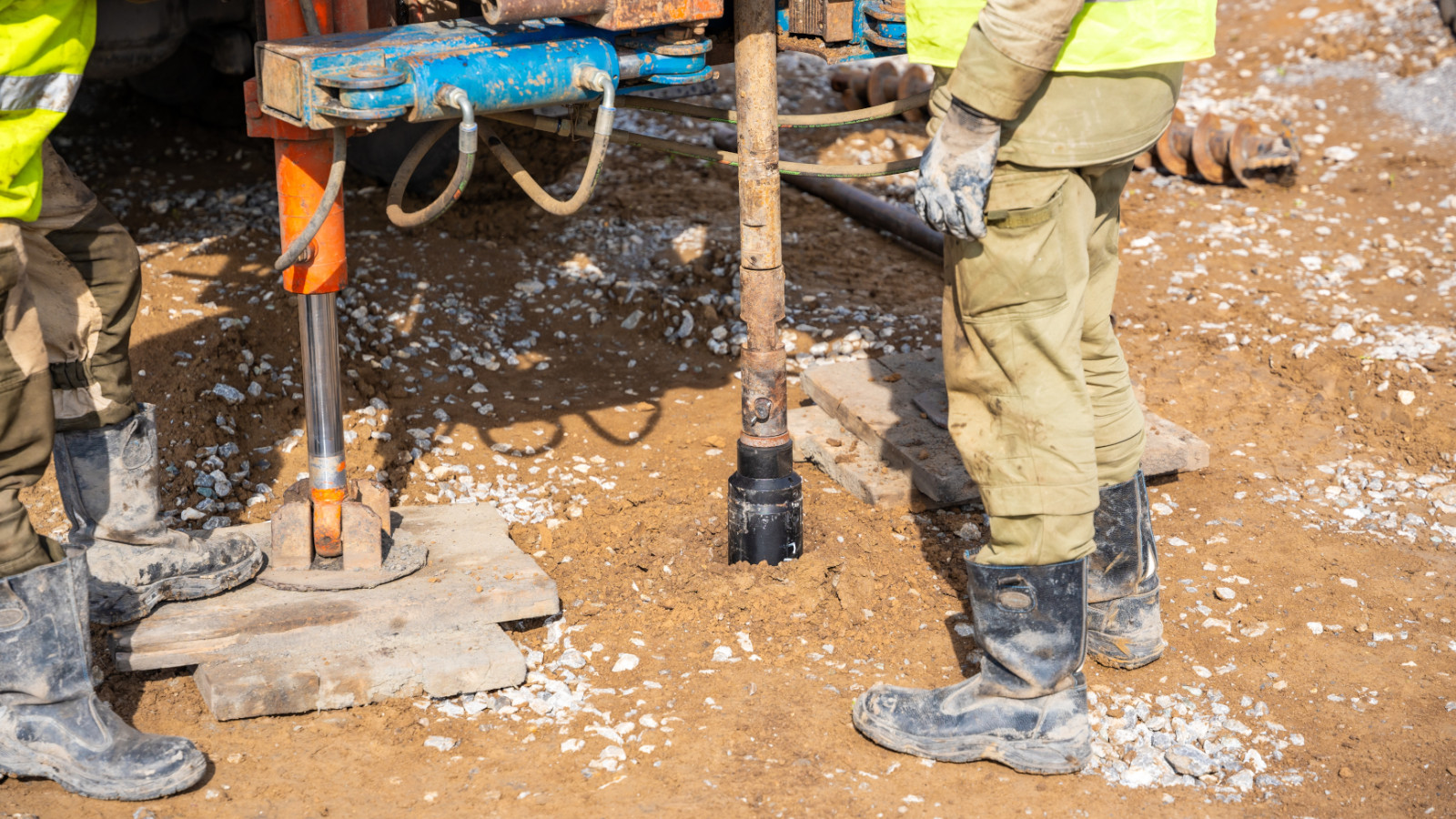
South African cities are charging homeowners with private boreholes monthly fees for accessing groundwater, targeting residents who have invested in alternative water supplies because of unreliable municipal services.
The charges have sparked criticism from civil rights groups and opposition councillors, who argue that residents should not be penalised for securing their own water while municipalities struggle to provide a reliable supply.
In Mbombela, Mpumalanga, properties with multiple boreholes face monthly charges of up to R8,953.20, while residential borehole owners pay R406.50 per borehole. Businesses are charged R877.12 per borehole.
Freedom Front Plus councillor Ken Robertson has criticised the Mbombela Local Municipality for maintaining the tariffs despite ongoing water shortages across its jurisdiction, which includes Mbombela, Hazyview, and White River.
Robertson said the party opposed the municipality’s decision to continue imposing monthly levies on private boreholes, and argued that residents were being charged extra after being forced to find alternative water sources.
In a recent council resolution, the ANC-controlled municipality rejected a Freedom Front Plus motion to scrap the monthly charges.
Several communities have experienced unreliable supplies for years, forcing residents to purchase water or rely on tankers.
According to a recent municipal document, R16.5 million has been budgeted for water tanker services between 1 October and 31 December 2026.
This works out to approximately R5.5 million a month, or about R66 million annually if spending continues at the same rate.
The document lists 46 tanker entries serving various wards and rural areas, of which only three are municipal water tankers, with the remainder supplied by contractors.
“The Freedom Front Plus insists that Mbombela drastically change its approach to water supply,” Robertson said.
He argued that money spent on transporting water should instead be directed towards permanent infrastructure.
This includes repairing and upgrading pipelines, developing local boreholes, and extending networks to underserved communities.
Robertson also called for greater transparency around water supply contracts, tender processes, costs and contractor performance.
“Water tankers have become a lucrative industry that warrants thorough investigation and transparent contract management,” he said.
Mbombela is not the only municipality facing criticism over borehole charges
In Mangaung, the municipality has maintained a monthly borehole service fee of R70 for properties without municipal water meters.
The charge is described as an infrastructure availability fee and applies even where the borehole is not connected to the property’s plumbing.
In Vryheid, under the Abaqulusi Local Municipality, a R133 monthly borehole tariff has also generated controversy.
Residents and civil rights groups have challenged its introduction, particularly after some homeowners reportedly received the charge despite not having boreholes.
AfriForum’s environmental affairs manager, Lambert de Klerk, said municipalities needed to explain the basis for the charges.
“There is a significant difference between someone who uses borehole water for household purposes and someone who uses their borehole exclusively to water their garden,” he said.
“If the water does not enter the municipal sewage system, one has to ask on what grounds the resident is required to pay the same fixed sewerage levy.”
De Klerk said municipalities were entitled to recover the costs of services they provided, but residents should be protected against charges that could not be properly explained, calculated and justified.
The municipal disputes come as the Department of Water and Sanitation has clarified that households using borehole water for reasonable, non-commercial domestic purposes do not need to register their groundwater use under national water regulations.
The exemption also covers small, non-commercial home gardens, with no prescribed volume threshold for qualifying domestic use.
However, the national exemption does not automatically prevent municipalities from imposing local infrastructure or service charges under their own tariffs and bylaws.
This means homeowners may not need to register their domestic boreholes nationally but could still face municipal charges, depending on where they live and how local tariffs are structured.

















 Loading ...