

These stores are illegal in South Africa – but there’s one in almost every shopping mall


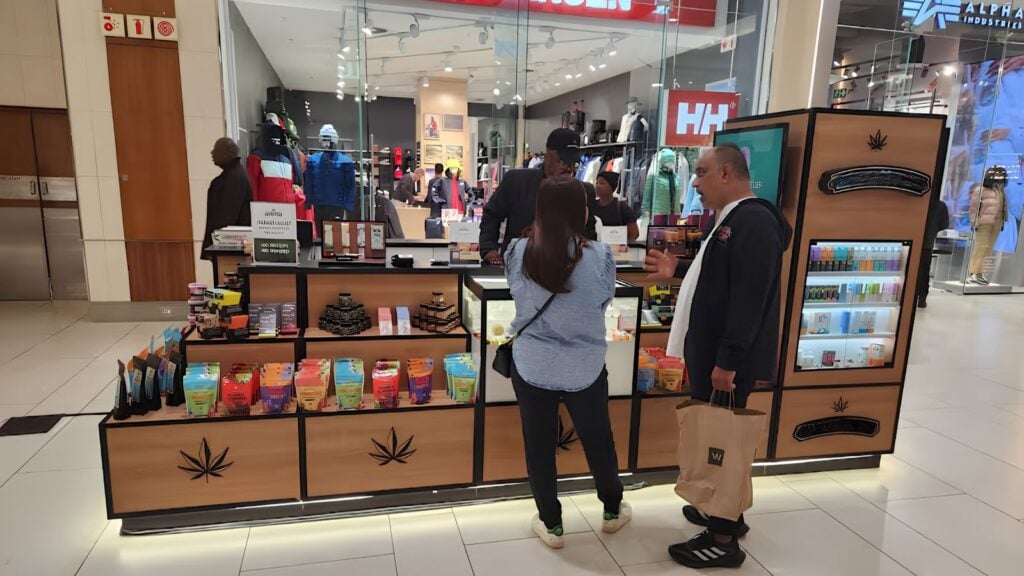
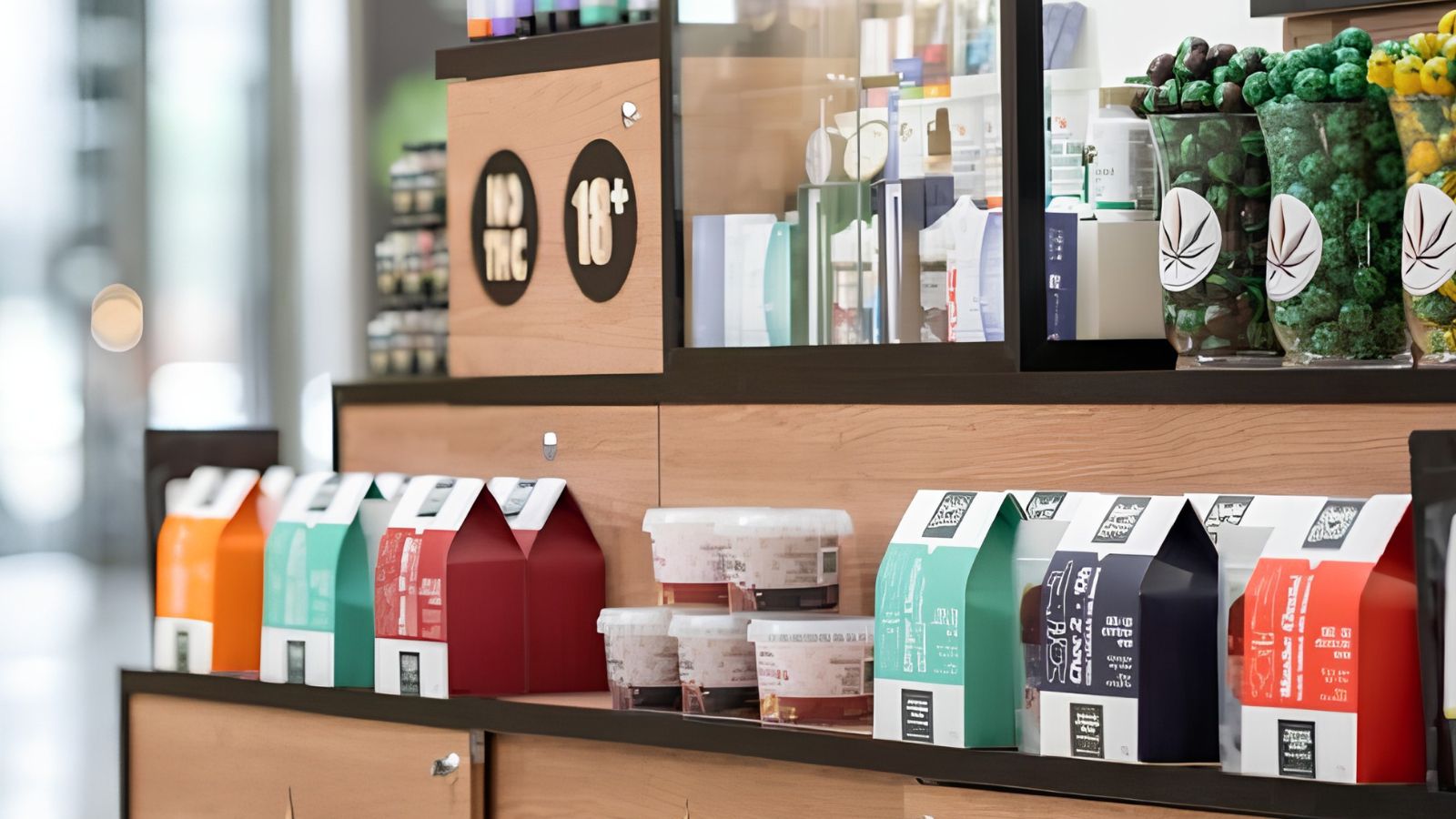
A law expert has warned that outlets selling cannabis products are technically illegal in South Africa. This is despite hundreds of stores and boutiques operating across and in major shopping malls.
Speaking in an interview with 702 Drive, specialist cannabis and environmental lawyer at Cullinan & Associates, Paul-Michael Keichel, said South Africa’s cannabis laws are absolutely clear, but they seem to have confused everybody.
He argued that the rapid spread of cannabis dispensaries and retail stores has created a widespread misconception that selling cannabis is legal.
According to Keichel, much of the confusion stems from the 2018 Constitutional Court judgment on private cannabis use, combined with the fact that the Cannabis for Private Purposes Act, enacted in 2024, has not been operationalised.
As a result, he stressed that cannabis remains regulated under the Drugs and Drug Trafficking Act, which “says that any trade in cannabis is illegal and could land you in prison.”
Keichel explained that the current legal framework does not authorise general commercial cannabis sales.
“The only exception to being deemed a drug dealer is if you hold a licence in terms of the Medicines Act, read together with the Pharmacy Act,” he said.
This refers to registered medicinal cannabis products dispensed through the appropriate regulatory channels.
He noted that the Cannabis for Private Purposes Act does not legalise cannabis retailing but instead “foreshadows” a future regulatory system.
This means the government could still introduce legislation, such as amendments to the Business Act or an entirely new commercial cannabis law, that would legitimise the industry.
Despite cannabis stores appearing on every street corner, Keichel believes the expansion reflects government delays rather than legal certainty.
“Some of the blame needs to go towards government inaction,” he said, pointing out that Parliament took around five years to pass the Cannabis for Private Purposes Act after being given a two-year deadline following the 2018 judgment.
Possibility of prosecution
He also noted that President Cyril Ramaphosa has repeatedly promised to accelerate cannabis liberalisation in successive State of the Nation Addresses, with nothing to come of it.
Keichel argued that many entrepreneurs have simply stopped waiting for legislative reform. “What you’re actually seeing is a whole lot of people who want to make money out of cannabis who are just done with waiting and are pushing ahead despite knowing that it’s illegal.”
He also said enforcement has become inconsistent, and many members of the South African Police Service are too busy with other things and have given up on enforcing cannabis.
In his view, officers “actually don’t care anymore, either that or they are being bribed to turn a blind eye,” although he added that this varies by jurisdiction and must be assessed on a case-by-case basis.
If police were to launch a coordinated crackdown on cannabis retailers, Keichel believes prosecutions would be relatively straightforward under existing legislation.
“I think it would be a very easy prosecution, and you could face more than a large fine. You could face many years in prison,” he said.
While he questioned whether the government has a “coherent or reliable policy when it comes to cannabis,” Keichel warned that the lack of regulation creates consumer risks beyond legal uncertainty.
“What we’re really lacking in this instance is regulated quality control. We don’t know, because there are no licences, that the cannabis that is being dispensed to people is actually fit for human consumption,” he said.
He added that anecdotal reports regularly emerge of consumers having very bad experiences because they actually just don’t know what they’re purchasing.
















 Loading ...