

Top economist expectations for interest rates in South Africa this week


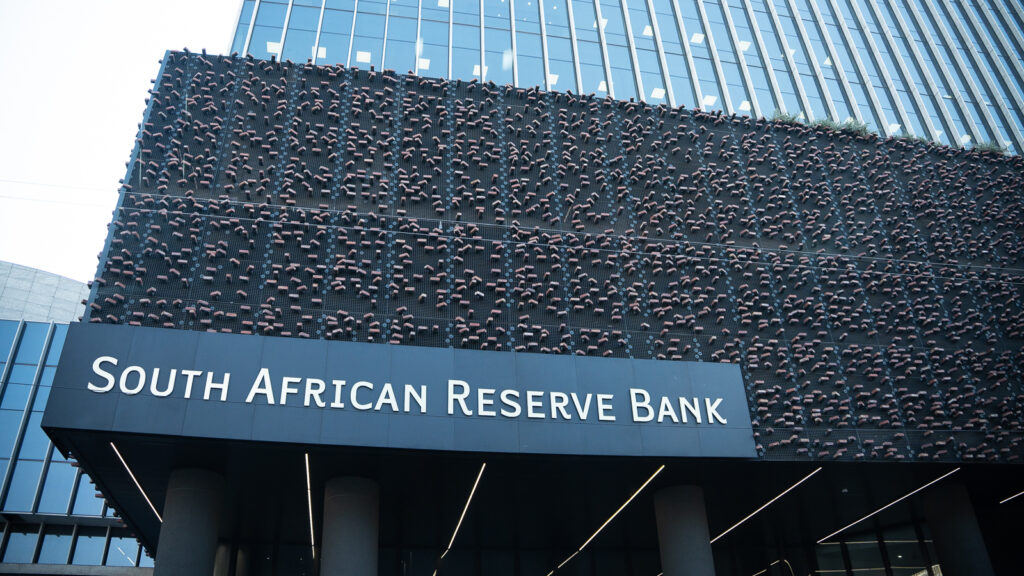
The South African Reserve Bank (SARB) will make its next interest rate decision on Thursday, 23 July, with economists divided over what will happen.
The SARB was widely expected to cut interest rates at the start of the year, with inflation sticking around the new 3% target.
However, the attacks by the United States and Israel on Iran and the subsequent closure of the Strait of Hormuz led to massive oil and fuel price increases in South Africa.
Inflation has thus risen rapidly in South Africa, reaching 4.5% in May from 4,0% in April. Inflation is expected to reach 4.7% in July.
Amid rising inflation, the Monetary Policy Committee (MPC) of the SARB decided to increase the repo rate by 25 basis points at its May meeting.
This increased the repo rate to 7.0% and the prime rate to 10.5%, with Governor Lesetja Kganyago noting that further hikes may be necessary to bring inflation under control.
Optimism rose in June after the United States and Iran announced a ceasefire and the reopening of the Strait of Hormuz.
However, peace between the two countries has since ended, with a return of attacks between the two nations and fears over a return to a full-scale war.
Amidst the volatile economic environment, economists across South Africa are divided over what the MPC will decide at its meeting, but many are leaning towards a hike.
Investec

Investec Chief Economist, Annabel Bishop, said that the SARB is now expected to hike by 25 basis points next week.
“A hike would be seen by the SARB as reducing the need for more severe interest rate hikes down the line, having a quicker and more substantial impact on reducing inflation,” said Bishop.
She noted that a key consideration for second-round inflation looks at salaries and wages, which can entrench inflation at a higher level.
She added that there has been no change in expectations for salaries and wages, which leaves the probability of a hike in July around 50%.
However, the SARB tends to be hawkish and also believes that an earlier interest rate hike has a greater effect on reducing inflation than one later.
Amid heightened uncertainty about next week and the rest of the year, the probability of a 25 basis point hike is higher.
Nedbank

Nedbank’s economists expect the MPC to hike the repo rate by another 25 basis points as well due to the ongoing conflict in the Middle East.
“With the war intensifying and the risk of physical oil shortages rising, the MPC is likely to conclude that the risk of a renewed upsurge in local fuel prices is high,” they said.
“On top of these worries, the outsized impact of rising fuel prices on inflation expectations will weigh on policymakers.”
The MPC hiked rates in May in anticipation of inflation risks materialising. That said, the rise in inflation has eroded the real policy rate to around a neutral level.
This means that monetary policy is neither restrictive nor stimulatory. “Current circumstances likely require a more restrictive stance to minimise the second-round effects of the energy price shock.”
PSG Financial Services

Amid expectations of a tight interest rate hike, PSG Financial Services Chief Economist Johann Els believes the decision will be a hold.
Els said that the MPC’s pre-emptive 25 basis point rate hike in May would make it unlikely that a follow-up hike in July would be needed.
He admitted that the renewed conflict in the Middle East over the last week and the increase in oil prices made the call more difficult. Oil prices have increased, and fuel under-recoveries have also widened.
“On the other hand, there are also good reasons to leave interest rates unchanged. The inflation expectations survey was conducted when oil prices were above $100 per barrel,” said Els.
“Even after the recent increase, oil prices remain well below those levels, suggesting the survey probably overstates current inflation risks.”
Els sees the call being incredibly tight, with some members favouring another rate hike while others argue that the May increase was enough to keep inflation at bay.
Bank of America

Bank of America, however, expects an interest rate hike next week, bringing the repo rate to 7.25%, with inflation above the SARB’s preferred upper-end.
While Tatonga Rusike from Bank of America expects the MPC to hike rates by 25 basis points in the July meeting, the MPC is then expected to hold.
However, he also does not believe that the call to hike is unanimous across the MPC’s six members. The last vote was split 4-2.
“The case for a hold has strengthened somewhat because oil prices have fallen after the mid-June Iran ceasefire,” said Rusike.
“But we lean towards a hike because inflation expectations have moved higher and inflation remains above the SARB’s comfort range.”
















 Loading ...