

The South African who went from sailing yachts to building one of the world’s top wine brands


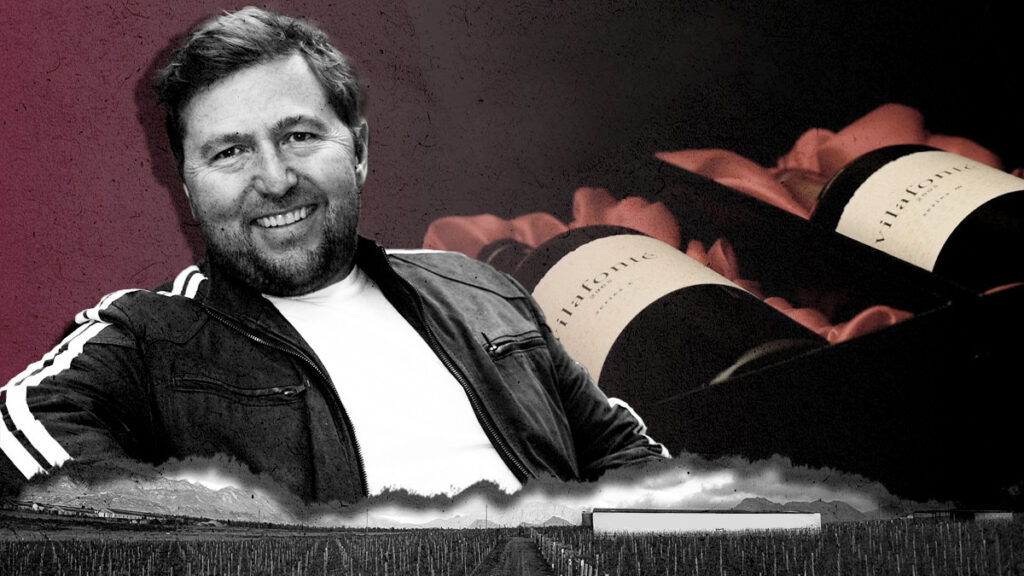
Mike Ratcliffe is a South African who went from sailing yachts to co-founding one of South Africa’s top wine brands, Vilafonté.
Ratcliffe grew up on Warwick Estate, a Stellenbosch farm his father bought in 1964. His mother, Norma, was one of South Africa’s first female winemakers.
She was a Canadian chemist who shifted her focus and talents to wine and helped build the family business.
“Wine runs thick in my blood. There may or may not be one or two photos of me stomping grapes at 5 or 6 years old. Back then, it wasn’t work, it was a lot of fun,” said Ratcliffe.
From a young age, Ratcliffe said he saw how much time and care it took to make good wine. “You only get a few opportunities to improve,” he said.
“You have to do the same thing every year and wait. It takes three or four years to get grapes from a vine, and then more years to release the wine.
After finishing a business degree in South Africa, Ratcliffe explored a different passion, which was sailing.
He became a qualified Yacht Master and completed several Atlantic crossings. But eventually, he returned home to help run Warwick Estate.
Before taking over as managing director, he persuaded his parents to support him in studying wine marketing and completing a Wine MBA in Australia.
In the early 1990s, Ratcliffe met American wine experts Dr Zelma Long, a respected Californian winemaker, and Dr Phil Freese, a renowned viticulturist, visiting South Africa as guests of the Cape Wine Producers Association.
Ratcliffe said they were impressed by the country’s old soils and the potential for quality wine.
They decided to start a joint venture with Ratcliffe. In 1997, they launched Vilafonté, a new winery focused on making top-quality red blends. Vilafonté is named after the ancient “Vilafontes” soils where its vines grow.
Quality over quantity
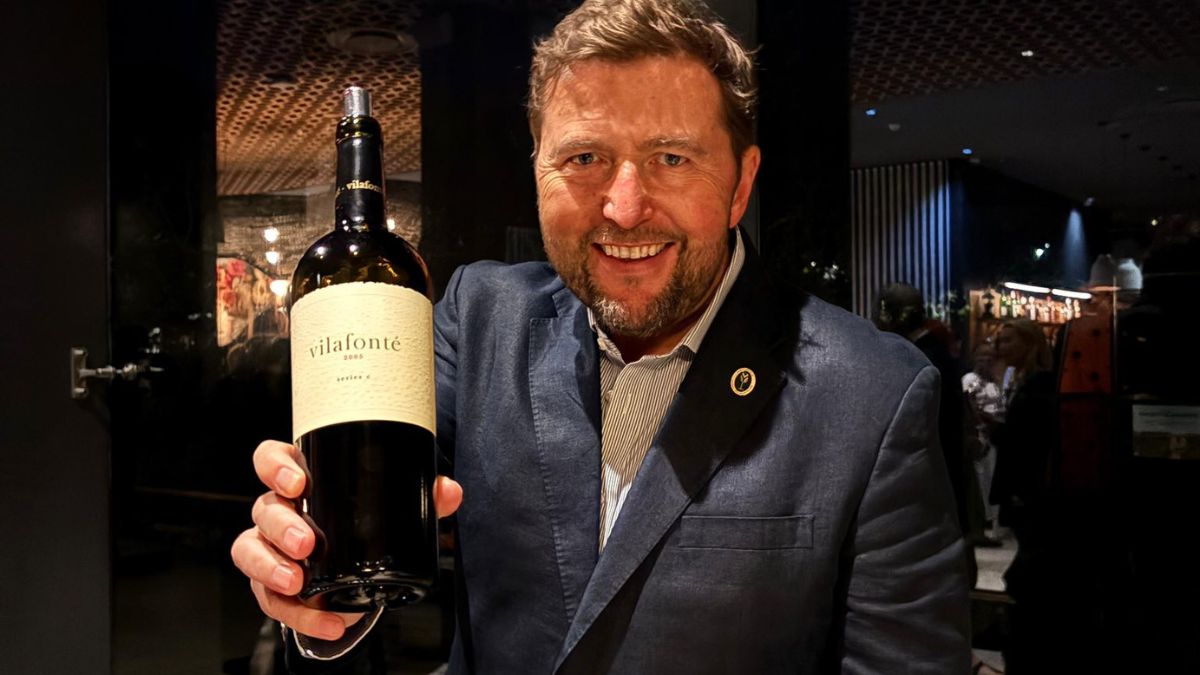
The original plan was to make one great wine. But after studying the vineyard, Long told Ratcliffe there were two distinct wine styles, and she refused to blend them.
That decision led to the creation of two wines: Vilafonté M, led by Merlot, and Vilafonté C, led by Cabernet Sauvignon. A third wine, their second label, was later added and called “Seriously Old Dirt.”
Vilafonté’s first official vintage was in 2003, as the 2002 crop didn’t meet their standards. Since then, the brand has gained respect both locally and internationally for its quality and attention to detail.
Ratcliffe said he learned a lot from Long and Freese. “There’s no silver bullet in the pursuit of greatness in wine. What separates the good from the great is attention to a myriad of single factors, each one critical.”
In 2017, Ratcliffe sold Warwick Estate to a Silicon Valley fund to focus entirely on Vilafonté. A few years later, Long and Freese retired and sold their shares to Ratcliffe.
Though retired, he said they still visit and get involved in harvests. The business now produces fewer than 50,000 cases a year, with a strong focus on quality over volume.
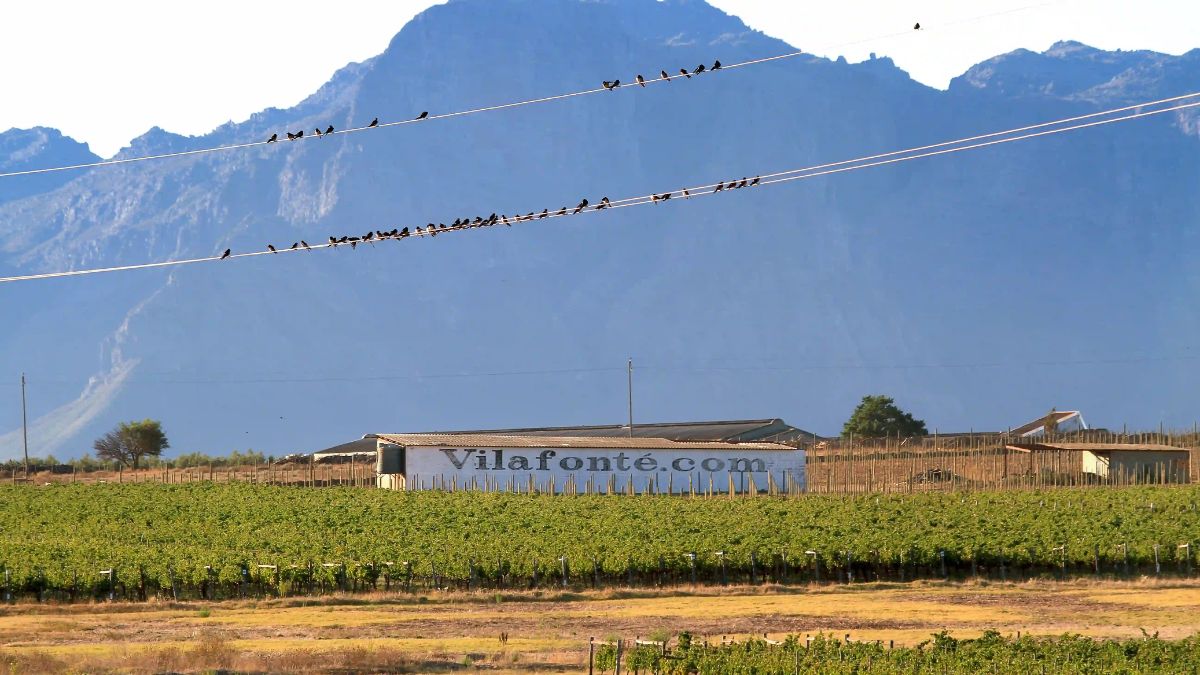
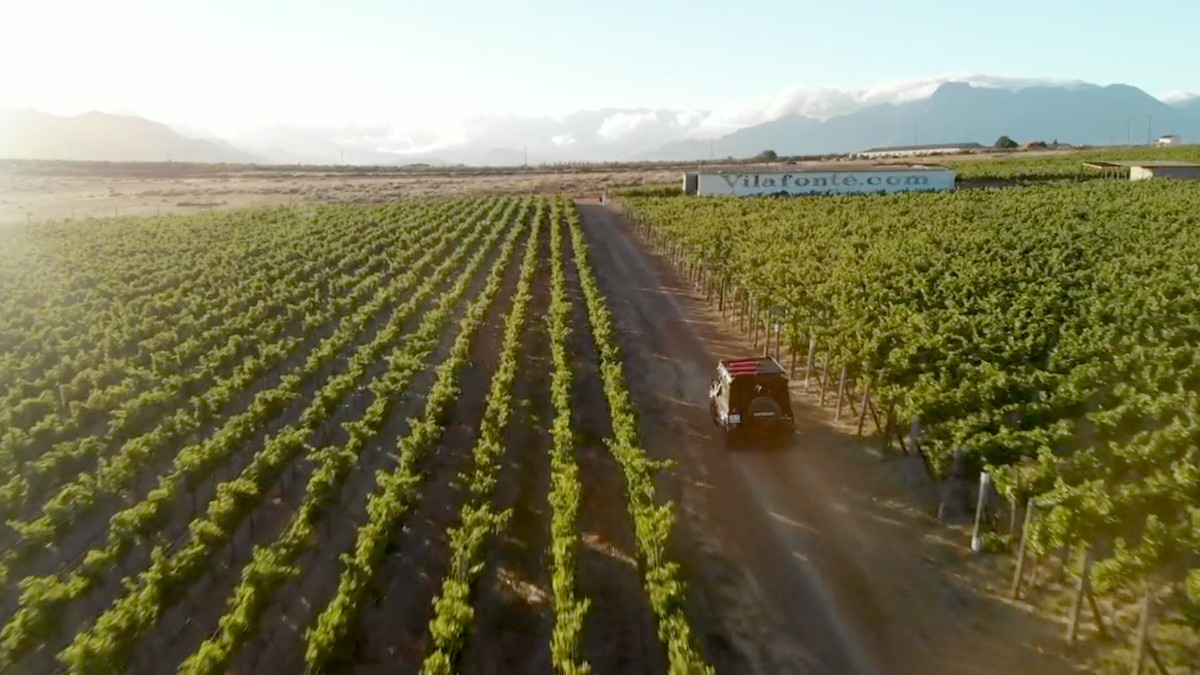
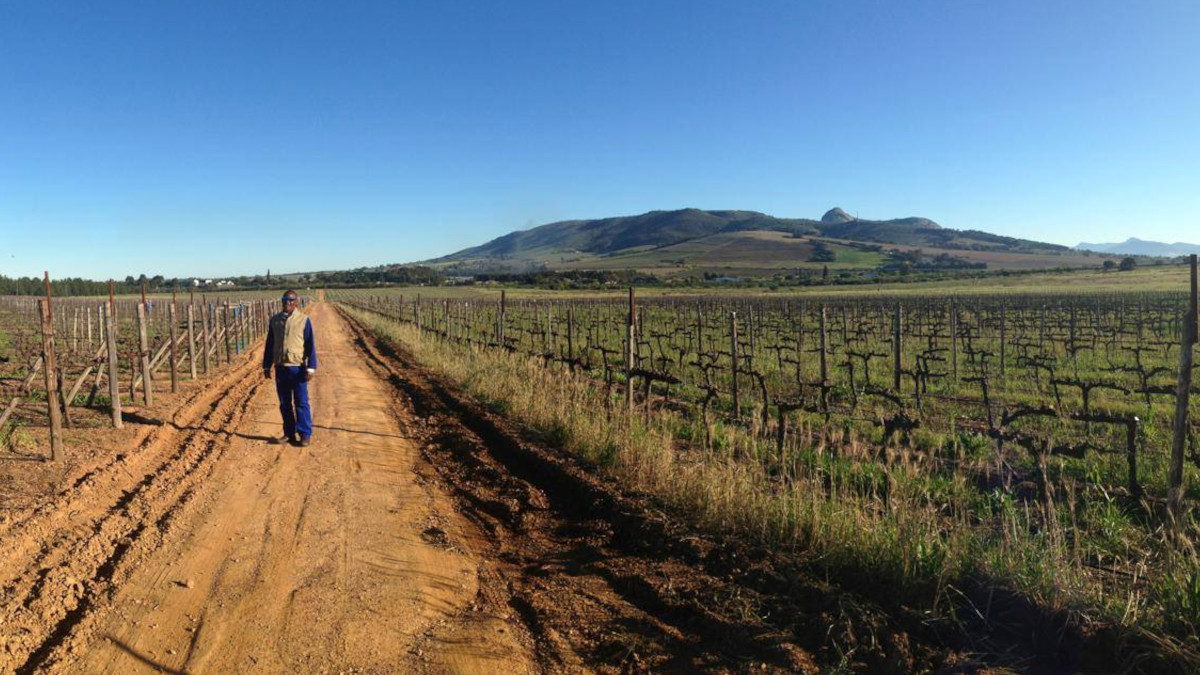
The Vilafonté estate is located at the foot of Simonsberg mountain in Paarl, South Africa. It was founded in 1997 and today comprises 42 hectares of land planted with a Bordeaux blend of Cabernet Sauvignon, Cabernet Franc, Merlot, and Malbec.
Under general manager Sophia Hawkins, the team continues making small red blends for the high-end market.
Ratcliffe has twice been nominated for the Wine Star Award for Global Innovator of the Year, an indication of how he’s both Vilafonté and the broader South African wine industry.
Under his guidance, Vilafonté was awarded the ‘Global Outstanding Winery of the Year’ title by the International Wine and Spirits Competition in 2021 and 2024.
“We need more premium producers in South Africa. To be recognised globally in the fine wine category,” said Ratcliffe.
“You need to produce a wine that can appear on Michelin-star restaurant wine lists in Tokyo, Geneva, London, and Los Angeles, not just be sold to tourists in Cape Town.”
2025 is going to be a good year
Despite its success, he’s open about the risks involved in winemaking. “It’s a precarious industry.”
“You need the right soil, the right people, the right conditions, and a lot of patience. The finances are tough. You need to have enough in the bank for a bad harvest or two.”
Ratcliffe has also worked to support the broader industry. He helped start the Cape Wine Auction, which raises money for children’s charities.
He also founded Rootstock, a network for young people in the wine industry, and he has advised wineries in places as far apart as the US and southern England.
In 2018, he became chair of the Stellenbosch Wine Route and later, Visit Stellenbosch.
Looking to the future, Ratcliffe is optimistic about the 2025 vintage. He also believes the local wine industry has strong potential if producers can scale up slightly.
“The depth of talent in South Africa is outrageous. But we need to make one more barrel, stretch a bit further, and take our wine to the world,” he said.
Ratcliffe added that the 2025 vintage is promising both in quality and quantity, and his journey is far from over.
“I’m only halfway through my great wine life, and with Vilafonté continuing to redefine South African excellence, the second half promises to be just as remarkable,” he said.


















 Loading ...