

Two South Africans who made it big in Australia – now selling their business for R26.5 billion


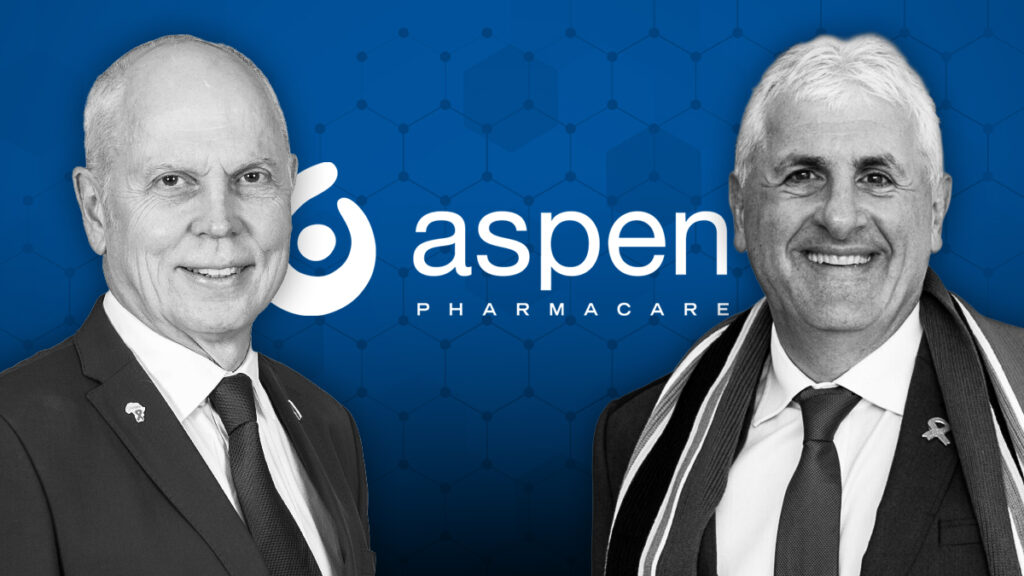
Gus Attridge and Stephen Saad founded a pharmaceutical company in Australia almost three decades ago, and it is now being sold for R26.5 billion.
Stephen Saad was born in June 1964 and grew up in Durban. He attended Durban High School and later studied at the University of Natal, where he completed a Bachelor of Commerce degree.
He went on to obtain a postgraduate diploma in accounting in 1986, qualifying as a chartered accountant.
In the late 1980s, Saad joined Coopers & Lybrand (now PwC), where he completed his articles.
While working there, he was exposed to the pharmaceutical industry through consulting work for a small healthcare company, which sparked his interest in the sector.
It was at Coopers & Lybrand that Saad met Gus Attridge, who would later become his long-term business partner.
Michael Guy Attridge, commonly known as Gus since his school days, was born in May 1961 and was also raised in Durban.
He attended Northwood School and later completed a Bachelor of Commerce degree at the University of Natal in 1981.
He added diplomas in accounting and data analytics before qualifying as a chartered accountant. Like Saad, he trained at Coopers & Lybrand.
Attridge built a strong career at the firm and later moved to London, where he worked in corporate finance during the late 1980s.
His work focused on mergers, acquisitions, and advisory services, which gave him deep experience in deal-making and financial strategy.
During this time, he worked closely with Saad, often as his senior, and the two developed a strong professional relationship.
In 1989, Saad left accounting to join Quickmed CC, a small medical wholesale business in Durban that served township markets.
This move gave him hands-on experience in pharmaceutical distribution and healthcare supply, which proved critical later.
The birth of Aspen Pharmacare
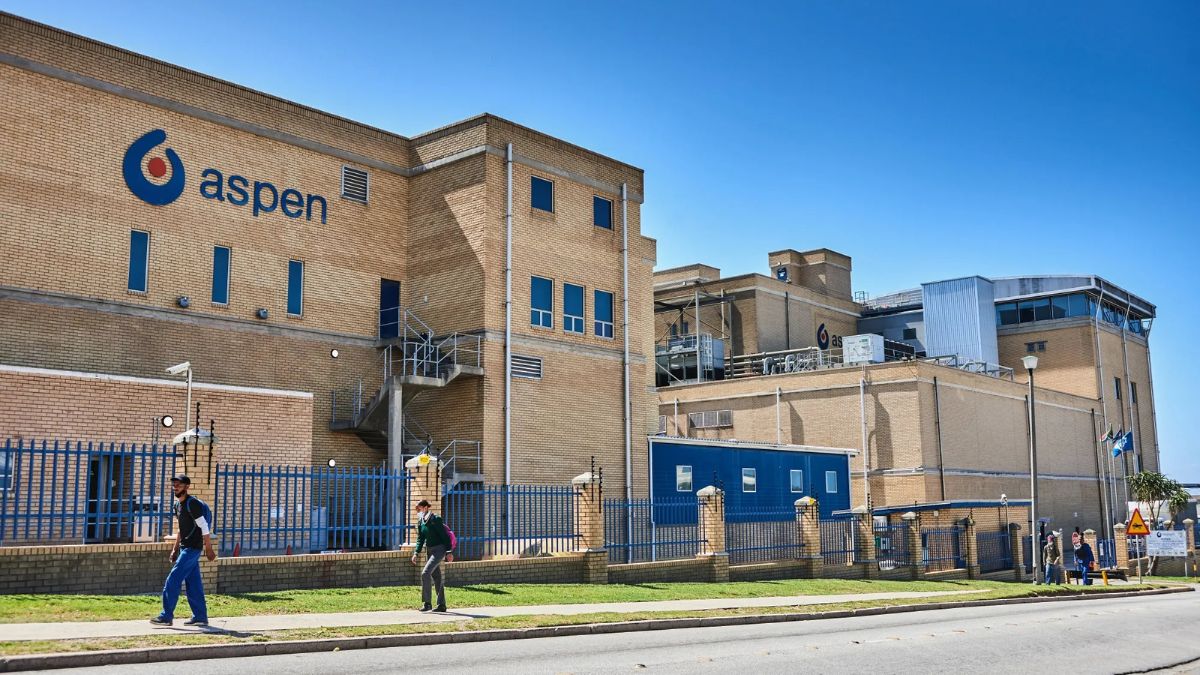
In 1997, Saad and Attridge co-founded Aspen Pharmacare in South Africa. The company was listed on the Johannesburg Stock Exchange and steadily expanded.
Over time, Aspen became the largest producer of generic medicines in Africa. Saad took on the role of chief executive, while Attridge served as deputy chief executive and a board member.
Aspen’s move into Australia followed a few years later. Around the early 2000s, the group invested R10 million in seed capital to establish a business there.
Speaking to investors last week, Saad said he and Attridge arrived in Australia in their 30s with that single cheque.
They bought a small number of products, hired two people, and purchased two laptops. One of those early hires, Trevor Ziman, remains with Aspen today as regional CEO for Asia Pacific.
The early days were uncertain. After returning to South Africa, analysts warned them that South African companies usually failed in Australia.
As a result, Aspen was extremely cautious. The business was kept very small, with most functions outsourced in case they needed to exit quickly.
On the second day in Australia, both laptops were stolen, an incident Saad later described as making them seriously question whether they should continue.
They did continue, and over time, the Australian business grew steadily. Aspen eventually became the largest generics company in Australia.
Saad has said that one in every five medicines dispensed in the country was an Aspen product.
Regulatory changes and pricing pressure later made the market more difficult, forcing the team to adapt by divesting some products and changing strategy.
In recent years, Aspen’s Australian team has focused on building its over-the-counter medicines business.
The past five years were particularly challenging, but the company succeeded in becoming a top-five OTC player in the country.
Saad has repeatedly stressed that Aspen has never asked shareholders for additional capital.
The group has never done a rights offer and has funded its growth internally, while actively managing its portfolio through acquisitions and divestments.
In December, Aspen received an unsolicited offer from private equity firm BGH Capital for its Asia-Pacific assets, excluding China.
The offer valued the business at A$2.37 billion, or about R26.5 billion. Aspen accepted the offer and plans to use most of the proceeds to reduce debt.
Today, Aspen Pharmacare Australia is headquartered in Sydney and operates a significant manufacturing facility in Dandenong, Victoria, supplying more than 150 branded, generic, and over-the-counter medicines.













 Loading ...