

R3 billion blow for Shoprite and Pepkor


The Constitutional Court has dealt a major blow to Pepkor’s proposed acquisition of Shoprite’s furniture business.
Shoprite announced a proposed sale in September 2024, where Pepkor will acquire its furniture business for about R3 billion.
Pepkor, Africa’s largest clothing retailer, would scale up its bed, sofa and appliance business and boost its store coverage to 1,300 via the deal.
The deal would include the Shoprite Furniture credit loan book and related insurance cell captive arrangements, the OK Furniture and House & Home retail brands, and the inventory and certain fixed assets.
At the time of the deal, Pepkor noted that its lifestyle business already operated over 900 retail stores in South Africa, Botswana, Lesotho, Namibia and Eswatini.
Combining Shoprite Furniture with Pepkor Lifestyle will enable the group to scale up its supply chain, logistics, and financial services operations.
It added that the lifestyle brand could instantly grow its customer base and retail footprint while integrating Shoprite Furniture operations into its existing logistics network.
For Shoprite, the deal reflected its goal of streamlining its business to focus on its core strengths in groceries, while expanding its speciality clothing, baby, outdoor and pet stores.
Court order
However, the deal has not dealt a massive blow to either party following legal intervention by fellow furniture giant, The Lewis Group.
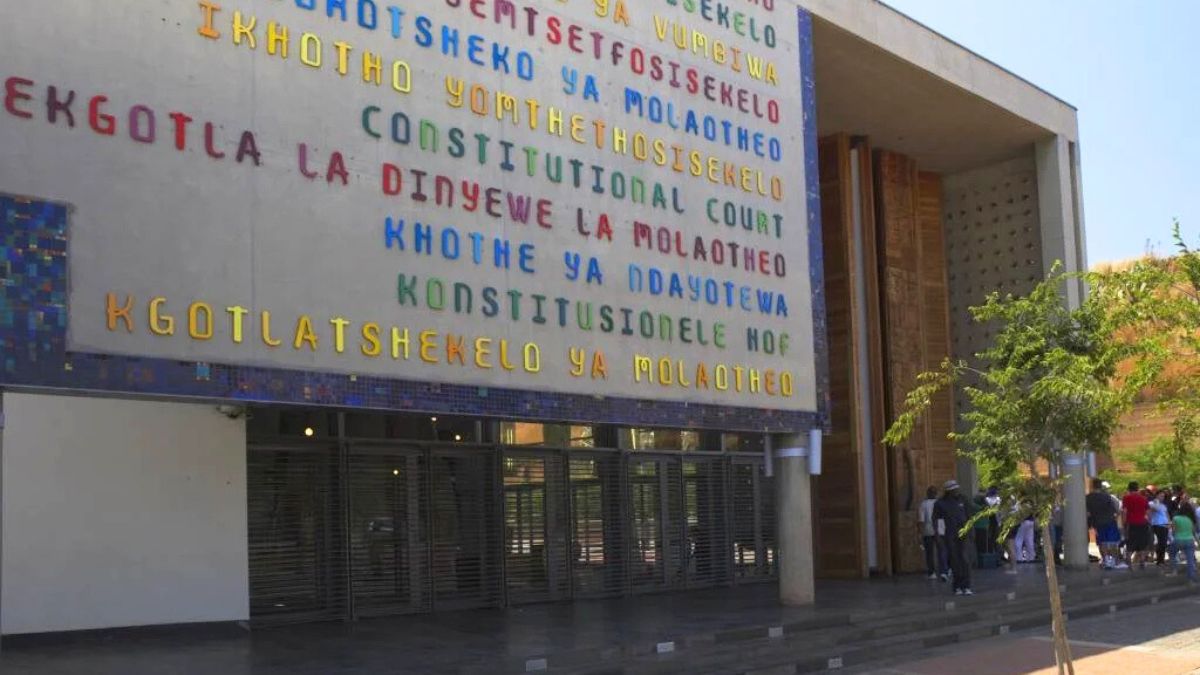
In December 2025, the Constitutional Court ruled in favour of Lewis’ participation in competition-related issues. The highest court in South Africa has now given further details on its decision.
The case concerned Lewis’s attempt to intervene in the merger proceedings. The Competition Commission conditionally approved the merger, which the Competition Tribunal would then consider.
During the proceedings, Lewis applied to intervene, contending that the merger could raise serious competition concerns for low- and medium-income furniture consumers.
The tribunal granted Lewis limited participatory rights, noting that Lewis had given a credible, merger-specific theory of harm.
Lewis also provided that the Commission’s investigation appeared insufficiently probed, especially in relation to local market overlaps, dynamics of store location and competitive constraints in the low-income furniture market.
Lewis also had access to information that could meaningfully assist the tribunal in the matter.
However, Shoprite and Pepkor approached the Competition Appeal Court (CAC), arguing that Lewis had failed to demonstrate that the information was unique or otherwise unobtainable.
It added that Lewis’ participation would result in a massive delay, and that the Tribunal had misconstued the legal test for intervention under the Competition Act.
The CAC upheld the appeal in early October 2025. However, Lewis’s appeal to the highest court in South Africa has resulted in a significant victory.
Following Lewis’s evidence, the ConCourt ruled that the tribunal was justified in concluding, by a carefully reasoned application, that the requirements for intervention had been satisfied.
“The tribunal admitted Lewis as a knowledgeable and comparable competitor and permitted participation on the basis that it could assist in understanding competitive dynamics and assessing unilateral theories of harm,” said the Concourt.
“The Tribunal granted intervention within a defined and curtailed scope, limited participation to specified competition issues, and refused intervention on beds and mattresses, buyer power and public interest.”
“Its order was carefully circumscribed, fact-specific, and consistent with established intervention jurisprudence.”
The matter has now been returned to the Competition Tribunal, with Lewis allowed to intervene as a participant. A summary of the ruling can be found below:

















 Loading ...