

End of an era for 158-year-old diamond mine in South Africa


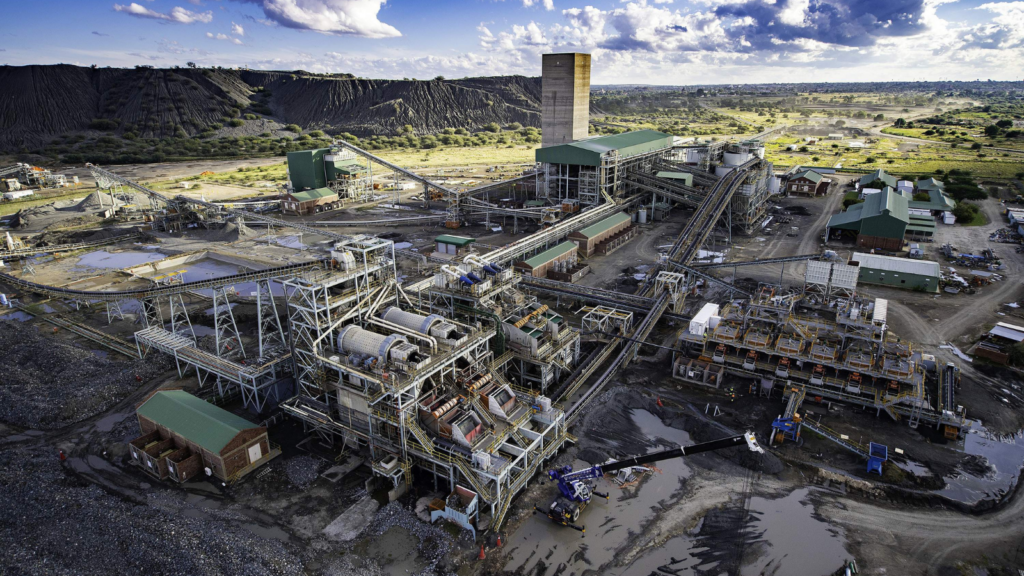
The joint provisional liquidators of Ekapa Minerals and Ekapa Resources have begun a formal process to sell the Ekapa Diamond Mine.
They are reaching out to both domestic and international investors to maintain the operation as a viable business.
The Ekapa Diamond Mine, located in Kimberley, is a fully permitted asset that includes both surface and underground mining operations.
It encompasses approximately 140 million tonnes of tailings mineral resources, and a processing plant with a capacity of 9.6 million tonnes per annum (Mtpa).
There are three kimberlite pipes, Du Toits Pan, Bultfontein, and Wesselton, which are part of the “Famous Five” cluster.
The mine faced a serious blow after a shaft collapse in February led to the death of five miners.
The mine, which was already facing financial challenges before the collapse, then entered liquidation proceedings, with around 1,000 jobs possibly affected.
Despite the repairs to the affected shaft being estimated to take 10 to 18 months and requiring a significant capital investment, there are hopes that the business might be saved.
The auctioneers said the plant and surface infrastructure are well maintained, and the Bultfontein and Wesselton shafts could be brought back into operation relatively quickly if market conditions improve.
The sale will take place through a jointly mandated auction process, led by Park Village Auctions and WH Auctioneers.
Prospective investors will have the opportunity to acquire the core assets and mining rights, potentially resuming operations within a defined 90-day window or repositioning the asset as part of a longer-term strategic plan.
The joint provisional liquidators emphasise that preserving the mine is a central objective.
Richard Pollock, representing the joint provisional liquidators, said that from their first on-site engagement, they agreed that every effort should be made to determine whether the mine can be saved, in part or in whole.
Pollock said that this remains a priority outcome that would benefit creditors, employees, and the broader Kimberley community.
However, the joint provisional liquidators also acknowledged that the process presents significant challenges.
“We are under no illusion as to the difficulty of securing a suitable buyer, given the current pressures in the global diamond market,” the liquidators said.
“[This includes] the growing prevalence of synthetic diamonds in industrial applications, together with the substantial capital required to restore operations,” they said.
“That said, we believe there may be investors pursuing jewellery-grade gem opportunities who recognise the potential of this asset as a platform for recommissioning, optimisation or strategic repositioning.”
Pressure from the synthetic diamond industry

In recent years, the global diamond mining industry has faced significant challenges, largely due to the growing acceptance of synthetic diamonds, particularly in industrial and commercial applications.
Prices for smaller industrial diamonds have plummeted by as much as 70% compared to levels before 2020.
This decline has led to the closure or reduction of several diamond mining operations in Canada, South America, and Africa.
Currently, the Ekapa mine is under a structured care and maintenance program to preserve its asset value, with approximately 115 employees remaining on site.
This program includes extensive security measures along a 47 km perimeter, as well as continuous water pumping to protect the underground infrastructure and prevent shaft flooding.
“Our objective is to preserve value, stabilise the operation and avoid full closure, which would have severe social and environmental consequences,” said the joint provisional liquidators.
Maintaining these activities incurs a cost of about R10 million per month, while no revenue is currently being generated from mining operations.
In response, measures have been implemented to reduce expenses, including limiting energy consumption to essential maintenance services only.
To help fund ongoing maintenance, the joint provisional liquidators are also working on selling selected non-core surface assets that will not affect the overall viability of the mine.
“We remain focused on engaging constructively with the relevant unions and government stakeholders, where appropriate, to identify a credible investor capable of unlocking the potential of this asset under the appropriate conditions.”
This strategy aims to provide a limited financial runway while efforts to secure a suitable buyer continue.

















 Loading ...