

South Africa’s ‘hidden’ R900 billion retail giant is beating Shoprite and Pick n Pay


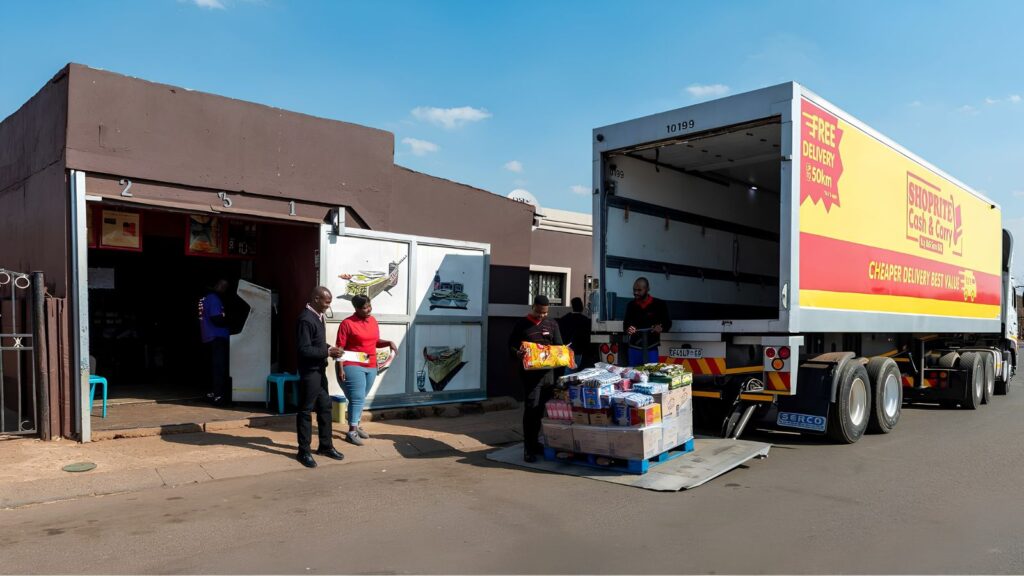
Traditional trade outlets such as spaza shops, taverns, and independent retailers are outperforming South Africa’s major retail chains, such as Shoprite and Pick n Pay.
This highlights the growing prominence of the country’s giant informal economy, which is estimated to be worth as much as R900 billion.
According to the latest State of the Retail Nation report from NIQ South Africa, traditional trade generated R43.1 billion in sales during the first quarter of 2026.
Modern retail channels, including large supermarket groups and online platforms, recorded much slower growth, with unit sales increasing by only 1.7%.
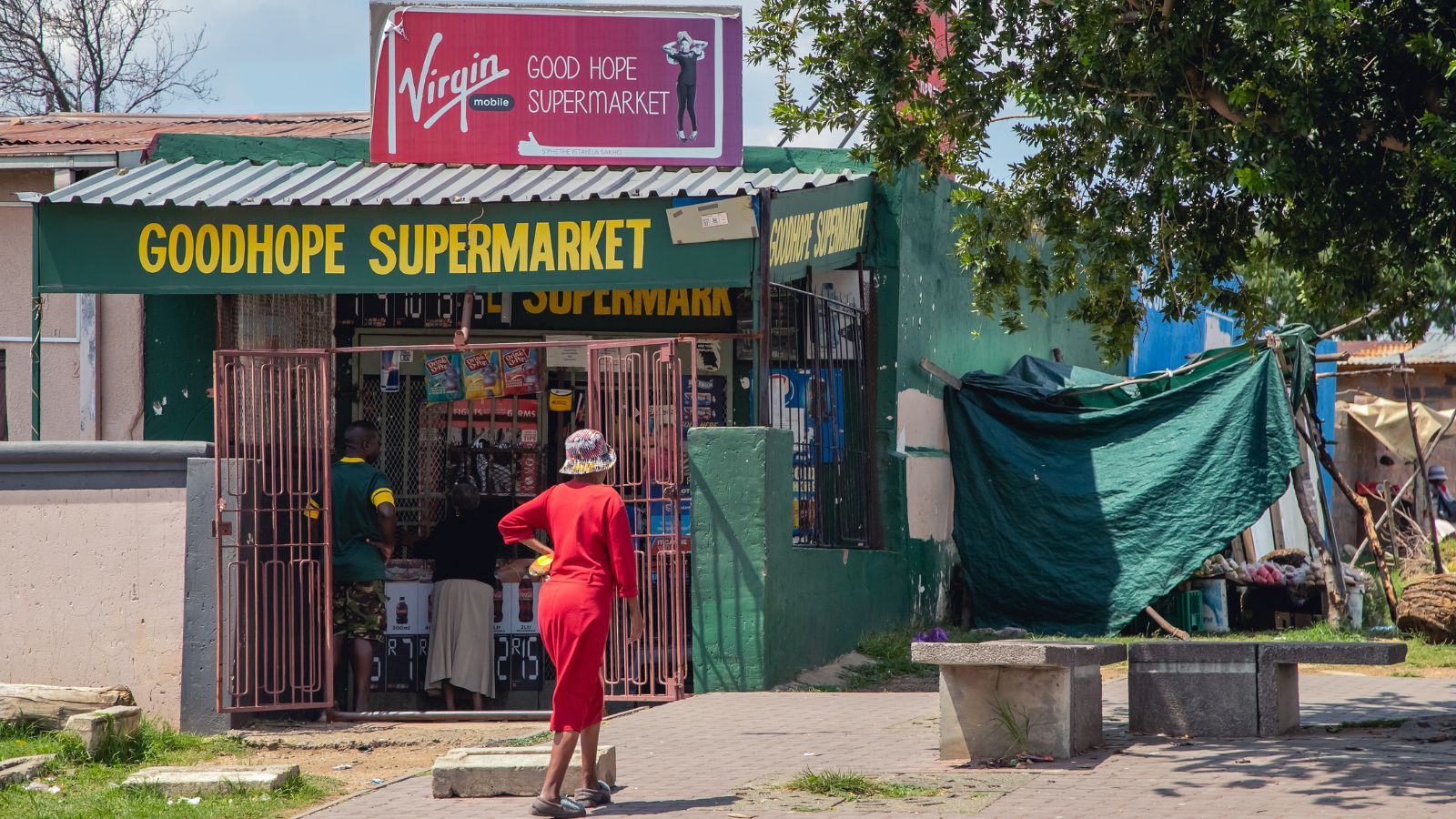
The performance underscores the growing importance of South Africa’s informal retail sector, which includes spaza shops, township traders and independent wholesalers.
The sector alone is estimated to generate around R190 billion in annual turnover. When viewed as part of the broader township economy, the market is estimated at roughly R900 billion.
However, because the informal economy is difficult to track, some analysts have suggested the true size could be closer to R1 trillion or even R1.125 trillion.
The NIQ data showed that South Africans spent more than R173.6 billion on fast-moving consumer goods (FMCG) during the first quarter.
Sales values increased by 6.5% year-on-year, while unit sales rose by 9.1%. This suggested that consumers bought more products, often at lower prices.
Lané Klopper, Consumer Panel Lead at NIQ South Africa, said the first quarter benefited from a period of relative financial relief for households.
“We had a lot more breathing room in the early months of 2026, so consumers were able to spend a little bit more freely,” she said.
However, Klopper said the strong growth in unit sales does not mean financial pressures have disappeared. Instead, it reflects changing consumer behaviour as households seek ways to stretch their budgets.
“The fact that unit growth is sitting so high could be that some consumers are down-trading and buying more units more frequently, but in smaller pack sizes.”
Price differences between formal and informal retailers is narrowing
Klopper added that South African consumers remain highly price-sensitive and actively seek discounts whenever possible.
“We know that the South African consumer is highly price sensitive, so chasing those promos is what we do.”
Despite the positive sales figures, household budgets remain under pressure. NIQ’s household panel data shows consumers are still cutting back in many areas.
“64% of categories have seen a decrease in penetration, and we also saw that 50% of categories saw a decrease in consumption,” Klopper said.
Because of this, informal retailers have continued gaining market share. Klopper said their success is driven by a combination of affordability, convenience and accessibility.
A key advantage is their sheer scale. “We know that our universe estimate for FMCG on traditional trade is around 150,000 outlets, whereas modern trade only has about 10,000 outlets,” Klopper said.
“So there is significantly more opportunity for consumers to go purchase from traditional trade based on where the outlets are.”
Traditional informal retailers are also evolving beyond their historical role as places for emergency or top-up purchases.
“What we’ve seen is that you’re able to buy a bigger basket rather than just your top-ups that you would have normally bought from traditional trade,” Klopper said.
Many consumers now combine monthly shopping trips at major retailers with regular purchases from nearby informal stores.
“They can do one big grocery shop in modern trade and then go to traditional trade throughout the rest of the month,” she said.
The appeal has been strengthened by narrowing price differences between formal and informal retailers.
“Previously, we knew traditional trade to be a lot more expensive, but because of the competition amongst wholesalers and retailers for supplying this channel, we’ve seen that the price gap has narrowed,” Klopper said.


















 Loading ...