

Say goodbye to petrol stations as you know them in South Africa


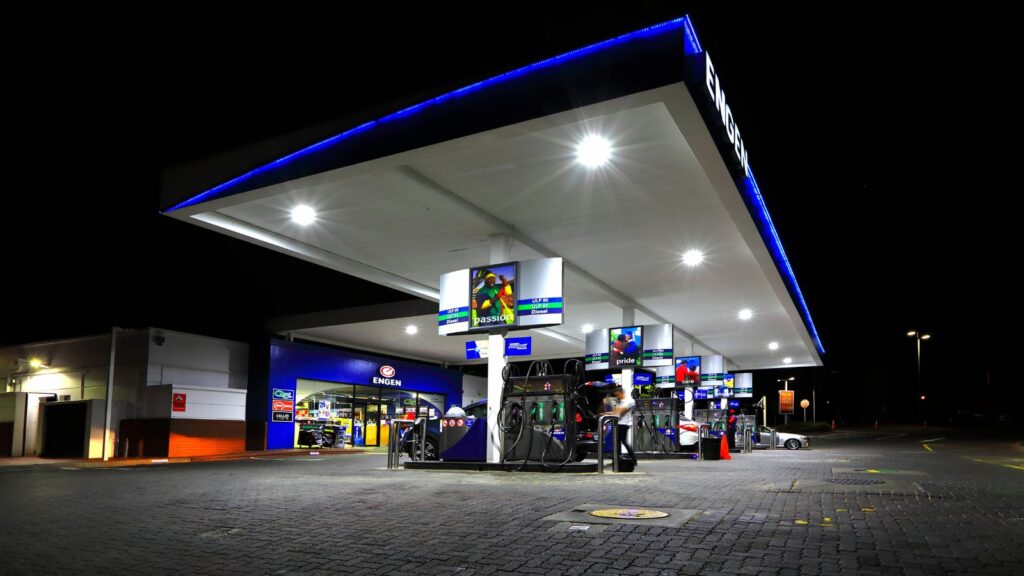
Petrol stations in South Africa are being forced to reinvent themselves as shopping destinations as fuel margins come under pressure and the long-term shift towards electric vehicles (EVs) gains momentum.
This is the feedback from Reggie Sibiya, CEO of the Fuel Retailers Association (FRA), who said convenience has become one of the industry’s biggest growth opportunities as traditional fuel sales become less profitable.
“Fuel is still the biggest revenue generator, but we are seeing more and more increase in terms of convenience retailing, in terms of also how the format is actually being presented,” said Sibiya.
He added that this is already taking shape through partnerships with supermarkets like Pick n Pay and Woolworths. “So that is the space that is really growing, and we are really excited about it.”
Sibiya noted that retailers are preparing for a future where fuel increasingly becomes a low-margin product.
“As we all know, with time, fuel becomes a loss leader in terms of margins. We’re already seeing that with diesel in deregulated markets like here in South Africa,” he said.
“There’s really hardly any margin for retailers to make. So we are preparing ourselves for that future.” At the same time, the industry is also looking ahead to the arrival of EVs.
He also said that electric vehicles are now coming into this space. “We’re still at the entry level, but perhaps 10 years from now we’ll be talking a different language.”
He added that changing consumer behaviour is also working in the sector’s favour. “Consumers are looking for convenience, and fuel service stations fit that purpose 100%,” he said.
The association recently hosted the Convenience Leaders Exchange in partnership with the global convenience retail association NACS, where industry leaders examined international trends and how South Africa can benchmark itself against global markets.
Motorists are looking for convenience

One of the most significant trends highlighted at the conference was the growing number of customers who visit service stations without purchasing fuel at all.
“46% of people who actually go to the forecourts, they call them the shoppers, 46% of them actually don’t go there to buy fuel,” said Sibiya.
As a result, service stations are increasingly being viewed as retail destinations in their own right. “We’re actually now seeing the fuel stations as a destination for shoppers,” he said.
The push into retail comes as many motorists mistakenly assume fuel retailers benefit from higher fuel prices.
“Retailers are not benefiting from these movements. Our margins are 6 cents per litre, and they are only reviewed once a year in December, and they are forever lagging behind,” Sibiya said.
Instead, rising fuel prices often worsen profitability because operating costs increase alongside pump prices.
“Some of these operational costs, like credit cards, are linked to the pump price of diesel and fuel. As those pump prices have been escalating, those costs are eroding the margins,” he explained.
Looking ahead, Sibiya believes South Africa will likely follow a gradual transition towards electrification rather than a rapid shift to fully electric vehicles.
“For me, I actually would prefer the route of first having a transition of hybrid vehicles and then full EVs maybe 20 years down the line,” he said.
Until then, he said, fuel retailers are betting that convenience shopping, food offerings and other non-fuel services will become increasingly important to keeping their businesses profitable and relevant.

















 Loading ...