

New store 60% cheaper than Pick n Pay and Checkers a massive hit in South Africa


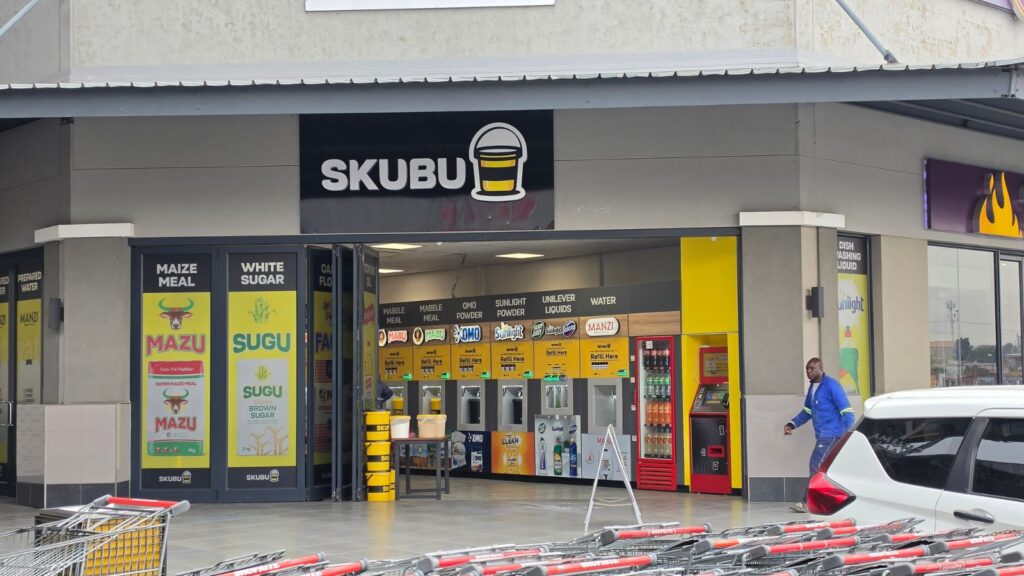
The new and first-of-its-kind store SKUBU has been a massive hit in rural communities, with prices up to 60% cheaper than major retail stores.
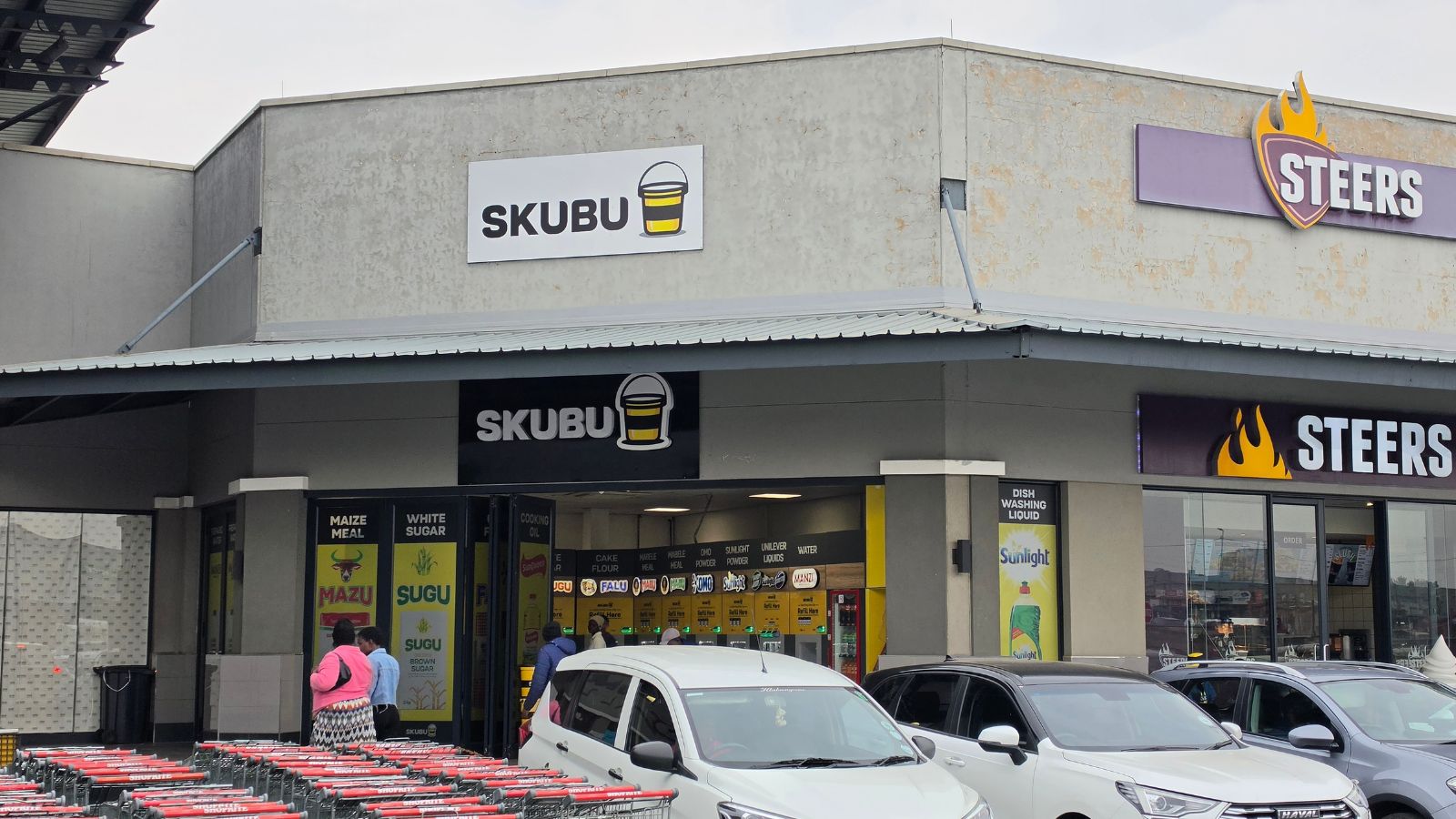
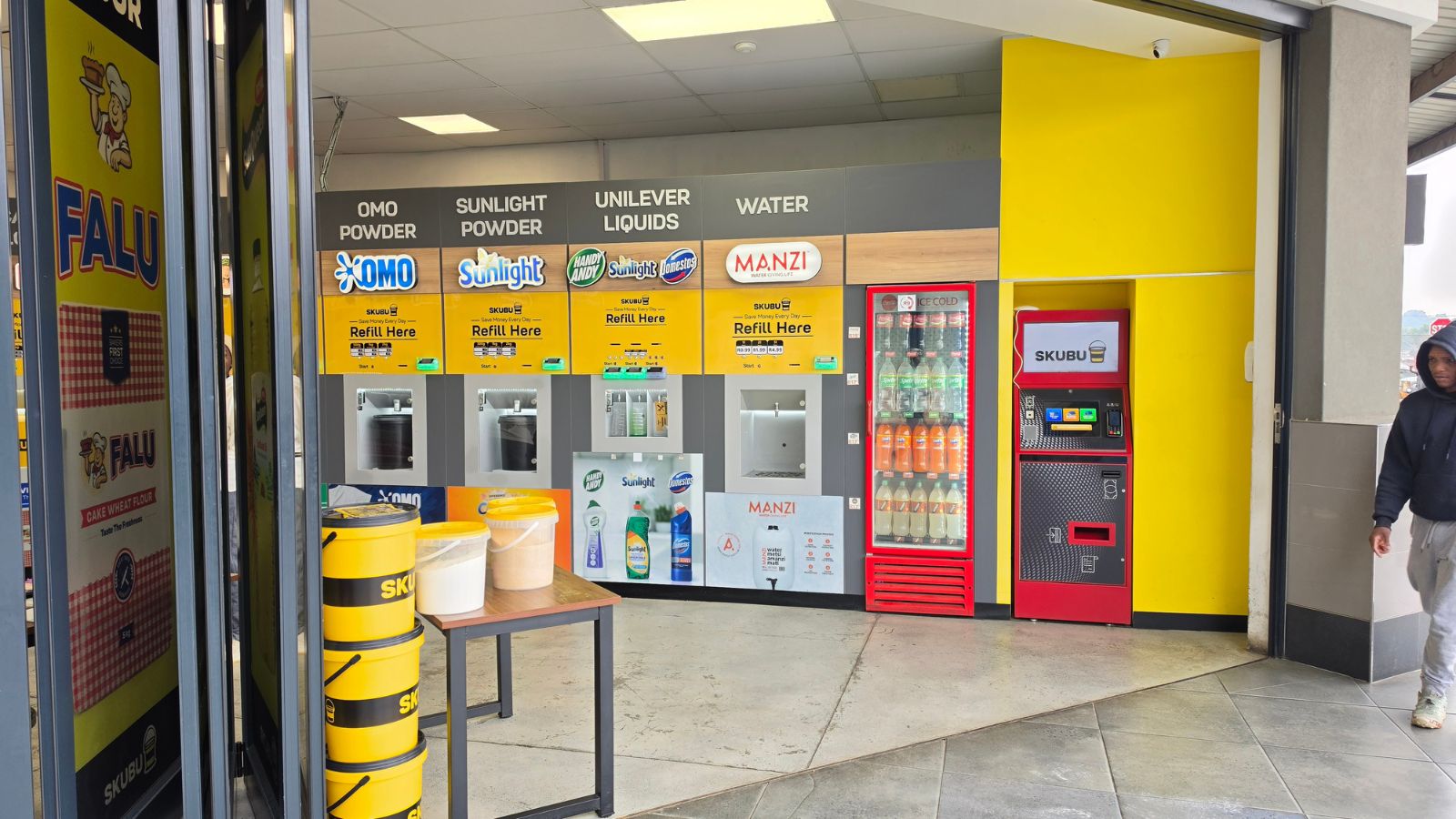
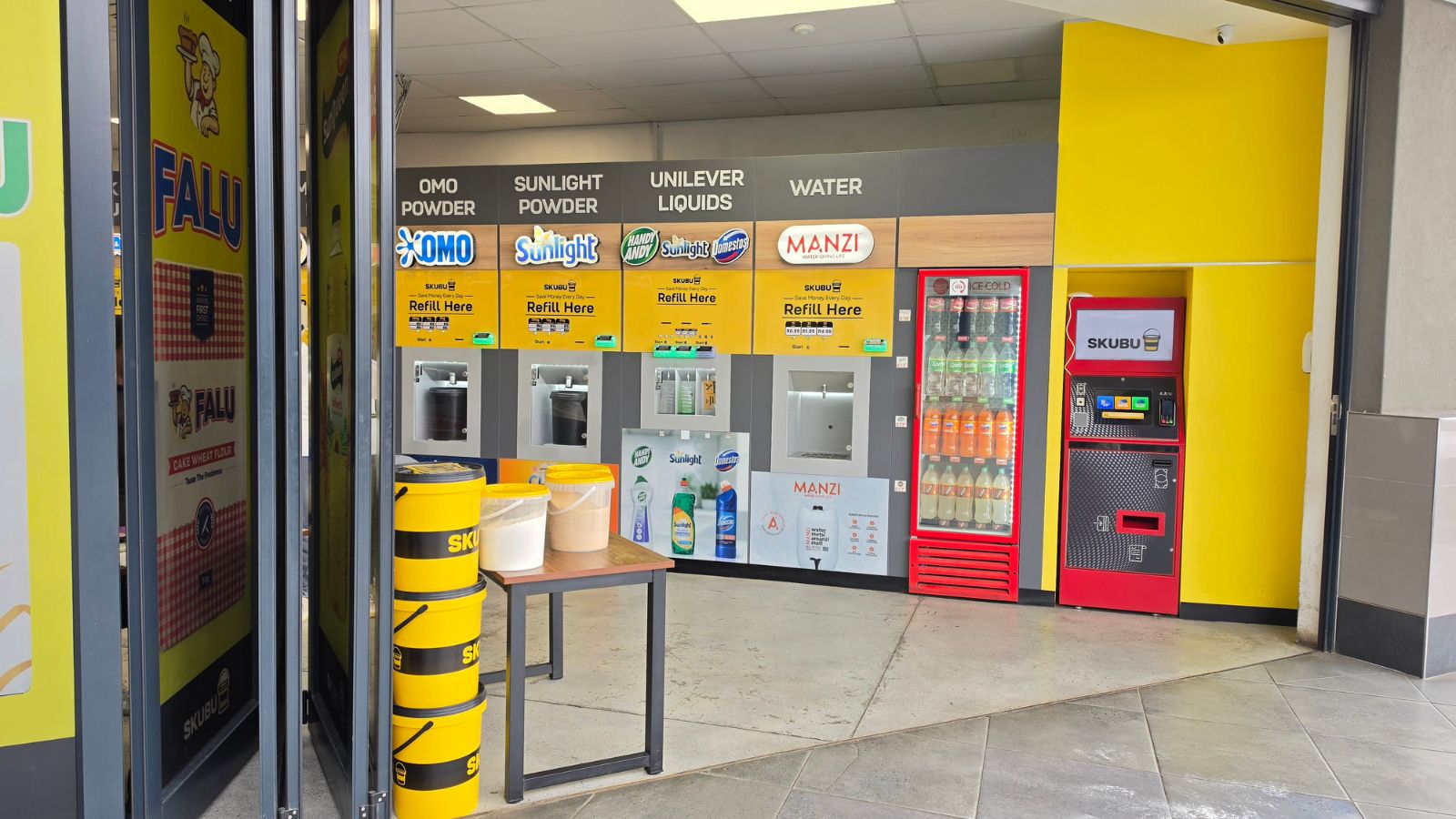
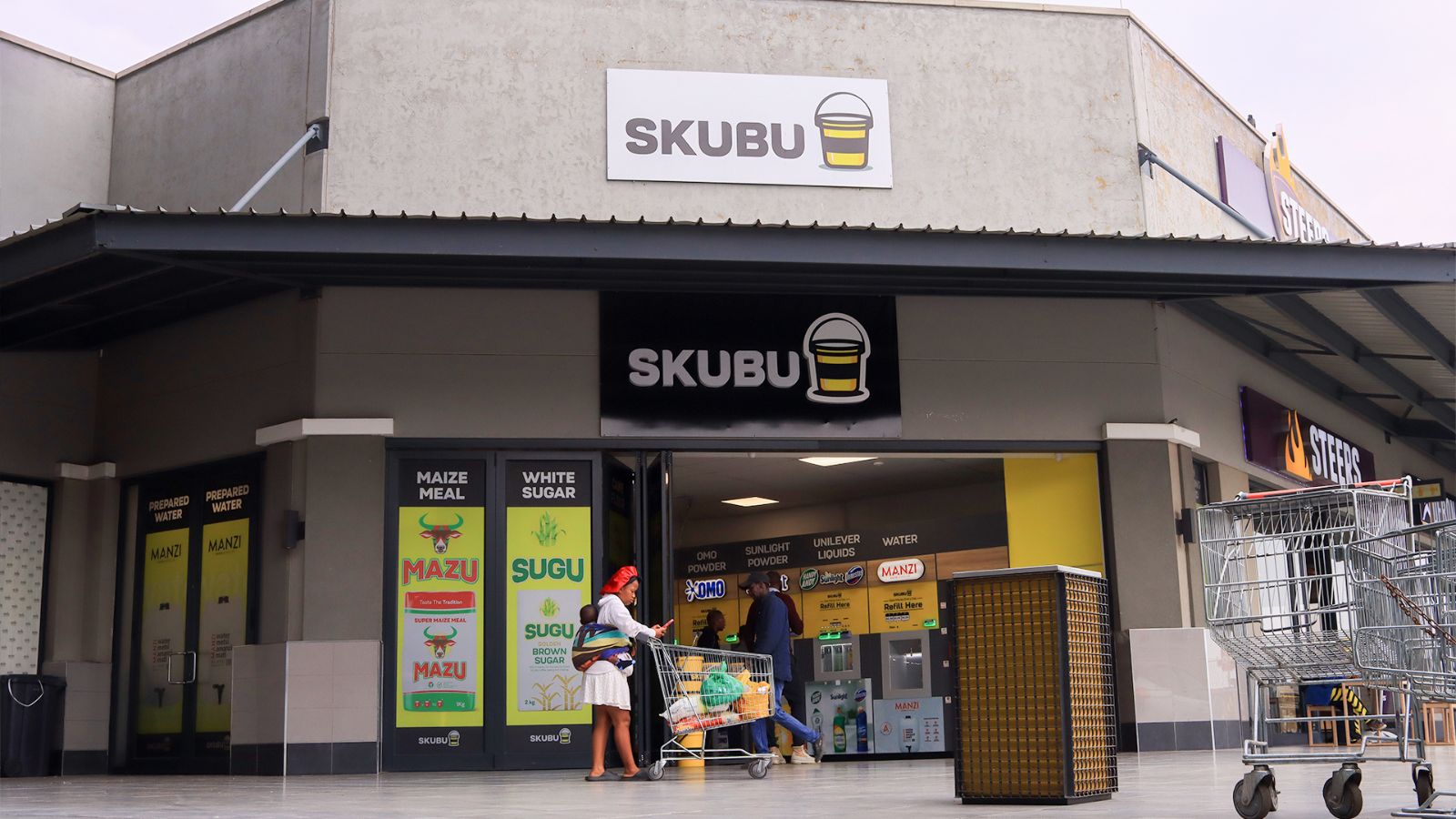
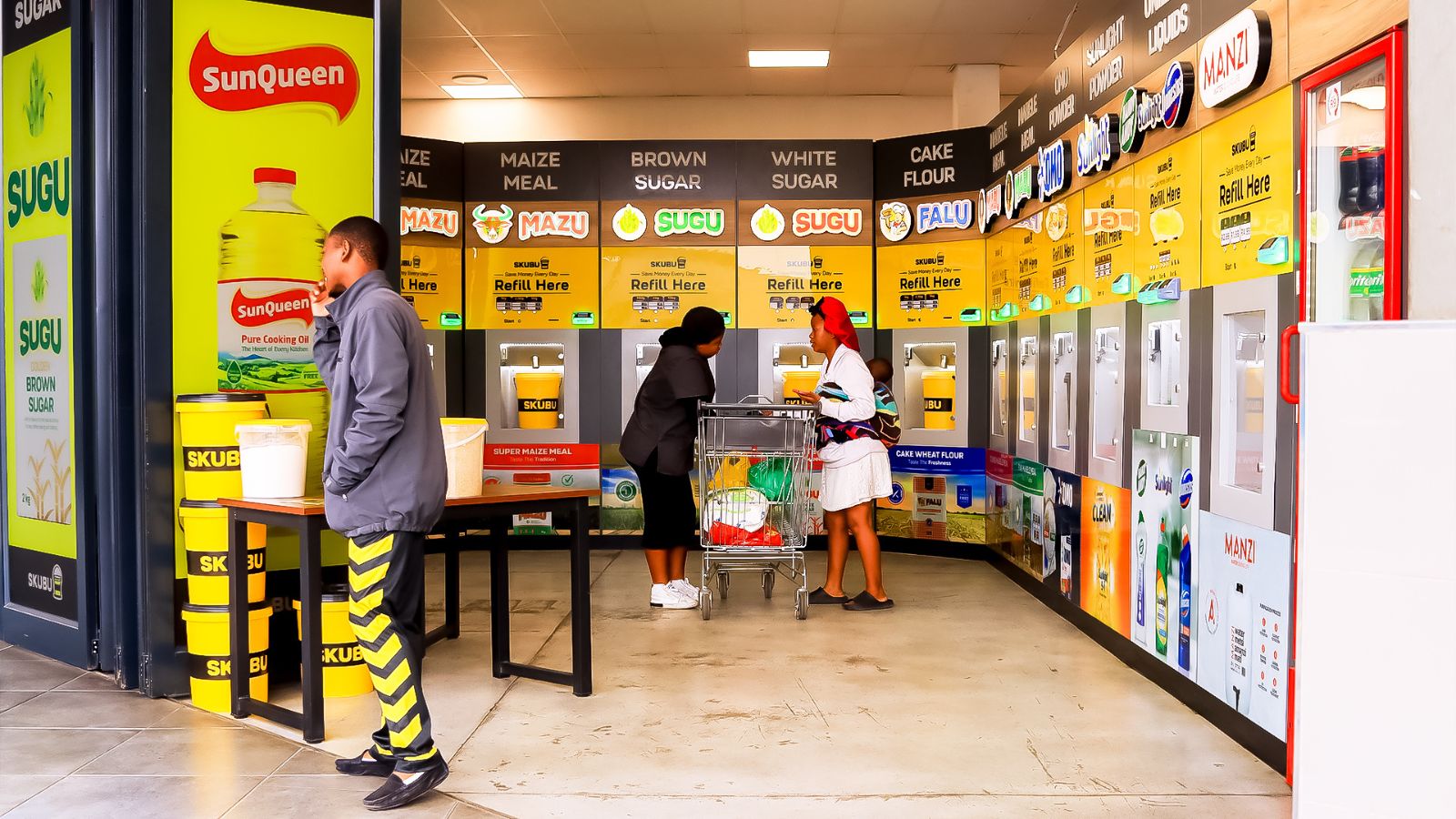
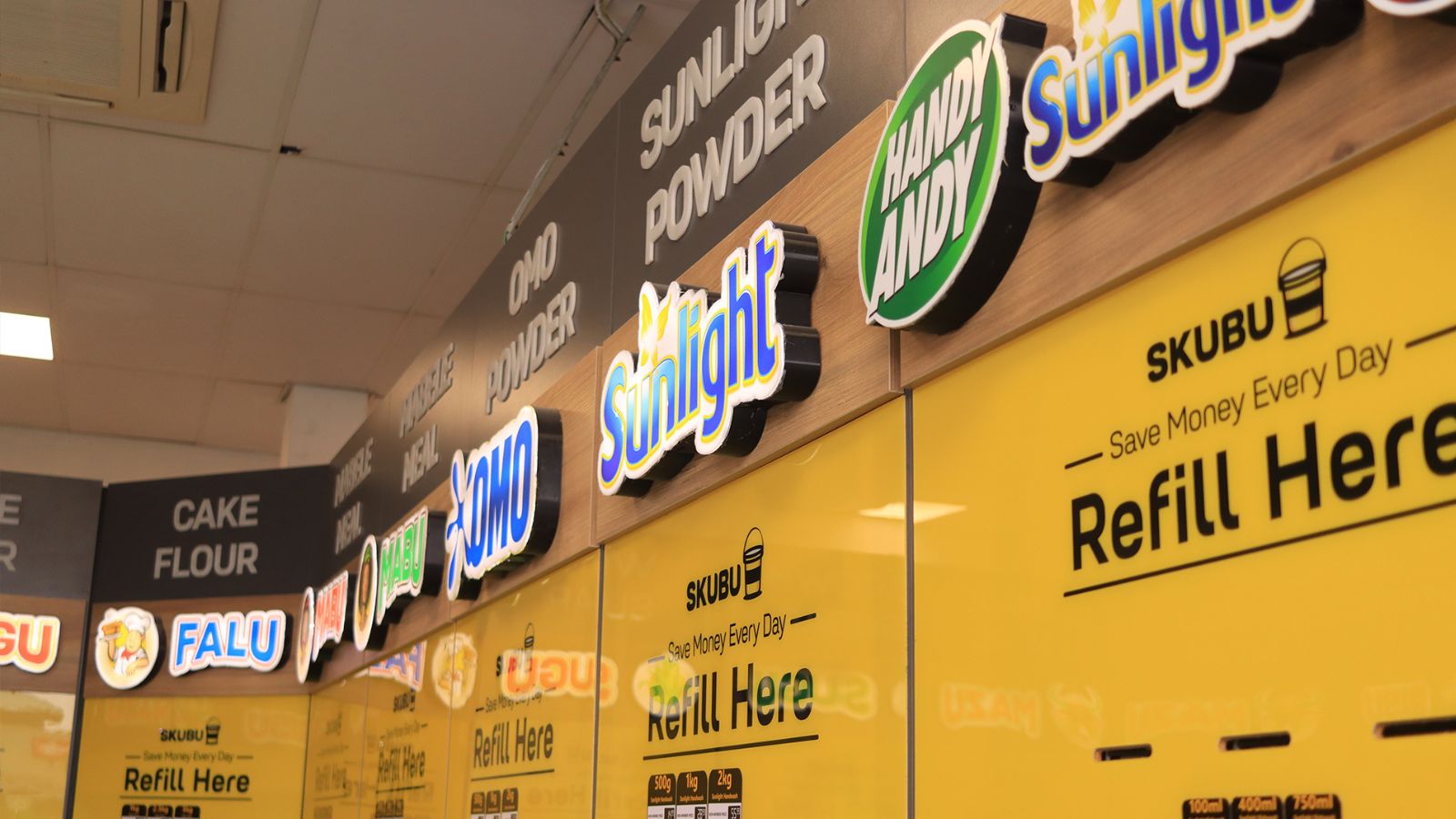
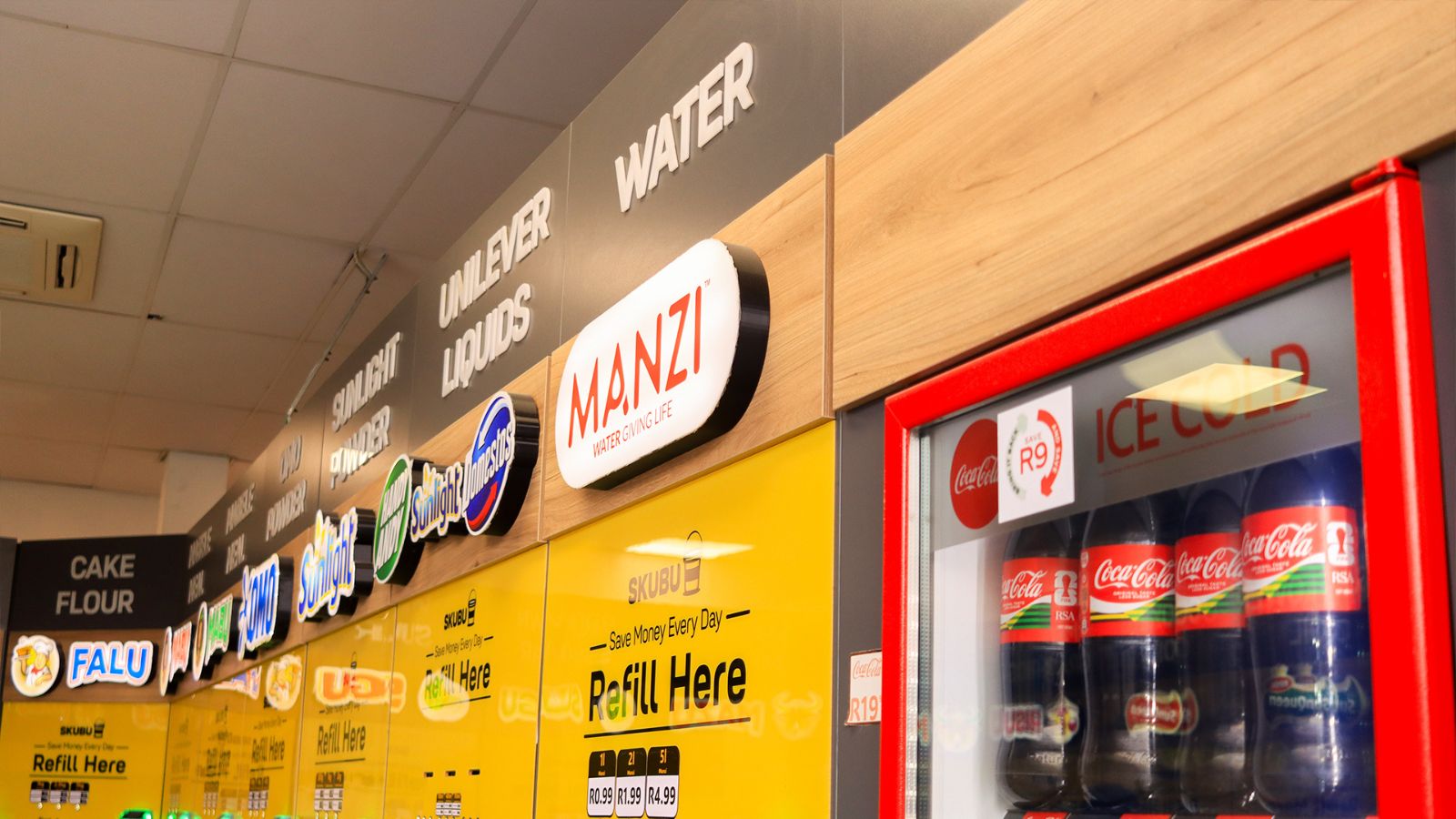
Launched in 2025 in Diepsloot, Johannesburg, the store model is built around refill stations rather than traditional packaged goods.
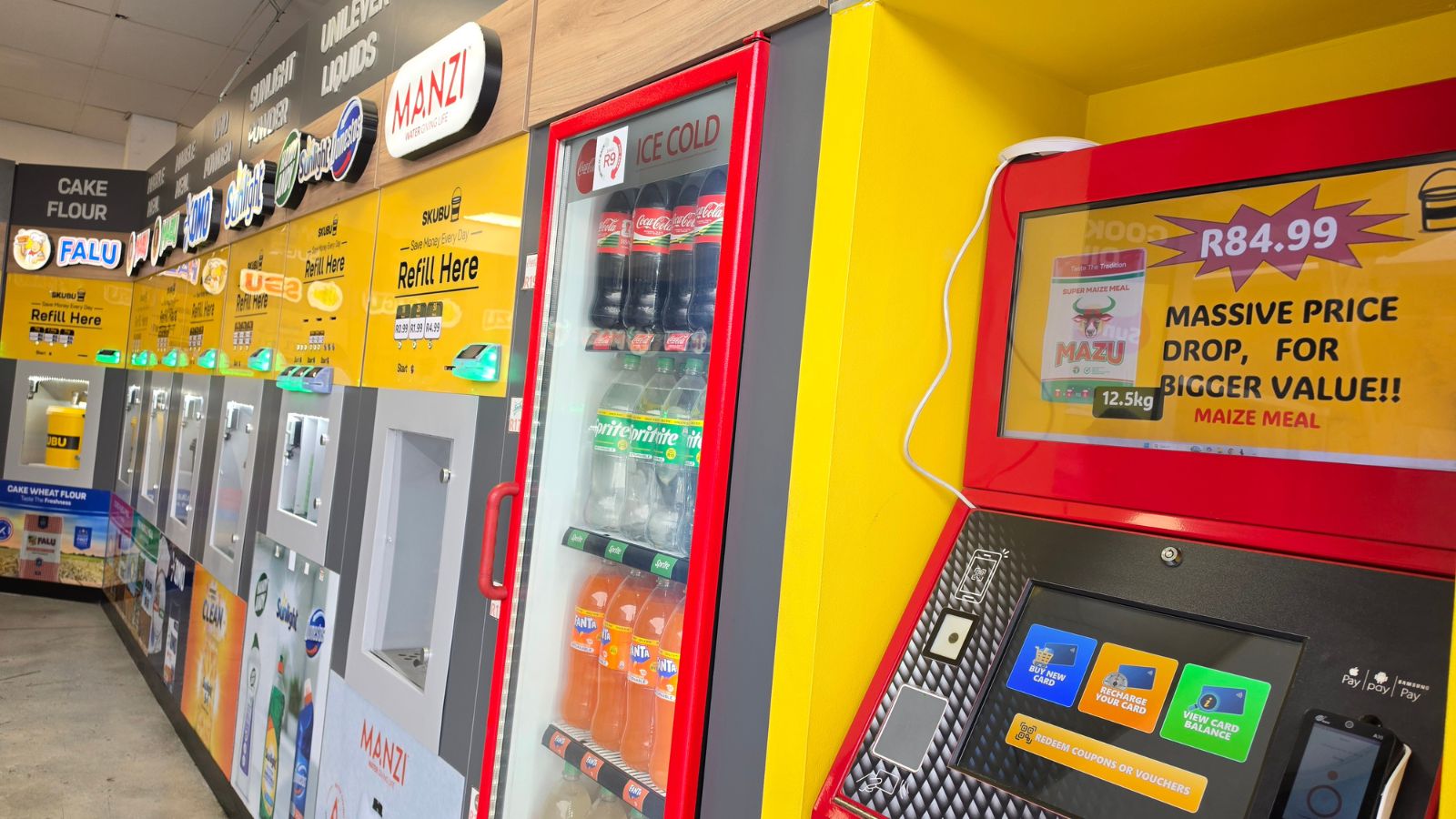
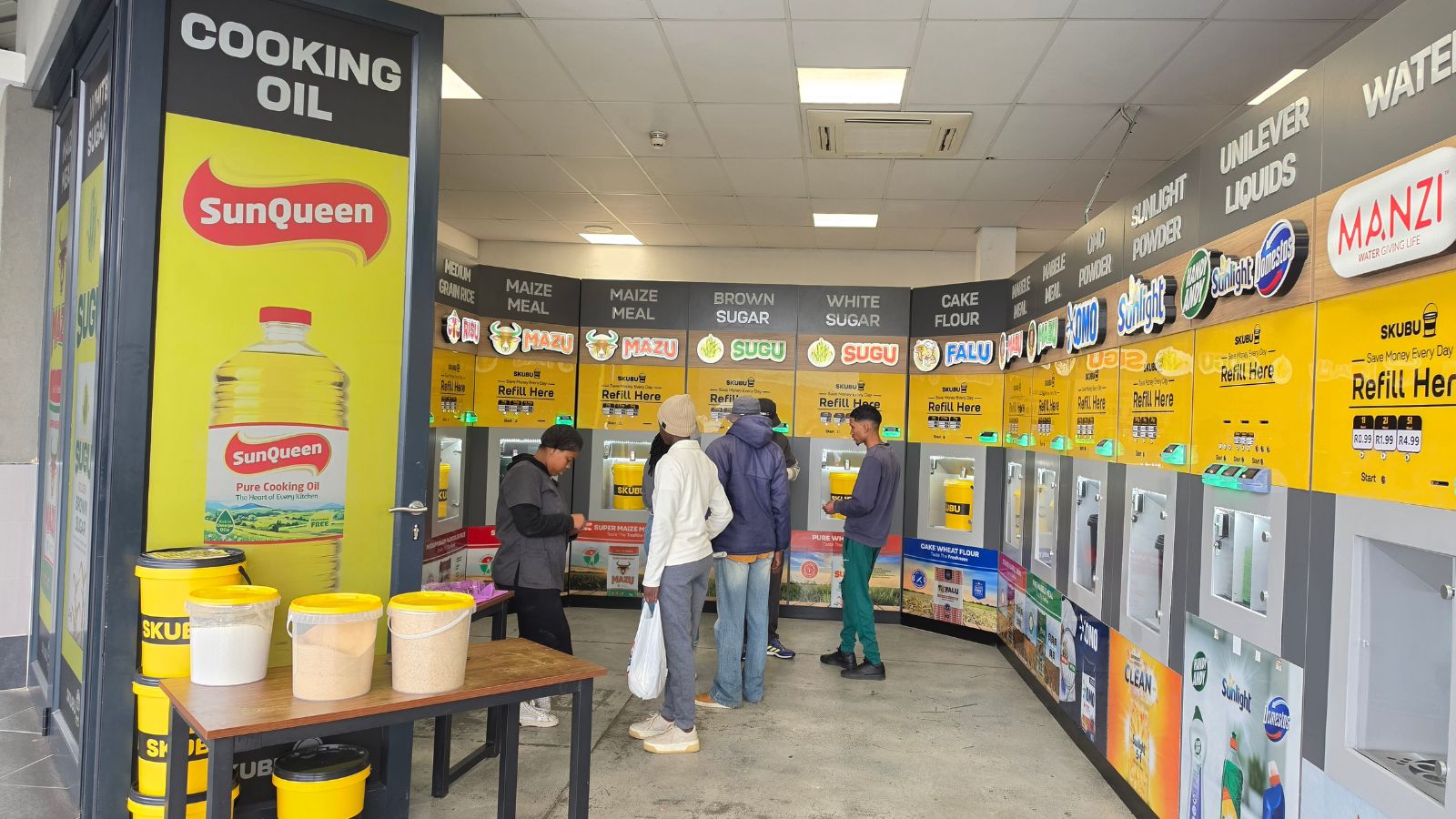
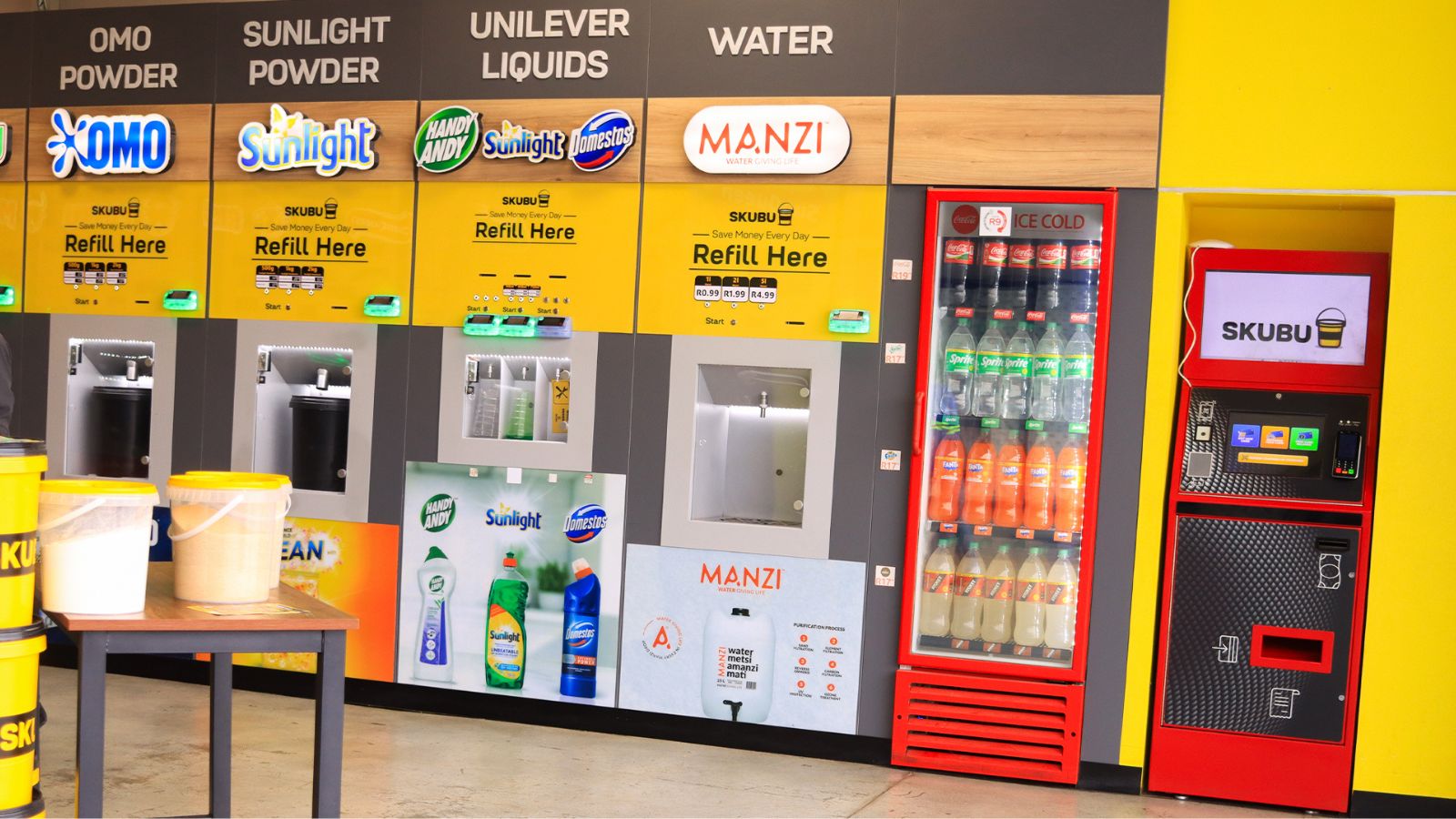
Customers are able to bring their own containers and purchase staples such as maize meal, rice, sugar, cooking oil, and household detergents in exact quantities they can afford.
Pricing is set per litre or kilogram, with the system designed to remove the cost of packaging while increasing flexibility for shoppers with limited incomes.
The timing of the concept has resonated in South Africa as the country faces ongoing cost-of-living pressures.
Data from the Pietermaritzburg Economic Justice and Dignity (PMBEJD) group shows that the cost of a basic nutritional food basket for a family of seven rose slightly from R6,618.99 in April 2026 to R6,634.22 in May 2026.
However, PMBEJD also noted a persistent gap between what households are able to afford and what they should ideally spend to meet basic nutrition needs, with a difference of about R1,154.96 recorded in May 2026.
This cost pressure is what has made SKUBU successful. SKUBU’s model offers a lower-cost alternative that also attempts to address inefficiencies in the way goods are packaged and sold.
Instead of buying pre-packed products, customers effectively pay only for the product itself, not the packaging, which SKUBU said contributes to its significant price reductions.
Founder Eben de Jongh said the idea emerged from his experience working in the fast-moving consumer goods sector, where he helped connect manufacturers to informal retail networks such as spaza shops.
He noticed that while smaller pack sizes were marketed as affordable, they often carried a higher cost per unit.
“The poorest actually end up paying the most and generate the most waste,” de Jongh said, describing what he calls a structural “poverty tax” embedded in retail pricing.
“I thought, I know how to solve this problem, or I think I know how to solve the problem, and I think it’s a problem that’s worth solving.”
Plans to open more stores with a new concept
He added that the motivation behind SKUBU was not only commercial but also social. “It’s expensive to be poor. The more I understood it, the more I fell in love with solving it.”
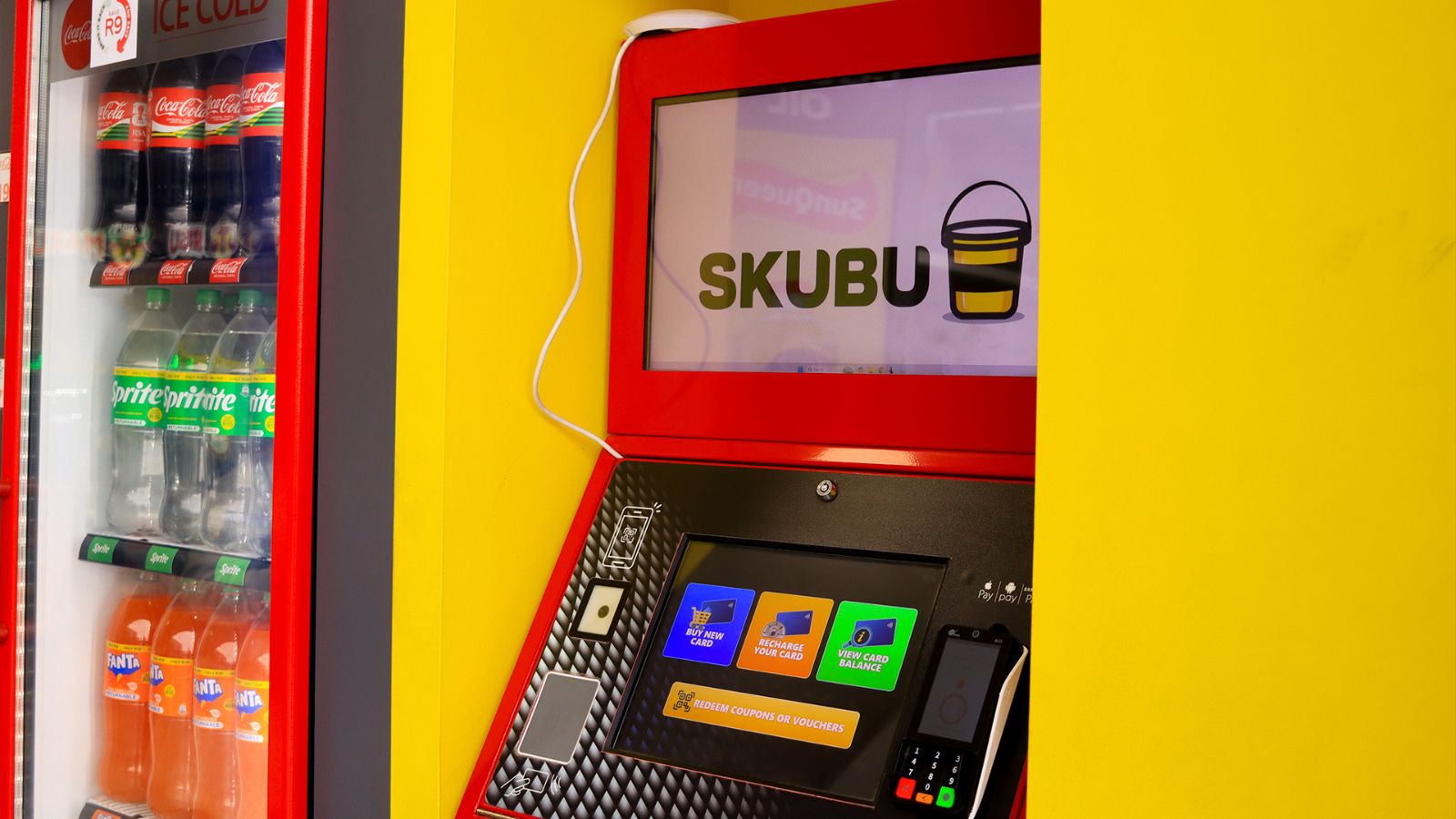
The system is powered by refill technology developed by Sonke, which operates internet-connected dispensing stations that track products from warehouse to shelf.
These systems allow for precise measurement and automated pricing, forming the backbone of SKUBU’s low-cost structure.
De Jongh said building the platform required several years of development and significant personal sacrifice.
“I had to sell my house and my apartment to fund the business to this point,” he said, and added that turning the concept into a functioning retail system took roughly four years of full-time work.
Despite early challenges, the rollout has seen strong consumer response. “The reception has been incredible,” de Jongh told BusinessTech.
“People genuinely identify with what we’re trying to achieve. There’s something about our mission that resonates deeply with South Africans.”
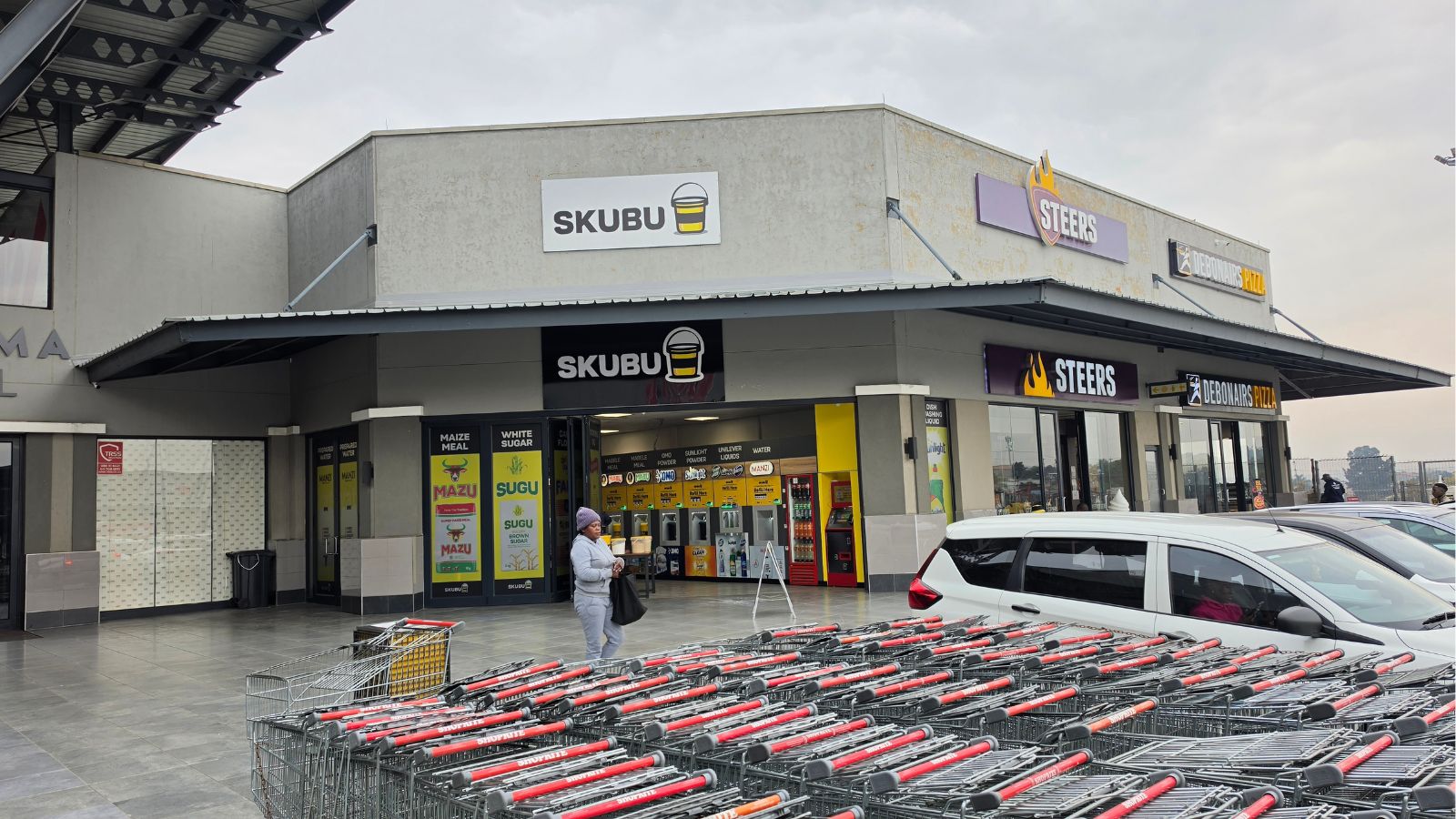
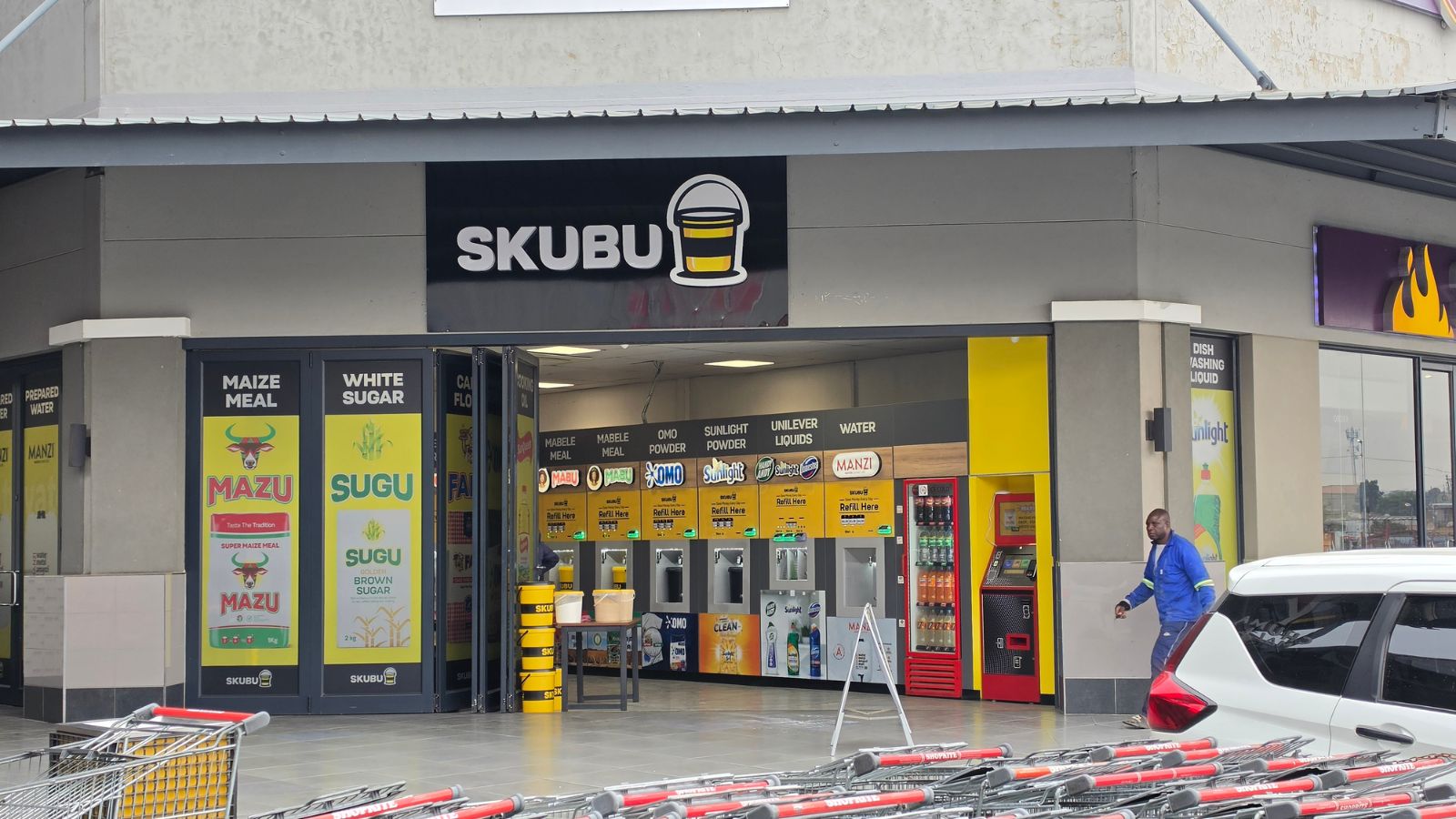
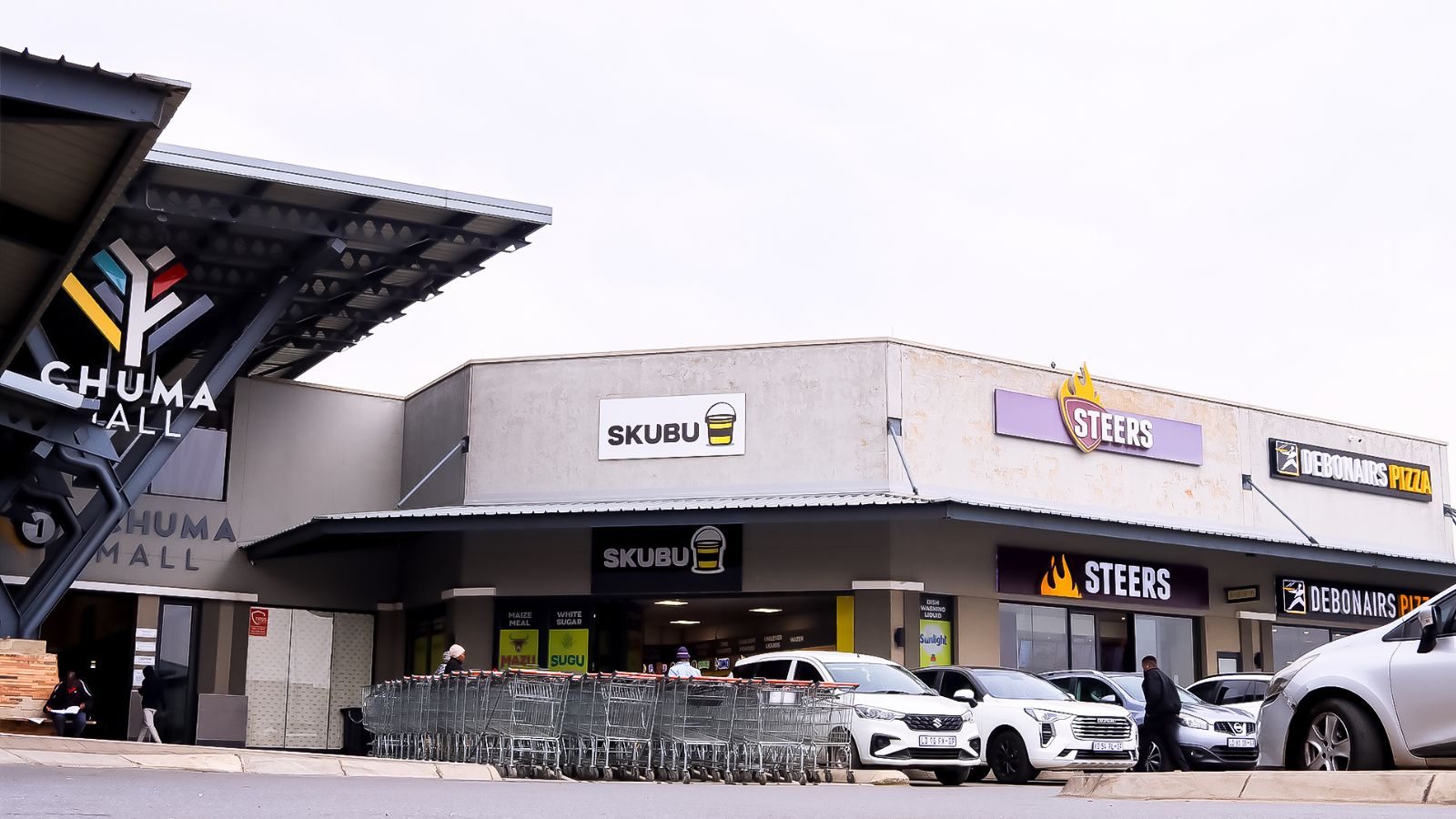
Thousands of customers have visited SKUBU stores in Johannesburg locations such as Chuma Mall and Bambanani Mall since launch.
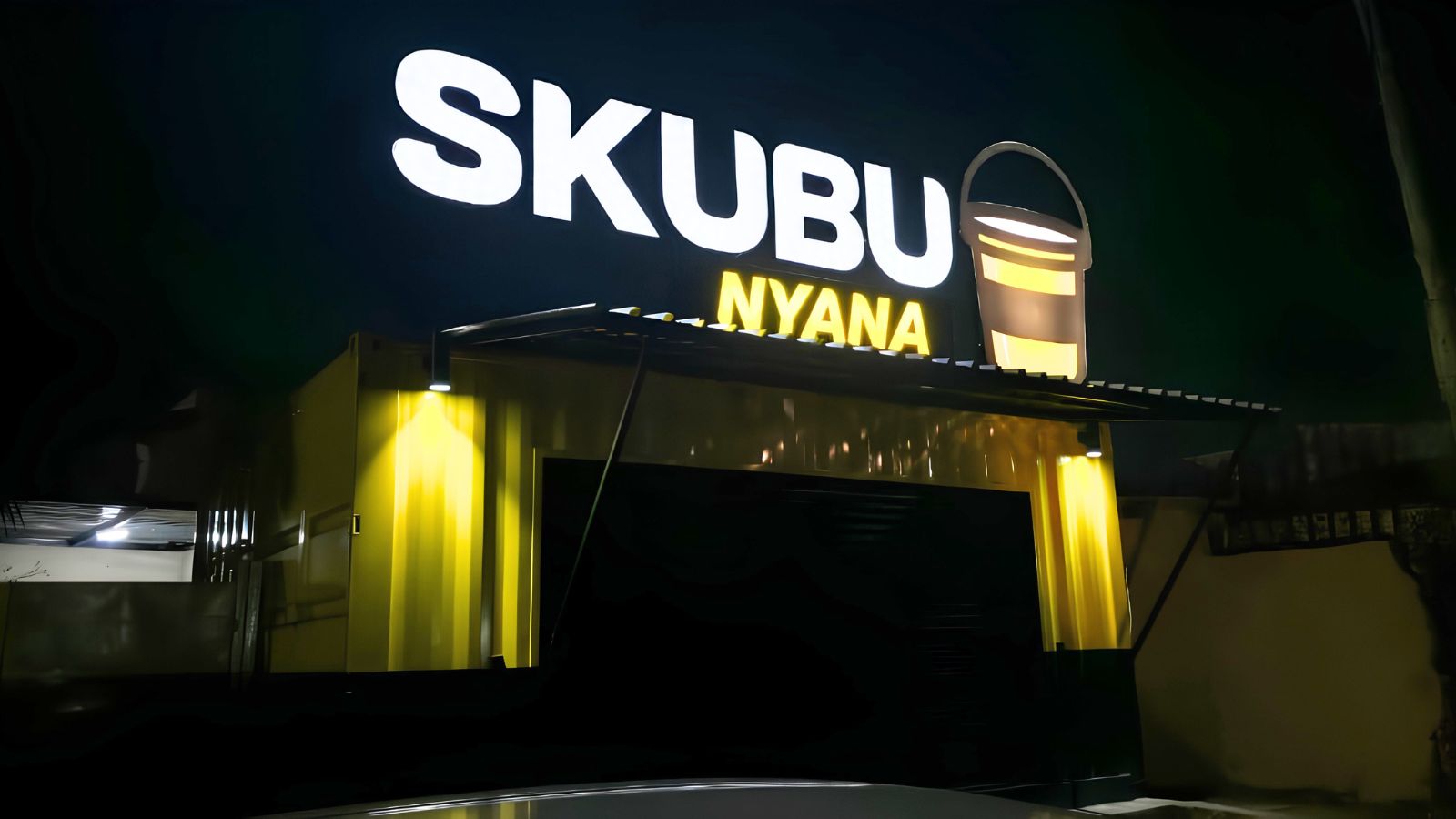
The company is now exploring expansion, including a container-based format called SKUBU Nyana, designed to bring smaller, modular stores closer to communities without requiring full retail infrastructure.
“SKUBU Nyana is the ‘baby’ of the family,” de Jongh explained, and described it as a compact version intended to reach deeper into underserved areas.
While the model also reduces single-use packaging and supports circular economy goals, de Jongh stressed that affordability remains the central objective.
He also stressed quality control, and said he would rather run out of stock than sell substandard goods, because many customers cannot afford to waste money on poor-quality products.
SKUBU – Photos















 Loading ...