

People working a 9-to-5 job in South Africa are in deep trouble


Recent statistics indicate that four out of five South Africans worry about money most of the time, with financial stress reportedly damaging focus, energy and motivation at work.
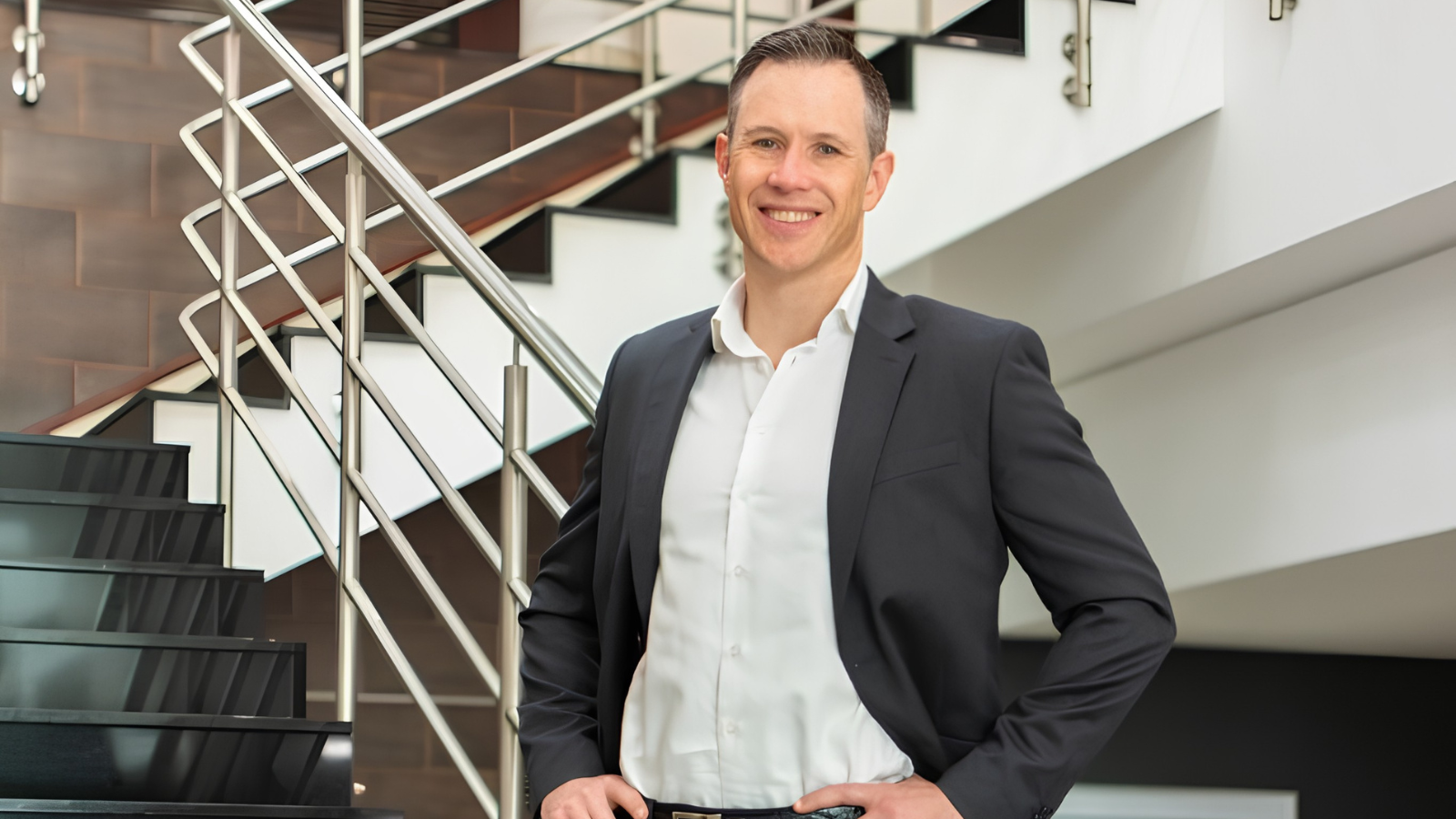
“Organisations are asking people to produce more, adapt faster, and carry a heavier cognitive load than they were three years ago,” said fintech company Wealthbit CEO Alex Cook.
According to the World Economic Forum’s 2025 Future of Jobs Report, 40% of employers worldwide anticipate reducing their workforce in areas where artificial intelligence can automate tasks. Meanwhile, 53% of leaders are prioritising efforts to enhance productivity.
Employers incur high costs due to absenteeism and presenteeism, totalling R250 billion per year. Additionally, replacement costs can range from 50% to 200% of an employee’s annual salary.
“Employees who understand how to manage their money are more likely to engage with retirement planning, make informed medical aid choices, and access employee assistance programmes (EAPs) support before crisis point,” said Cook.
Cook told Moneyweb Radio that while the resources allocated towards benefits by companies are making a difference, they are still not addressing the main issue.
“What we are finding is that individuals are spending an enormous amount on debt, and gambling is becoming more and more prevalent,” Cook said in the interview.
He noted that an interesting finding is that this concept applies not only to the lower end of the workforce but to 80% of the workforce, which means that the majority of the country’s workforce is under financial pressure.
“What we have seen has helped is where people are able to put systems in place in their personal lives that make their situation better; it’s about a systematic approach to making it better rather than episodic type intervention,” said Cook.
He said that many people are starting to look for alternative employment and jobs that offer even a small pay increase, indicating they are nearing breaking point.
Common employee benefits
According to Wealthbit, most formal employers offer medical aid; however, only about 15% of South Africa’s population has coverage.
In 2025, the premiums for most medical aids increased by 9.3% to 12.8%, which is roughly three times the inflation rate.
This rise in premiums means that either employers or employees must absorb these additional costs, contributing to the financial pressures they are already facing.
While medical aid provides protection against catastrophic health expenses, it does not alleviate the day-to-day financial burdens that employees experience.
Furthermore, Wealthbit indicated that the widening gap between premium costs and the services covered is a significant source of stress for employees.
Retirement funding is widely available in the formal employment sector; however, only 42% of members feel confident that they are saving enough for their retirement. About 6% of South Africans are currently on track to retire comfortably.
Notably, approximately 50% of retirement fund members choose to cash in their funds at some point, which can jeopardise their long-term financial security.
While retirement funding is crucial for long-term planning, Wealthbit said it fails to address the immediate financial stress employees may face.
Reportedly, around half of South Africa’s corporations provide Employee Assistance Programmes to their employees.
However, the utilisation rates are limited, with only 17% to 24% of employees taking advantage of these programmes.
This statistic indicates that as many as four out of five employees with access to EAPs do not utilise the services offered.
Approximately 60% of companies are currently reevaluating their remote work policies, and 82% are offering flexible start and finish times to their employees.


















 Loading ...