

South Africa’s biggest retailer opens 268 new stores in massive R3.9 billion expansion


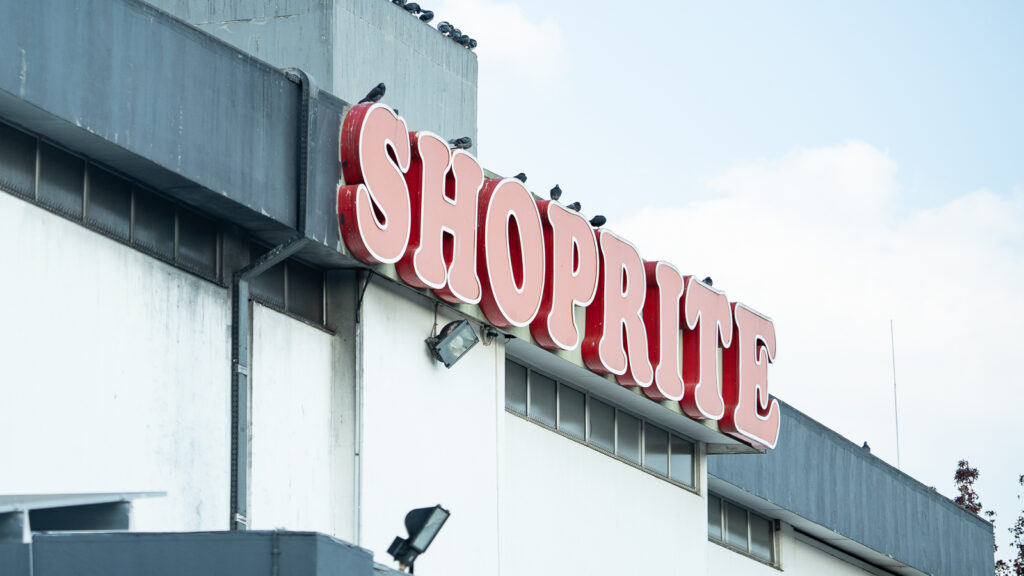
South Africa’s biggest retailer and largest private employer, Shoprite, has blown past its targeted store openings for the year, rolling out 268 new stores in a massive R3.9 billion expansion.
The group surpassed its target of opening 223 new stores in FY 2026, having achieved higher than the target in just 11 months.
The group said the store openings are part of its strategy to grow its omnichannel retail platform, built on a significant corporate-owned store base, for future growth.
The bulk of the openings were in its core segment, which contributes the lion’s share of group sales. However, its ‘adjacent’ businesses also saw rapid growth.
The retailer opened:
- 48 Usave stores
- 41 Shoprite supermarkets
- 30 Checkers supermarkets
- 92 LiquorShops
- 38 Petshop Science stores
- 13 UNIQ clothing stores
- 6 others
Notably, the adjacent businesses are growing far ahead of target, with Petshop Science exceeding its planned rollout by 65%, while UNIQ clothing more than doubled its rollout plan.
Petshop Science was launched in April 2021, making Shoprite the first South African supermarket group to enter the specialist pet retail market.
In just over three years, the concept has expanded rapidly in response to growth in the local pet economy.
Uniq was launched as a standalone clothing brand in March 2023, with its first store opening at Canal Walk in Cape Town.
The brand focuses on premium everyday clothing for the family and has since rolled out across most major shopping malls in South Africa.
Other brands that have launched in Shoprite’s ‘adjacent business’ segment include Checkers Outdoor and the new LittleMe baby-focused retail concept, which launched in 2021.
The rollouts have also cemented Shoprite’s position as South Africa’s biggest private employer. The group currently employs over 170,000 people, with the new expansions adding to the figure.
Thousands of new jobs were created throughout South Africa as the group expanded its footprint across all nine provinces, it said.
Gauteng led the growth with 82 stores opening, followed by the Western Cape (48) and KwaZulu-Natal (31), which together accounted for nearly 60% of all openings during the period.
“The group’s expansion strategy is supported by significant capital investment, with R3.9 billion spent during the first half of its 2026 financial year – much of it directed towards growing and upgrading the retailer’s core South African store network,” the group said.
Shoprite opening while competitors closing

Shoprite’s rapid expansion stands in stark contrast to its main competitors in the retail space, namely SPAR Group and Pick n Pay, which have been scaling down their operations in many respects.
Pick n Pay has been running a major store reset programme over the past two years, which saw the group close non-performing stores and convert many others to other brands in the stable, like Boxer.
The group noted in May 2026 that this programme is now largely complete, but it still saw the retailer shut down 56 stores across South Africa during its 2026 financial year.
The company closed 39 company-owned stores during the financial year, although this was partly offset by 33 converted openings.
Pick n Pay Clothing continued to expand despite the broader restructuring, with store numbers increasing from 396 in March 2025 to 419 by March 2026.
The biggest reduction came in the franchised business. Pick n Pay’s franchised supermarket footprint declined sharply from 260 stores in 2025 to 211 in 2026.
The retailer also significantly reduced its franchised liquor network, closing 29 liquor stores during the year under review.
Overall, company-owned stores increased from 971 to 992 over the period, but franchised stores declined from 697 to 620. This resulted in a net closure of 56 stores nationwide.
SPAR, meanwhile, has also been in recovery mode, pulling out of international markets to rather focus on its operations back home in South Africa.
In its interim results for the six months ended 27 March 2026, published this week, the group said that it faced significant pressure.
This included three main challenges: underperformance in KwaZulu-Natal, an ineffective Black Friday campaign that failed to deliver a return on investment, and residual balance sheet clean-ups.
In terms of its store footprint, the group reported a mix of local sales and disposals, flagging impairments from underperforming operations.
However, its overall store base saw a significant reduction due to the disposal of its international operations, particularly in the UK.


















 Loading ...