

Two South Africans built a business with R20,000, sold it for R3.2 billion, and then lost it all in 18 months


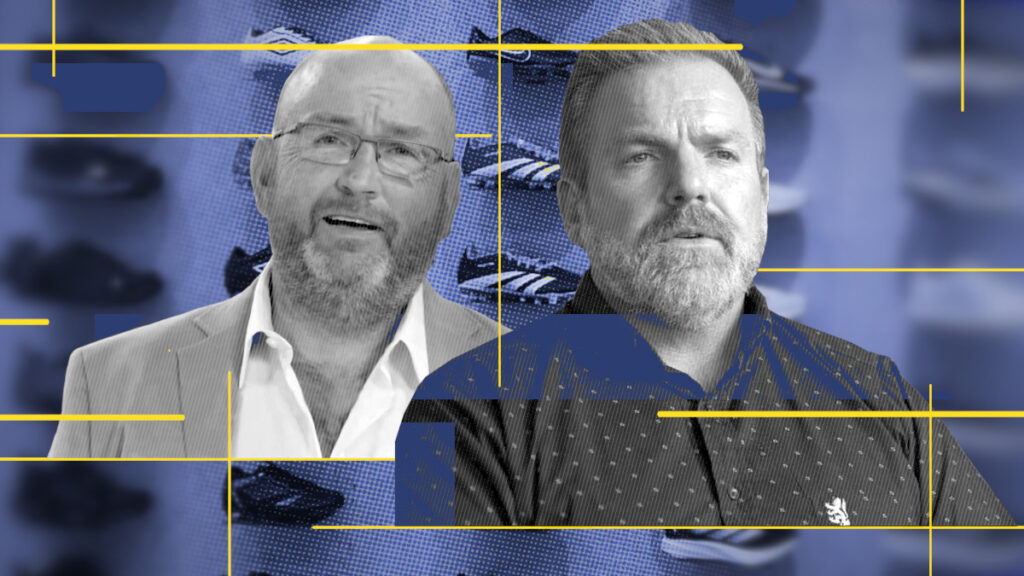
Bernard Mostert and Braam van Huyssteen built Tekkie Town from a R20,000 start-up into a business they eventually sold for billions of rands in shares of a company called Steinhoff.
Within 18 months, the value of the deal was effectively wiped out following the collapse of Steinhoff. Bernard Mostert described how he and Van Huyssteen lost everything at the 9th BizNews Conference in Hermanus.
Mostert started by saying that the credit for founding Tekkie Town belongs to Van Huyssteen, who started the business as a solo entrepreneur in 1989. “I didn’t start Tekkie Town, but I’ve been very fortunate to be associated with Braam,” he said.
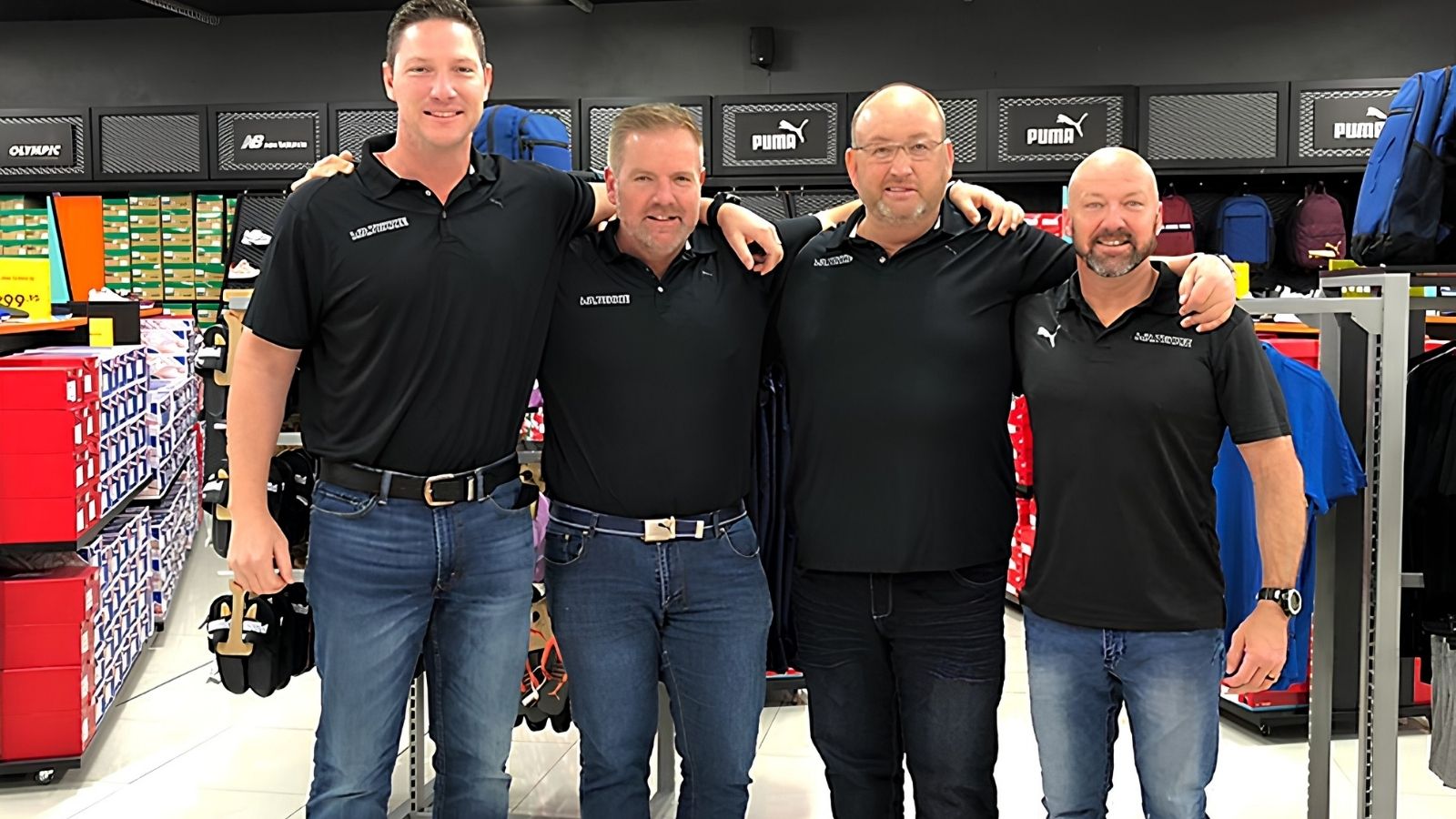
Mostert is the former Chief Executive Officer (CEO) of Tekkie Town. Working alongside founder Van Huyssteen, Mostert helped scale the business into a highly successful brand with hundreds of stores.
The business grew without external borrowing, with the original R20,000 eventually becoming R1.88 billion by the end of 2013.
“Never a single cent borrowed outside of that money,” Mostert said, describing the growth as roughly “90,000 times money”.
Tekkie Town continued expanding and eventually reached about 220 stores. In 2016, Steinhoff, then one of South Africa’s largest retail groups, acquired the business for R3.2 billion.
For Mostert, the deal initially appeared to be the culmination of years of work. But the relationship between the entrepreneurs and Steinhoff quickly proved difficult.
Major differences in corporate culture emerged even before the group’s accounting scandal became public.
Mostert said the entrepreneurs had operated their business without the kind of corporate benchmarking common in large companies.
They did not obsess over market-related salaries or other corporate measures; instead, they focused on building the business.
That changed when Steinhoff founder Markus Jooste raised the issue shortly before the deal was concluded.
“He said he’s discovered something very troubling to him in our deal,” Mostert recalled. Jooste had apparently been surprised by how little Mostert, Van Huyssteen, and other executives were paying themselves.
“He said it never came to his attention that we all earn what he termed peanuts,” Mostert said.
The comeback
Jooste presented them with proposed salaries that were substantially higher than what they had been paying themselves.
Van Huyssteen initially rejected the idea, with Mostert recalling that he described the proposed remuneration as “gluttonous”.
The pair eventually agreed to significant increases, but still accepted less than the amounts proposed.
Mostert said he took about 40% of the suggested salary, while Van Huyssteen took about 20%. Around 14 salaries were adjusted upwards.
However, the more significant development was that Jooste then reduced the purchase price of the business because the founders had previously been paying themselves below-market salaries.
Mostert said the episode taught him an important lesson about the dangers of being seduced by a corporate offer. “A salary is a very, very false sense of comfort,” he said.
Within roughly 18 months of the deal, Steinhoff imploded in what became one of South Africa’s biggest corporate scandals. The R3.2 billion transaction was no longer worth what the entrepreneurs had expected.
Mostert said the pair were outsiders who had not known about the fraud and had not put other assets into Steinhoff. Yet, after the collapse, they had to fight to regain their business.
Mostert and Van Huyssteen spent years involved in litigation and efforts to recover what they had lost. In 2021, Mostert said he recovered about R500 million in cash, together with a stake in Pepkor.
The experience fundamentally changed his view of selling a successful business. His advice to entrepreneurs who do not need the money was blunt: “My best advice to you is to do nothing.”
He said business owners should consider not only the immediate financial reward of a sale, but also the long-term value of what they have built, including their independence and relationships with employees.
“Don’t be seduced by the short-term benefits. Rather, look at what the compounding effect would be on where you’ve come to at that point, not just compounding effect financially, but in a lifestyle sense as well,” Mostert said.
For Mostert, the Steinhoff experience ultimately reinforced the value of loyalty and independence. “When greed walks in the door, loyalty walks out the door,” he said.
He and Van Huyssteen eventually moved on, rebuilding their interests through FrontierCo after rescuing House of Busby from business rescue.
Mostert said they put about R70 million into the new group initially, and that the money had since been repaid, with the business generating more than R1 billion in turnover.


















 Loading ...