

New mandatory tax for anyone renewing their car licence discs in South Africa


The Road Accident Fund (RAF) is looking for new revenue sources after five years with no change to the levy attached to petrol prices, which has reduced its income.
The fund is now proposing a significant hike in the Road Accident Fund Levy to R3.00 per litre, while exploring additional ways to charge motorists, including additional vehicle and driving licence renewal fees.
In the RAF’s annual report for 2025/26, the fund noted that its current funding model has been affected by reduced fuel volumes and levies remaining static.
The National Treasury increased the RAF levy for the first time in five years in 2026, hiking the tax by 7 cents per litre to R2.25, from R2.18 before.
The levy had been frozen at R2.18 per litre since 2021/22.
“The RAF has not received an increase in the fuel levy over the past five years. During the same period, inflation continued to erode the Fund’s real income,” it said.
The total revenue for the RAF decreased by 5% to R48.1 billion in 2025/26, compared with the previous period (2024/25: R50.8 billion). Net fuel levies accounted for 99.40% of the total revenue.
However, while the 7-cent-per-litre hike to the levy in 2026/27 was welcomed, the RAF said it was not enough.
Notably, even as the tax went up, collections were severely undercut by lower fuel sales volumes due to fuel price hikes driven by the Middle Eastern war and other inflationary pressures.
This has put this historically insolvent fund under even more pressure to “fund an unlimited claims trajectory”.
To address this, the RAF’s management is proposing increasing the fuel levy to R3.00 per litre to help stabilise its solvency position.
It said that it has made a proposal to the National Treasury through the Medium Term Expenditure Framework for a stronger levy of “up to R3.00 per litre”, in addition to Treasury capital support.
New charges on vehicle licence renewals

In an attempt to mitigate the fund’s going concern risk, the RAF said it has also implemented several other measures, including investigating additional revenue sources.
A key investigation here is the possibility of introducing the RAF Levy to more transactions.
This would include implementing the levy on all foreign-registered motor vehicles entering South Africa and attaching it to motor vehicle registration and/or licence renewals.
The RAF said the latter would specifically look to cover the rise of electric and Hybrid electric vehicles in South Africa.
Since electric vehicles do not consume fuel, they do not pay the current RAF levy and therefore do not contribute to the RAF, despite being granted the same benefits.
A tax on licence renewals has been under consideration for some time, with Minister of Transport Barbara Creecy confirming in July that it was being investigated.
Creecy noted at the time that the government is working on a new funding model for the RAF, adding that there was merit in a separate mandatory RAF fee.
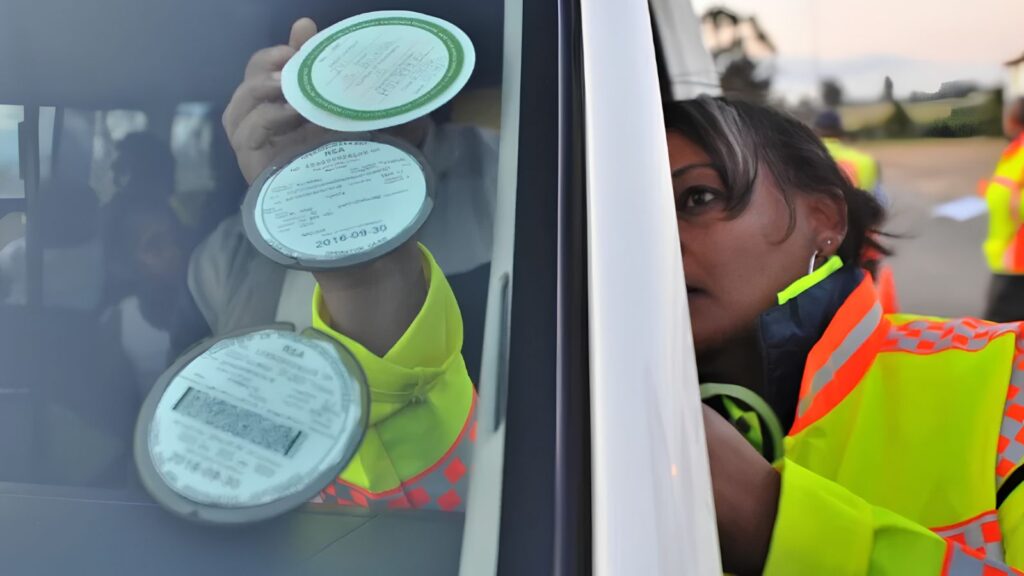
This would be tied to vehicle registrations and licence disc renewals, she said.
The Department of Transport argues that a new vehicle-linked transitional levy is needed to capture revenue from all road users.
















 Loading ...