

One man collects grants and makes R1 million paying zero tax in South Africa


A township butchery owner in South Africa earns around R70,000 a month from his business, collects rental income from backyard units and benefits from government grants.
However, he also pays no income tax. This was revealed by informal economy expert GG Alcock in his book KasiNomics Unleashed.
The book illustrates the scale of economic activity taking place outside South Africa’s formal business and tax systems.
According to Alcock, the butcher earns about R70,000 a month from his butchery and another R9,000 from renting out backrooms.
His wife brings in around R5,500 through income from piece jobs, while the household also receives childcare and old-age grants worth about R2,000 a month.
This puts the household’s monthly income and grant support at R86,500, or more than R1 million a year.
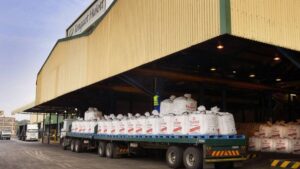
Alcock explained that the man buys products in bulk from the Johannesburg Market in City Deep before selling them in smaller portions in his township community.
“He has no paperwork. His business pays no rent, no utilities. He sees no need to formalise his business.”
Joe’s circumstances also show how informal businesses can operate alongside household income from property.
According to Alcock, Joe and his wife received an RDP house from the government around 2002 and retained it.
The couple subsequently built six additional rental units on the property. These generate between R750 and R1,500 per month each, with the units rented to foreign nationals.
His example is one of many types of informal entrepreneurs operating across South Africa, including bakers, spaza shop owners, goat breeders, mattress makers, coffee sellers and vetkoek traders.
The informal economy is estimated at about R900 billion and accounts for roughly 12.3% of gross national product and 19.5% of total employment, based on Statistics South Africa data cited in the research.
Some business leaders and economists have argued that the contribution could be considerably larger because much of the activity is difficult to capture through conventional economic statistics.
SARS has taken notice

Research by Standard Bank into township businesses has also highlighted the extent to which enterprises operate outside the formal economy.
Its survey covered businesses in Gauteng, KwaZulu-Natal, the Western Cape, Limpopo and North West, with annual turnovers ranging from R100,000 to R50 million.
Almost 80% of the businesses surveyed were unregistered, limiting their access to formal finance and other business opportunities.
However, the government has taken notice and is increasingly looking at this sector to broaden South Africa’s tax base.
Finance Minister Enoch Godongwana said SARS has identified the informal economy as an area with significant potential for additional tax revenue. The taxi industry is also among the sectors being targeted.
Godongwana said SARS is developing an Informal Economy Response Strategy aimed at gradually bringing previously unregistered businesses into the formal economy.
The strategy includes helping informal businesses register, understand their tax obligations, submit returns and pay amounts due.
Priority sectors include spaza shops, informal retailers, food services, personal services, construction and digital micro-enterprises.
The approach is already producing results. Since the 2024/25 financial year, SARS data triggers have resulted in 21,890 previously unregistered informal-economy taxpayers being registered.
These taxpayers have generated R314 million in additional revenue, with SARS planning to expand the programme.
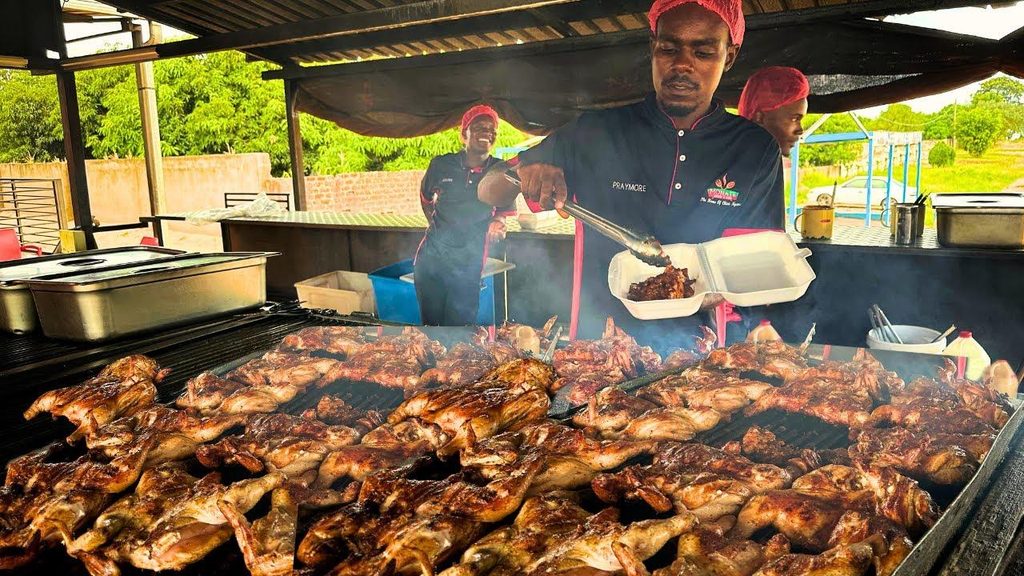
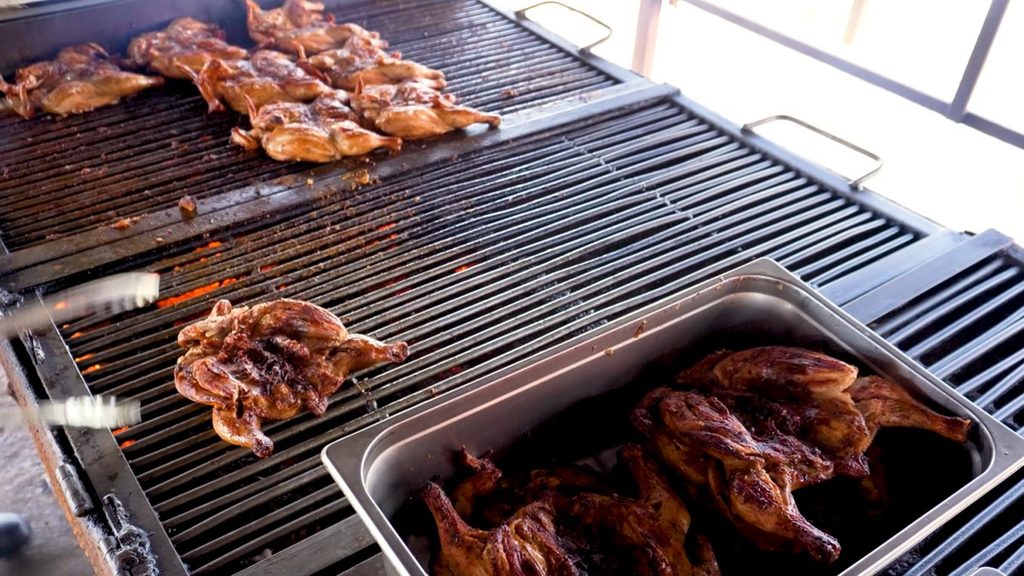
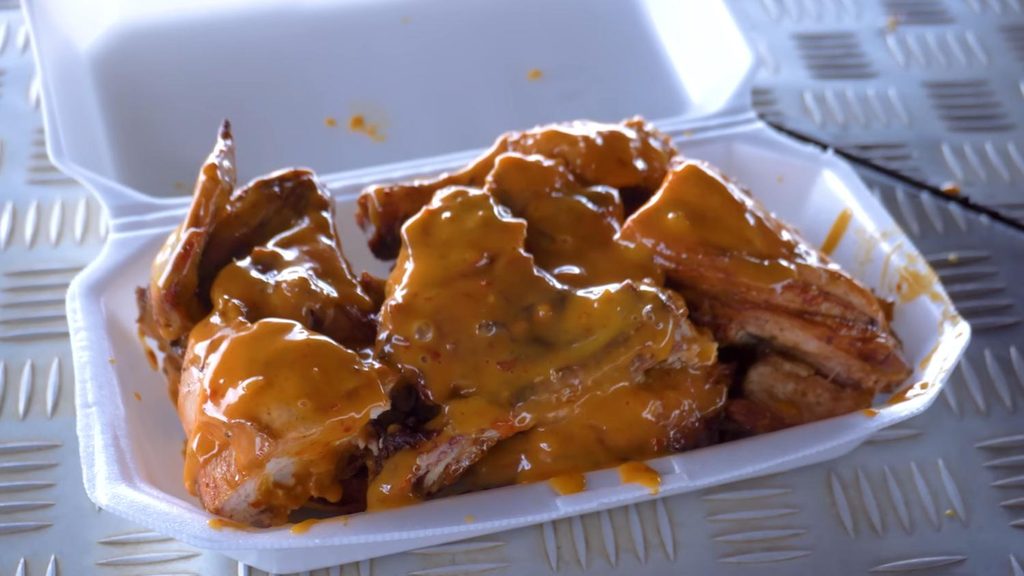
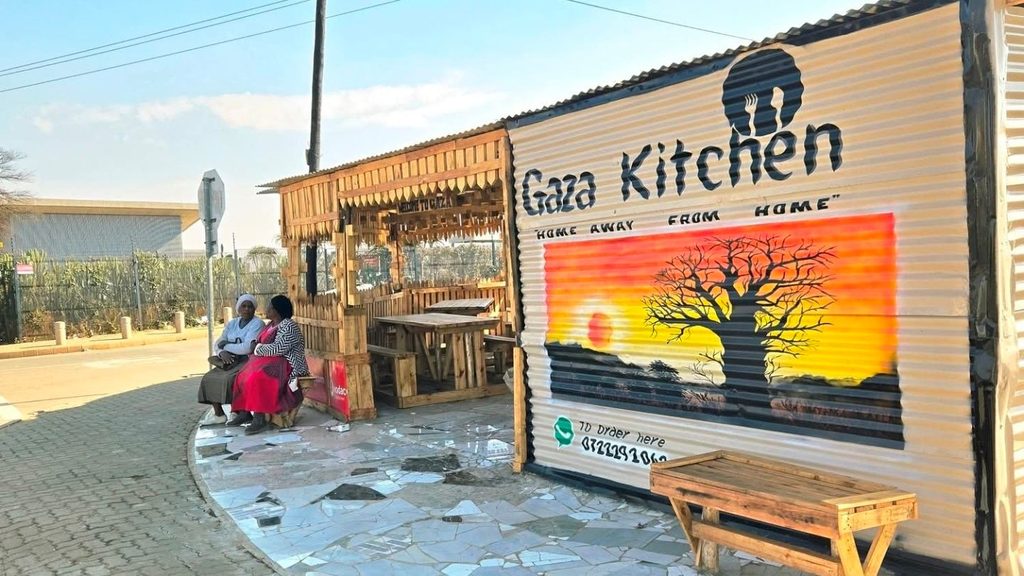
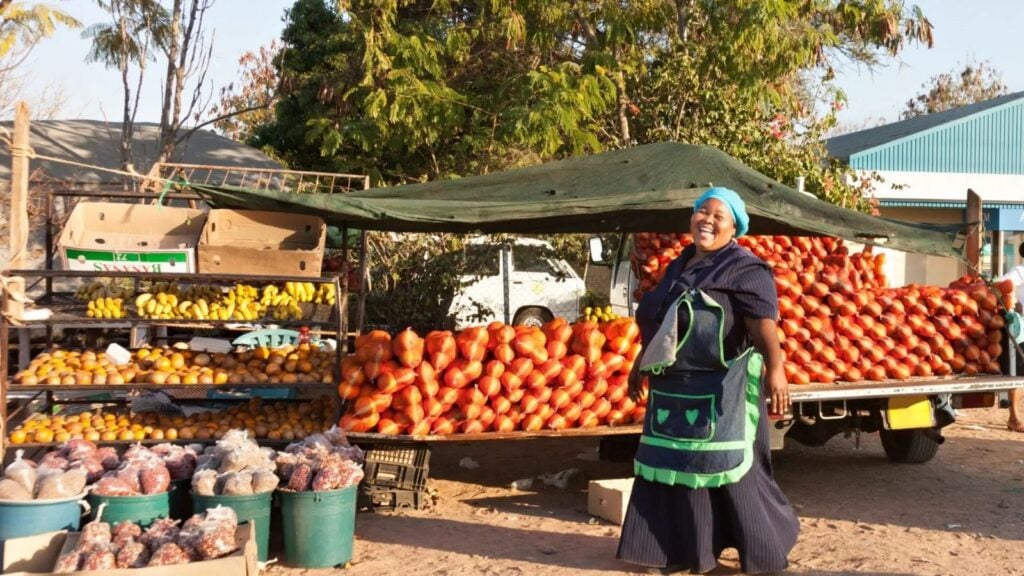
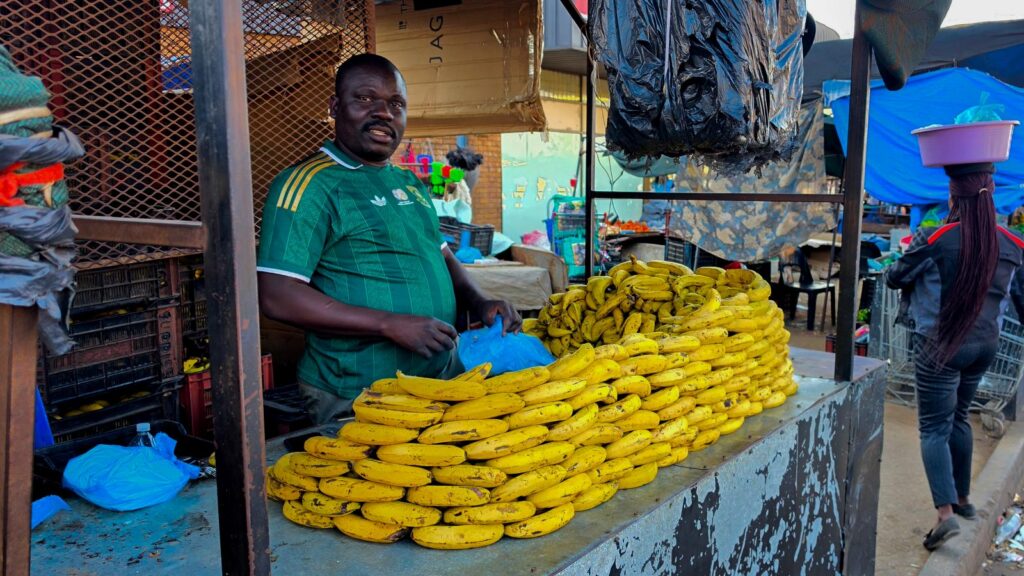
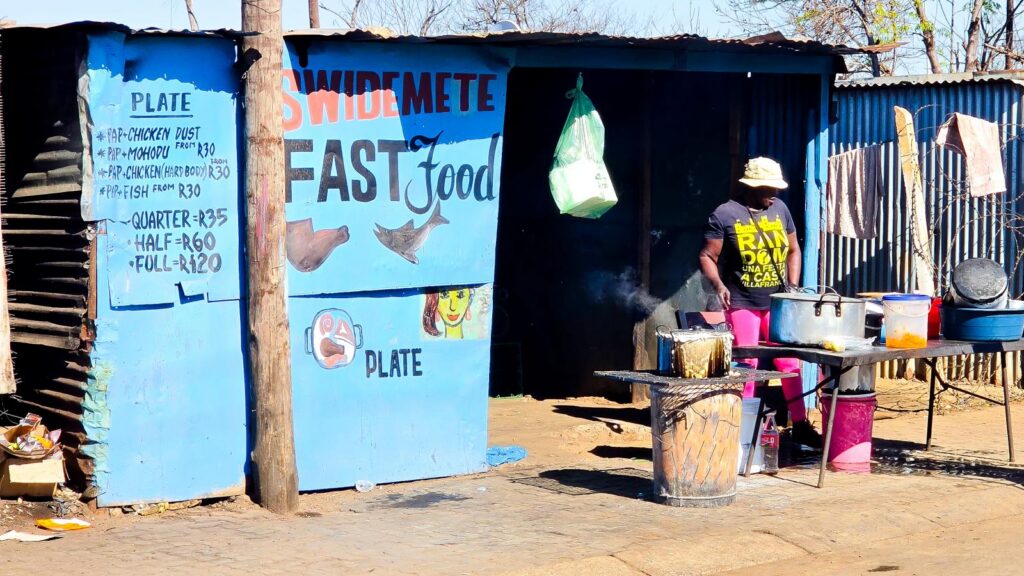
Some examples of informal economy businesses










 Loading ...