

The public school in South Africa that went from being the worst-performing to achieving a 94.7% matric pass rate in three years


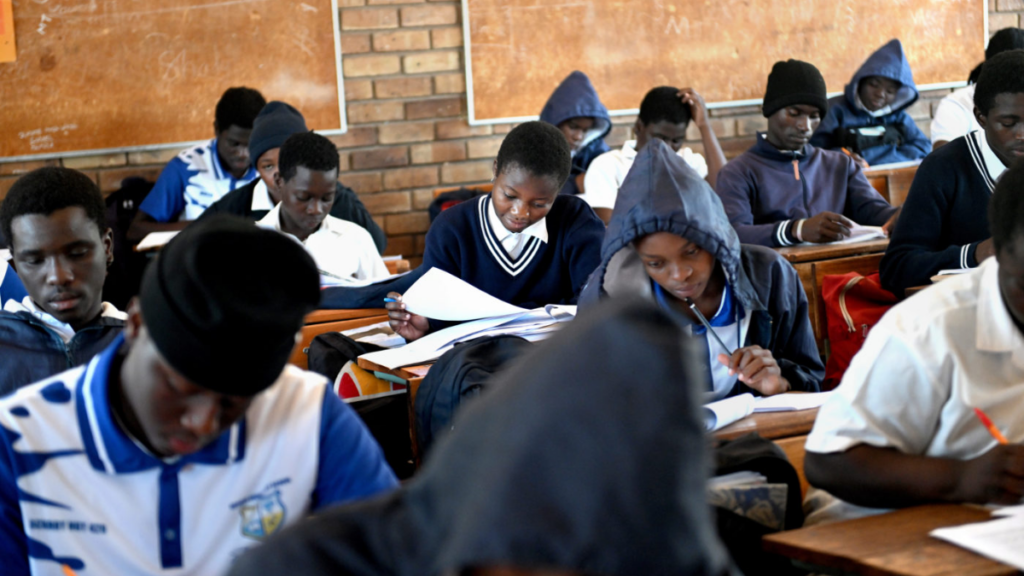
Hanyani Secondary School in Limpopo went from a 57% matric pass rate in 2023 to 94.7% in 2026—an increase of 37.7 percentage points, or 66%—after collaborating with the University of Johannesburg (UJ).
The school, which was once one of the lowest-performing in the district, has undergone a complete turnaround and is now one of the top-performing schools.
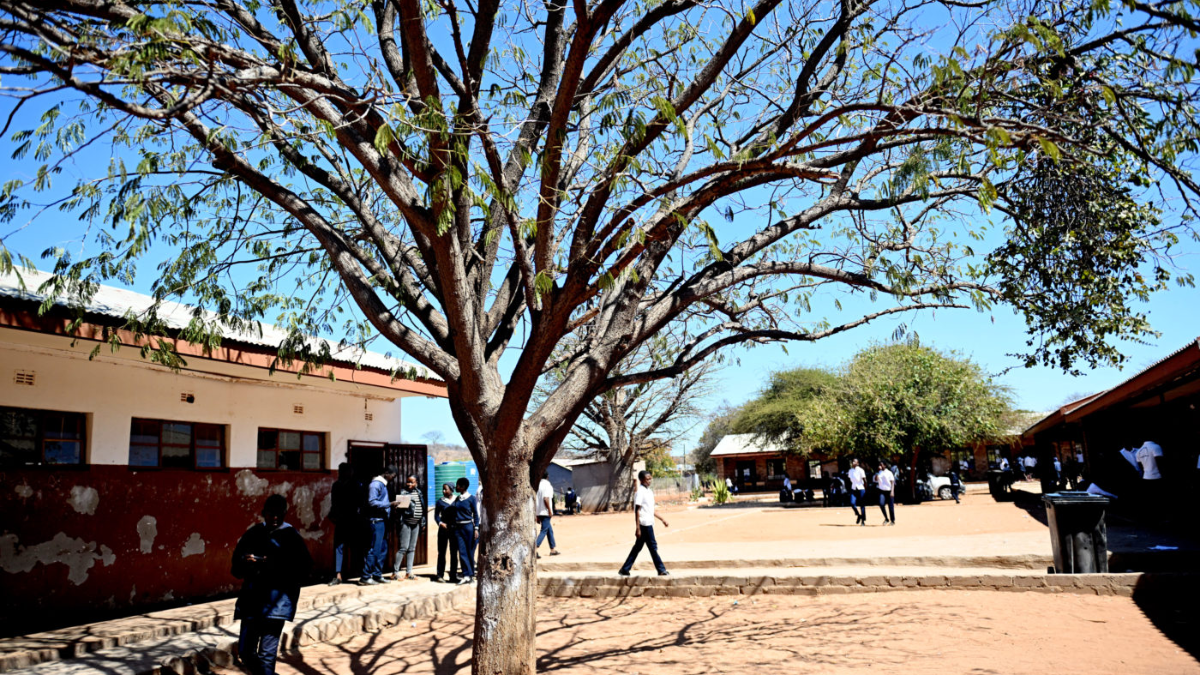
The school is located in the village of Tshipise Tshia Sagole, in the district between Thohoyandou and Musina in the northern parts of Limpopo.
Hanyani Secondary School is a public, no-fee-paying, co-educational high school with only 550 students, including 70 matrics, and only 14 teachers.
The school follows the local National Senior Certificate (NSC) curriculum under the Curriculum and Assessment Policy Statement (CAPS) framework.
The high school serves a cluster of villages located within a radius of about 15 km.
Most of the children who attend the school are from disadvantaged and child-headed households.
The principal had previously indicated that the school’s dropout rate was high due to child-headed households.
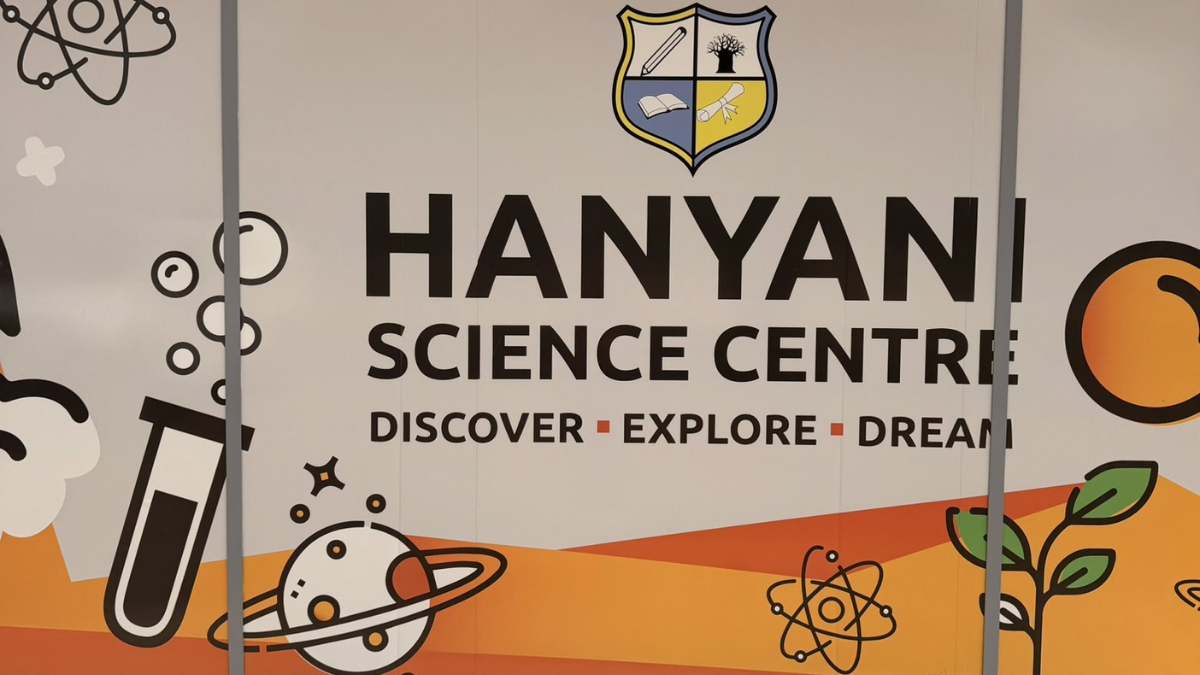
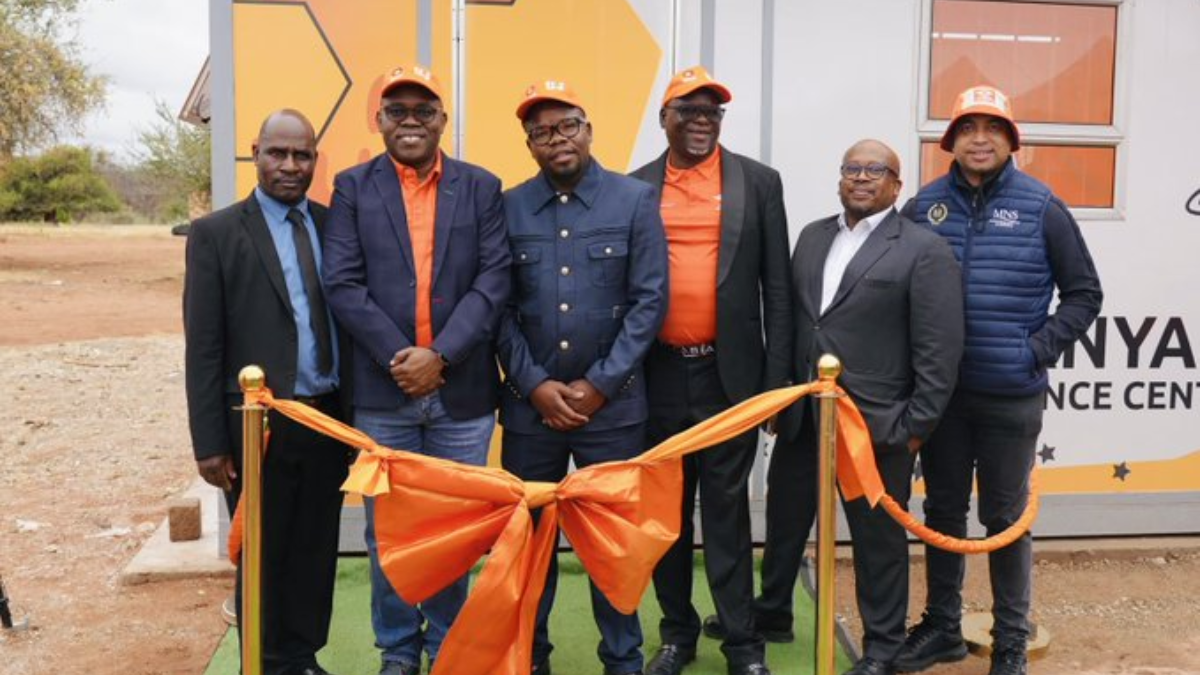
Hanyani’s matric pass rates began improving around the time the Tshumisano Learning Centre was established on the school premises.
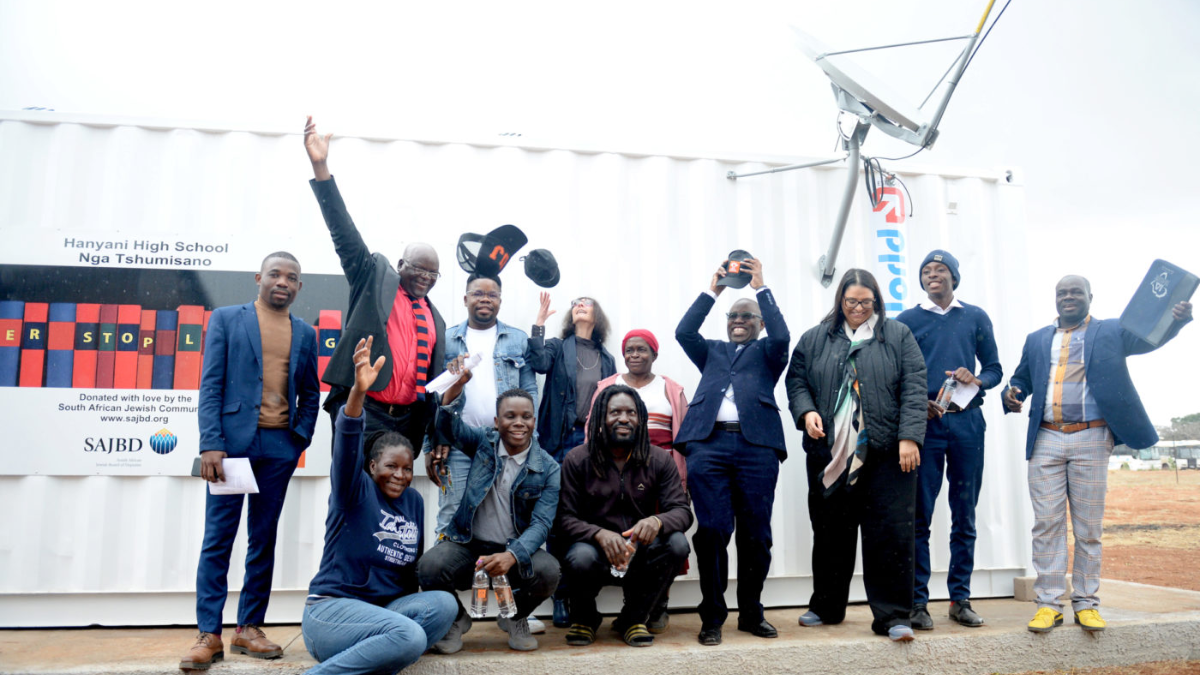
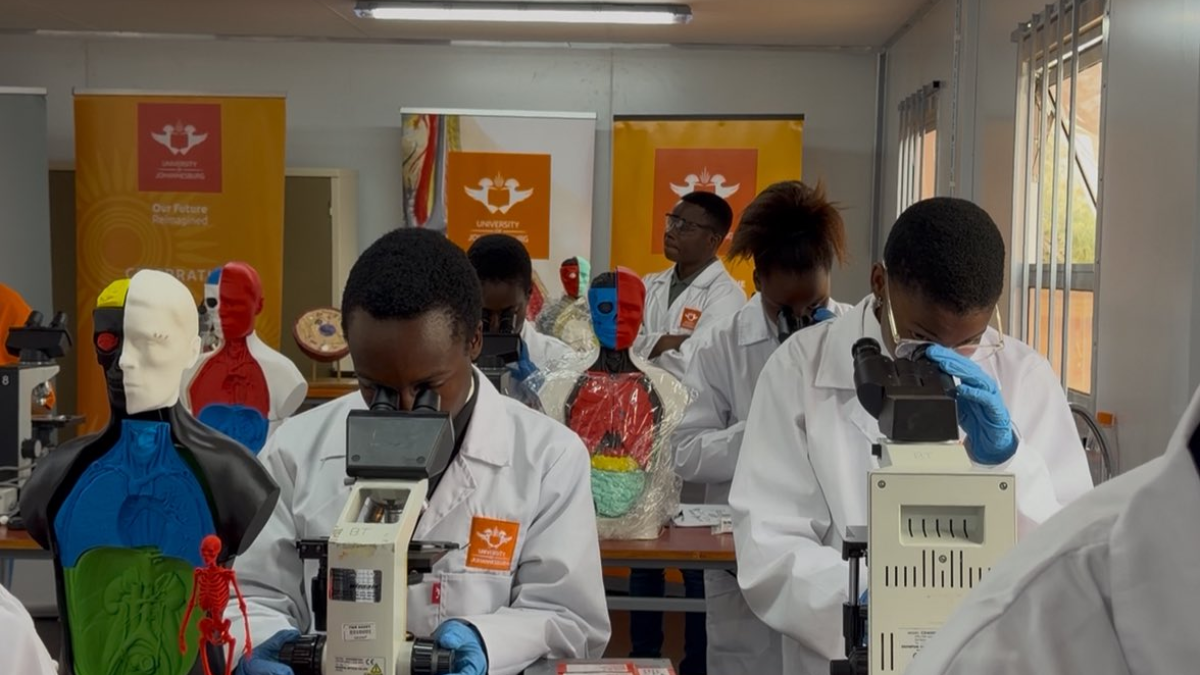
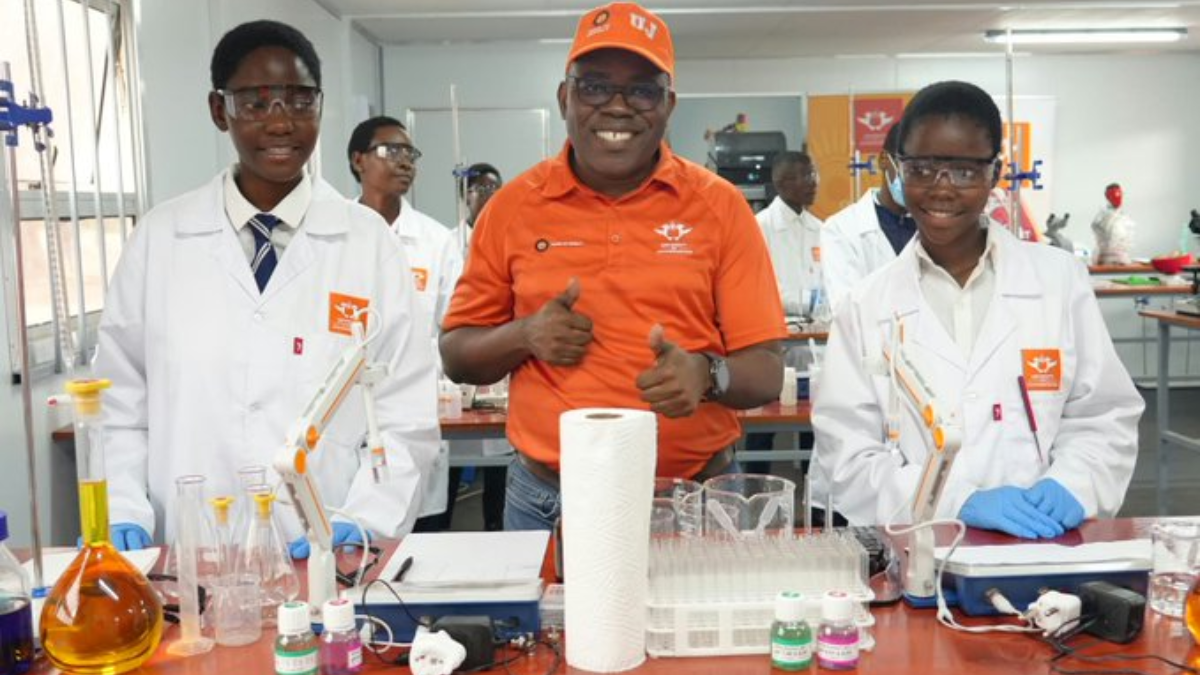
The Tshumisano Learning Centre, which was established in 2023 by UJ and the South African Jewish Board, is a facility powered by solar-powered lighting and satellite internet connection.
The centre is equipped with computers, books and updated learning materials for learners and teachers.
“This remarkable turnaround is credited to the collaborative efforts of the School Advisory Board, the principal, staff at Hanyani Secondary School, and UJ’s transformative UJ for Societal Impact project,” said UJ.
The school acheived 100% pass rate for science in 2025
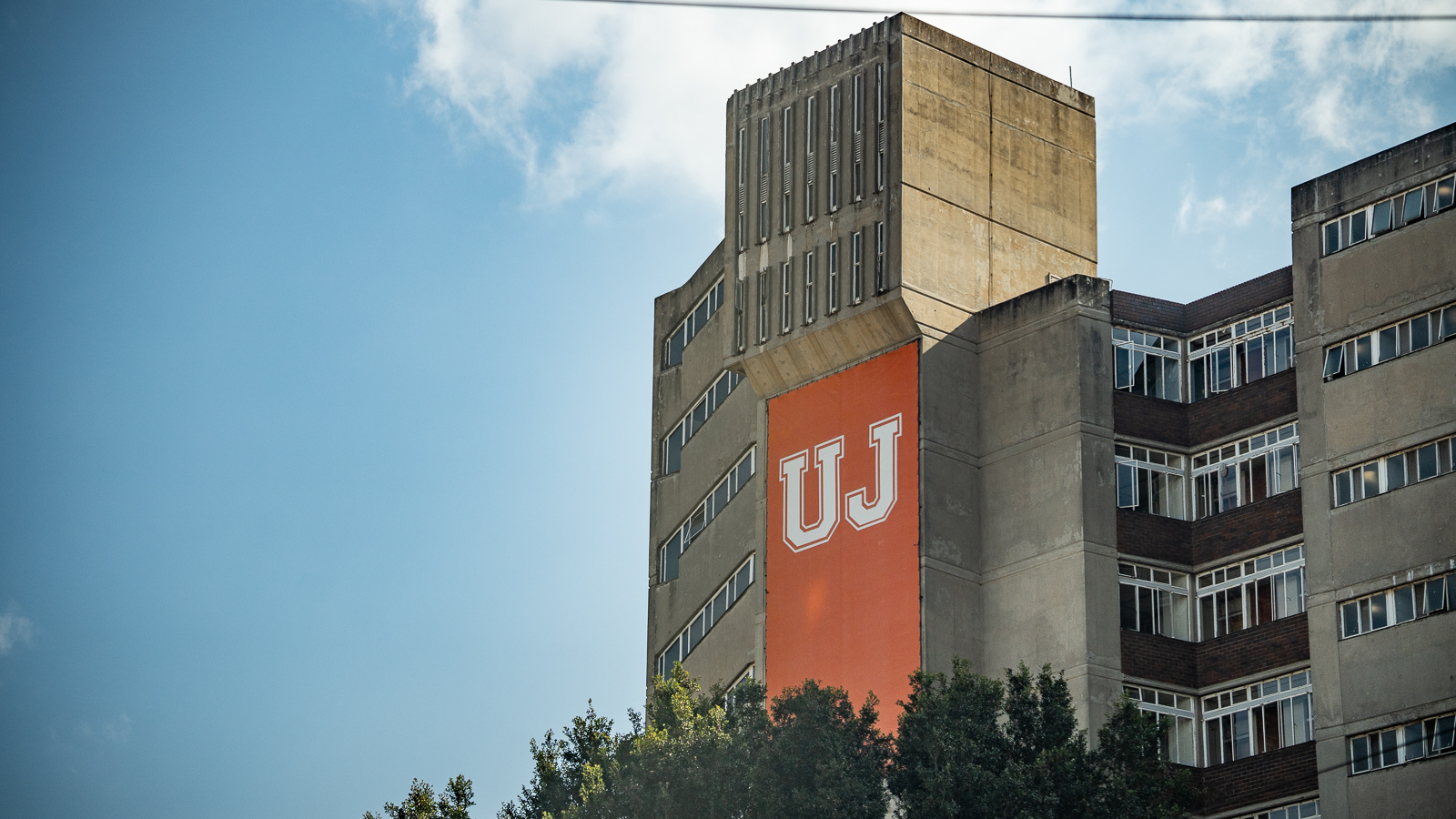
This initiative, which dates back to 2014, addresses infrastructure needs in the remote villages of Gwakwani, Matatani, and Mbodi, situated between Thohoyandou and Musina.
The project focuses on delivering sustainable solutions in energy, water, connectivity, and education, directly contributing to the UN Sustainable Development Goals (SDGs).
“UJ adopted a whole-of-institution approach for the UJ for Societal Impact project in 2024,” said UJ.
“In addition to solar lights provided by FEBE, the Faculty of Science supplied equipment for science practicals, the College of Business and Economics and the Faculty of Education trained staff to improve learner outcomes.”
UJ said that the Faculty of Health Sciences offered First Aid training, the Faculty of Humanities hosted a clothing drive, and the Faculty of Law secured a bursary for a deserving student. Other faculties also provided their support.
“It has not been easy launching a project at a place that is so remote from the university, but we are so pleased to see our work making a positive impact. We hope the school continues to be a beacon of hope,” said FEBE Executive Dean, Professor Mashao.
“We are grateful to UJ for the interventions and assistance they have given to the school; the impact is evident in results,” said Hanyani Secondary School Principal, Thifhelimbilu Ndou.
In 2025, one year after the Tshumisano Learning Centre was built, the school achieved a 100% pass rate in Science and 84,6% in Mathematics.
“We have come so far from where we were before, and it is thanks to you. We have done so very well…this is good, this is precious, this is wonderful,” said Ndou.
Ndou acknowledged UJ in its success and said that the improvement in the results has motivated the learners and the teachers.
“We are here because of you, and for that we are grateful,” said Ndou.
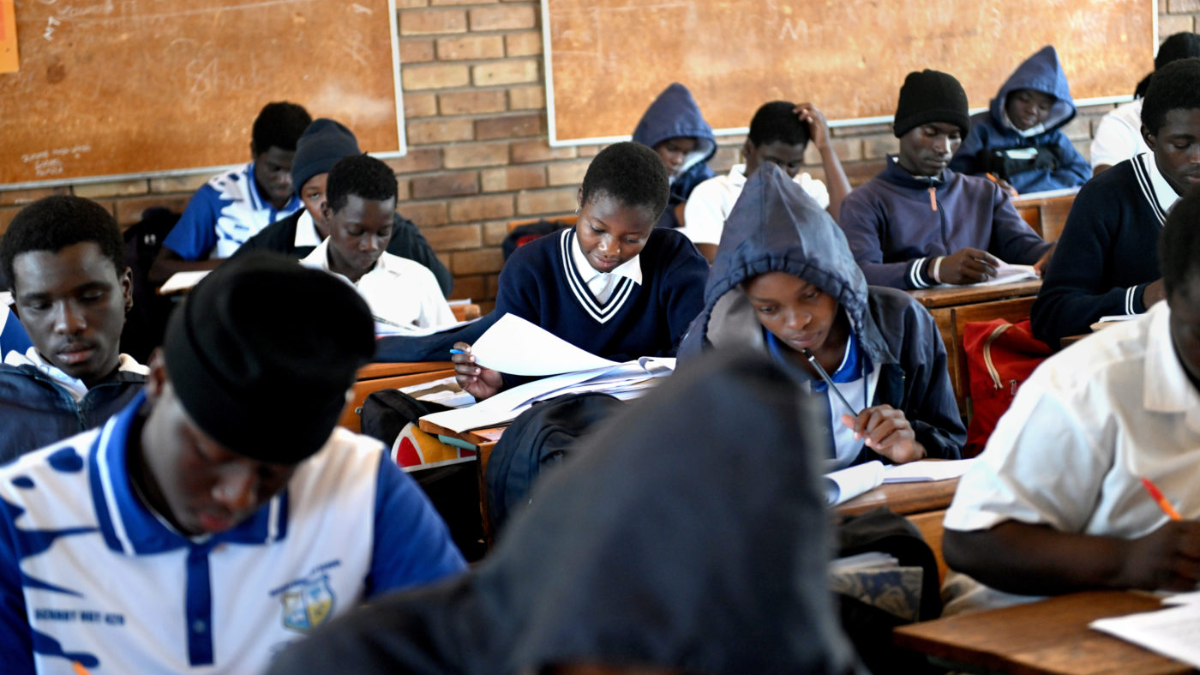
Photos of Hanyani Secondary School in Limpopo












 Loading ...