

What the high oil price means for South Africa’s petrol, food prices, and interest rates


Oil rose past $80 a barrel on Tuesday (22 May), supported by concerns that falling Venezuelan crude output and a potential drop in Iranian exports could further tighten global supply.
The Brent crude global benchmark traded at $80.32 a barrel at close 18h30, but was trading at a slightly stronger level at $79.05 at 11h00 on Wednesday morning.
While economies across the world are feeling the effects of these higher levels, South Africa is at a higher risk – especially if the high levels coincide with a further weakening of the rand, according to Old Mutual multi-manager, Dave Mohr.
“This will put some upward pressure on inflation, but is unlikely to result in the Reserve Bank hiking interest rates immediately,” he said.
“It does, however, mean that the next move in the repo rate could be higher. The higher oil price will also lead to a larger import bill, putting pressure on the current account deficit. Higher fuel prices will also increase transport costs for companies and households.”
Mohr noted that the high price must also be adjusted for growth in household income over time, which shows that the rand/oil price is actually still below its five-year average.
“In other words, as much as investors like round numbers, $80 oil does not have the same impact today as it did when it crossed that threshold for the first time in September 2007 and then again in late 2010,” he said.

Petrol
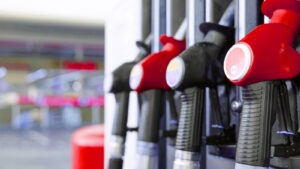
According to the Automobile Association (AA), South Africans can expect yet another substantial fuel price hike at the end of May, thanks in part to rising international oil prices.
Commenting on unaudited mid-month fuel price data released by the Central Energy Fund, the AA said that South African fuel users are currently facing increases of 74 cents a litre for petrol, 81 cents for diesel, and 78 cents for paraffin. The AA expressed concern over the impact of these price hikes on the economy.
“Rises in the fuel price increases the cost of doing business, and companies have few options but to pass these costs on to consumers. Worryingly, people who use illuminating paraffin for lighting, heating and cooking will suffer a further blow as the country heads into winter,” the Association said.
Read: Petrol price increase could be even higher than expected in June: Dawie Roodt
















 Loading ...