

Forced removals and R30,000 fines for some homeowners with solar in South Africa


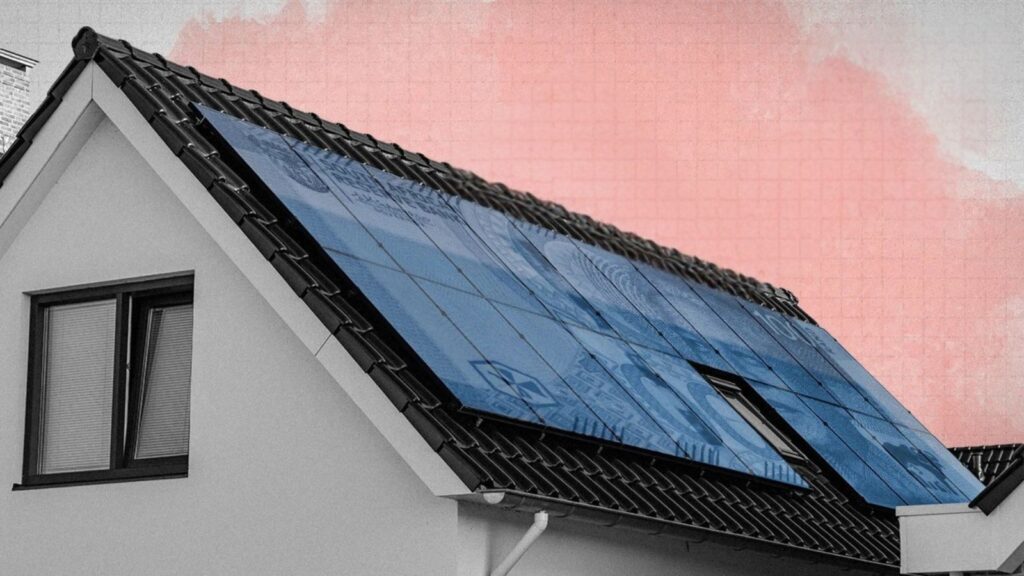
South Africans who invested in rooftop solar to escape load shedding are being warned that going off-grid could become costly if they do not comply with increasingly strict regulations.
This is the feedback from Paul Stevens, CEO of Just Property, who said many homeowners are at risk of falling into a “solar debt trap” as municipalities, Eskom, insurers and bodies corporate tighten enforcement around solar installations.
While rooftop solar has become a popular solution to South Africa’s electricity challenges, Stevens said homeowners need to understand that owning a solar system now comes with significant legal, financial and administrative responsibilities.
“We’re seeing a worrying trend in which homeowners view solar as a ‘set-and-forget’ solution to load shedding,” he said.
“In reality, though, an uncertified or unregistered system isn’t an asset; it’s a legal and financial liability that can derail a property sale or leave a family exposed if disaster strikes.”
One of the biggest risks facing homeowners is the growing crackdown on unregistered solar systems.
Stevens described the 30 September 2026 registration deadline as a “ticking clock”, warning that homeowners who fail to register could face substantial costs.
“The current waiver on registration fees offers significant savings for those who act before the 30 September 2026 deadline,” he said.
“After that, the ‘solar fine’ will be the least of their worries compared to the backdated fees and risk of disconnection.”
While Eskom has previously softened its stance on penalties, Stevens noted that municipalities can still impose administrative charges of around R6,000 as well as capacity-based penalties that could push fines as high as R30,000 for some homeowners.
At the same time, insurers are becoming far stricter about solar compliance. Stevens said many homeowners incorrectly assume that standard building insurance automatically covers solar installations.
“If you can’t produce a valid Certificate of Compliance (CoC) or an ‘as-built’ report like the PV GreenCard, your insurer may have grounds to void your entire building policy.”
Forced removals in sectional titles and estates

Owners living in sectional title complexes and estates also face challenges. Stevens said many residents mistakenly believe they have the right to install panels on their roof without approval.
However, roofs in sectional title developments are generally classified as common property, meaning homeowners must follow the legal processes set out in the Sectional Titles Schemes Management Act.
“Owners usually require a Special Resolution (75% approval), or they need to have the roof space designated as an Exclusive Use Area before they can legally install solar panels,” he said.
“Without one or the other, bodies corporate can force them to remove the unapproved panels at their own cost, which could be around R100,000 or more.”
Stevens also warned homeowners to be cautious when selecting installers. He said some operators cut costs by using equipment that does not meet municipal requirements or South African wiring standards.
“If your system doesn’t meet the specifications, you’re essentially pouring money down the drain because you’ll have to replace it to achieve legal compliance.”
Adding to the financial pressure, many municipalities are introducing fixed network and availability charges that apply even when households use little or no grid electricity.
Although solar can increase a property’s value by between 3% and 4%, Stevens stressed that this premium increasingly depends on the system being properly registered as a Small-Scale Embedded Generation installation.
“Compliance is now the only way to ensure that your ‘green’ investment will actually pay off when you sell,” he said.














 Loading ...