

Price of petrol and diesel should be under R22 per litre right now in South Africa


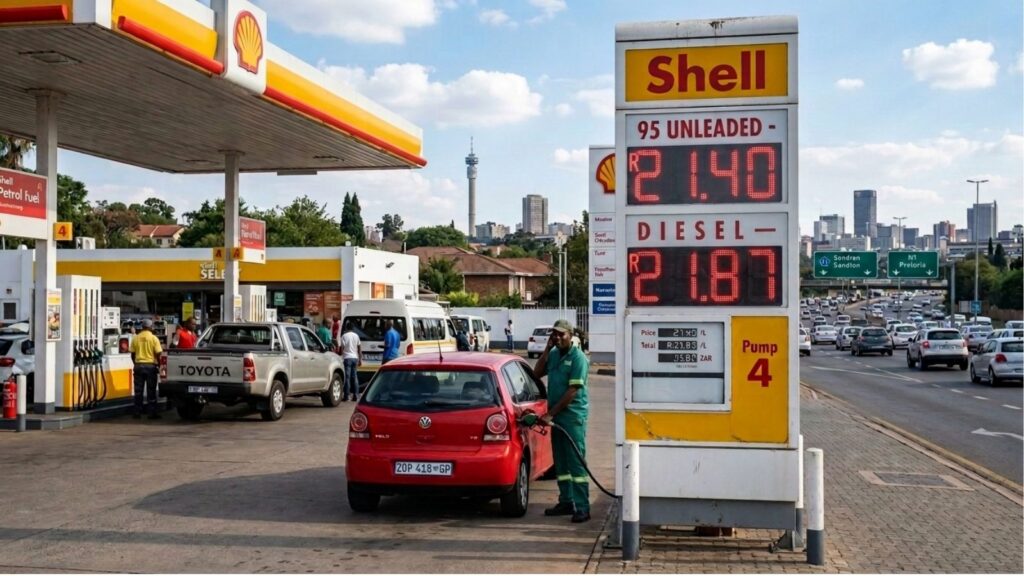
South African motorists would be paying less than R22 per litre for petrol and most diesel grades if several government-imposed taxes and levies were removed from the fuel price structure.
Current fuel price data for June 2026 shows that a significant portion of what motorists pay at the pump goes toward state taxes and levies. The guideline price for 95-octane petrol in June stands at R28.06 per litre.
Of this amount, R6.66 per litre consists of the General Fuel Levy, Customs and Excise duty, the Road Accident Fund (RAF) levy and the Slate Levy.
Without these charges, the price would fall to R21.40 per litre. These taxes account for 23.7% of the total fuel price.
A similar picture emerges for diesel. The guideline price for 0.05% sulphur diesel is R27.93 per litre, with R6.06 per litre made up of the same taxes and levies.
Excluding these charges would reduce the price to R21.87 per litre. For 0.005% sulphur diesel, the guideline price is R28.76 per litre, but would drop to R22.70 per litre without these taxes.
The issue has come into focus as motorists look set to receive some relief at the pumps in July, according to the Central Energy Fund (CEF).
According to Investec Chief Economist Annabel Bishop, stronger fuel price over-recoveries, a firmer rand and improving global oil market conditions are helping to lower fuel costs.
Although the National Treasury’s decision to fully restore fuel taxes will offset some of the gains, over-recoveries remain positive.
Petrol’s over-recovery is expected to be reduced by R1.50 per litre, while diesel’s over-recovery will be cut by R1.96 per litre.
The broader debate, however, is on whether fuel taxes have become too large a burden on consumers and the economy.
Wayne Duvenage, CEO of the Organisation Undoing Tax Abuse (OUTA), argued that motorists are carrying an unfair share of the country’s fiscal challenges through fuel levies.
He said South Africans could no longer afford the high taxes imposed on fuel and maintained that the government should focus on tackling waste, inefficiency and corruption instead.
Campaign for a permanent reduction in fuel taxes
According to Duvenage, corruption and maladministration cost this country far more than the revenue generated through fuel levies.
He added that reducing the tax burden would force the government to improve efficiency and cut wasteful expenditure.
The Automobile Association (AA)’s CEO, Bobby Ramagwede, has also warned that high fuel taxes have consequences beyond the motorists filling up their cars.
Ramagwede said levies such as the General Fuel Levy and the RAF levy contribute to higher inflation because fuel costs feed into the prices of goods and services across the economy.
He noted that poorer households are particularly vulnerable, as increases in transport and food costs tend to hit low-income consumers the hardest.
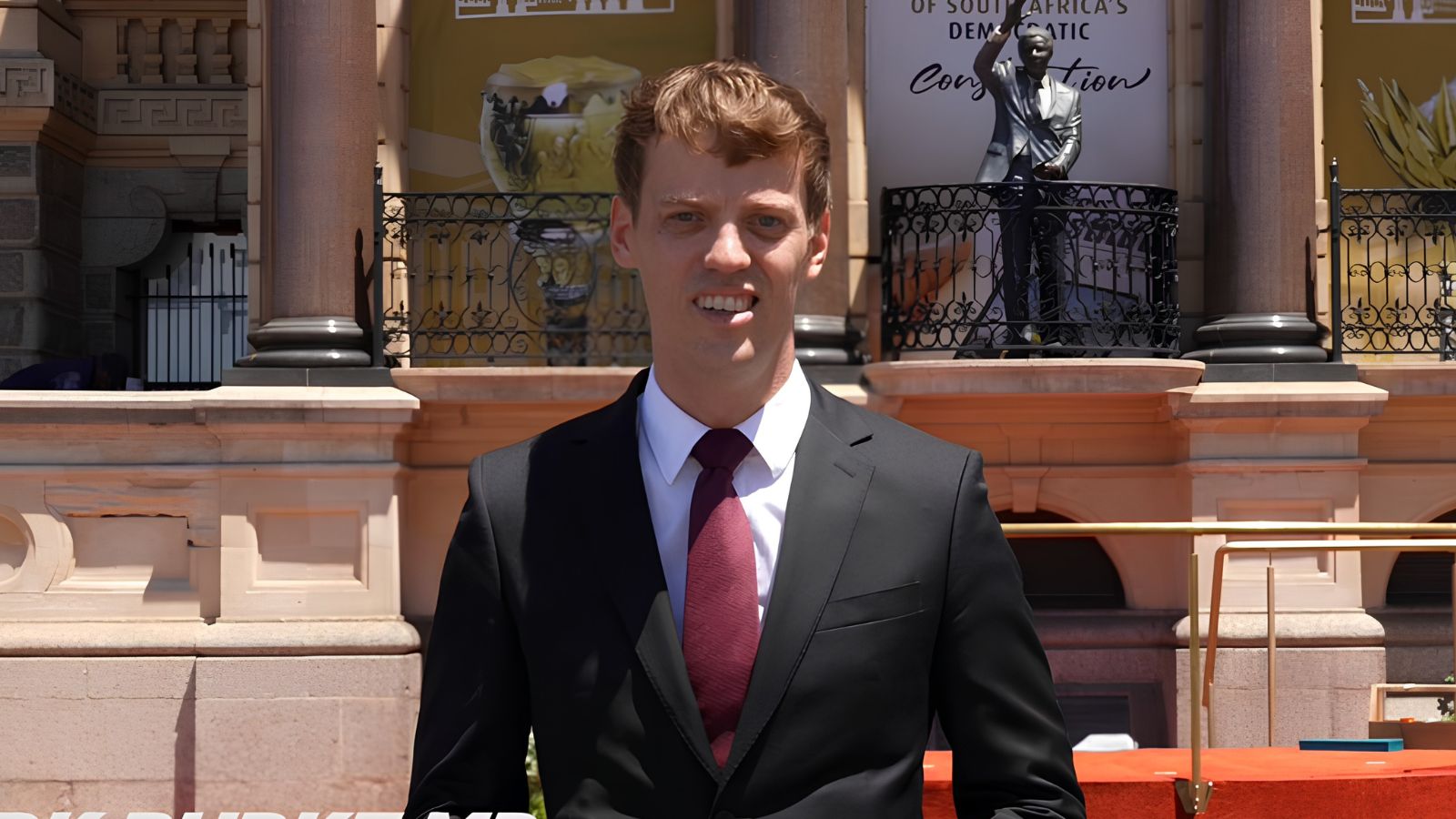
Among the strongest advocates for fuel tax reform is Democratic Alliance (DA) finance spokesperson Dr Mark Burke, who is campaigning for a permanent reduction in fuel taxes.
In an interview with BizNews, Burke said South Africans are already burdened by numerous forms of taxation and cannot continue absorbing higher fuel costs.
“The average South African that pays taxes pays between eight and 12 forms of taxes, which include value-added tax, personal income tax, fuel levies and rates, and the list just goes on,” Burke said.
He rejected arguments that higher taxes are necessary to protect public services. “It’s an absolute ANC lie to say to people, ‘Well, no, those have to increase, otherwise frontline services like policing and education and health will suffer,’” he said.
Burke argued that the government should prioritise cutting waste, corruption and inefficiency. “We need to have the political will to become more efficient,” he said.
He added that South Africa should pursue a more competitive, market-oriented fuel sector, where lower levies and greater efficiency deliver lower prices to consumers.
“We should be a prosperous country. We should be a place that’s able to tap into the resources for the benefit of South Africans,” Burke said.










 Loading ...