

South Africa heading for a cliff – and people will have to pay more to avoid it


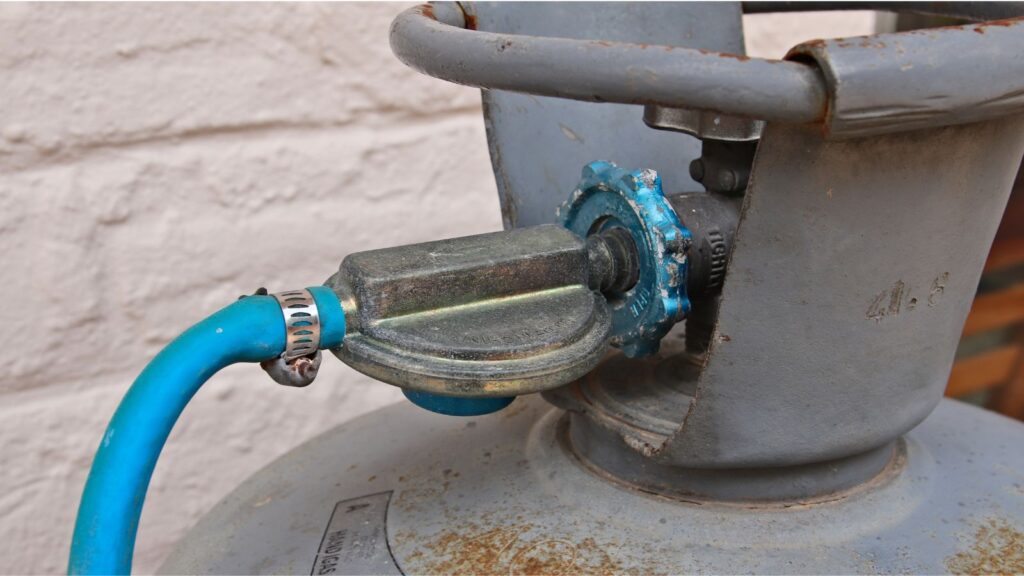
South Africa is still heading towards a “gas cliff”, with Sasol expected to cut gas supplies to customers from 2028, creating significant risks for households, industry and the broader economy.
Even if South Africa manages to secure alternatives, households and businesses will likely have to pay higher prices for their gas.
This is the feedback from Davies Tsikayi, Lecturer at the Wits Business School African Energy Leadership Centre and Associate Partner at Africa International Advisors.
Tsikayi explained that the term “gas cliff” refers to a complete supply cutoff rather than a gradual shortage.
“What Sasol did was announce to the market that come 2028, they will need to cut supply to the market,” he said in an interview with 702 Drive.
“What that means is that industries and residential areas that rely on this gas supply from Sasol will no longer be receiving it. That’s got huge implications for South Africa.”
He added that, unless an alternative source is secured, South Africa will effectively have no gas supply available to meet many industrial and domestic needs from 2028.
The biggest concern is the impact on industry, where natural gas is widely used for heating and industrial processes.
Tsikayi said between 70,000 and 100,000 jobs depend directly on gas supply, while a further 500,000 jobs, both direct and indirect, are linked to these industries.
“They’re using gas for industrial burners and for heating requirements, for different processes that require heat as a source of energy. As a result, you can see there are massive implications for the economy,” he said.
He estimated that around 5% of South Africa’s GDP could be affected if gas supplies are cut without a replacement.
While efforts are underway to secure alternative imports, Tsikayi said significant infrastructure challenges remain.
He pointed to developments at the Richards Bay LNG terminal, where ExxonMobil and Eskom recently signed a heads-of-agreement with the terminal operators.
Solutions will come at a higher price
However, transporting imported gas from Richards Bay to the country’s main industrial centres in Gauteng and Mpumalanga will be difficult.
He added that another solution being explored is unlocking gas supplies from Matola, Mozambique, and transporting them via the ROMPCO pipeline to Gauteng.
Although global gas markets remain volatile because of ongoing geopolitical conflicts, Tsikayi said South Africa still has time to secure supply if action is taken urgently.
“The market currently is quite volatile because of the wars that we’re seeing, but hopefully by 2028, when South Africa needs to get this done, we can have a solution in place,” he said.
He noted that major international energy companies, including ExxonMobil and TotalEnergies, could help guarantee LNG cargoes for South Africa if the necessary import projects move ahead.
“What this calls for is urgency to address this gas cliff because it is something that is coming, and we’re two years away from it,” he said.
Even if replacement gas is secured, Tsikayi warned it is likely to be significantly more expensive than current supplies.
“LNG will come at a higher cost compared to the supply that we’re currently having right now,” he said.
He also noted that Sasol is exploring a temporary bridging supply using methane-rich gas, but that this would also come at a higher price.
“Whatever options are available to the industrial market, there’s going to be a financial hit that they will potentially face, and that will be passed down to consumers. Overall, that will lead to a higher cost of living,” Tsikayi said.


















 Loading ...