

South Africans have taken an insane amount of money overseas


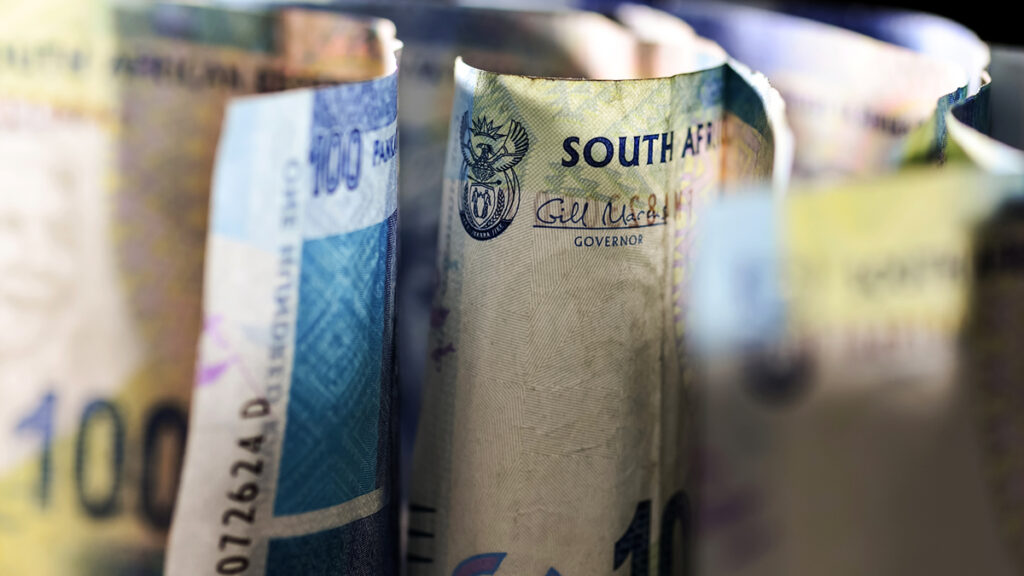
South Africans have more than doubled their holdings in foreign assets over the last decade – an indictment on the state of the local economy but also something that has protected it.
This is according to Krutham (formerly Intellidex) director Stuart Theobald, who noted this week that the country’s diversified savings through foreign investment has given the country a degree of resilience to local crises.
According to Theobald, thanks to the relaxation of exchange controls over the past 30 years, South African investors now have extensive assets abroad.
“Not only that, but many large South African companies are well diversified globally,” he said.
This has resulted in South Africa being one of the few emerging markets with a net positive investment position – meaning that South Africans own more investments abroad than foreigners own here.
This position turned positive in 2015 but now sits close to a staggering and record net of R1.9 trillion.
South African assets abroad have grown to R10.5 trillion, up over 300% from R2.5 trillion ten years ago, Theobald said.
Foreign interests have also grown, from R3.2 trillion to around R8.6 trillion, but this has been steady in dollar terms, driven by the rand’s declining value, making them more valuable in rand terms, Theobald said.
However, even in dollar terms, South Africa’s offshore assets have doubled over the past decade, he said.
“Consider that the entire domestic banking system holds deposits of R5.3 trillion, and you get a sense of how material these foreign assets are,” he said.
South Africans have exposure to foreign markets both locally and directly abroad. Investments into foreign multinationals like AngloAmerican, for instance, give access to globally diversified businesses – while the country’s laws allow for direct exposure or around R11 million per year for individuals and up to 45% for funds.
This has given South Africa a protective layer or sorts during turbulent economic times.
However, Theobald noted that the negative interpretation of the data is also true: money that could have been invested locally to the benefit of expanding the local economy is lost.
Theobald argued, however, that this misses the point.
“Money chases returns, not the other way around. The fact that SA businesses and savers can generate higher returns abroad than domestically is good for the SA economy. It means they have money to spend in it, as well as capital to invest in when the potential returns justify it,” he said.
“Of course, this cannot hold out against all ravages. If consumers are forced to rely on their savings because they cannot generate income in a weak domestic economy, eventually they will be exhausted no matter where they are invested.”
















 Loading ...