

Interest rate heartbreak for South Africa


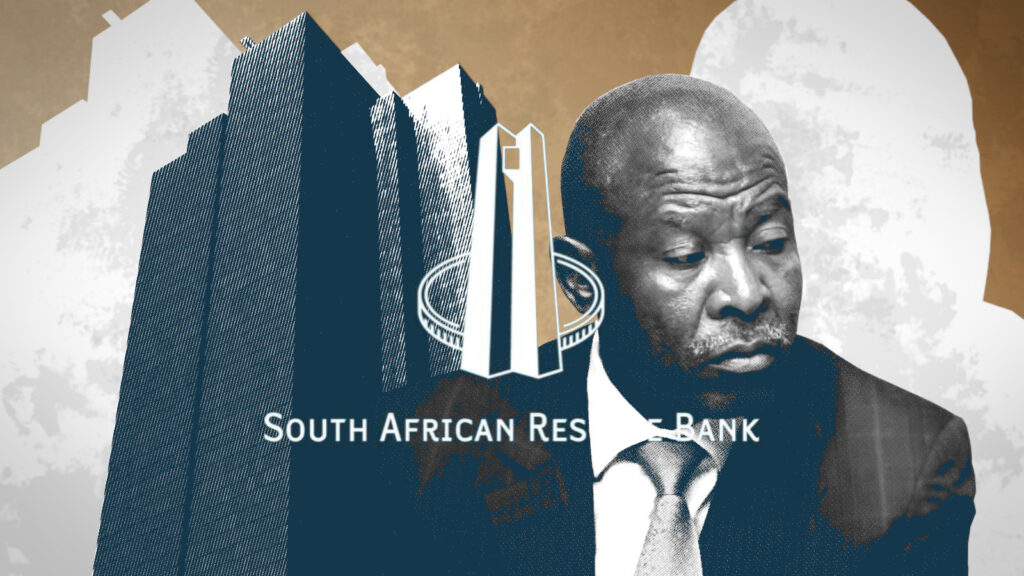
The latest inflation figures from Stats SA have come in at the upper limit of the one-percentage-point tolerance band of the Reserve Bank’s new 3% inflation target, bringing an interest rate hike next week closer to reality.
While the inflation spike to 4.0% y/y was not unexpected, economists held onto some hope ahead of the data that the final figure would fall short of the limit.
Unfortunately for South African consumers, the fuel price shocks following the United States’ war in Iran have pushed the energy component of inflation far higher.
The petrol price rose by R3.06/litre and the diesel price by R7.33/litre in April, after the R3.00/litre cut in the general fuel levy.
As petrol is the main fuel contributor to CPI, this alone drove a 0.7% m/m lift in CPI, said Investec Chief Economist Annabel Bishop.
For May, the petrol price rose a further R3.27/litre and the diesel price by R6.18/litre, which will push CPI inflation above 4.0% y/y in the next print, exceeding the SARB’s tolerance band, she said.
Because of the sharp rise in inflation, there is now a strong likelihood that the Reserve Bank will respond with an interest rate hike when its Monetary Policy Committee meets next week.
“The outcome of today’s elevated CPI inflation rate, at the upper limit of the tolerance band around the target, increases the chance of an interest rate hike from the SARB at the end of the month,” Bishop said.
“The SARB is likely to pre-emptively hike interest rates this month by 25bp.”
According to Lerato Ntuli, Economist at Anchor Capital, the April inflation data was the first to reflect the impact of the Middle Eastern war on global oil prices, driven by disruptions in the Strait of Hormuz.
She said that inflation risks remain tilted to the upside, with global oil prices expected to remain elevated should the Iran conflict persist, which will put further strain on fuel costs.
However, the reinstatement of the general fuel levy between June and July 2026 is expected to add to inflationary pressures in the coming months.
She added that while food inflation eased to 2.9% in April from 3.6% in March, South Africa remains exposed to weather-related risks, which could add inflationary pressure.
An El Niño weather phenomenon in late 2026 could reduce agricultural output and increase food prices, which would compound the impact of supply-side disruption due to the Middle East conflict.
A challenge for interest rates

Thys van Zyl, Chief Executive Officer of Everest Advisory Services, said that the latest inflation figures place the Reserve Bank in a tough position ahead of next week’s interest rate decision.
“The Reserve Bank will have to tread very carefully. Inflation is now moving away from the 3% level it prefers, while global inflation risks are also increasing,” he said.
This reduces the scope to simply keep interest rates unchanged indefinitely. When fuel, transport and utility costs rise, it ultimately starts fuelling broader inflation.
The CEO added that these inflationary concerns are exactly the kind of pressure central banks remain cautious about.
He added that the interest rate announcement scheduled for next week will provide an important indication of the central bank’s concern about the latest inflationary pressures.
“The biggest question is no longer whether inflation is starting to rise, but rather how sustainable this upward pressure will be and how the Reserve Bank will respond to it,” he said.
Dr Elna Moolman, Standard Bank Group Head of South Africa Macroeconomic Research, did warn that the latest inflationary pressures will place the bank on edge.
Moolman said the Reserve Bank may hike interest rates in response to the ongoing rise in inflation, mainly to help ensure it doesn’t feel second-round inflationary pressure.
While the SARB may hike rates at its meeting next week, Reza Hendrickse, Portfolio Manager at PPS Investments, remained optimistic about the prospect of no further hikes after that.
“From a policy perspective, the print complicates the SARB’s near-term decision-making but does not
derail the broader disinflation narrative,” said Hendrickse.
“The Bank has consistently emphasised it will look through first-round effects of supply-side shocks.”
With the repo rate at 6.75% and real rates firmly positive, Hendrickse said that the SARB retains some optionality.
The April print reflects headline reacceleration based on fuel, which should peak and roll off as base effects normalise, provided oil stabilises.
He admitted that rand stability remains a key risk worth monitoring, as the SARB’s patient bias could become harder to maintain if the currency weakened.
Nevertheless, PPS sees the April inflation figures driven by a shock-driven spike rather than a regime change.
From a market perspective, Investec’s Bishop noted that the Forward Rate Agreement (FRA) curve now shows an over 100bp hike in the repo rate this year due to the elevated CPI outcome.
The MPC of the SARB will announce their next interest rate decision on Thursday, May 28, 2026














 Loading ...