

SARS is coming hard after South Africans looking for over R500 billion


The South African Revenue Service (SARS) is coming after taxpayers for R532 billion in undisputed debt, according to Tax Consulting South Africa.
The July 2026 SARS Debt Collection Data showed that the undisputed debt book has increased by about R124 billion, or 30.4%, since March 2025, when it stood at R407.9 billion.
Tax Consulting SA said the scale of the increase is concerning, particularly because the figure does not represent SARS’ total tax debt.
Instead, it covers liabilities that taxpayers have not disputed, making them more straightforward targets for collection.
The R532 billion includes everything from multi-million-rand tax debts to administrative penalties.
About R27 billion of the total consists of administrative penalties imposed on taxpayers for late return submissions.
VAT accounts for the largest portion of the undisputed debt book, at approximately R183.4 billion. This is followed by corporate income tax at R132.9 billion and personal income tax at R90.7 billion.
Tax Consulting SA warned that taxpayers should not assume SARS will simply issue a demand and then leave the matter unattended.
“SARS no longer send Letters of Demand and then forgets about you for months, if not years. Those days are long gone,” it said.
The tax authority increasingly uses data-driven systems and its statutory collection powers to pursue outstanding liabilities.
The process can begin with a Letter of Demand, giving a taxpayer 10 business days to make payment or engage with SARS.
If the taxpayer does not respond, the consequences can become significantly more serious. SARS can issue a third-party appointment, requiring a bank or another party holding the taxpayer’s money to pay it directly to SARS.
This can have an immediate impact on cash flow, particularly for businesses already struggling financially.
Tax Consulting SA said there may be no further notice beyond the final demand before such action is taken.
SARS can also pursue a civil judgment for the outstanding amount. If judgment is granted, the matter enters a formal legal enforcement process, potentially resulting in the Sheriff attaching and selling the taxpayer’s assets.
Difference between refusing to pay and being unable to pay
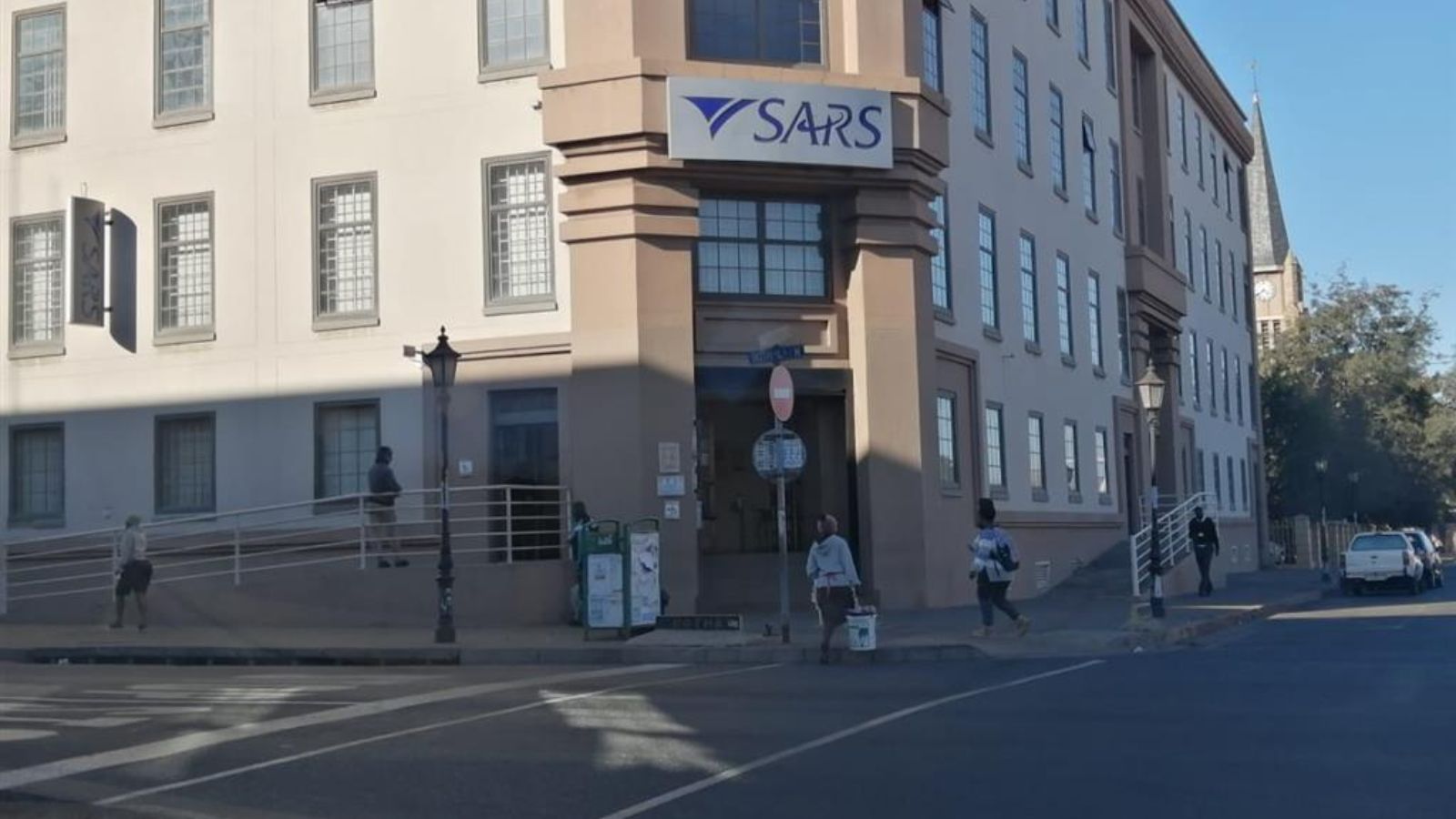
Company owners also need to be aware that tax legislation can, in certain circumstances, impose personal liability on individuals involved in managing a company’s financial affairs.
This can apply where the individual’s negligence or fraud contributed to the company’s failure to pay its tax debts.
However, Tax Consulting SA stressed that there is a difference between refusing to pay a tax debt and being unable to settle it in full.
Businesses can accumulate substantial liabilities during periods of financial distress, while individuals may face large debts following SARS audits or the submission of outstanding returns for previous years.
In such cases, taxpayers should assess what they can realistically afford rather than simply focusing on the total amount owed.
This includes examining income, expenditure, assets, liabilities, cash flow and future tax obligations.
Tax Consulting SA recommended that taxpayers with significant liabilities consider a tax debt diagnostic before SARS’s collection process advances.
This can help determine whether a payment arrangement, dispute or other form of relief is appropriate.
Tax legislation provides mechanisms such as payment deferral, which allows qualifying taxpayers to settle debts over time.
In certain circumstances, taxpayers experiencing severe financial hardship may also apply for a compromise of tax debt, potentially allowing part of the debt, including interest or penalties, to be written off.
The growing R532 billion undisputed debt book sends a clear warning to taxpayers with outstanding liabilities.
“The undisputed debt book has reached a level at which it can no longer be regarded as a peripheral issue for taxpayers,” Tax Consulting SA said.















 Loading ...