

New rules for traffic wardens in South Africa


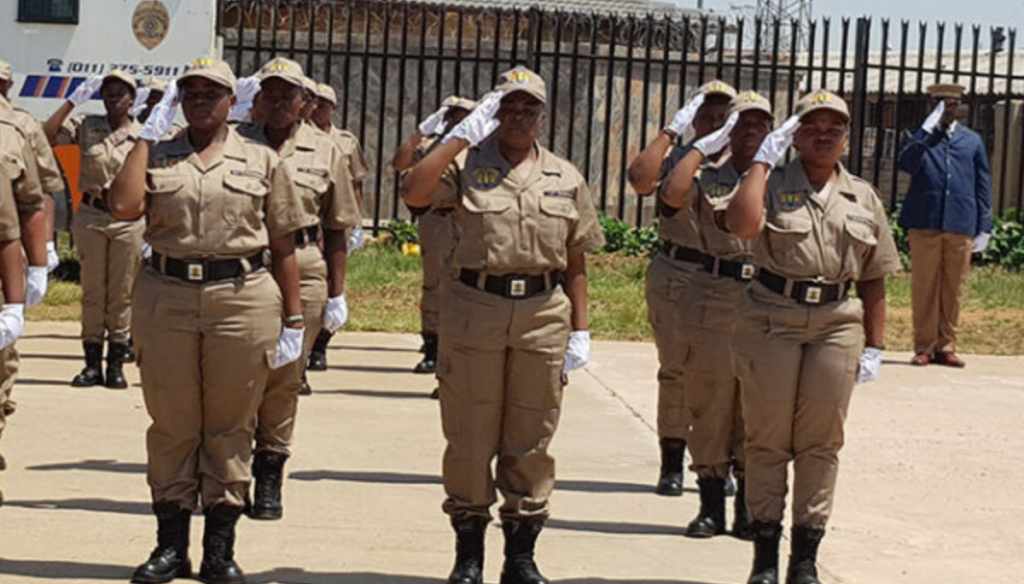
New rules have been gazetted for the training requirements, duties and powers of traffic wardens in South Africa.
A traffic warden is a public safety official appointed by provincial governments or local municipalities to assist with traffic control, road safety, and community patrols.
While traffic wardens support law enforcement, they are not classified as traffic officers.
In the past, traffic wardens had limited authority; however, they have gained more respect and authority over the years, and their authority has evolved significantly through legal frameworks.
Earlier this year, the Minister of Justice and Constitutional Development formally recognised the Gauteng Traffic Wardens as legal Peace Officers under Section 334 of the Criminal Procedure Act of 1977.
The term “Peace Officer” is a broad classification under South African law, as defined in Section 334 of the Criminal Procedure Act of 1977.
Peace Officers include various law enforcement groups such as SAPS officers, Metro Police, correctional officials, and game rangers.
Following a restructuring to comply with previous legislative frameworks, over 9,000 wardens were officially authorised to operate within the Gauteng Traffic Police structures.
However, the newly gazetted rules for traffic wardens bind all national, provincial and municipal traffic enforcement authorities to a standardised framework.
The laws were published by the Road Traffic Management Corporation (RTMC) under the National Road Traffic Act of 1996.
Requirements and duties of traffic wardens
The new rules stipulate that all traffic wardens must complete an approved qualification or skills programme before being registered.
This programme should be approved by the Quality Council for Trades and Occupations (QCTO) or the relevant Sector Education and Training Authority (SETA).
The programme or qualification also needs to be registered on the National Qualifications Framework (NQF) under the Occupational Qualifications Sub-Framework, where applicable.
Traffic wardens must attend training at an approved Traffic Training Centre that follows a curriculum set by the RTMC.
The powers and duties that traffic wardens are authorised to perform are subject to the National Road Traffic Act, the Criminal Procedure Act, and the Adjudication of Road Traffic Offences (AARTO) Act.
Registered traffic wardens may issue notices for parking infringements, expired licence discs, improperly displayed registration number plates, and unroadworthy tyres only for parked vehicles at the roadside.
Wardens may also enforce municipal road traffic bylaws on national, provincial, and municipal roads, including parking bylaws, and may organise the clamping or towing of non-compliant vehicles.
The traffic wardens are permitted to regulate and control both pedestrian and vehicle traffic on public roads, perform point duties, assist with road closures, and monitor pedestrian compliance.
Wardens may perform foot patrols and area patrols as assigned to enforce traffic regulations. They may escort abnormal loads, inspect abnormal vehicle permits, and escort funeral processions or slow-moving vehicles.
Wardens have the power to demand the full name and address from people suspected of committing an offence or from those who may be potential witnesses.
They may also arrest offenders without needing a warrant if an offence has been committed directly in their presence.
They have the power to act as first responders to secure accident scenes, provide roadside assistance, and manage stray, injured, or deceased animals on public roads.
On the administration side, traffic wardens may perform general administrative tasks and provide administrative services at vehicle pound facilities.
They may also perform operator duties at road traffic authority control rooms and command centres.

















 Loading ...