

Ramaphosa announces sweeping changes to tackle state capture and corruption in South Africa


President Cyril Ramaphosa has announced the processes and changes underway to address the recommendations made by the State Capture Commission of Enquiry, including changes to the country’s laws and setting up new agencies to focus on corruption.
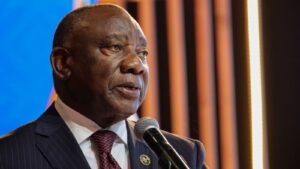
Addressing the nation on Sunday night (23 October), the president outlined the long journey of the state capture commission, which led to the final report six years after the deep-rooted corruption within state structures was uncovered.
Ramaphosa said that the effects of state capture are apparent in South African society today – through state entities that remain crippled by financial and administrative problems, and the failure of the local and national government departments to deliver services to the population effectively.
Following years of state capture reports and investigations, South Africans now expect action, he said.
He said that over 1,000 companies and entities are likely linked to state capture and corruption, and through the commission, a host of changes have been recommended to ensure that the country doesn’t fall into the same trap in the future.
The president said that the state capture commission ultimately made 95 recommendations, which include a number of wide-sweeping changes involving policy and even constitutional reforms. The government has responded to these, with Ramaphosa announcing several changes and processes coming or already underway.
Among the changes in the pipeline, Ramaphosa highlighted the following:
- An independent anti-corruption agency for procurement and an anti-corruption unit will form part of a fundamental redesign of the country’s anti-corruption architecture. A comprehensive proposal will be produced for public consultation, finalisation, and execution.
- Legislative amendments will make appointing the National Director of Public Prosecutions more transparent.
- Procurement will come under focus. The Public Procurement Bill will be finalised and submitted by early 2023. This will include a code of conduct around procurement and making procurement more transparent.
- Lifestyle audits for the cabinet are being handled within the presidency and conducted by an independent third party.
- New processes for the appointment of boards of SOEs will be put in place, so it is not open to tampering. This includes independent reviews and panels for appointments. No board members will be allowed to be involved with procurement processes. Ministers will be prohibited from playing any role in procurement at SOEs.
- A deep probe into the collapse of Prasa is ongoing. The government is considering setting up a commission to delve deeper into the problems.
- Private sector players had a role in state capture – such as management consultants, local and foreign; advisors, consultants; lawyers; bankers; providers of goods and services. Amendments will be made to laws under review, criminalising donations to political parties in return for contracts; disbarring dishonest and corrupt organisations; and making failure to prevent bribery an offence.
- New intelligence laws will implement many recommendations, including improving oversight of both local and international activities.
- Protecting whistleblowers and encouraging those to come forward with information. This will ensure whistleblowers will be protected from prosecution
- Proposals to change election laws through electoral reform are under consideration. This requires constitutional changes, so the process needs to be thorough and take views from all stakeholders. Consultations with political parties and the population need to take place.
- For recommendations around parliament, deputy president David Mabuza will interface with parliament to address the commission’s recommendations. The separation of powers allows parliament to forge its own path.
- National Treasury will engage with Parliament to ensure Parliament is resourced to do its work.
Progress on all the commission’s recommendations will be communicated to the nation in regular updates, the president said.
“The people of South Africa are tired of corruption and want it to end. People who are involved in corruption must know that all the instruments of the state will be used to bring them to book. There will be nowhere to hide,” he said.
Now that the response to state capture has been submitted to parliament, the president said that lawmakers would now deliberate and debate a way forward.
The president’s full speech can be read here.
The full response to the recommendations is embedded below:
Read: New corruption laws proposed for businesses in South Africa












 Loading ...