

Important South African city collapsing in front of everyone’s eyes


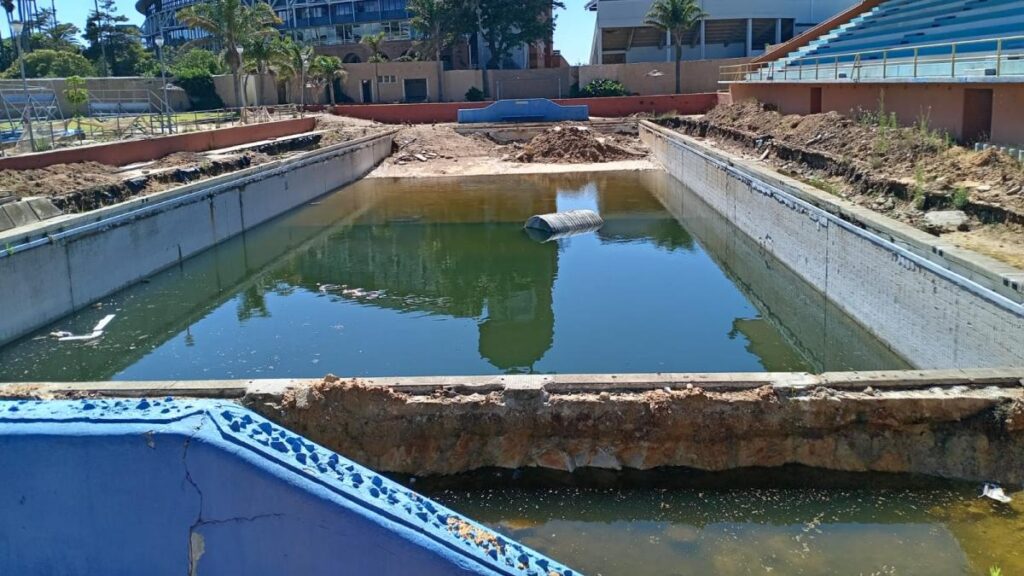
Nelson Mandela Bay, which is home to Gqeberha, formerly known as Port Elizabeth, is collapsing with municipal chaos, out-of-control crime, and governance problems.
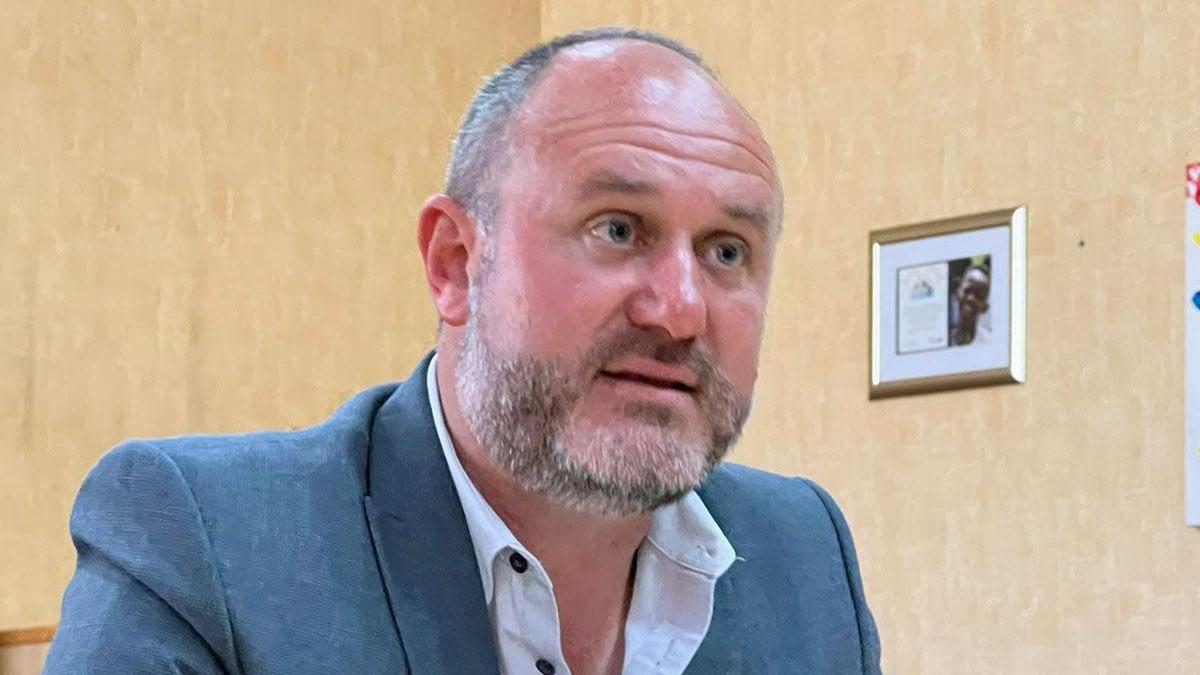
This is the view of Retief Odendaal, the Democratic Alliance’s (DA’s) mayoral candidate, who shared his views with Biznews’ Chris Steyn.
Retief is a former mayor of Nelson Mandela Bay and stood at the head of a 10-party coalition that made massive strides in fixing the metro.
He said during his tenure as mayor, from September 2022 to May 2023, the DA and is coalition partners began to turn the metro around.
“We improved service delivery and cracked down on corruption. Nelson Mandela Bay also achieved its first unqualified audit in 12 years,” he said.
However, he said their work in Nelson Mandela Bay had been undone since his departure two and a half years ago.
He told Steyn that Nelson Mandela Bay has had 12 mayors and 48 municipal managers since 2009. This instability creates tremendous chaos.
Odendaal argues that this instability is aimed at facilitating corruption and looting, as one can loot from the state when there is absolute chaos.
“That is what you get when you have a new boss in your institution every four months. There’s accountability to no one. Nobody is being held to account,” he said.
He said that, as a consequence, Nelson Mandela Bay has experienced a progressive collapse of its institutions since 2009.
Over the last two decades, the city has accumulated around R28 billion in unauthorised, irregular, fruitless, and wasteful expenditure (UIFWE).
Odendaal said it has the highest ratio of irregular expenditure of any city on its annual financial statements. “That is the sad story of Nelson Mandela Bay,” he said.
The impact on service delivery in Nelson Mandela Bay
Odendaal said Gqeberha has more than 10,000 streetlights that are not working and thousands of potholes that can’t be filled.
“There’s not even a tender in place to purchase tar to start eradicating our puddle backlog,” he pointed out.
Residents and businesses experience frequent, localised power outages caused by tripping circuit breakers, substation issues, and attempted cable theft.
There are also frequent water interruptions and low pressure, exacerbated mainly by infrastructure failures and historical drought conditions.
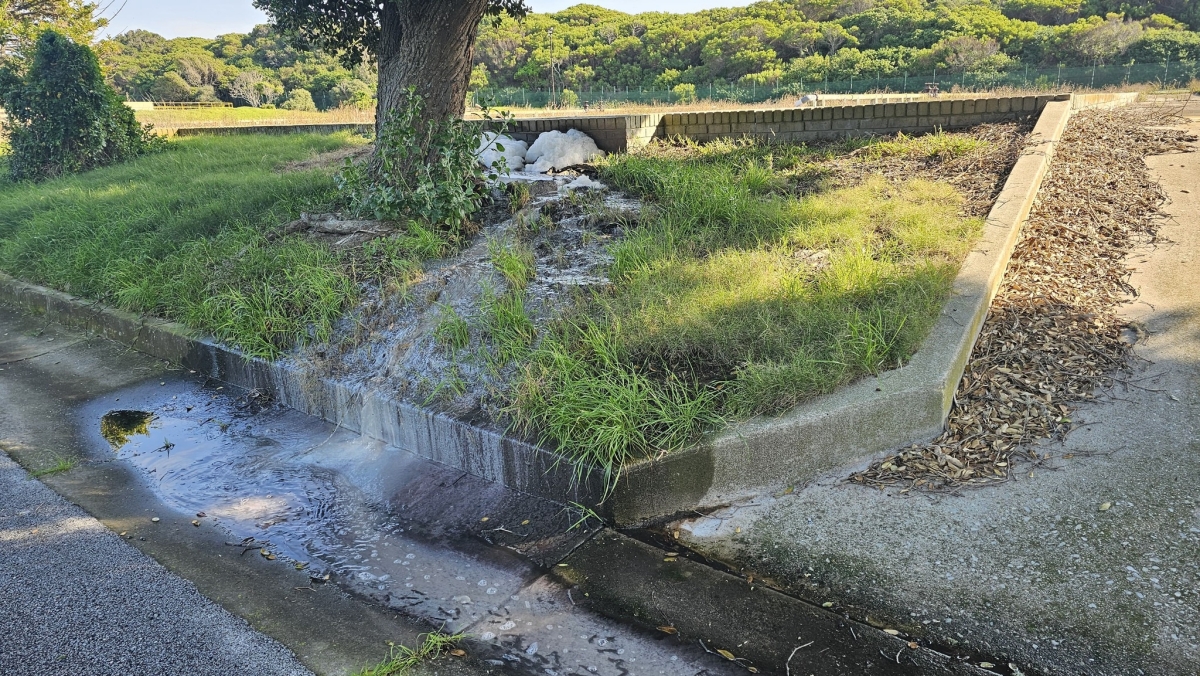
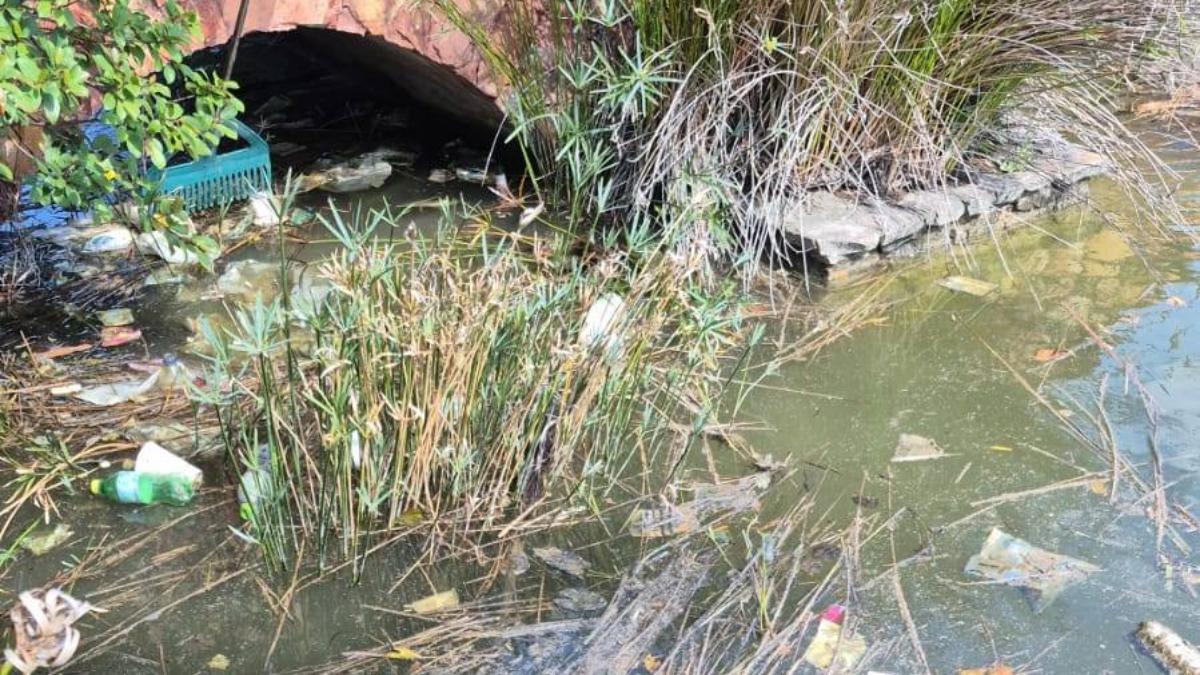
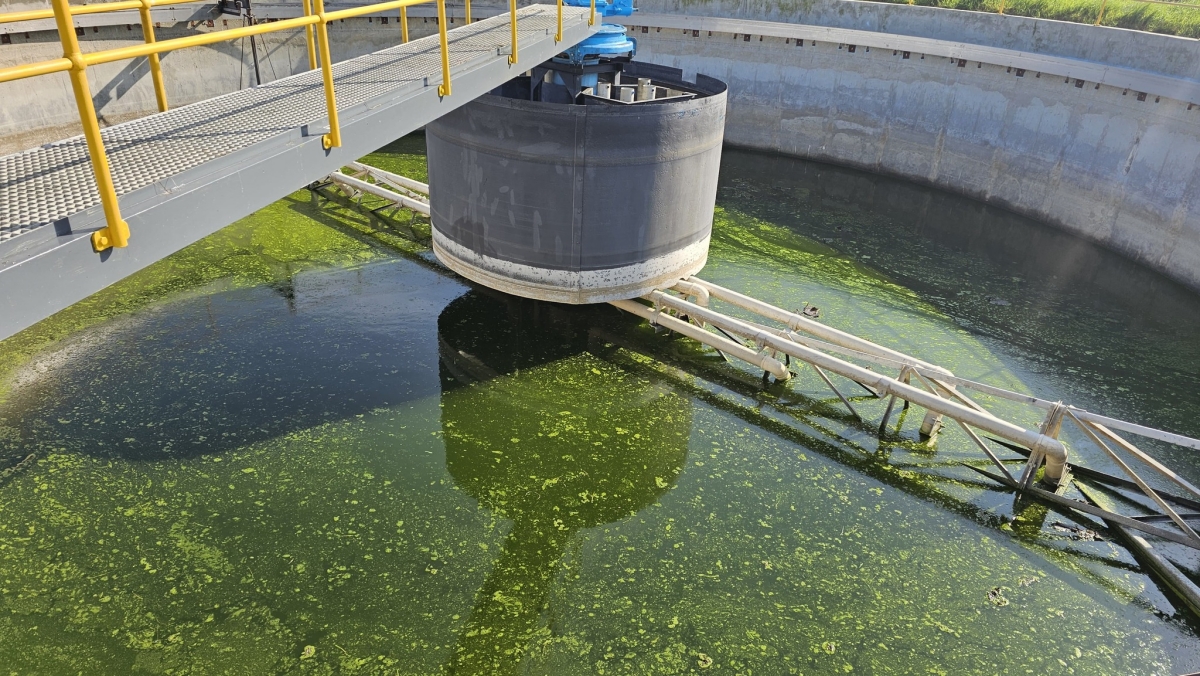
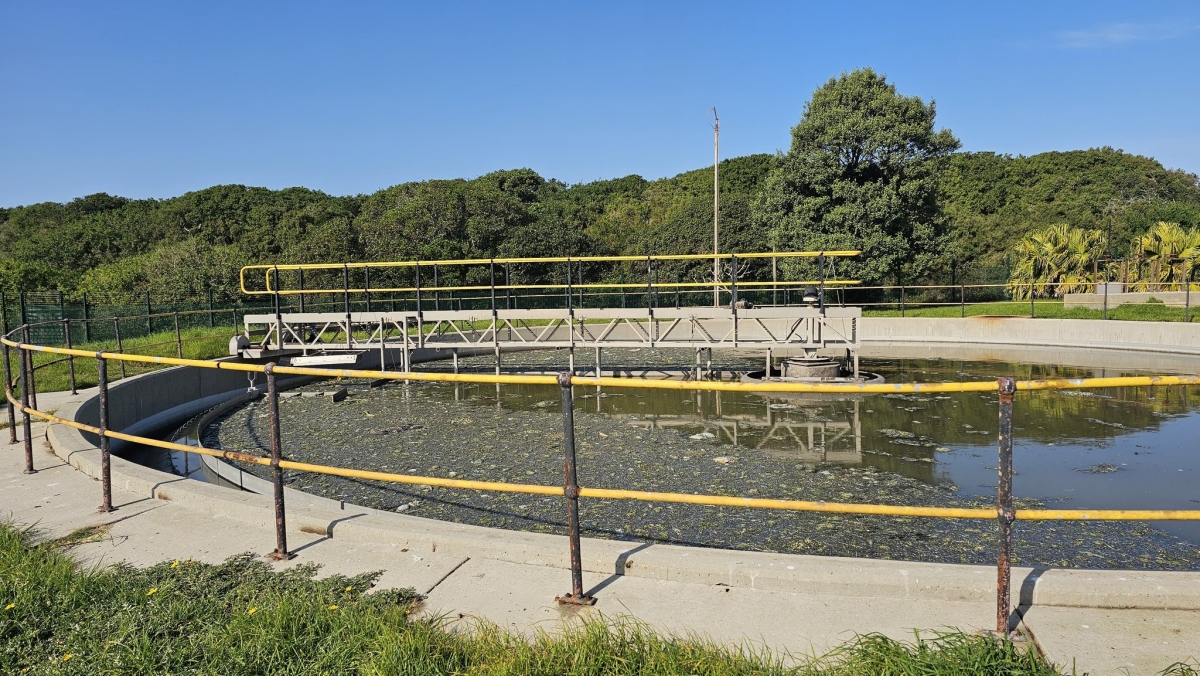
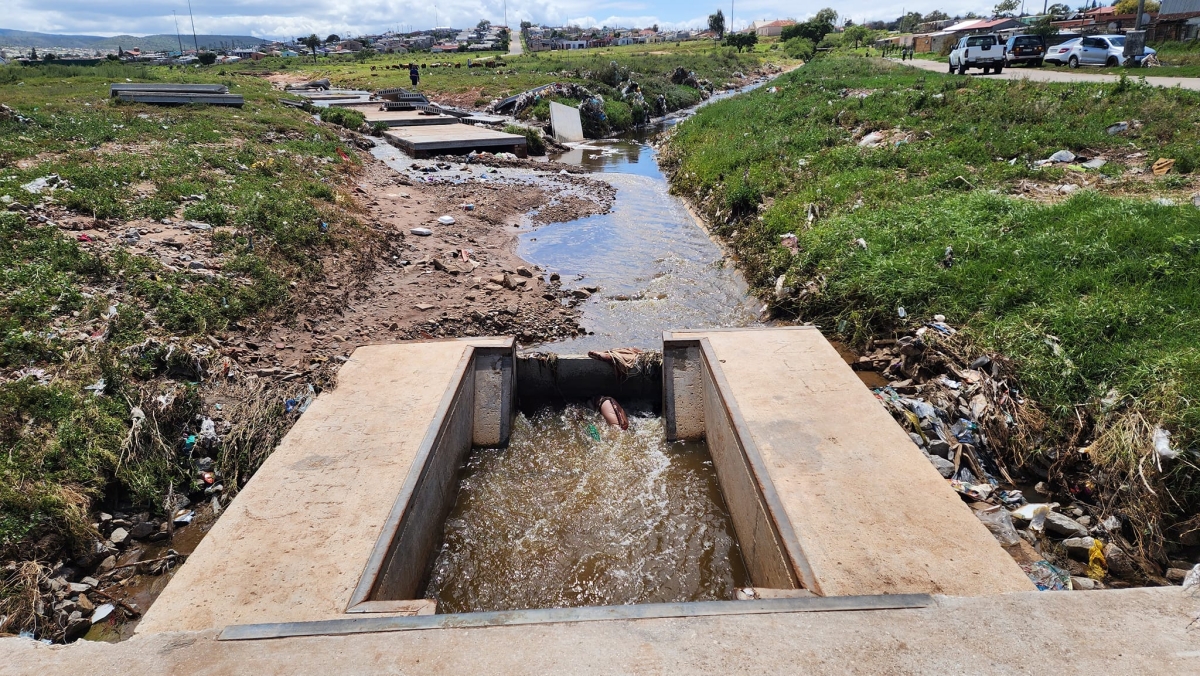
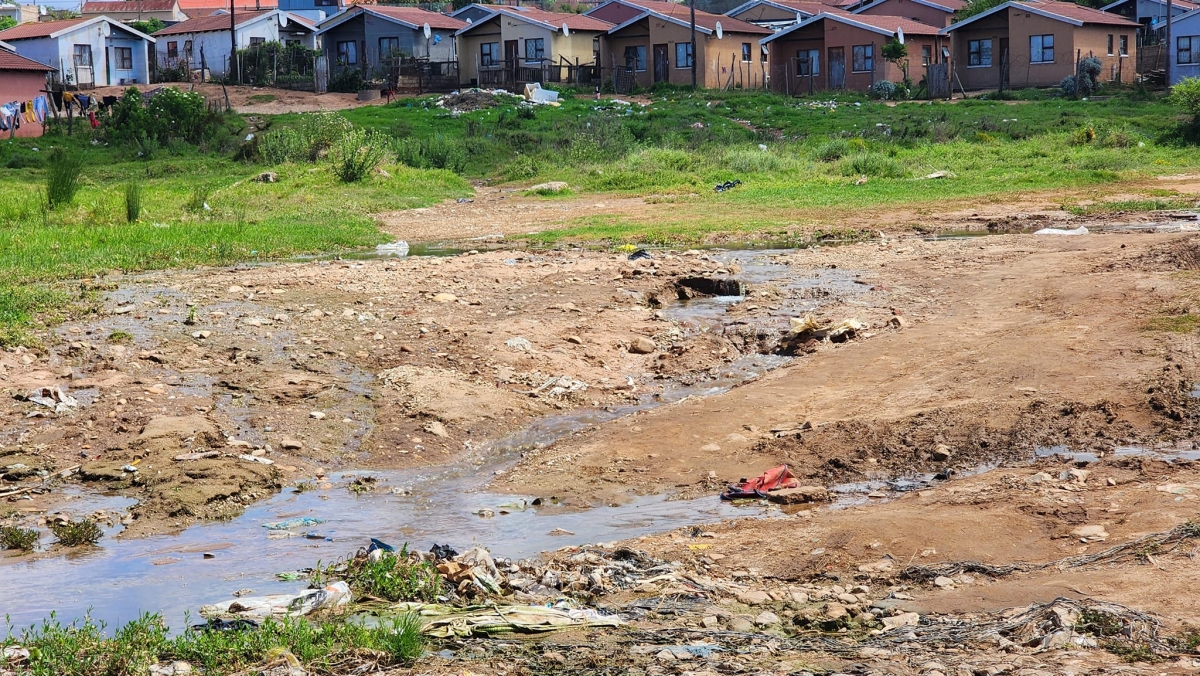
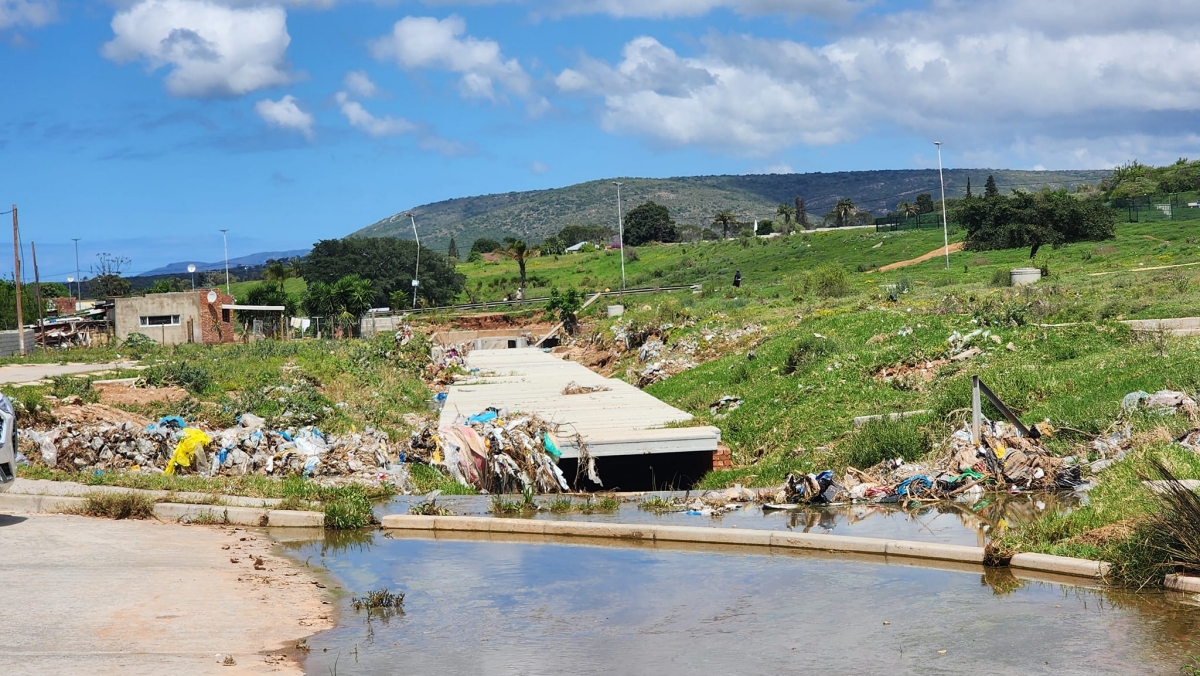
There have been reports of sewage flowing onto beaches and in public parks due to inadequate maintenance of the wastewater treatment and sanitation infrastructure.
The municipality is reportedly losing critical skills and senior engineering staff, which further hinders its service delivery and maintenance work.
“Seven of the ten executive director positions have been vacant for the past two years. So, there’s nobody to lead these departments,” Odendaal said.
“The city manager has been suspended for two years, and she’s been earning R250,000 a month, and she hasn’t done anything to earn that money.”
He stated that she is facing serious criminal charges and that the case is currently before the criminal court.
“The city has been unable to deal with the disciplinary process against it. That is the tale of Nelson Mandela Bay, and it has led to a collapse of services,” he said.
Serious crime problems in Gqeberha
Odendaal said Nelson Mandela Bay, which used to be a relatively safe city, has seen an explosion of crime over the last couple of years.
“Some of the police stations in Nelson Mandela Bay recorded the worst statistics for murder, rape and serious crime,” he said.
“We have visited the Flying Squad in Nelson Mandela Bay, who’s got one vehicle to service a metro of about 1.4 million people.”
He said it was ridiculous that, even though there is manpower, there are not the vehicles needed to assist men and women in blue.
Another problem is that there is no proper CCTV camera system in place to address the high crime levels and assist with prosecutions.
“We used to have a Joint Operation Centre with an extensive CCTV camera network that allowed SAPS to, in real time, see footage of crime happening,” he said.
“All of that has been vandalised, and more than R300 million worth of CCTV networks have been destroyed.”
The city has previously introduced early warning technology, such as ShotSpotter, which provided real-time notifications to the police of where shots were fired.
“We’ve just seen the city stop the subscription, thereby not continuing with it and leaving those communities vulnerable, and again, unable to support SAPS,” he said.
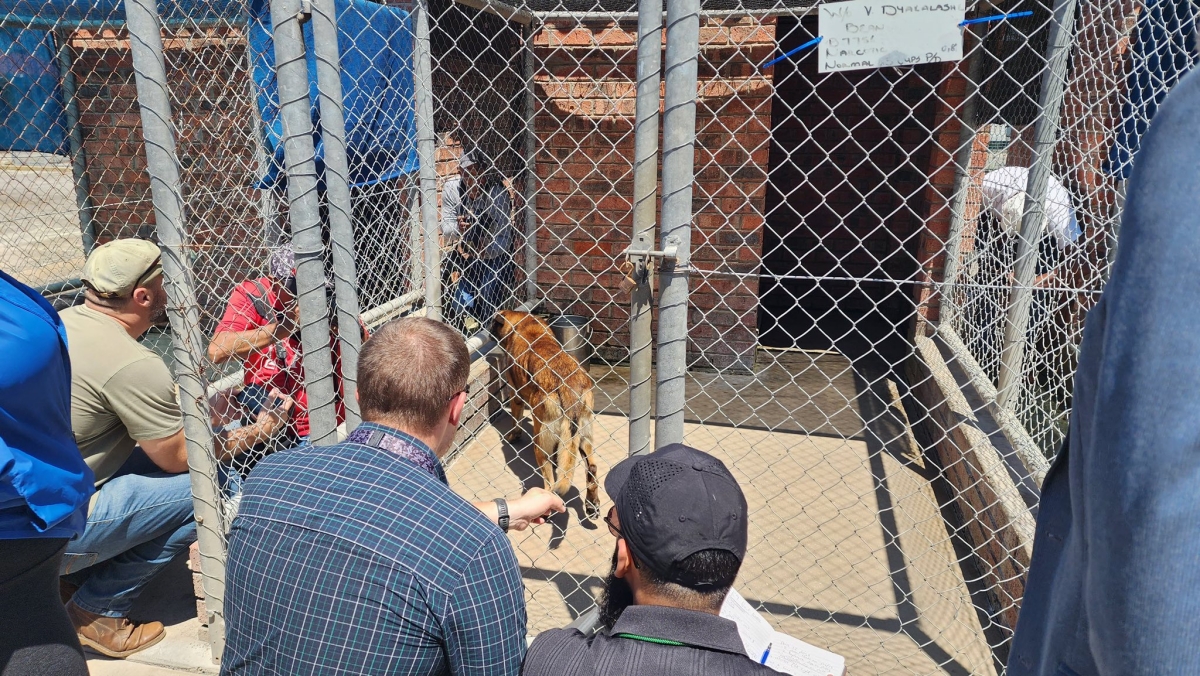
Ian Cameron, a member of parliament and the DA’s deputy spokesperson on Police, said that policing capacity in Nelson Mandela Bay is in a dire state.
“The Flying Squad is on the brink of collapse, and the Anti-Gang and K9 Units are struggling to operate under extreme resource constraints,” he said.
Parliament has previously directed the SA Police Service to address the collapse of the Anti-Gang Unit and Crime Intelligence in Nelson Mandela Bay.
However, the latest information indicates that this directive did not lead to improved conditions for the police in the city.
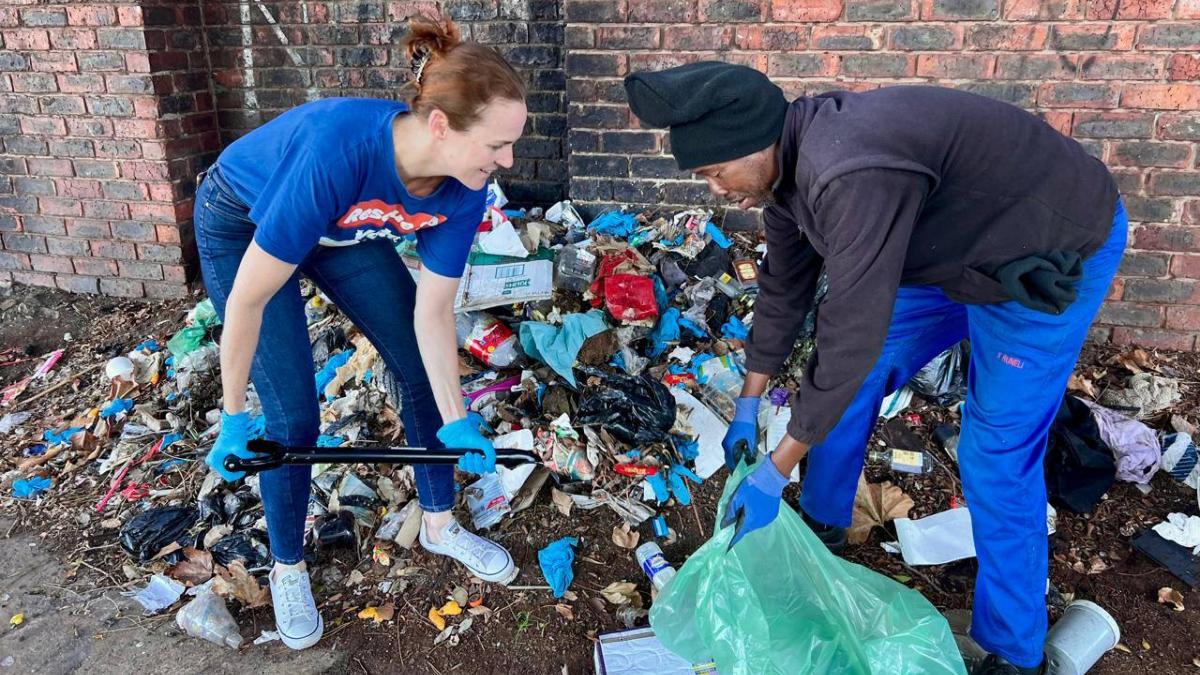
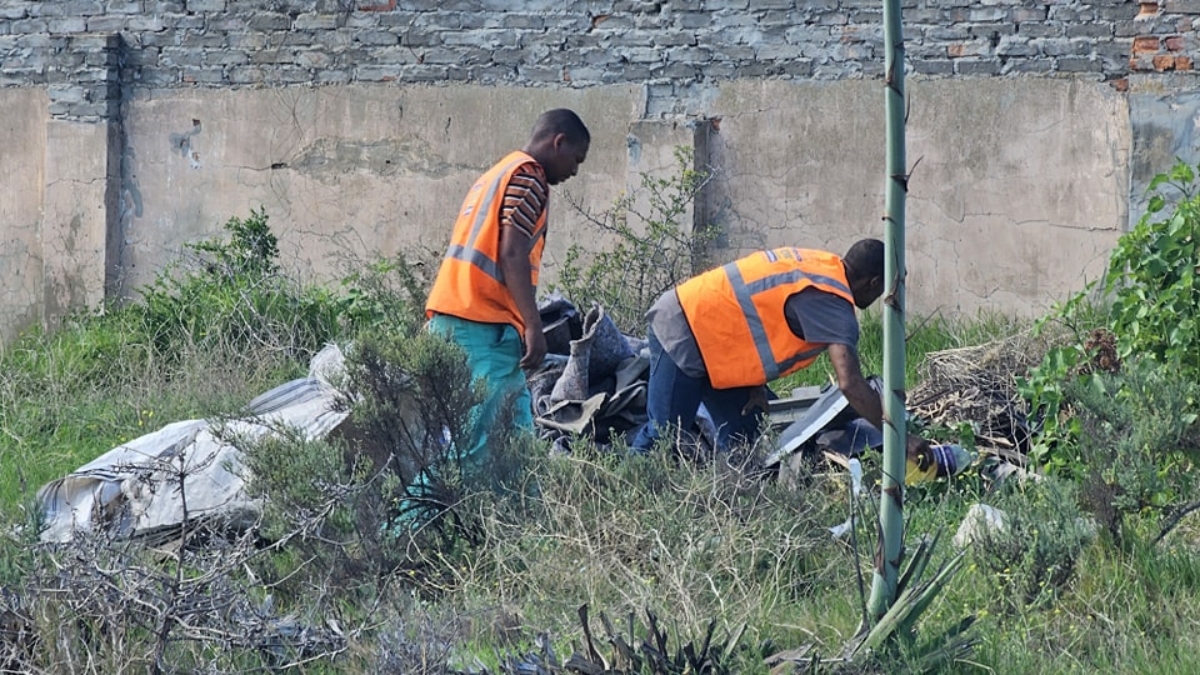
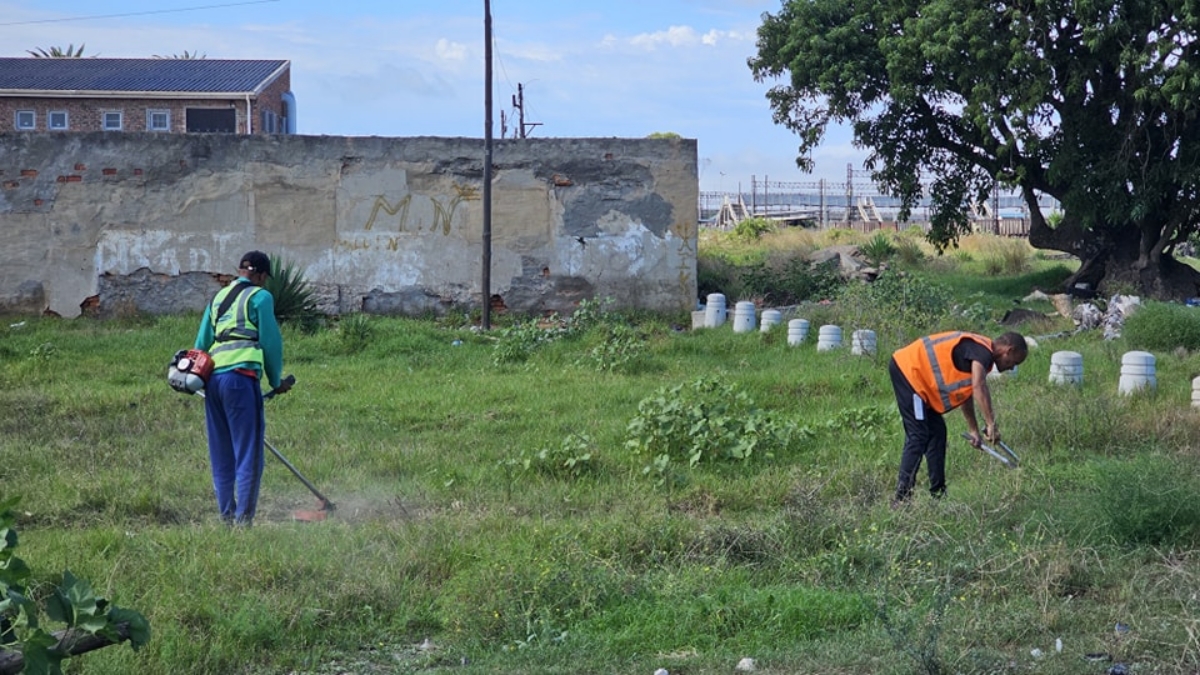
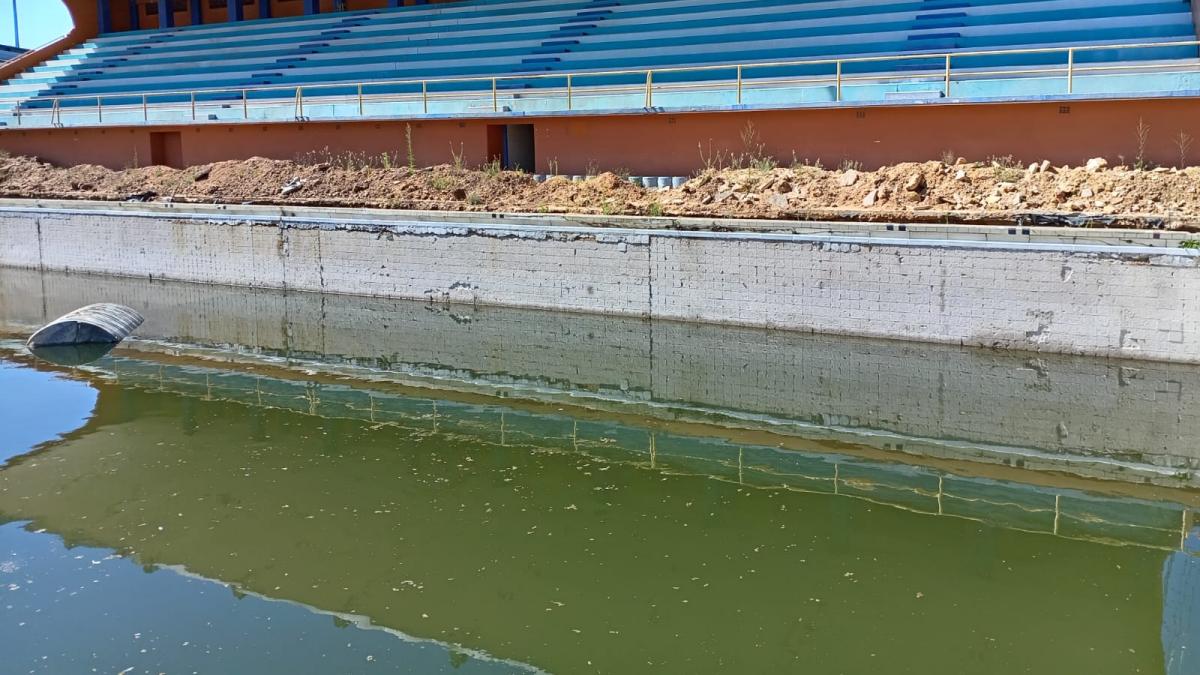
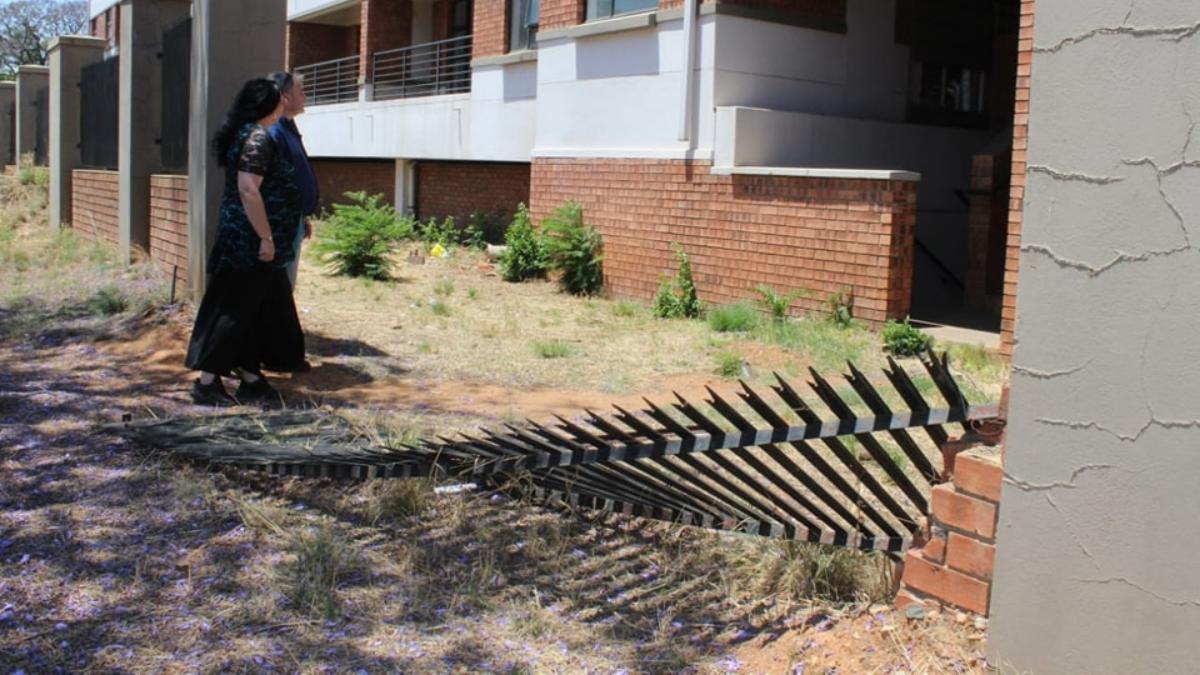
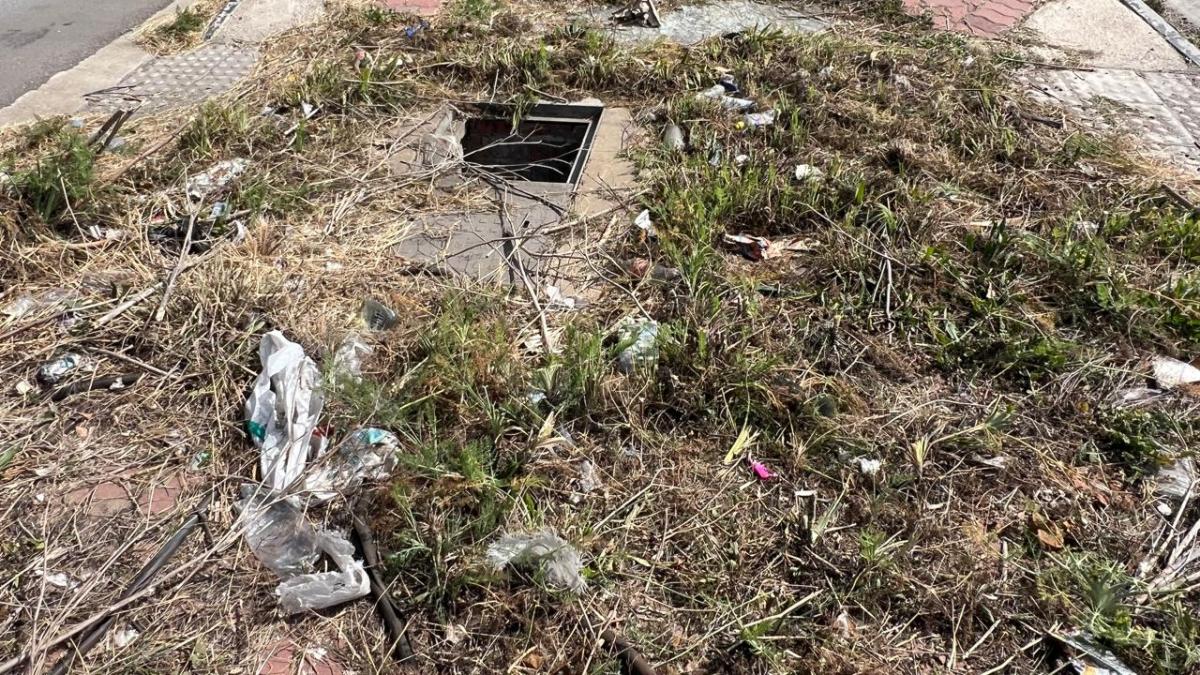
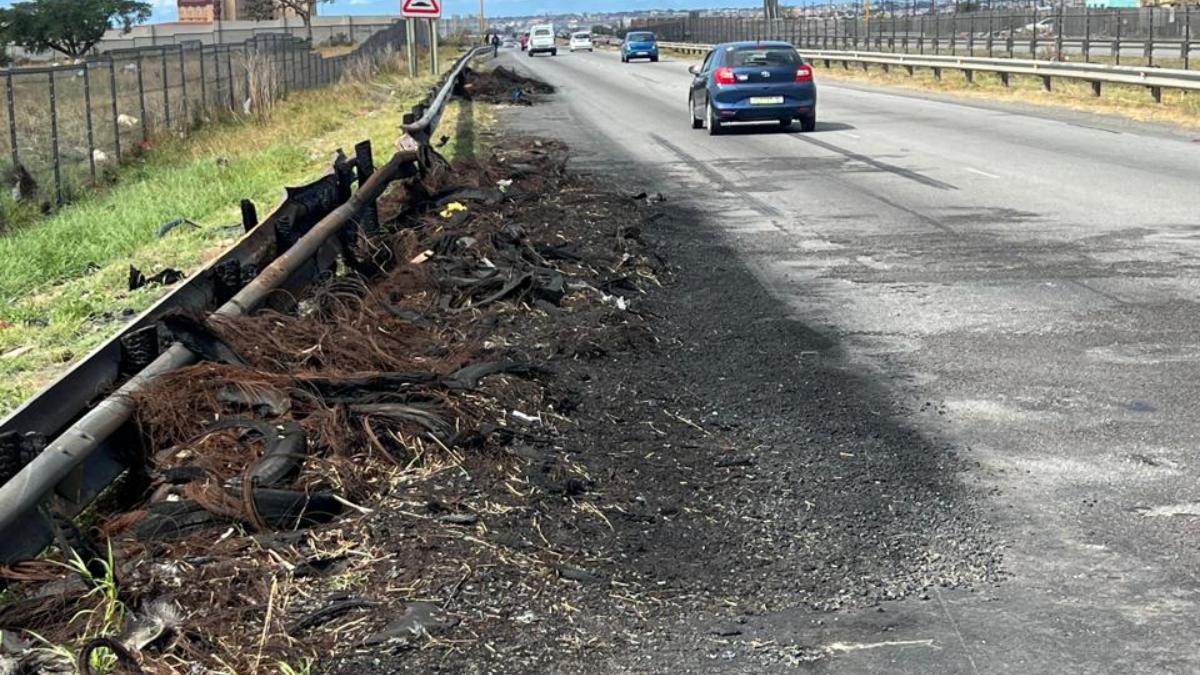
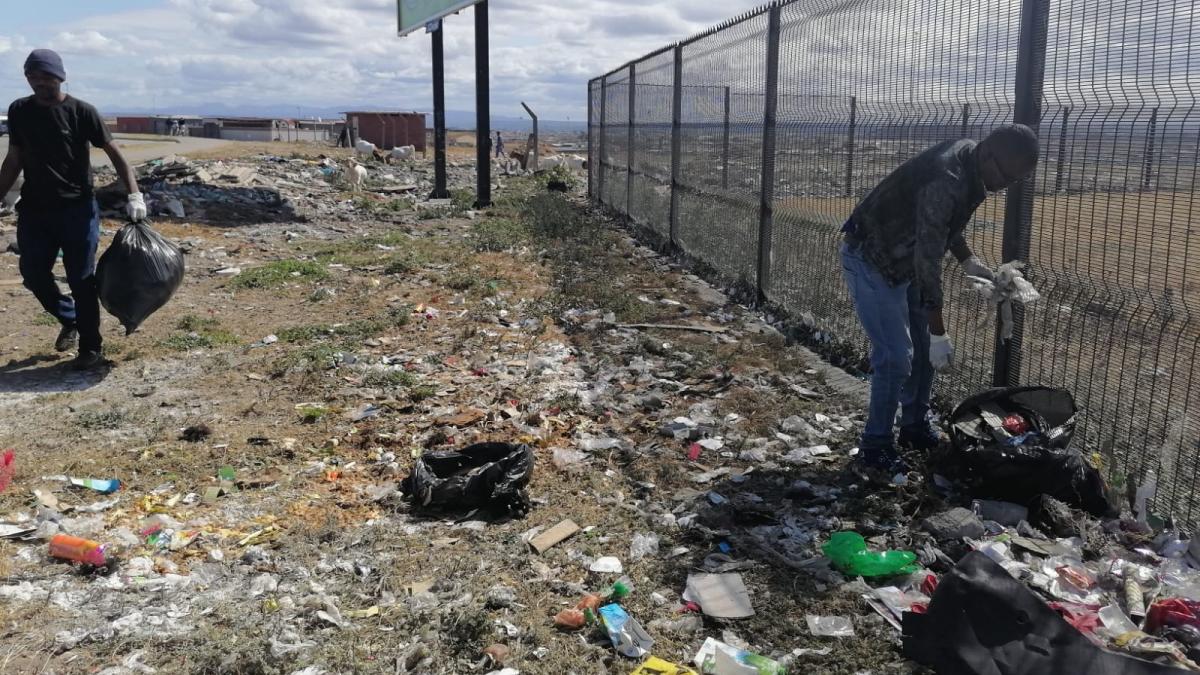
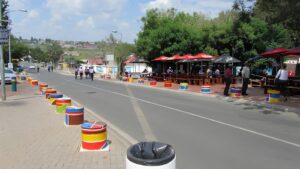
Photos of Nelson Mandela Bay collapse














 Loading ...