

Historic South African town refuses to change its name



Residents of Graaff-Reinet, one of South Africa’s most historic towns, are putting up fierce resistance to changing the name to Robert Sobukwe Town.
Graaff-Reinet dates back to 1786 and honours Cornelis Jacob van de Graaff, a Dutch governor of the Cape Colony under the VOC, and his wife, Cornelia Reynet.
In 1795, citizens rid themselves of VOC taxes and established the short-lived Republic of Graaff-Reinet.
Much later, in the 1830s, Graaff-Reinet was also the point of departure for the Great Trek, a historic event in Afrikaner culture.
Graaff-Reinet made headlines after the Minister of Sport, Arts and Culture, Gayton McKenzie, changed its name to Robert Sobukwe Town on 6 February 2026.
The Freedom Front Plus said this name change was an example of cultural imperialism in which Afrikaner cultural history was annihilated.
“It has become customary to expect Afrikaners, and only Afrikaners, to sacrifice their heritage on the altar to appease the rest. We refuse to keep doing it,” the party said.
The Freedom Front Plus rejected Graaff-Reinet’s name change and said it would rectify it at the first opportunity that arises.
The party’s leader, Dr. Corné Mulder, urged everyone who values the name Graaff-Reinet to remain loyal to the name and not change to Robert Sobukwe Town.
AfriForum has sent a lawyer’s letter to Minister Gayton McKenzie to object to the name change of Graaff-Reinet.
The South African Geographical Names Council Act 118 of 1998 provides for such objections to be lodged within 30 days of the publication of a name change.
“The name change could damage the cultural and historical content of the name, the tourism industry, the local economy, and relations among communities,” it said.
Community resistance to the Graaff-Reinet name change
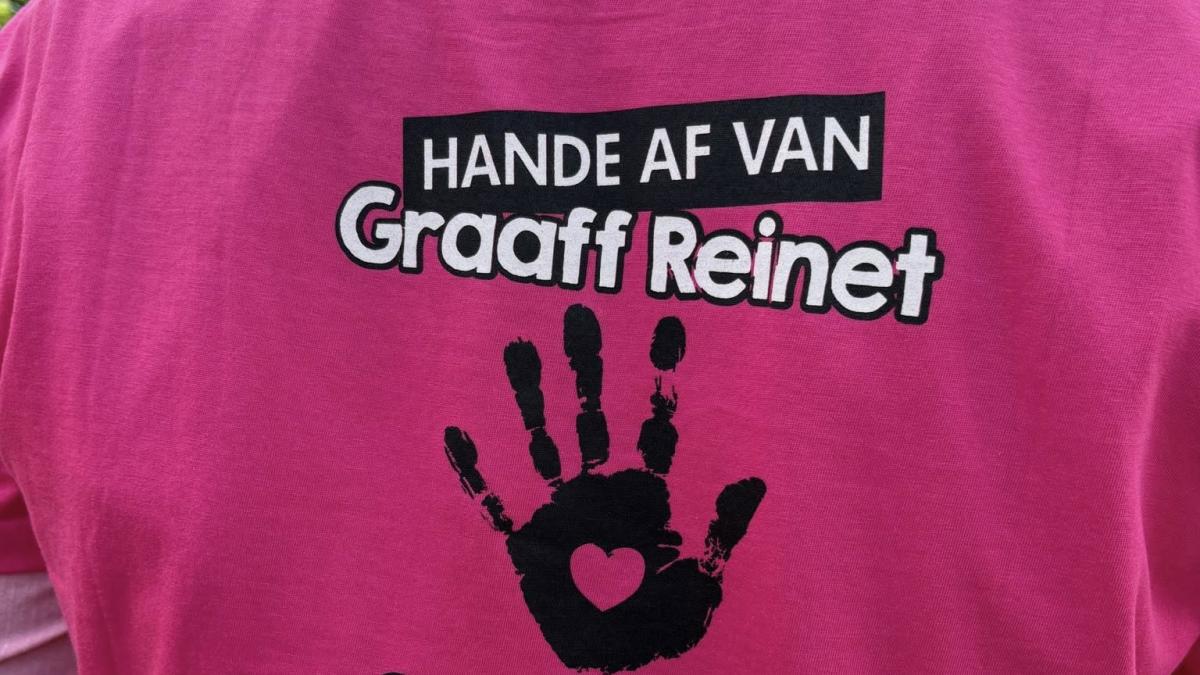
The Graaff-Reinet community has been vociferously opposed to the name change from the outset, and escalated after McKenzie’s action on 6 February 2026.
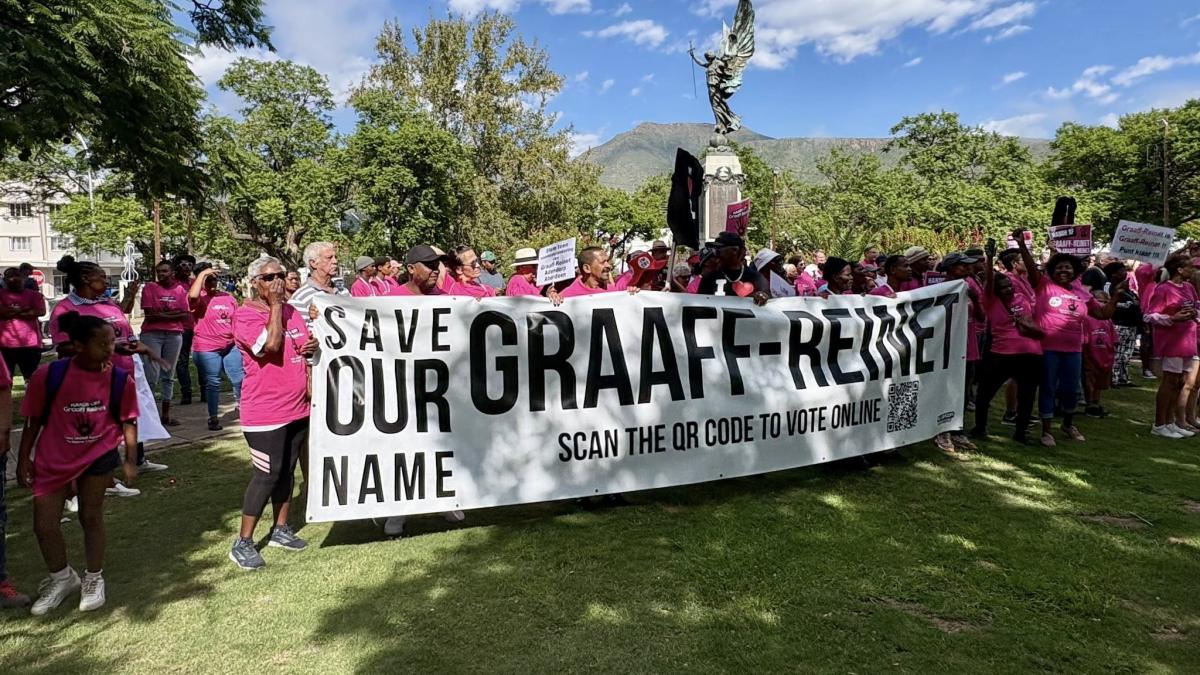
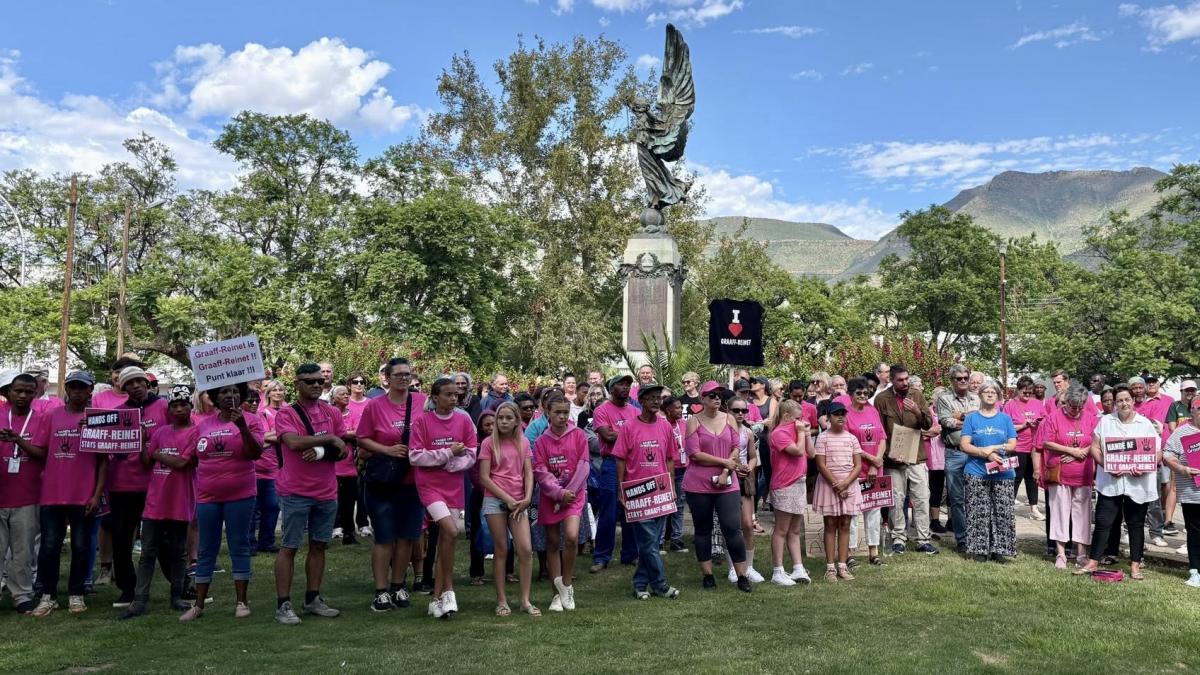
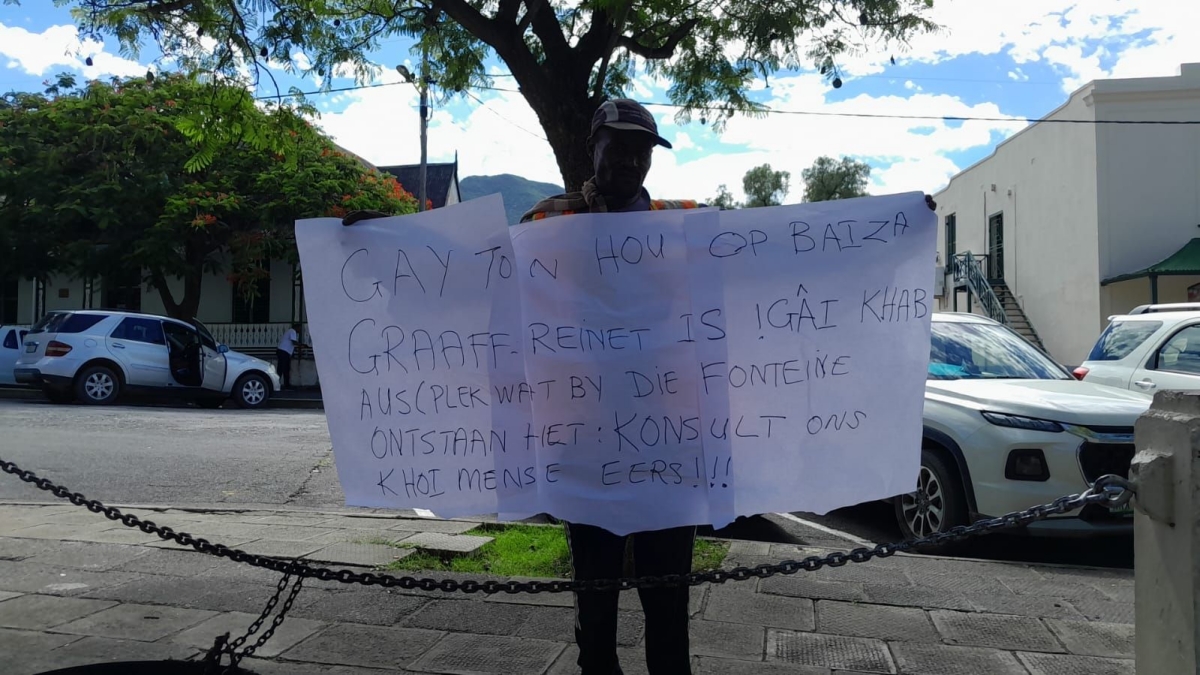
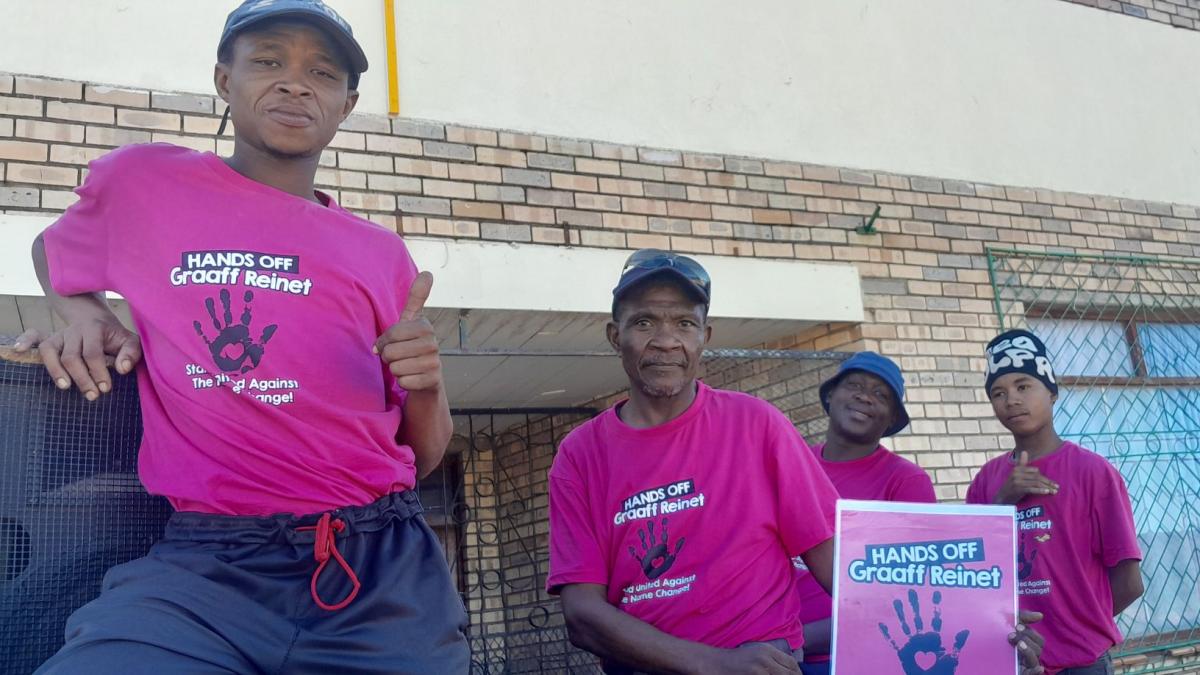
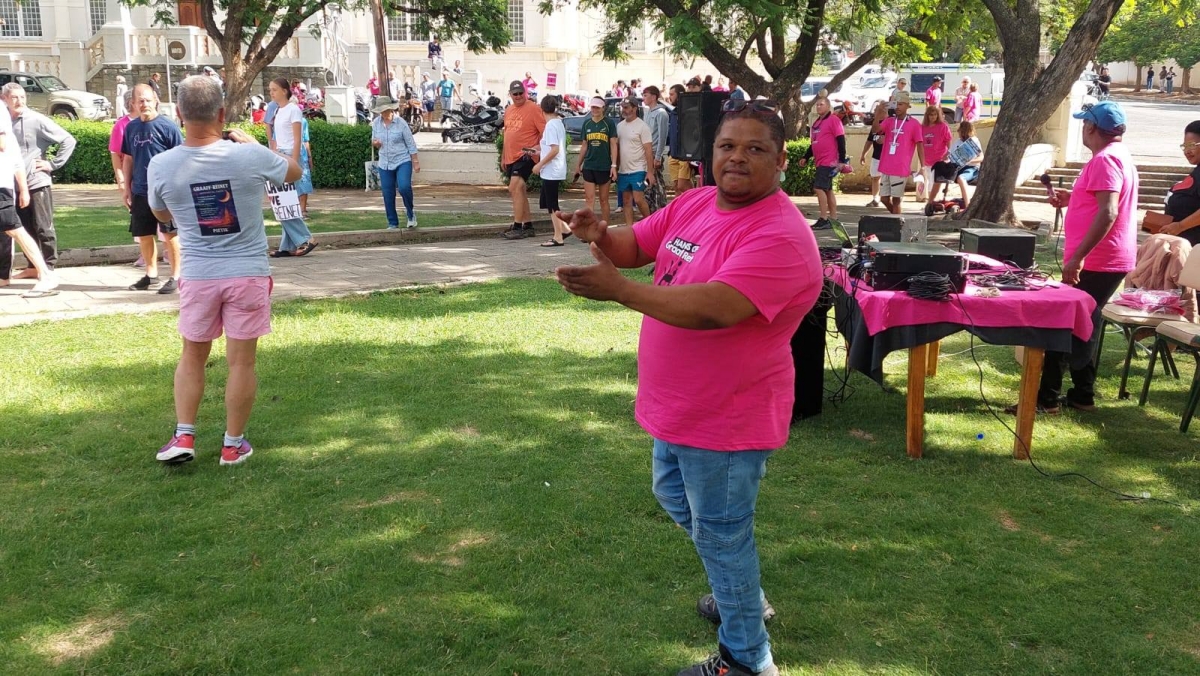
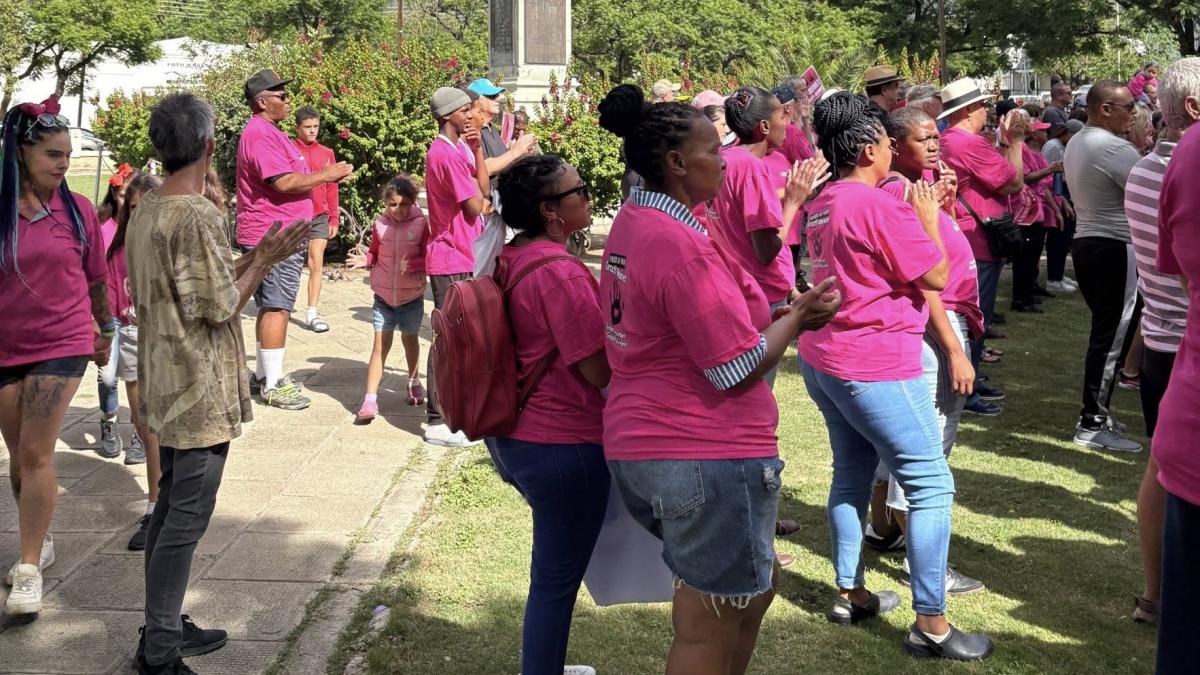
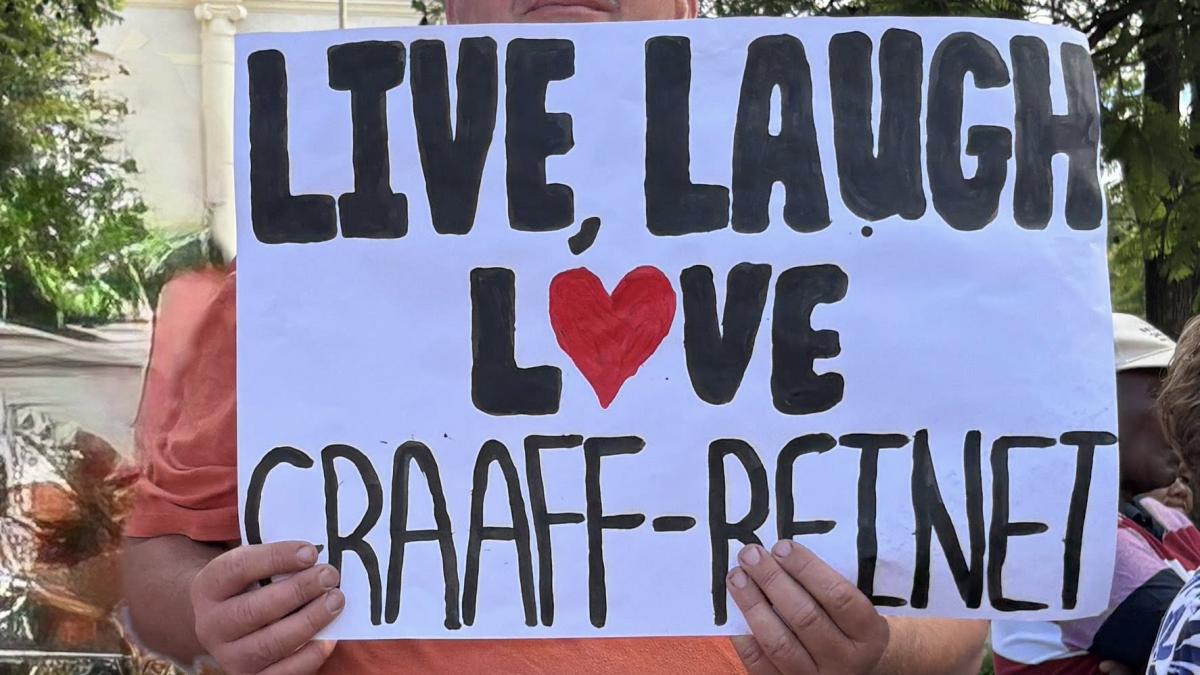
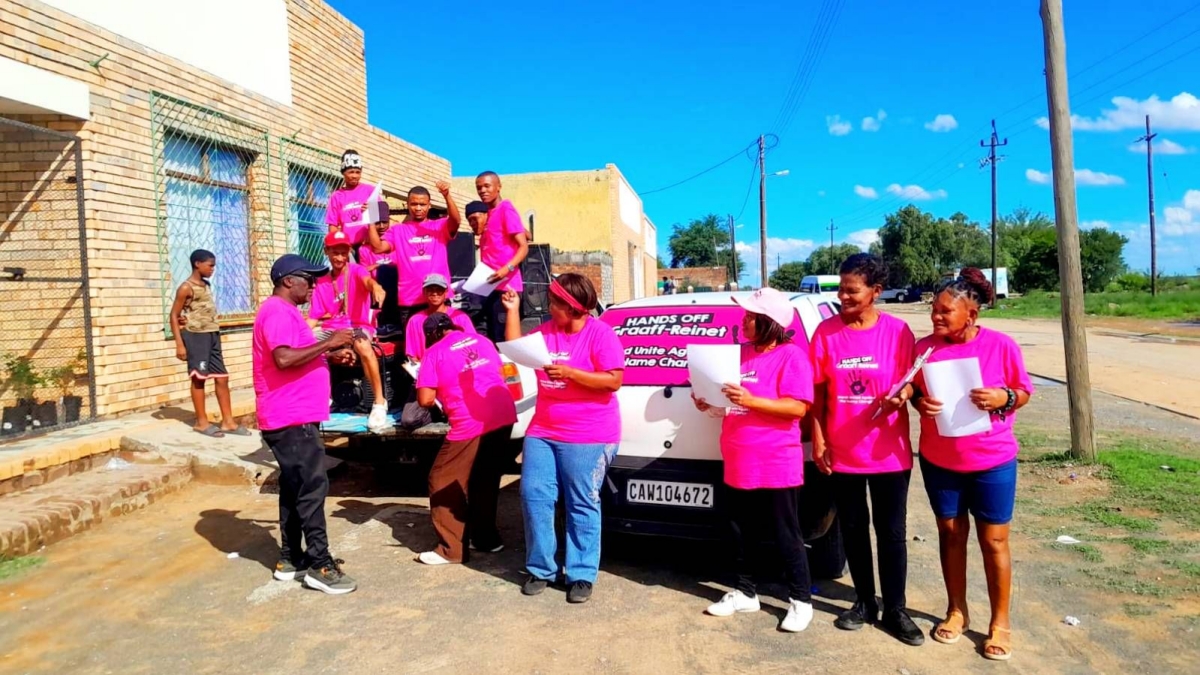
On Saturday, 28 February 2026, residents took to the streets to voice their unhappiness with the name change.
The residents were dressed in pink ‘Hands off Graaff-Reinet’ t-shirts and said the name change would erase the town’s history and heritage.
Community leader Laughton Hoffman said they are tired of the government doing with taxpayers’ money what it wants, like the name change.
“What will happen if Dutch and German tourists decide they would rather travel to Brazil or Argentina? In that case, guesthouses could close down,” he said.
He added that the protest showed the world that the Graaff-Reinet stood together against the name change.
During the protests, Graaff-Reinet residents were also asked to sign a petition to oppose the name change.
On 6 March 2026, Samantha Graham-Maré, the DA’s Dr Beyers Naude Constituency Leader, submitted 21,918 objections to Gayton McKenzie.
She said the name change happened even though there was no proper consultation with residents.
“The Minister, just a year and a half ago, told the media he would not approve the name change for Graaff-Reinet,” she said.
A formal objection phase commenced following the gazetting, and the DA made objection letters available for residents to complete.
Under the South African Geographical Names Council Act, the Minister is now required to respond to every complaint or objection individually.
In each response, the Minister of Sport, Arts and Culture must outline their decision and the reasons for it.
“This volume of objections is the result of a whole-of-society approach, with the community standing together against unwanted name change,” she said.
“The DA supports redress and reconciliation. But forced, poorly consulted name changes do not unite people.”
Graaff-Reinet name change legal fight
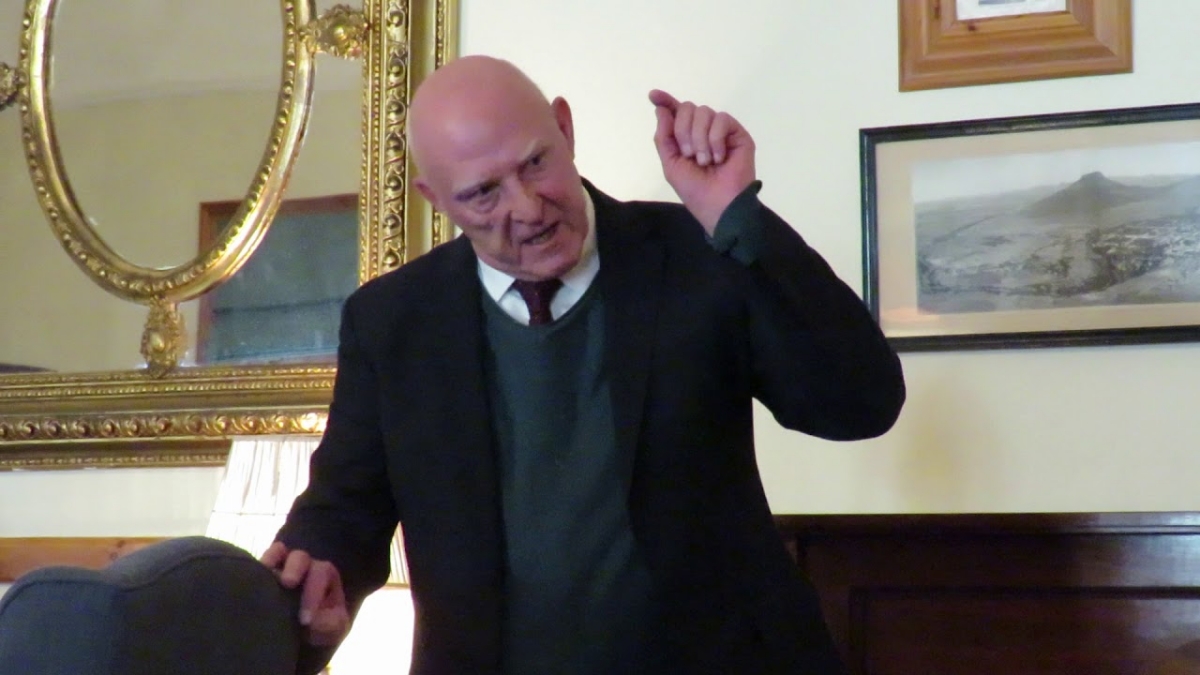
Derek Light, a Graaff-Reinet resident and attorney at Derek Light Attorneys, is challenging the name change through a legal process.
Light told BusinessTech that the administrative process related to the name change was flawed and invalid.
He explained that this was made clear in 2024, when the proposed name change was halted due to a flawed consultation process.
It was reported in the media that due to procedural issues, the South African Geographical Names Council (SAGNC) halted the name change and referred it back to the provincial council, and the Minister had declined the application.
Despite these problems, Sport, Arts, and Culture Minister Gayton McKenzie unexpectedly gazetted the name change on 6 February 2026.
Light challenged the government gazette notice, saying it was defective because it did not inform the public that they had 30 days to object and where to object.
He added that apart from the administrative process being flawed, the name change also has no merit.
The community’s wishes have not been taken into account, and naming the town after a divisive figure like Robert Sobukwe will not bring about reconciliation. It is generally undesirable for a town to be named after an individual.
He cited a study by Professor Ronnie Donaldson from the University of Stellenbosch’s Tourism and Urban Research Unit about the name change.
This study found that 83.6% of Graaff-Reinet residents opposed the name change. This opposition was particularly strong among the large coloured community.
Light explained that the research found that the Graaff-Reinet name has lost its colonial connotation and that the community is proud of the name and the town.
Another concern is that the name change will negatively impact tourism, which is the town’s second-largest economic contributor and the fastest-growing.
Apart from the direct cost of the name change, the secondary consequences of people stopping their visits to the historic town can be significant.
Light said that the principles contained in the United Nations Resolutions and adopted in Government Policy that geographical names are part of the historical, cultural and linguistic heritage of the nation, which it is more desirable to preserve than destroy should be followed, and the wishes of the vast majority of the community respected.
Graaff-Reinet name change protest




















 Loading ...