

The mafia thriving in South Africa thanks to government failure


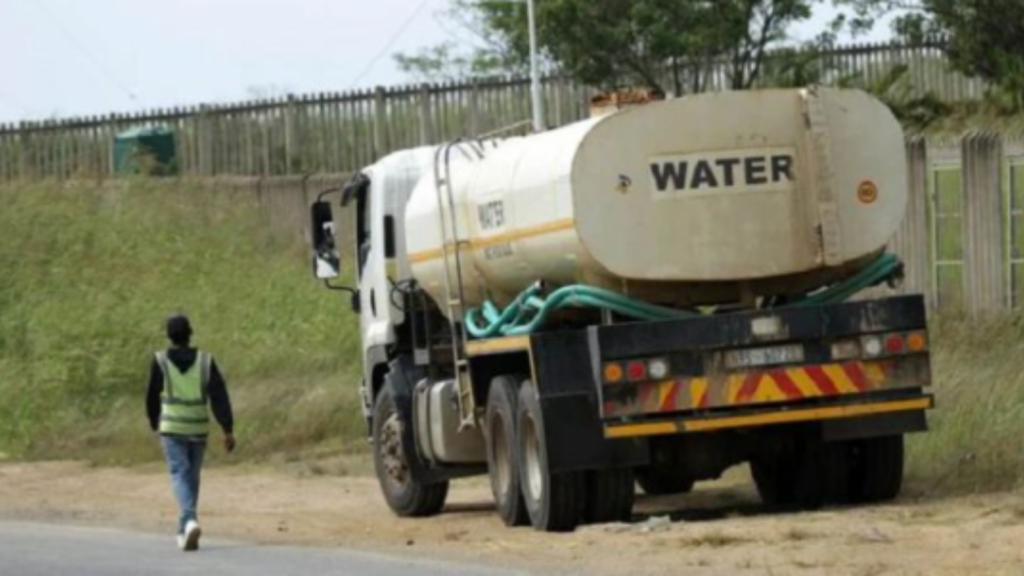
The Department of Water and Sanitation (DWS) says that multiple points of failure at the municipal level have created the gaps for criminal elements like water tanker mafias to emerge and thrive.
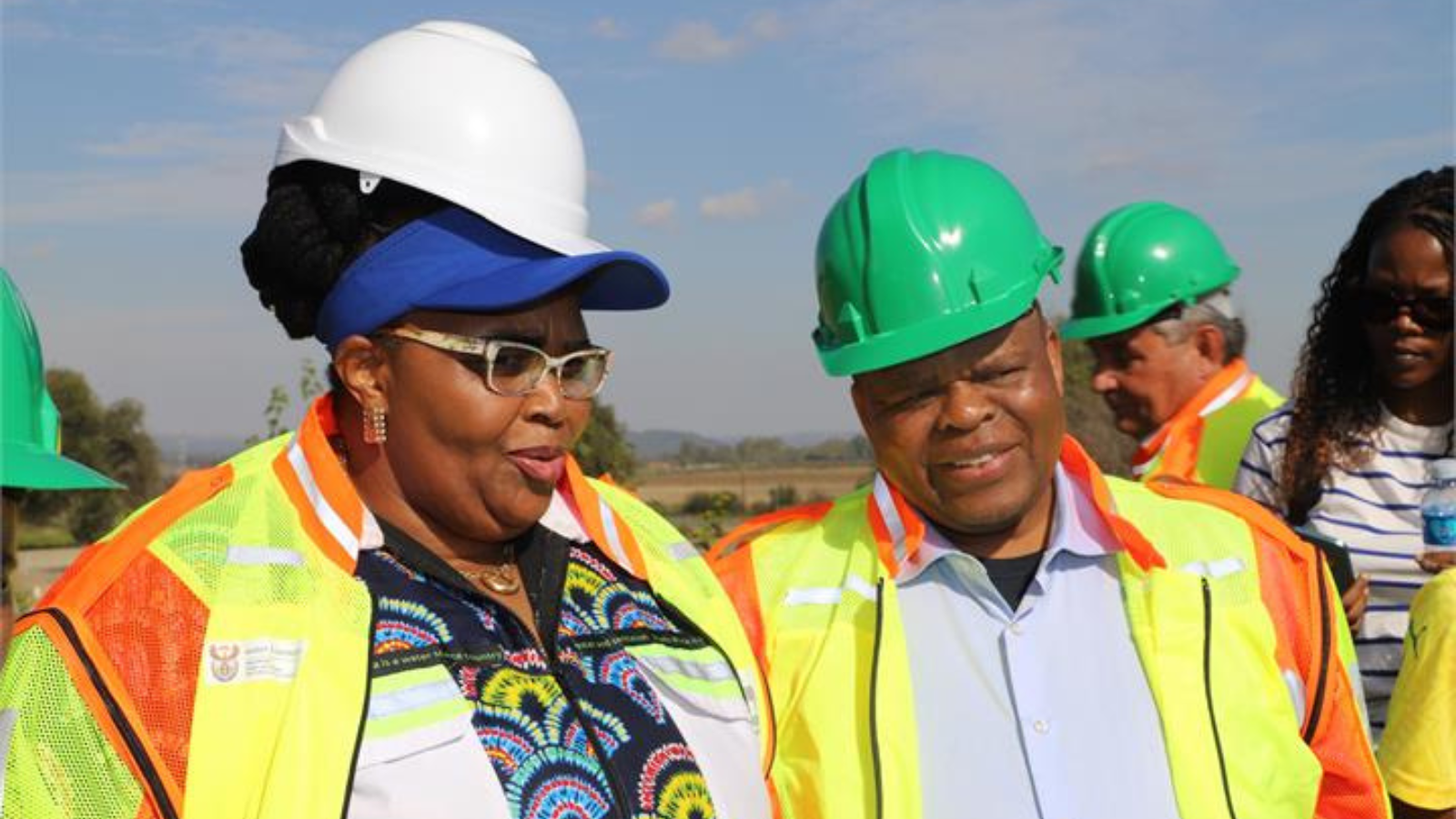
Responding to a parliamentary Q&A from Umkhonto Wesizwe MP, Mandlenkosi Matutu, DWS Minister, Pemmy Majodina, said it was not the department’s responsibility to take these syndicates on.
Instead, municipalities are tasked with ending these disruptions.
“It is not the responsibility of the DWS to reduce illegal supply disruptions or provide an uninterrupted water supply in municipalities,” she said.
“This is the responsibility of municipalities as Water Services Authorities (WSA), in terms of both the Constitution and the Water Services Act.”
Many municipalities in South Africa, including major metros, have come under siege from water-tanker mafias—organised crime groups that intentionally disrupt public water systems to create water shortages.
By instigating these crises, they force municipalities and communities to depend on their water trucks, which then sell water at greatly inflated prices, establishing a lucrative extortion-based business model.
These syndicates have become a significant and entrenched issue, especially in KwaZulu-Natal, Gauteng, and the North West province, often functioning as a form of “localised state capture.”
The DWS has pinpointed several key factors that lead to supply disruptions and create an environment conducive to criminal activities, such as the rise of water tanker mafias.
It stated that inadequate lifecycle asset management, including insufficient and non-ring-fenced maintenance budgets, has resulted in frequent system failures and prolonged outages.
High levels of non-revenue water, caused by leaks, illegal connections, and poor system management, undermine municipal revenue and hinder reinvestment in infrastructure, further exacerbating system instability.
Majodina said illegal connections are often associated with communities that are either unserved or underserved, leading to unauthorised access to water.
This situation places additional strain on already constrained systems, contributing to infrastructure damage and service disruptions.
The prolonged dependence on emergency water tanker provisions has created an environment where system failures are not addressed with the necessary urgency.
This then allows for potential abuse and criminal infiltration.
Inadequate infrastructure protection, coupled with weak enforcement, limited investigative capacity, and low conviction rates, has diminished the deterrent effect against vandalism, theft, and organised criminal activities.
The Department of Water and Sanitation responds
The lack of clear separation between WSA and Water Services Provider (WSP) functions, and the diversion of water revenues to other municipal priorities, has undermined accountability and financial sustainability in some municipalities.
To tackle these challenges, the Department said it will be implementing a series of reforms this financial year, some of which focus on metropolitan municipalities.
The Water Services Amendment Bill in Parliament aims to clarify the roles of the WSA and the WSP in municipalities, enhancing accountability in operations and revenue collection.
Additionally, the National Treasury has introduced a performance-based Trading Services Grant of R54 billion for metropolitan municipalities, set to take effect in the 2025/26 financial year.
Access to this grant is contingent upon these municipalities executing approved turnaround plans and showing measurable advancements in key performance indicators, which include:
- Separating water revenue within metropolitan trading services
- Creating accountable WSP business units
- Reducing non-revenue water
- Increasing service reliability
“All metropolitan municipalities are required to implement water and sanitation turnaround strategies with defined targets and timelines,” said Majodina.
“Performance is monitored jointly by National Treasury, DWS and COGTA, with funding access linked to progress.”
The Department is working on expanding bulk and reticulation infrastructure to connect unserved and underserved communities, including those in metropolitan areas, and to establish formal water service provision.












 Loading ...