

Motorists could be forced to pay more to drive on South Africa’s roads


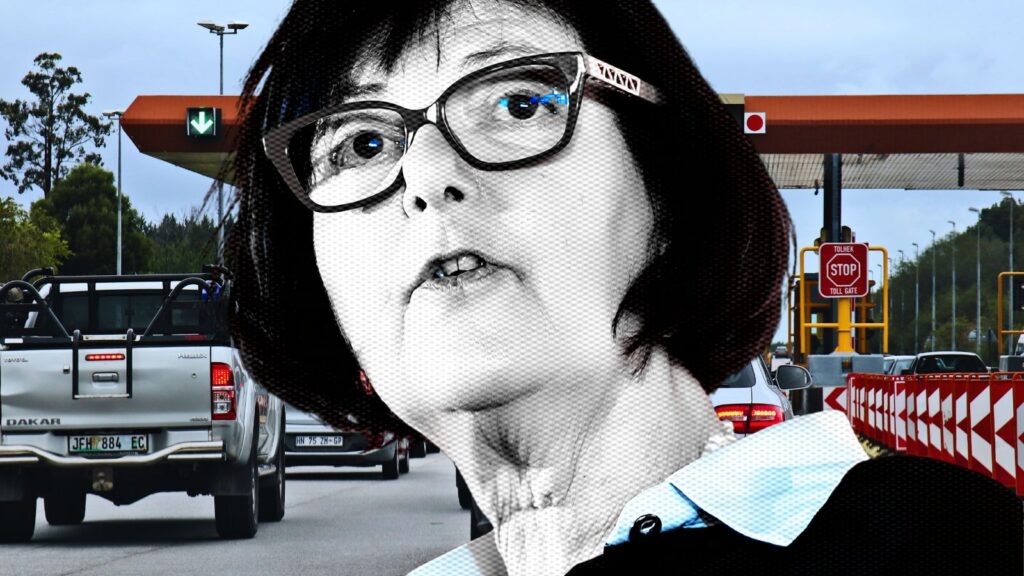
South African motorists could face paying more to use the country’s roads in the future, with Transport Minister Barbara Creecy warning that widespread tolling may become necessary to maintain them.
Creecy raised the possibility during the Department of Transport’s tabling of its R102 billion budget vote, where she outlined the growing financial pressures facing the country’s road infrastructure.
The minister said the South African National Roads Agency SOC Limited (SANRAL) is expected to receive nearly R31 billion this year to maintain, rehabilitate, upgrade and expand South Africa’s road network.
According to Creecy, the money will be used for capital expenditure on the non-toll network, including the Gauteng Freeway Improvement operations and the N2 Wild Coast route, where construction continues on several major bridges.
Additional allocations will support the development of new sections of national highways and upgrades to the Moloto Road corridor linking Gauteng, Mpumalanga and Limpopo.
However, the minister acknowledged that the government is under mounting pressure to maintain roads in good condition while facing financial constraints across all spheres of government.
“Of course, we are not operating in an environment of our choosing. The geopolitical and economic environment in which we operate is filled with rapidly shifting challenges,” Creecy said.
She explained that provincial and municipal governments are struggling with inadequate funding and a lack of technical capacity to properly maintain roads, which has forced SANRAL to increasingly take over those responsibilities.
“Since 2013, provincial governments have transferred 13,000 kilometres of provincial roads to SANRAL for management and maintenance,” she said.
Creecy warned that the arrangement cannot continue indefinitely without consequences for the national road agency’s finances.
“This is not a sustainable long-term strategy and will ultimately impact SANRAL’s ability to maintain the national road network without introducing widespread tolling,” the minister said.
While Creecy did not provide details on what “widespread tolling” could entail, the comments suggest motorists may eventually face either higher toll fees on existing routes or the introduction of additional toll roads and toll gates across the country.
SANRAL toll fee increases for 2026
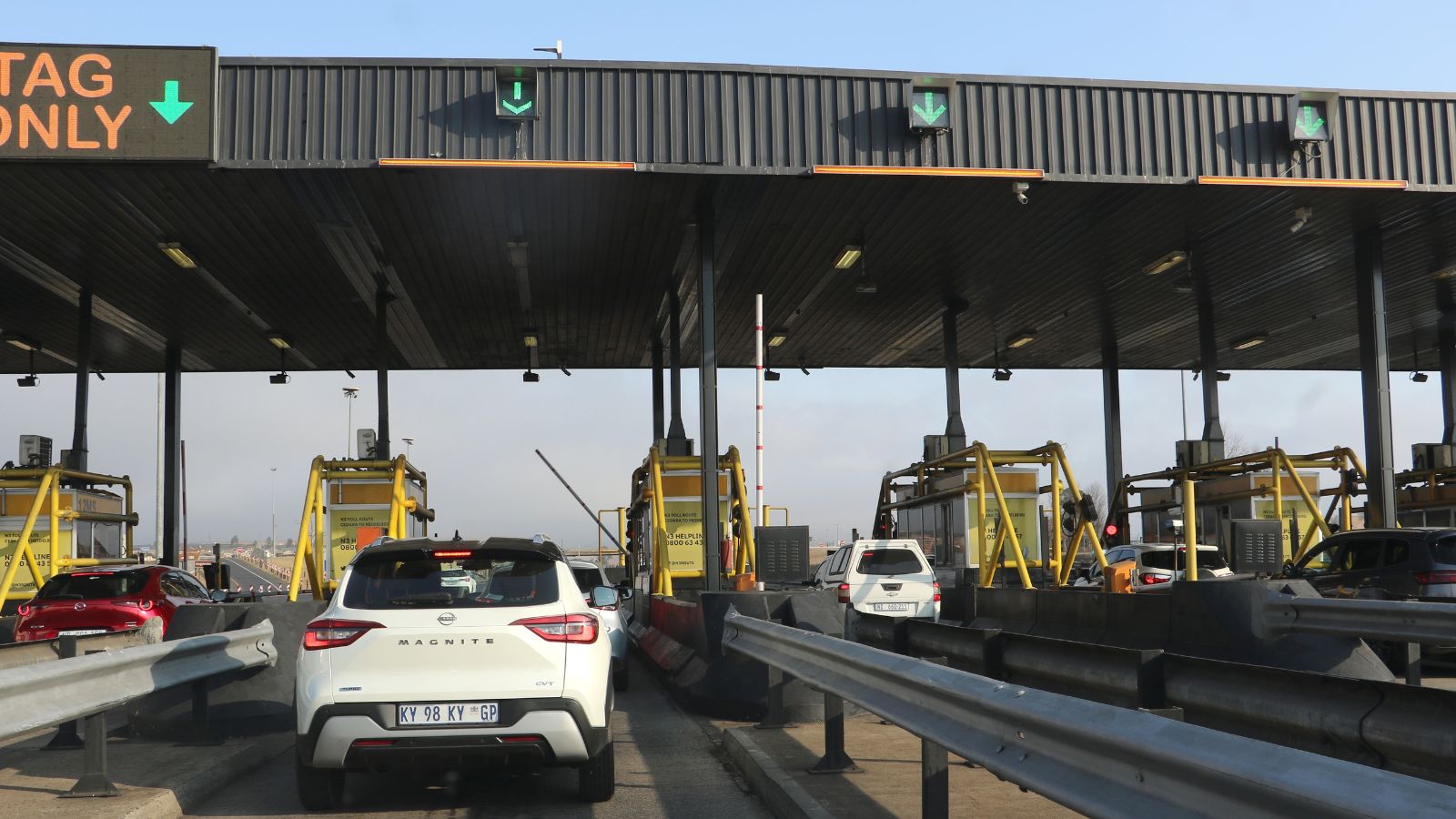
The warning comes as SANRAL has already implemented another round of toll fee increases in South Africa.
The latest increases took effect in March 2026 after being published in the Government Gazette in February.
Toll tariffs were raised by 3.12% across the board in line with the Consumer Price Index published by Statistics South Africa.
Defending the increases, SANRAL General Manager for Communications and Marketing Vusi Mona said toll revenue remains critical for maintaining and improving the country’s roads.
Mona explained that toll income is used both to maintain and operate toll roads and to service debt linked to major road projects undertaken by SANRAL.
“The funds go a long way towards ensuring that SANRAL fulfils its mandate of delivering quality road infrastructure that adds value to the lives of South African citizens,” he said.
Mona added that infrastructure such as the national road network is essential for supporting the delivery of basic services, including water, sanitation, electricity, telecommunications and public transport.
He also stressed the importance of reliable roads for industrial, commercial and household activity.
“SANRAL is empathetic to the South African public, considering the current state of the economy,” Mona said.
“However, it is equally important to introduce the adjustments to ensure that the agency continues to deliver safe and quality roads to the benefit of all road users.”
Creecy said the government is now looking at possible solutions to ease the pressure on provincial road maintenance budgets.
She revealed that the Department of Transport and National Treasury plan to convene a joint meeting through the Minister and MECs forum.
The meeting will explore mechanisms to frontload the Provincial Road Maintenance Grant, enabling provinces to upgrade priority roads sooner.













 Loading ...