

Taxis saying goodbye to cash in Cape Town


The Cape Organisation for the Democratic Taxi Association (Codeta) has announced the launch of a new cashless payment system, which is set to launch on June 1.
Under this new system, commuters will be required to use cards that will be scanned when they enter the taxis.
“We are introducing a new cashless system in our taxi industry. Our customers will now be using cards, which they will scan when getting into our vans,” said Codeta chairperson, Nceba Enge.
“By doing so, we are also trying to protect them in the morning when they are going to work and when they are coming back home,” he said.
Enge said that cameras would be installed inside taxis as part of the new system to enhance safety and accountability within the industry.
He recognised that transitioning to this new technology may present challenges during the initial implementation stages.
While some commuters have welcomed the introduction of the system, concerns persist about how it will function in practice.
Taxi commuter Esethu Saliwa described the introduction of the new payment system as a positive development, noting that similar systems are already in use in other forms of public transport.
However, she acknowledged that commuters may initially find it challenging to plan their taxi fares using cards instead of cash.
She urged taxi drivers to be patient with passengers as they adjust to the new system.
“These systems will have challenges, and sometimes the devices might not scan. Taxi drivers should exercise caution and patience with commuters,” said Saliwa.
Tax for taxis
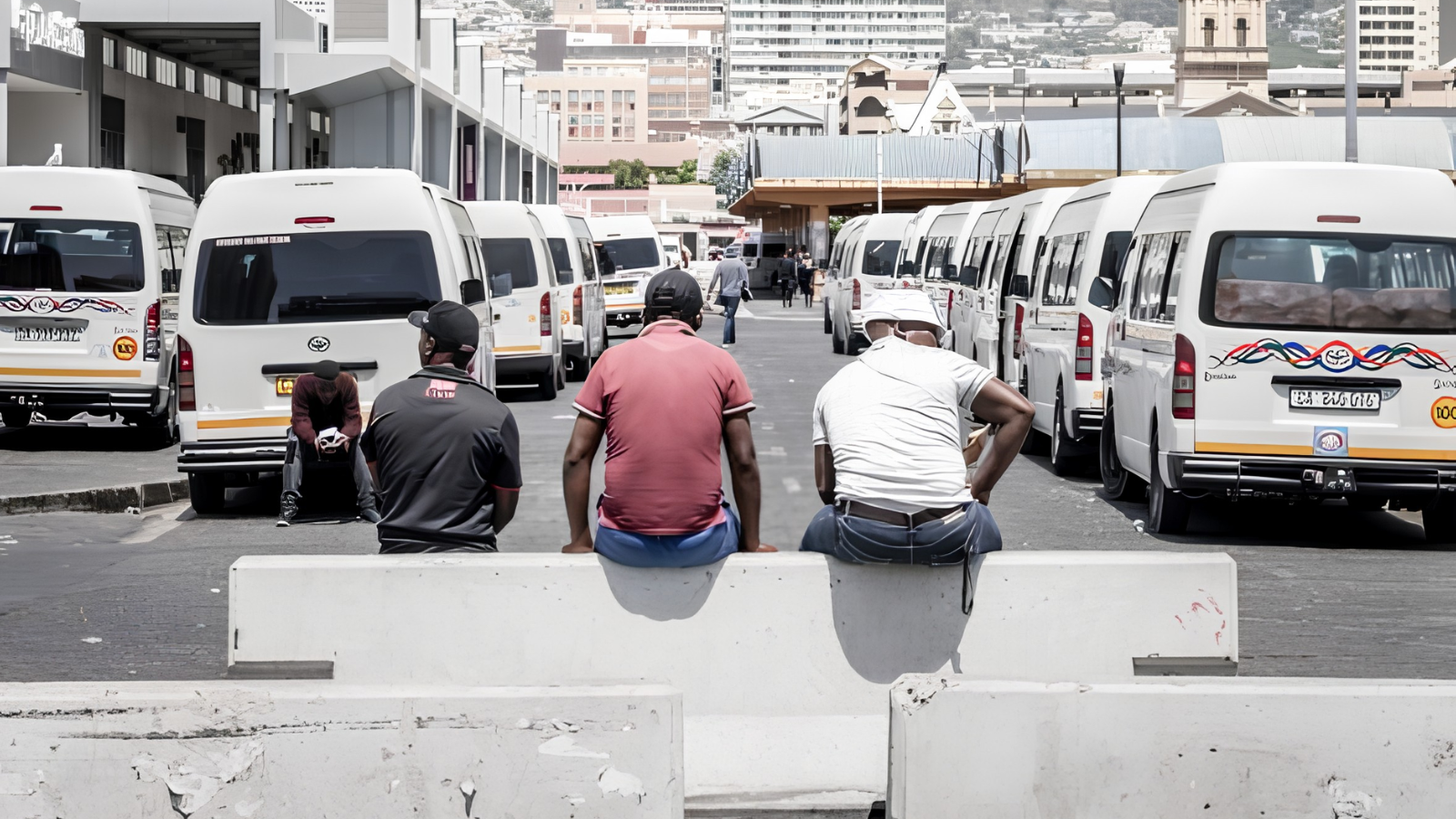
South Africa’s taxi industry generates an estimated annual revenue of between R90 billion and R100 billion, yet it pays virtually no tax.
In March 2025, Wayne Duvenage, CEO of the Organisation Undoing Tax Abuse (Outa), stated that formalising and taxing the taxi industry could significantly increase state revenue.
He emphasised that bringing the taxi industry into the tax framework, which is currently excluded, would help broaden South Africa’s tax base.
“It’s not to punish the taxi industry. It’s to say you are formalised, you are businesses, you need to be brought into the net,” he said.
The CEO of Outa stated that there is no valid reason for the South African taxi industry, which primarily operates on a cash basis, to remain untaxed.
His remarks align with the position of the Democratic Alliance (DA), which highlighted in 2021 that this profitable sector contributes only R5 million in taxes.
The low tax compliance rate of the South African minibus taxi industry was disclosed in response to a parliamentary question from the DA.
“The Minister of Finance has revealed that only approximately R5 million in tax is collected from the entire minibus taxi industry,” the DA said.
“This means that the vast majority of taxi operators and owners are declaring no corporate tax income at all and are not paying payroll tax for their drivers and employees.”
It is illegal to under-declare income and evade paying taxes. This constitutes a crime under the Tax Administration Amendment Act and can result in a prison sentence of up to two years.
The Democratic Alliance (DA) has urged the South African Revenue Service (SARS) to take action against tax evaders in the taxi industry, ensuring that this sector contributes its fair share of taxes.
A significant portion of the fares collected by taxi operators is paid in cash, resulting in minimal financial documentation of their operations.
This situation makes it difficult for the South African Revenue Service (SARS) to determine the operators’ earnings and the amount of tax they are required to pay.


















 Loading ...