

Fury over R700 for cooking oil and R3,700 for gravy powder in South Africa


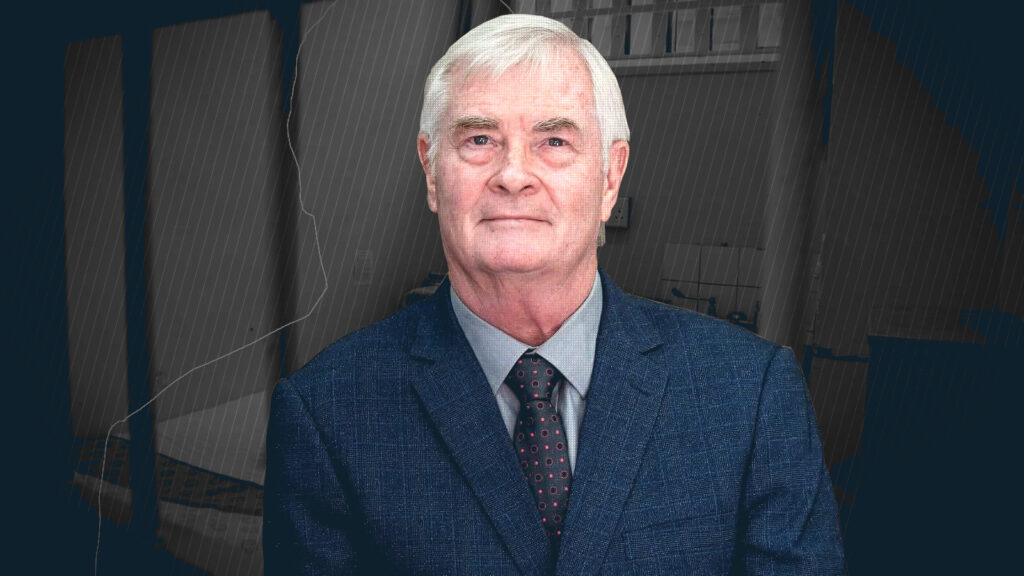
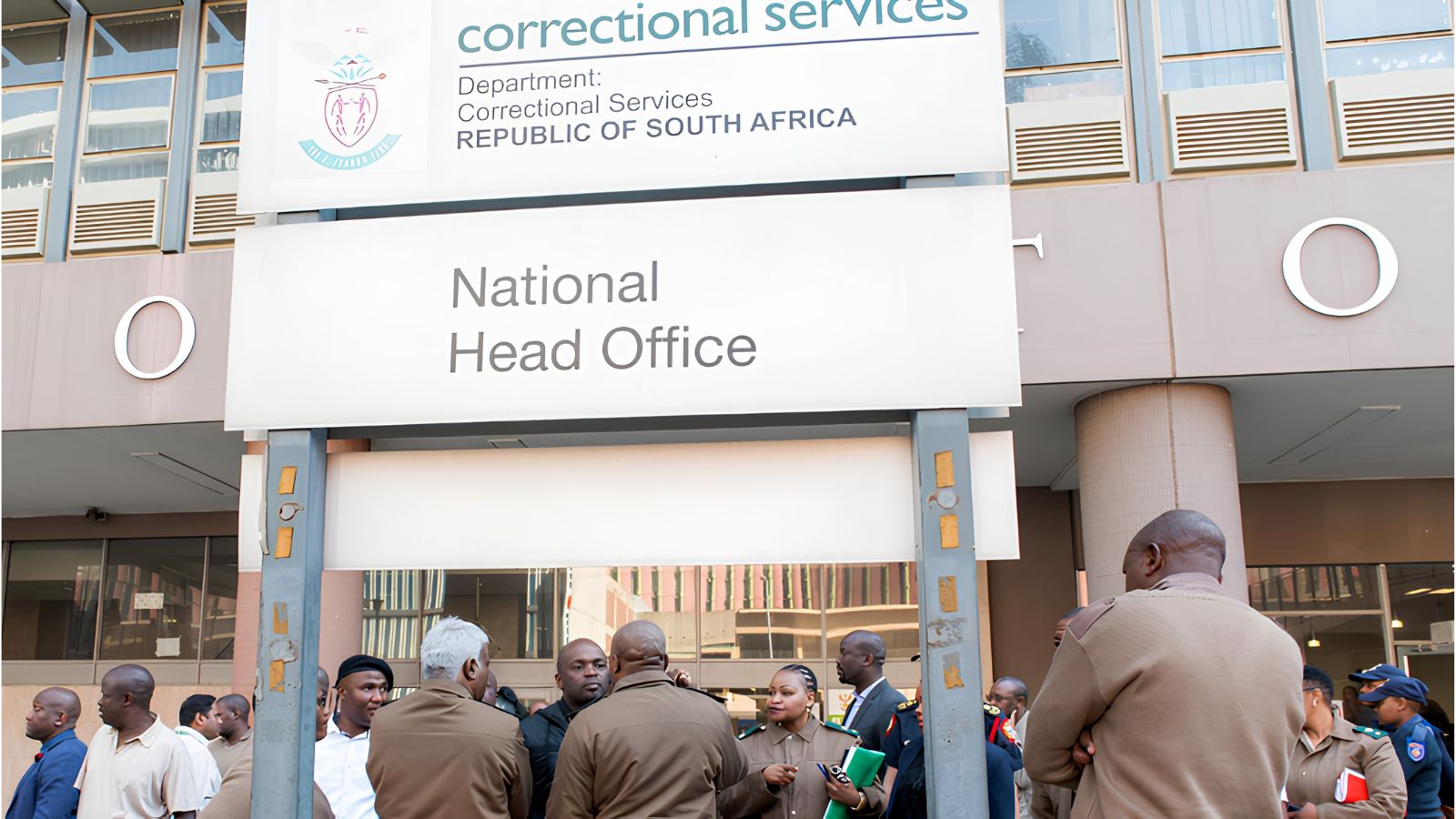
A political storm is brewing over allegations that the Department of Correctional Services (DCS) paid massively inflated prices for basic food items.
This included more than R700 for cooking oil and over R3,700 for gravy powder, prompting calls for a forensic investigation into the department’s procurement processes.
The Democratic Alliance (DA) has called for this investigation after a meeting of Parliament’s Portfolio Committee on Correctional Services.
A presentation to the committee showed that the department had entered into contracts with 115 service providers that contained what the DA described as “exorbitant and wholly irrational pricing”.
According to figures presented to the committee, the DCS had originally paid as much as R726.57 for a litre of cooking oil and R3,735.32 for gravy powder before prices were later renegotiated down to R29.06 and R920, respectively.
“This is not a mistake or an administrative oversight, but a looting of the Department of Correctional Services’ budget by corrupt officials colluding with shadowy businesses under Minister Groenewald’s watch,” the DA said in a statement.
“The only thing that has changed since the re-negotiation is the price; the gravy and cooking oil are exactly the same products.”
The party argued that the drastic price reductions exposed either gross incompetence or outright corruption within the department’s procurement systems.
“The difference between the old and new prices represents pure profit syphoned from a department that can barely keep its prisons safe or its inmates fed,” the DA said.
The department’s own internal presentation reportedly identified items such as gravy powder, pan-release oil, cauliflower, paw-paw, assorted spices and white flour as being priced far above market norms.
The DCS also acknowledged that its internal supply chain management and contract management teams were now manually reviewing around 4,600 transactions as part of an ongoing investigation into procurement pricing.
Responding to the allegations, Pieter Groenewald said some of the widely circulated figures were misleading because of administrative errors in the documentation presented to Parliament.
Minister of Correctional Services responds
Speaking in an interview on 702 Drive, Groenewald said the department had not paid nearly R770 for a single litre of cooking oil, as initially claimed.
“The national commissioner, who is the accounting officer, corrected the figure. It was not one litre. That was an administrative error. It was for 25 litres. Now, if you take 25 litres, it brings it down to R30,” Groenewald said.
Groenewald also stressed that ministers are prohibited from interfering in active tender processes under the Public Finance Management Act until contracts have been finalised.
“The PFMA, the Public Finance Management Act, is very clear that no political official, including ministers, is permitted to intervene or to be part of any tender process until everything has been completed and the tenders have been allocated,” he said.
Groenewald said procurement concerns had long been a priority since he took office in July 2024, particularly given the history of scandals linked to the department.
He said that this started with the bread prices. He said the department had been paying a consumer price of R24.50 per loaf of bread, which he viewed as unacceptable for a government department buying in bulk.
“I then said, but it’s totally unacceptable. We must get the best price to the benefit of Correctional Services and the taxpayers of South Africa,” he said.
Groenewald said the department subsequently renegotiated prices and expanded its internal bakery operations to further reduce costs.
He added that the department’s bakeries had already saved taxpayers R77 million in the previous financial year, with plans to add another seven bakeries by 2028.
The minister said he had instructed officials to review pricing across all perishable and non-perishable contracts and was still awaiting final reports. “I said it must be done with all the tenders and report back,” he said.
While Groenewald said he would support action if corruption or irregularities were uncovered, he cautioned against launching costly forensic investigations before all the facts had been established.
“My principle is that, of course, if it is necessary, surely we will do it. But we must make sure whether we have a good case, because forensic investigations or auditing processes are very expensive. That’s taxpayers’ money,” he said.
“If there was any wrongdoing, if there was any corruption or anything like that, I will act as a minister. There will be consequences if it was irregular or if it was corruption or whatever the case may be,” Groenewald said.











 Loading ...