

Severe weather warning for South Africa


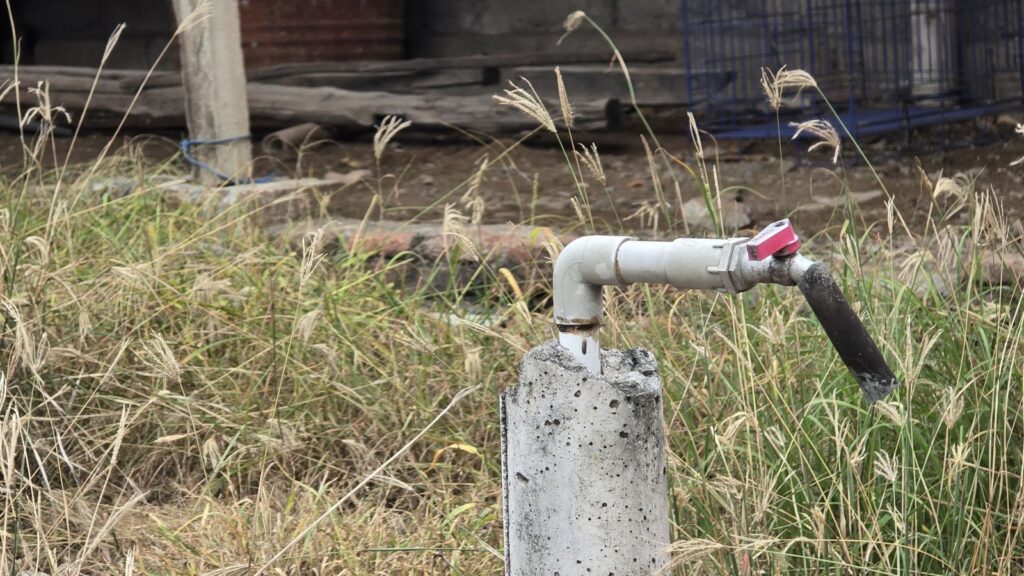
South Africa may be facing a “calm before the storm” as the South African Weather Service (SAWS) warns of a possible super El Niño.
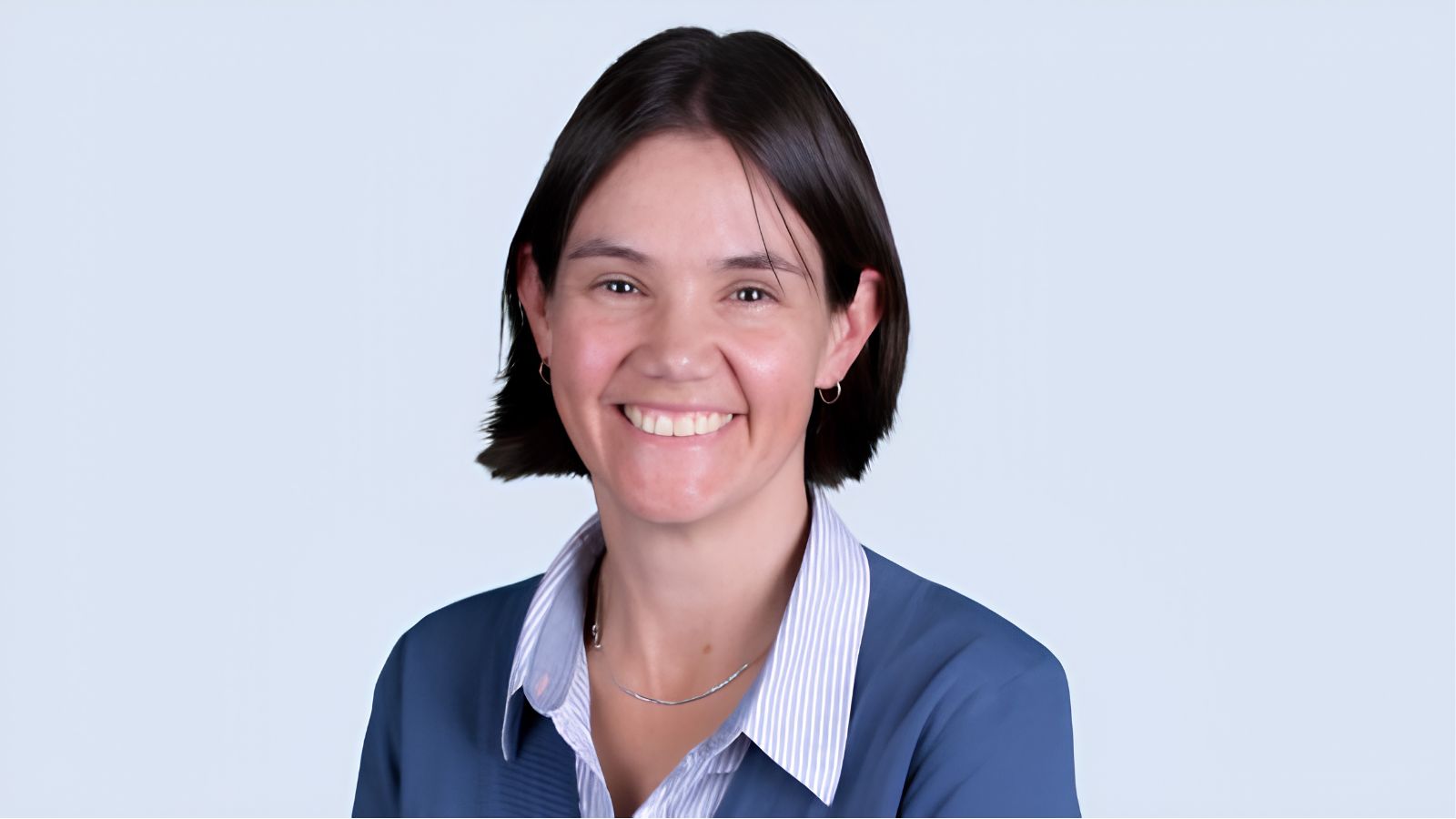
Speaking in an interview with Moneyweb Radio, Karen King, Climate Resilience Director at Atana, said El Niño is predictable at a broad level and that South Africans should take the warning seriously.
A “super El Niño” is an exceptionally strong version of the natural El Niño climate phenomenon. It occurs when sea surface temperatures in the central and eastern tropical Pacific Ocean rise more than 2°C above the long-term average.
This extreme warming dramatically alters atmospheric jet streams and global weather patterns. King explained that drought linked to El Niño is driven by both natural and human-influenced factors.
“El Niño drought conditions in South Africa occur when trade winds weaken, or they significantly weaken in the case of a super El Niño, which is a natural process,” said King.
“When the surface water in the Pacific Ocean warms or warms significantly in the case of a super El Niño, it is a human-induced change.”
While the phenomenon is global in scale, she cautioned that predicting its exact local impacts remains difficult.
“This is clearly a very large-scale global phenomenon, so its intensity and its localised damage impacts are still highly variable and very difficult to predict,” she said.
“But while we can’t predict exactly which areas will be affected and when, we definitely should be better prepared for all coming drought conditions.”
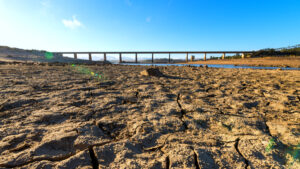
King argued that drought remains one of the most underestimated climate risks because of the slow way it develops.
“Drought is often the climate risk we underestimate because drought unfolds gradually. We often respond to it too late,” she said.
“We feel as if we have time to adapt. And unlike something like flooding, drought’s slow onset period creates this false sense of security.”
However, she warned that the consequences can be just as severe as more sudden disasters.
“Its impacts are every bit as destructive, and they accumulate over time through water shortages, declining agricultural production, rising food prices and pressures on local economies,” she said.
Be prepared
According to King, South Africa has made little progress in strengthening its drought resilience since the previous drought crises.
She warned that some of South Africa’s major cities could again face Day Zero-type scenarios.
“While Johannesburg is not facing a citywide formal Day Zero at the moment, communities across large parts of the metro are already experiencing localised Day Zero-like conditions,” said King.
She said lessons from previous droughts should include “decentralising and diversifying water supplies before the crisis hits, actively involving citizens in resource conservation, and building financial resilience for public utilities.”
King stressed that preparedness must become a practical priority rather than a theoretical discussion. “We need to focus on water security, food security, and infrastructure resilience simultaneously,” she said.
She said practical measures should include maintaining and upgrading water infrastructure, reducing water losses, and protecting groundwater resources.
This also includes expanding water storage and reuse systems, strengthening local planning capacity, and supporting climate-resilient agriculture.
At the household level, she recommended storing water in tanks, reusing greywater where possible, and keeping “a small amount of unscented, unopened bleach that’s less than one year old” for emergency water treatment.
King also emphasised the financial benefits of acting before a drought becomes a crisis. “The cost of preparedness is always significantly lower than the cost of a crisis,” she said.
“Local studies have found that for every one rand invested in climate resilience, we save between three and seven rand in avoided damages, emergency cleanup, relief, and long-term economic impacts.”
She added that international research points to even greater returns, noting that studies in Australia suggest a benefit-to-cost ratio of around 1:10, while studies in the United States indicate a ratio closer to 1:12.
“These are countries that share our history of really severe drought conditions,” she said.













 Loading ...