

Residents who only make an average of R18,000 a month teach useless municipality a lesson


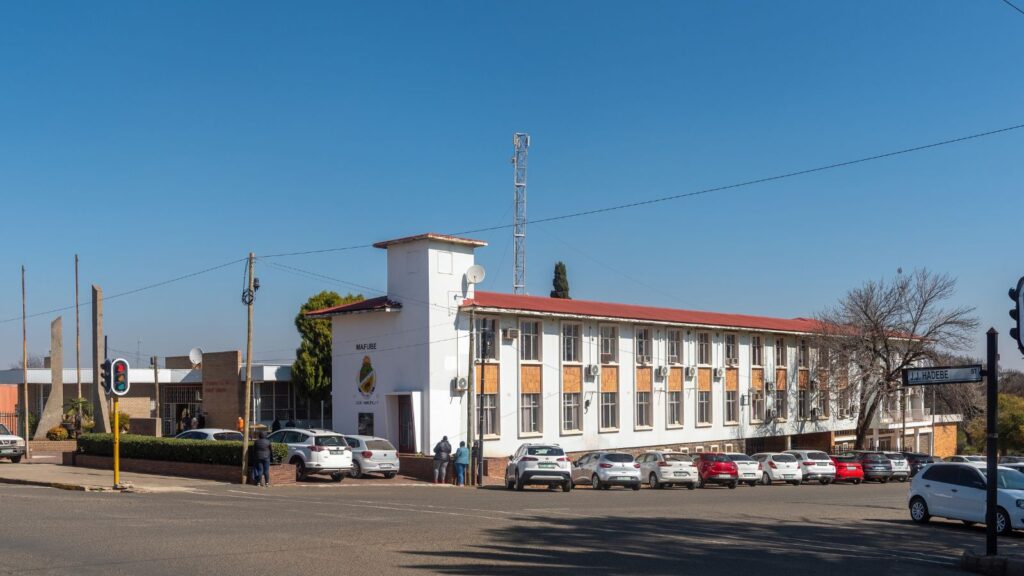
Residents in the Free State have taught a failing municipality how to do things by taking over their own service delivery from what is described as an inept and corrupt local government.
Residents of Mafube Municipality are highlighted as an example of how local communities can work together to restore essential services.
The South African Revenue Service (SARS) data shows that the municipality has only 5,615 registered taxpayers with an average taxable income of R217,222 a year, working out to roughly R18,100 per month.
The figures were published as part of SARS’ 2025 Tax Statistics, which are compiled using data from taxpayer registers and submitted tax returns.
The report showed that residents of the Mafube Municipality have one of the lowest average taxable incomes in the Free State.
Despite these financial constraints, businessman Rob Hersov believes the community has demonstrated how residents can play a significant role in reversing municipal decline through cooperation with private organisations and local stakeholders.
Mafube Local Municipality, which falls under the Fezile Dabi District, includes the towns of Frankfort, Mafahlaneng, Namahadi, Qalabotjha and Villiers. In recent years, it has faced severe service delivery challenges.
The Democratic Alliance warned in January 2026 that conditions had continued to deteriorate despite the municipality being placed under a Section 154 intervention by the provincial government.
It said communities have experienced prolonged water disruptions after water tanker contracts were suspended because the municipality could not pay service providers.
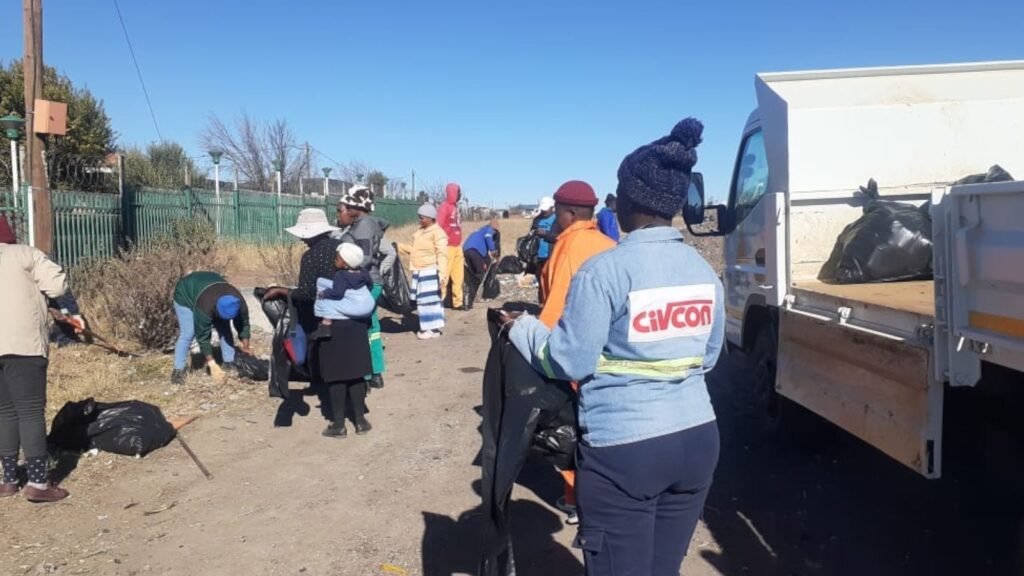
The party also said refuse collection had been neglected, forcing residents to organise their own waste removal.
Additionally, a project intended to prevent sewage from flowing into the Wilge River had been halted due to non-payment, despite government funding and a court order.
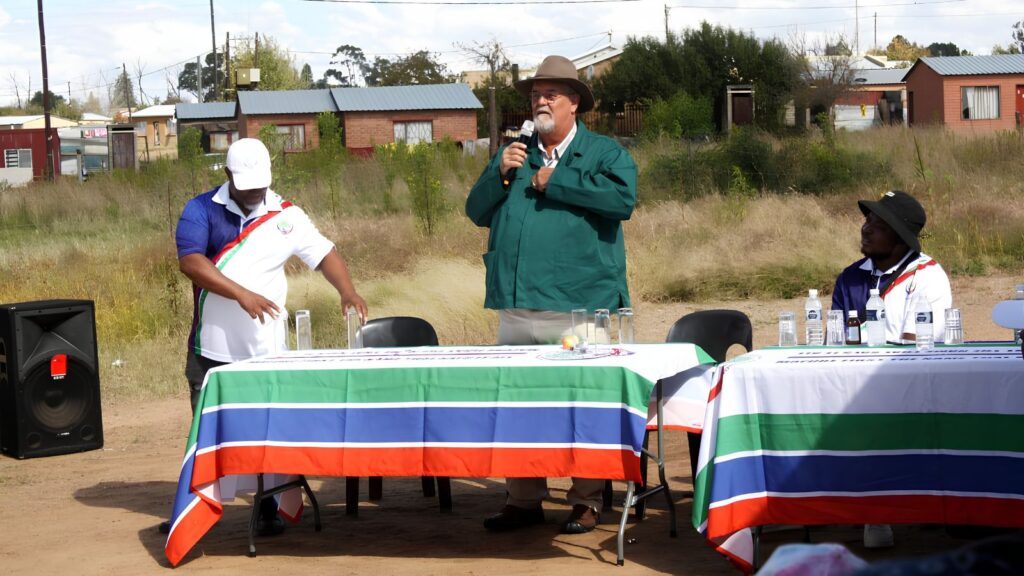
Speaking in an interview with BizNews, Hersov said the worsening collapse of municipal services prompted local residents to take action more than a decade ago.
Showing the government how it’s done

According to Hersov, community members began organising in 2012 as electricity infrastructure, sewerage systems and roads steadily deteriorated.
“The electricity supply collapsed, sewerage collapsed, and there were potholes in the roads. In 2012, they said, ‘We’ve had enough. We cannot afford to allow this to happen, and we’re going to do something about it.’”
In response to widespread municipal failure, community leader Johnny “Oupa” Mokoena formed a group called Mafube. It was initially aimed at promoting the interests of black people in his immediate community.
Realising the need for a greater united effort, he began reaching out to white residents and farmers for assistance, including Hans Pretorius.
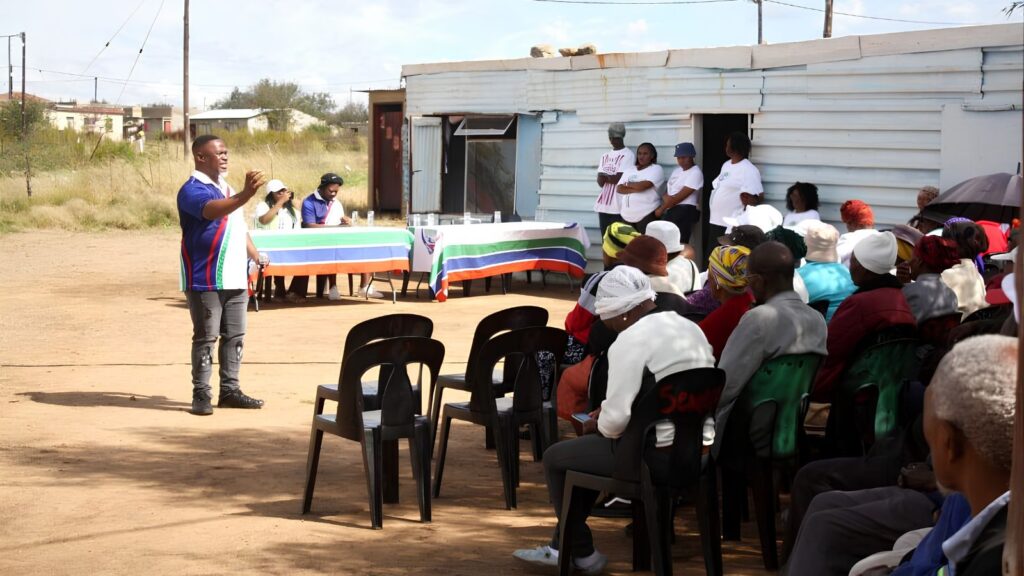
The duo brought together the Mafube Business Forum, the Mafube Farmers Association, and the Mafube Residents Association, with a shared goal of fixing their town.
The coalition asked local farmers to pay a voluntary levy of R18 per hectare per year to help arrest the region’s decline
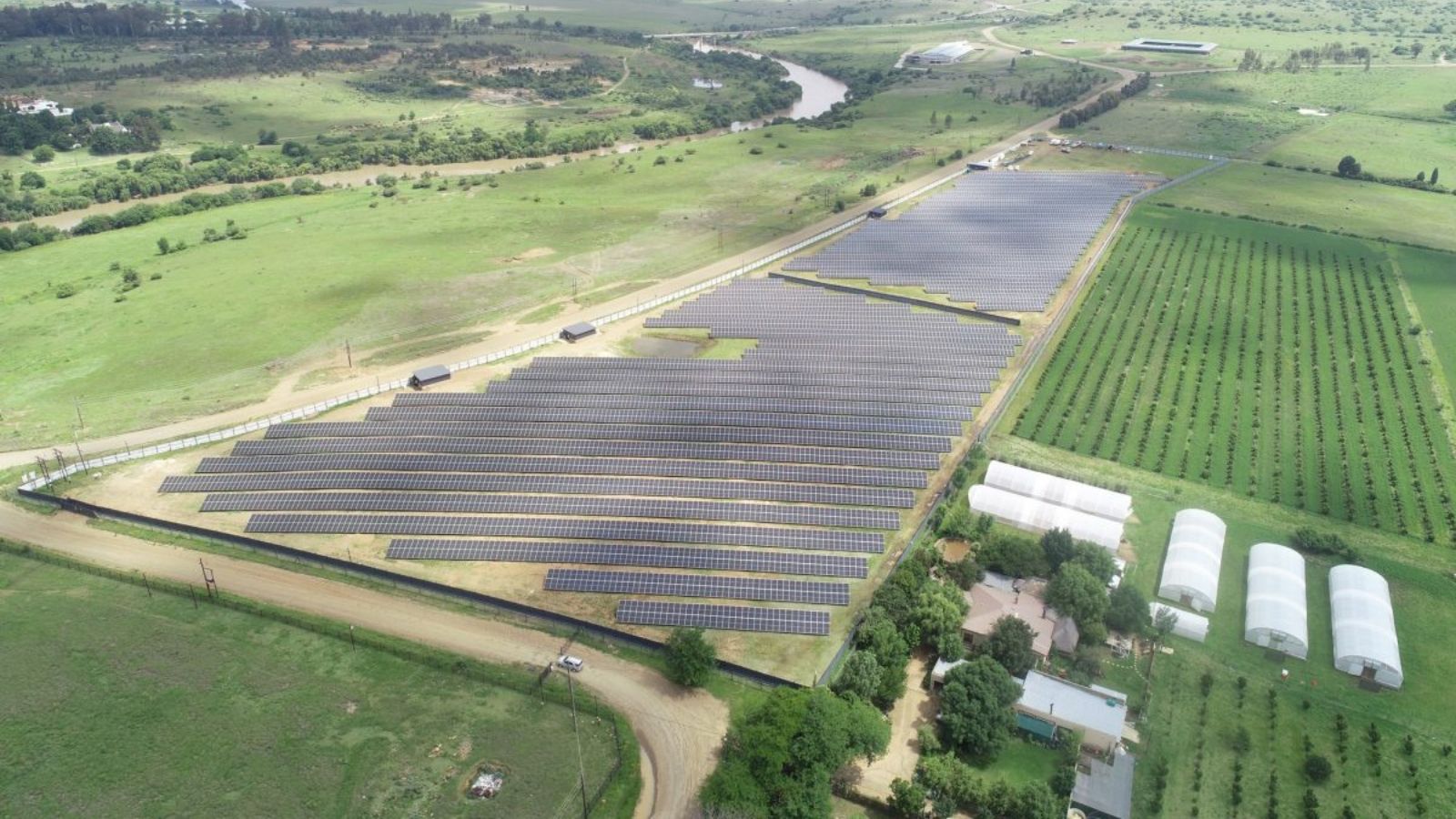
One of the key developments was a partnership with Rural Maintenance Free State (RFS), which Hersov said secured a 25-year agreement to rebuild and manage the local electricity distribution network.
Under the arrangement, the organisation bills customers, collects payments and reinvests in infrastructure.
“They’ve basically taken control of the distribution of electricity,” Hersov said, and added that the organisation has since expanded into electricity generation.
He argued that the experience showed residents are willing to pay for municipal services when they are delivered reliably.
“Despite the lack of money, people are prepared to pay if they get the services. This is one of the crucial messages that’s come out of Mafube,” he said.
Hersov also pointed to broad cooperation across the community. “Blacks, whites, farmers, residents, employed, unemployed all got together to say, ‘We’re going to fix our community.’”
He stressed that the initiative was intended to strengthen rather than replace local government. “It was never to take over the municipality. The work was to make municipalities function properly,” he said.
He added that around 90% of local farmers continue to voluntarily contribute levies to help restore municipal finances and fund infrastructure projects.
Hersov described the effort as evidence of residents willing to put their money where their mouth is.
“They’re extraordinary people doing extraordinary things. These are farmers, they’re businessmen, they’re ordinary residents, they’re people from townships,” he said.
“They’re the good people of South Africa rolling up their sleeves together and saying, ‘We’re going to make a plan.’”
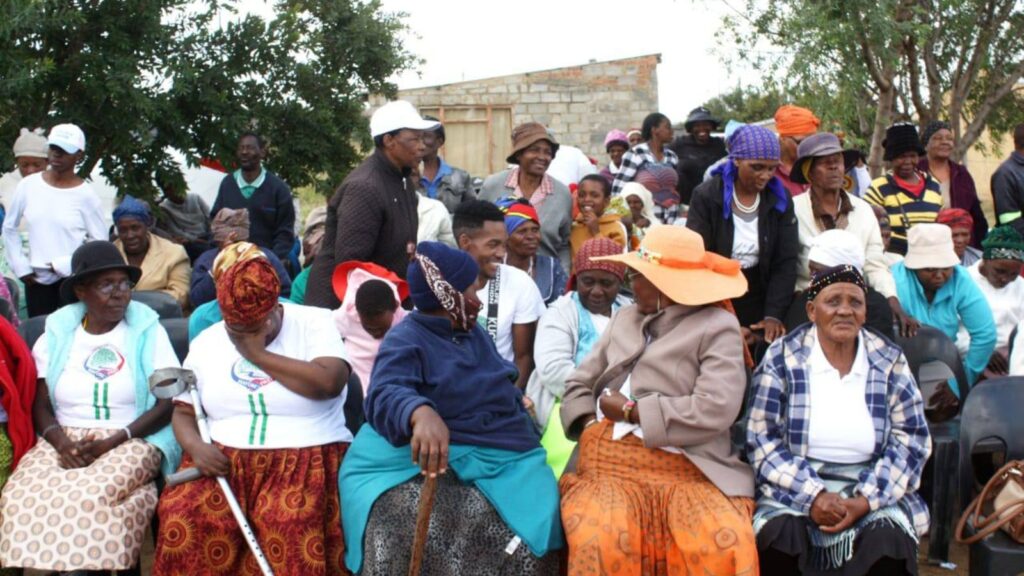
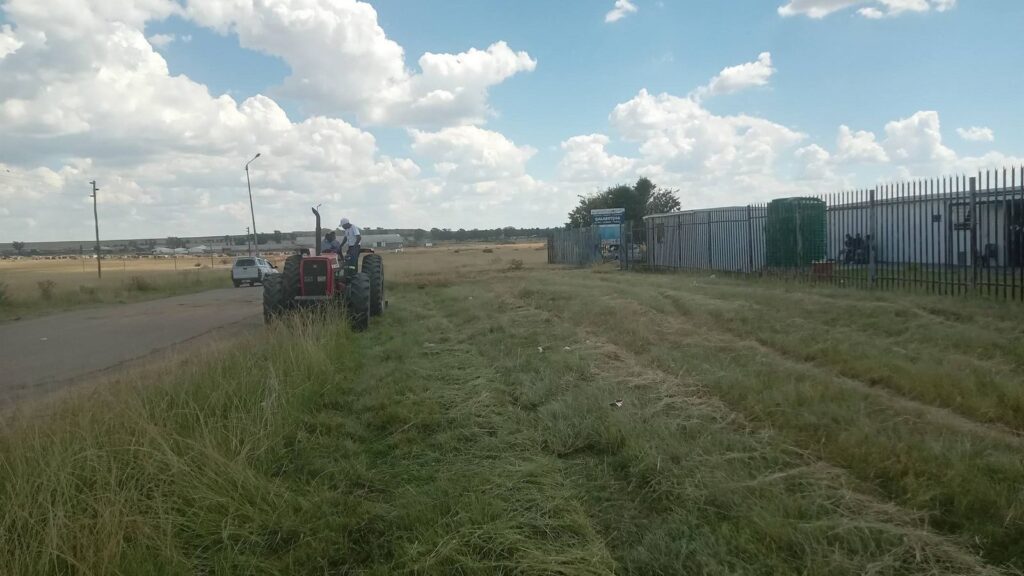
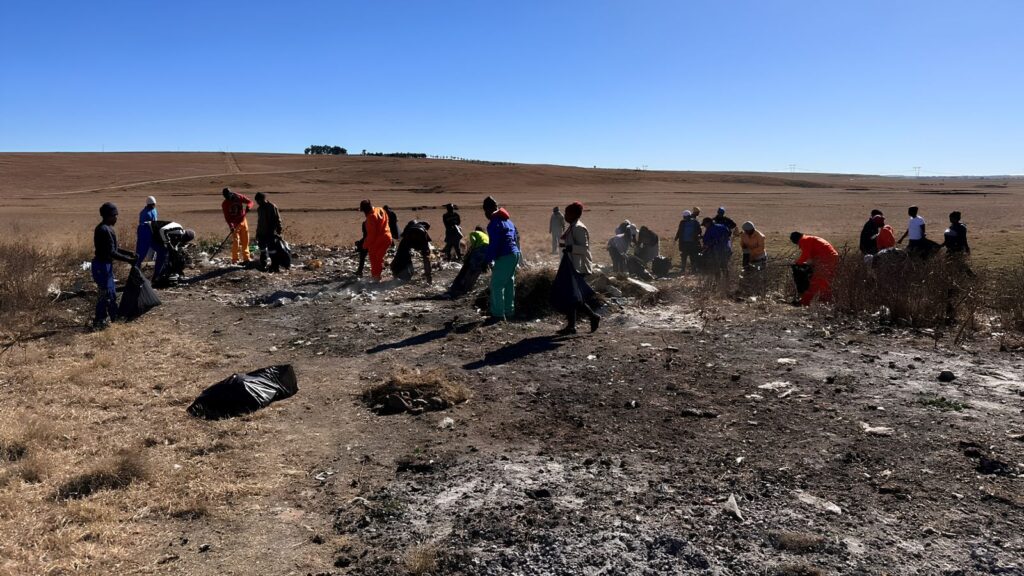
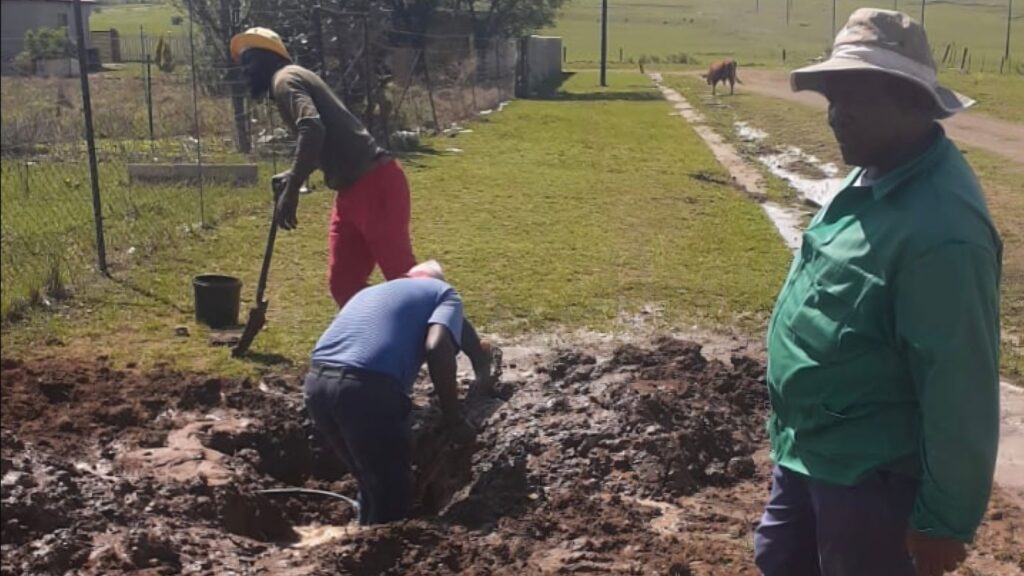
Photos of community members helping to fix Mafube Municipality



















 Loading ...