

Plan to combine 3 of the biggest cities in South Africa into a ‘Megatropolis’


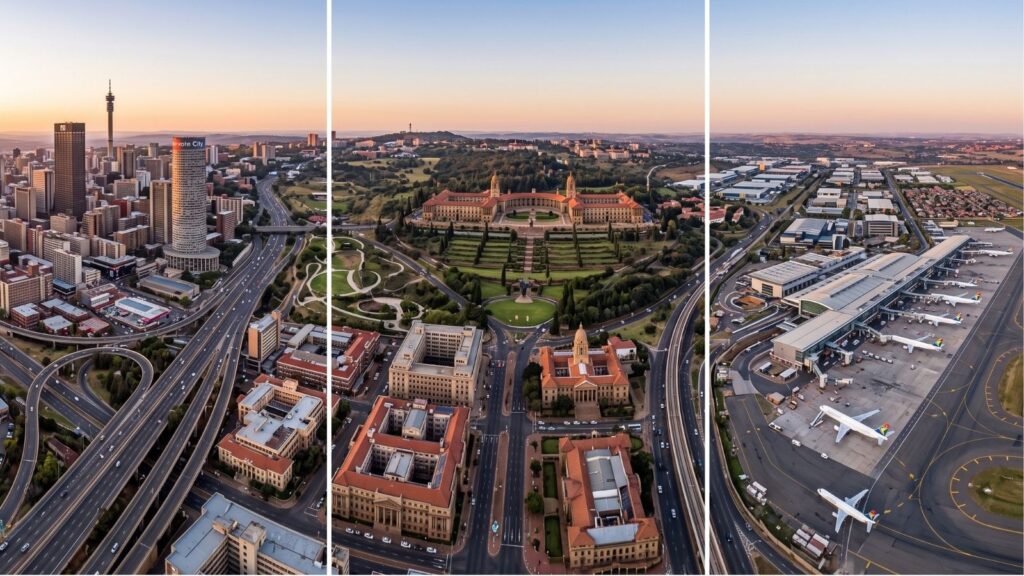
The ANC wants to combine the City of Johannesburg, Tshwane and Ekurhuleni into a single “Megatropolis” in South Africa.
However, this has sparked debate over whether creating one of the country’s largest municipal structures would improve service delivery or simply add another layer of complexity to Gauteng’s already struggling local government system.
ANC First Deputy Secretary-General Nomvula Mokonyane described the proposal as part of a broader vision to move away from isolated municipalities towards an integrated “city region” that better reflects Gauteng’s economic reality.
Mokonyane argued that the current boundaries separating municipalities were largely artificial. “The boundaries of the municipalities are very imaginary,” she said.
Under the conceptual plan, different parts of the combined city region would focus on their existing economic strengths.
Ekurhuleni would serve as the industrial and manufacturing hub in the east, while the West Rand would focus on agriculture and tourism.
Johannesburg would remain the commercial and financial centre, while Tshwane would serve as the administrative, diplomatic and governance hub.
Mokonyane said a future restructuring of local government was necessary because many municipalities were facing deep financial and administrative problems.
Some municipalities struggle with residents not paying for services and are forced to redirect government grants towards administrative costs.
This has raised questions about whether some municipalities were properly structured and capable of functioning as a viable metropolitan area.
However, she acknowledged that plans to merge municipalities often face political resistance because they could result in fewer council and mayoral positions.
“The unfortunate thing is these discussions then get affected by, if we go this way, it means we’re going to have fewer councillors. If we go down this route, then we’re going to have fewer mayors,” she said.
Mokonyane argued that political considerations should not stand in the way of long-term planning. “The approach to the future must be developmental,” she said.
Bigger does not automatically mean better
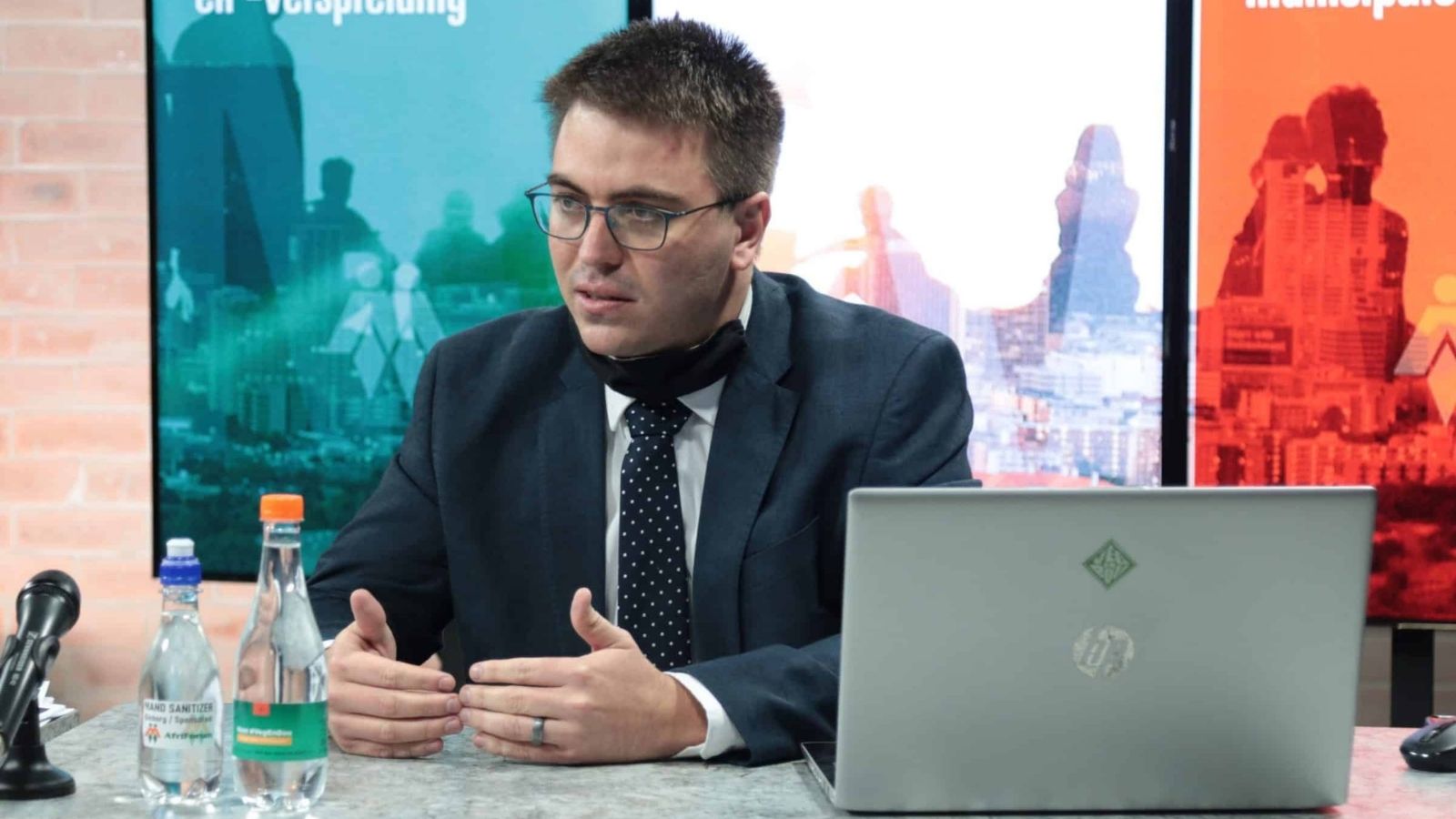
However, AfriForum’s Local Government Affairs Manager, Morné Mostert, has strongly criticised the proposal and argued that larger municipalities do not automatically deliver better services.
Speaking to BizNews, Mostert said the idea reflected what he believed was the ANC’s broader preference for centralised government structures.
AfriForum believes that the size of a municipality is not the primary factor in determining whether it performs well. “Bigger municipalities do not necessarily mean better municipalities,” Mostert said.
He pointed out that Gauteng already has some of the largest municipalities in South Africa, yet many continue to experience significant governance and service delivery problems.
“I do think that this policy statement by the ANC is riddled with issues from the start,” he said. Mostert added that creating the Megatropolis would require significant legal and administrative changes.
The Municipal Demarcation Board would have to redraw boundaries and conduct public participation processes, while the government would also need to determine how the responsibilities of the new municipality would be structured.
He also questioned whether politicians could have personal incentives for supporting larger municipalities, noting that remuneration structures are linked to municipal size.
AfriForum would oppose the proposal through public participation processes and, if necessary, legal action. “We will tackle it legally full scale,” Mostert said.
Instead of creating increasingly larger municipalities, Mostert argued that the government should focus on fixing basic services.
“I don’t think this will benefit any citizens on the ground level. If they want to have a policy change, I think they should start there,” he said.















 Loading ...