

Authorities coming after online purchases and couriers in South Africa


The National Consumer Commission (NCC) has partnered with the Border Management Authority (BMA) to target illicit goods entering the country through online purchases.
The partnership follows the two groups’ meeting this week to discuss ways to strengthen border protection against unsafe, non-compliant, or illicit goods.
This meeting led to the signing of a Memorandum of Understanding (MoU) between the NCC and BMA, focusing on increasing border security operations targeting goods.
“The MoU provides a mechanism to strengthen the protection of consumers against unsafe, non-compliant or illicit goods entering the South African market through ports of entry and border areas,” the two groups said.
To strengthen border protection, the two groups will conduct joint inspections and enforcement operations, share information, and coordinate public awareness initiatives.
The chief concern of the NCC is imports related to e-commerce purchases as well as courier and postal shipments.
The NCC said identifying fraud-related activities associated with these industries would be a priority for the newly formed partnership.
International online retailers, such as Temu and Shein, have seen massive growth in their popularity in recent years.
These e-commerce sites offer South Africans a wide variety of goods at incredibly low prices compared to similar products in South Africa.
However, international online retailers have increasingly become associated with scams and fraudulent transactions in South Africa.
South African customers order items online through international e-commerce sites, and are sometimes left with a product that is not what was advertised.
These online stores do not follow the same advertising and product laws as South African companies, making it difficult for citizens to resolve these issues.
Products purchased from overseas companies may also not comply with South Africa’s health and safety regulations.
Although products may be legal overseas, all imports into South Africa have to comply with the country’s rules and regulations.
The partnership will also strengthen regulatory compliance and support effective border management strategies.
The NCC said this new partnership is vital for reducing the number of unsafe and illegal goods in South Africa.
“The NCC has identified the BMA as a strategic partner in curbing the proliferation of unsafe, illicit and non-compliant products into the South African consumer market,” it said.
Crackdown on goods entering the country
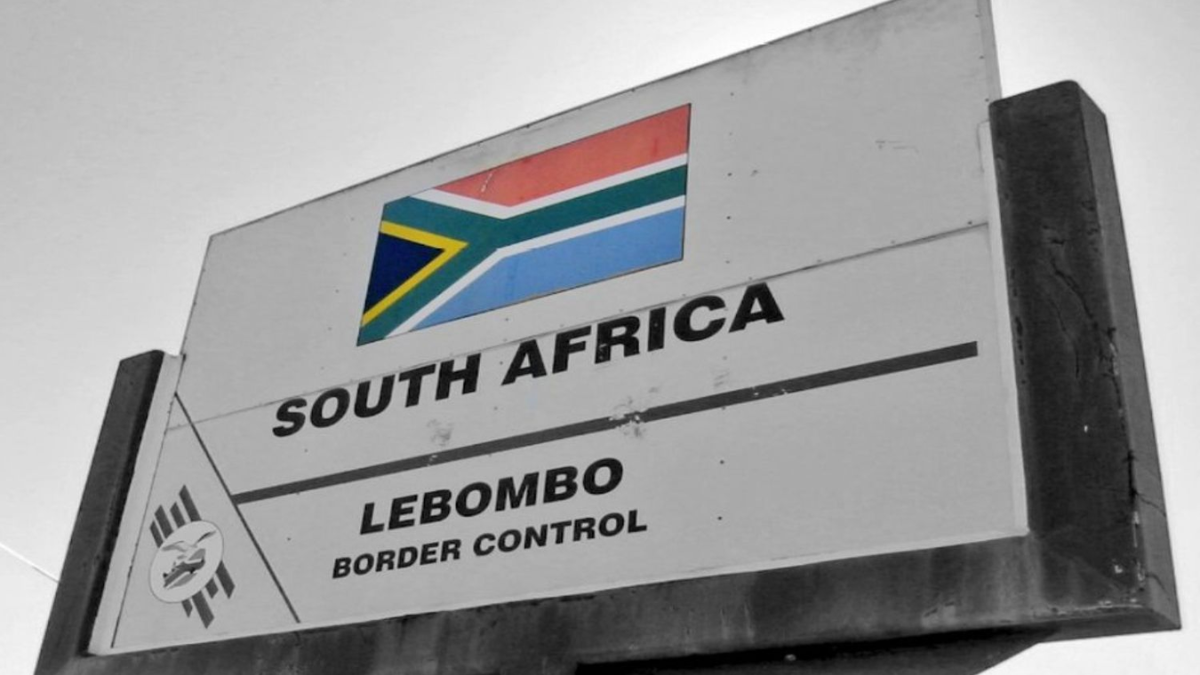
The partnership is also targeting specific products that are increasingly entering the country through South Africa’s commercial ports.
These include medication, cigarettes, and food products that are deemed unsafe by South African regulations.
The partnership will also target unsafe and counterfeit goods, which are increasingly entering South African markets through the country’s ports.
“Officials will work closely with the NCC to analyse product labels, barcodes and other authentication features to determine the legitimacy, safety and quality of goods,” the BMA said.
“The working session with the NCC and the milestone of signing an MOU was imperative as a step in improving integrated border management and protecting the economy.”
In a recent study, economist Frans Cronje said smuggling operations for cigarettes and counterfeit goods account for a large portion of South Africa’s illicit economy.
His recent study, Shadow State Rising, discussed the illicit economy in South Africa and what efforts should be made to address it.
He noted that illegal tobacco products represent over R33 billion in losses for South Africa’s economy every year.
He said a key method for targeting these economic losses would be through strengthened port security and cooperative efforts from South African agencies.












 Loading ...