

South Africans are flocking to these 3 countries


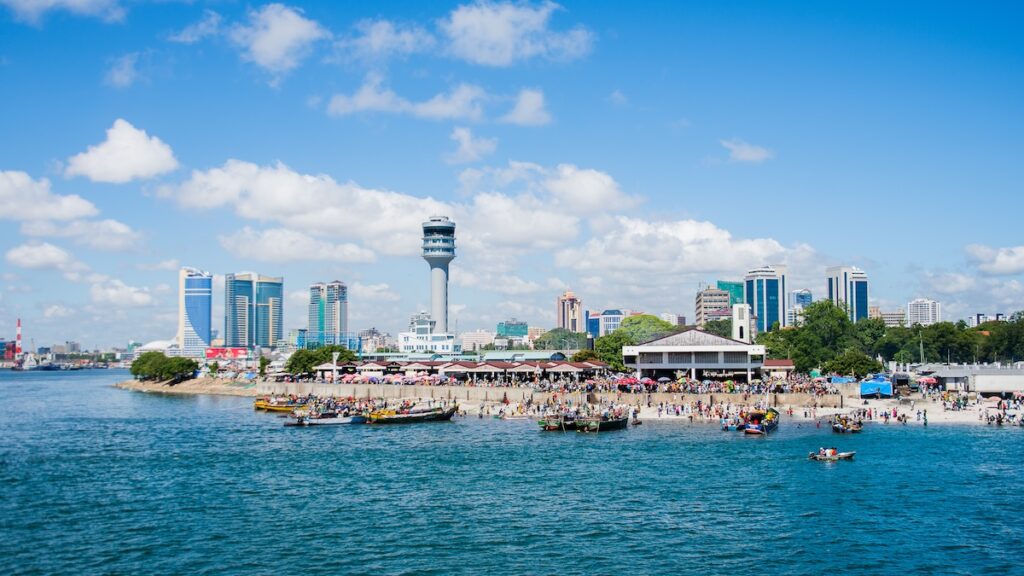
South African holidaymakers are heading to Mauritius, Kenya, and Tanzania, as the post-pandemic travel boom continues.
Using data from the world’s leading travel platforms, Standard Bank said that domestic and international leisure travel remains robust.
Although cross-border business travel has decreased, South Africa’s largest bank by assets under management reported that leisure bookings have more than compensated for the corporate decline.
The World Tourism Organisation (UNWTO) noted that international tourist arrivals reached 97% of pre-pandemic levels by late 2024, with South African travellers part of this global resurgence.
Where South Africans go on holiday is heavily influenced by the time of the year, with travellers going to different parts of Africa during the summer and winter periods.
Standard Bank says that between December and February, beach destinations and city breaks reign supreme as families capitalise on school holidays and the festive season.
Local coastal destinations, such as Cape Town and Durban, experience the highest demand. South Africans also make their way to Mauritius during this period.
Between March and April, a secondary peak in beach and city travel also occurs, coinciding with the Autumn school holidays and Easter breaks.
Between June and September, Safari and wildlife viewing peak when dry conditions make game spotting optimal.
International destinations, including Kenya and Tanzania, experience the highest bookings. Locally, private reserves in Limpopo and Mpumalanga see the highest bookings.
Big shift

In addition to highlighting popular destinations, Standard Bank also noted a significant shift in how travellers explore. A major change has been the shift to solo travel.
“This really speaks to bigger shifts in our lives – people have more financial freedom, a craving for self-discovery, and honestly, travelling by yourself just isn’t seen as weird anymore,” said Standard Bank.
“For us in South Africa, this trend makes perfect sense. With more flight options and all the digital tools on our phones, it’s never been easier to pack a bag and go.”
Nevertheless, family travel has continued to grow, while traditional group travel has declined in popularity. This represents a significant shift from pre-pandemic patterns.
Standard Bank said that the shift reflects several factors, including families prioritising bonding time after pandemic disruptions, changing social dynamics and the complexity of larger group travel.
While people are still travelling with a social element, they are travelling in smaller pods of between two and four people instead of the traditional 8-12 person safari groups or beach holidays.
While travelling in a large group is partly rejected due to its complexity, younger generations are embracing the administrative process of organising large holidays.
“Younger travellers basically are their own travel agents now, putting together complex, multi-city adventures that would have been a logistical nightmare just a decade ago,” said Standard Bank.
“They’re using everything from AI assistants and social media to simple planning apps to craft their dream holidays.”
Gen Z and millennial travellers are using tools like Google Trips, TripIt, and ChatGPT to plan these trips.
South Africa’s largest bank said that younger generations are not saving money, but instead focusing on spending on amazing experiences, unique places to stay, and their passions, rather than one-size-fits-all tours.
They’re choosing to spend on amazing experiences, unique places to stay, and activities they’re passionate about, rather than a one-size-fits-all tour.

















 Loading ...