

Food price warning for Checkers, Pick n Pay, Spar, and others in South Africa


South Africans are being warned to watch out for rising food prices as the Middle East conflict pushes up oil and logistics costs, with consumer advocates cautioning shoppers against opportunistic retailers.
The Pietermaritzburg Economic Justice and Dignity Group (PMBEJD) also warned retail businesses to be upfront with consumers in stating where higher costs lie, as concerns have arisen over opportunistic food price hikes.
“It is important that consumers monitor these price increases, and it’s important for the business sector that will carry the cost of increased supply chains and increased petrol costs to explain to the consumers when these stocks were bought and that they were bought at a higher price,” Programme Coordinator at the PMBEJD Mervyn Abrahams said in an interview with Hot 102.7FM.
Abrahams said that imported foods such as rice are expected to increase in price, depending on how much stock is left in South Africa.
Even for locally produced foods, higher oil prices worldwide can increase production costs in South Africa, leading to higher food prices.
“In other foods, like for instance maize, we had a bumper crop of maize in the last season of growth, and we expect that we will probably survive on that for the next couple of months before we go back into the winter season, and then we are talking about potentially increased costs of fertilisers, etc.”
Abrahams said that for products already on store shelves or crops that have already been planted, there should be slower price increases, while imported products should see price hikes sooner.
“It is very difficult for us to anticipate what level of increases we can expect, but what we do know is that petrol, which has spiked above USD 100, is an input cost right through the value chain in terms of farmers, manufacturers, retailers, and packaging, so we do expect increases,” said Abrahams.
Households under pressure
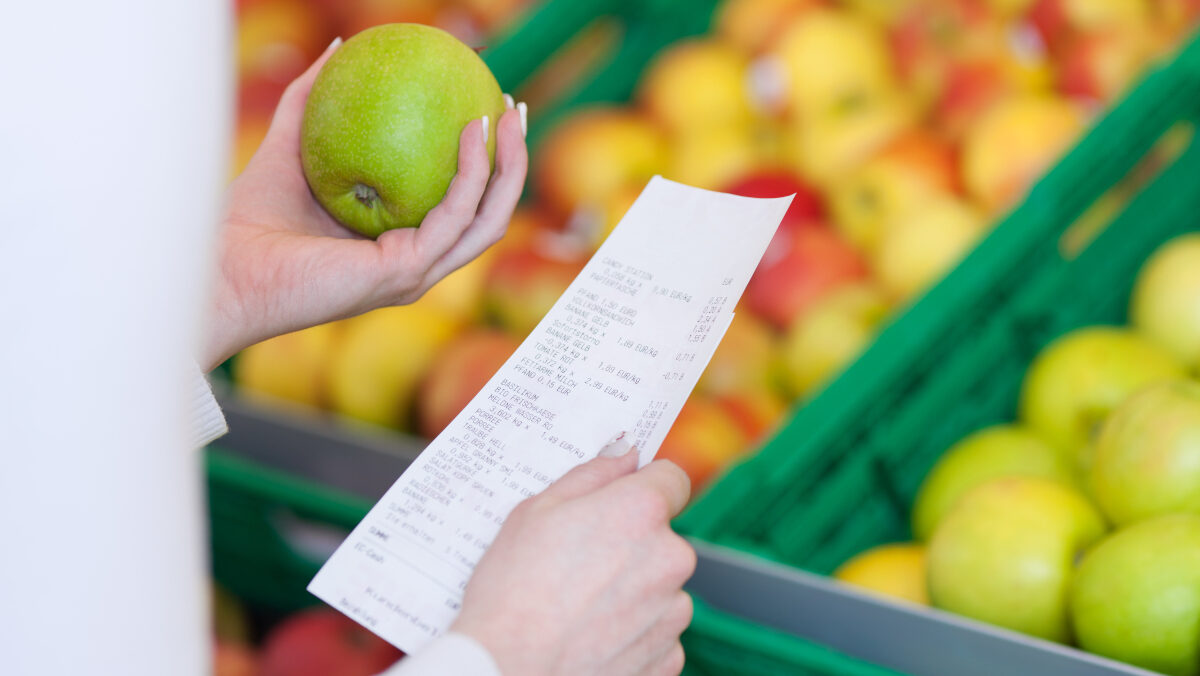
The economic justice group urged businesses to be upfront with consumers in stating where higher costs lie, as concerns have arisen over opportunistic retailers prompting unjustified food price hikes.
“The communication channel between the retail sector and their consumers is not always as good as it should be, and, therefore, consumers often have a perception that price increases are unjustified, and that’s not always the case,” he said.
“When you do see an increase in the value chain, it is to be expected that there will be an increase at the retail level, but we often do not see that level of communication.”
South Africa is exposed to higher food costs through fuel and shipping, due to its geographic location.
In addition to fuel and food price increases, South Africa will face higher electricity tariffs as Eskom increases its costs by 8.7%.
“That increase from Eskom will strip something like R103.50 off the increase on the national minimum wage,” said Abrahams.
The increases in costs are expected to place households under severe financial pressure, and PMBEJD is calling on the state to begin to plan for these “eventualities.”
“We should be planning for a greater increase in strategic fuel reserves that can be released onto the market at times of spikes,” he said.
Additionally, Abrahams recommends keeping reserves of staple foods like maize, wheat, and others that can be released to help citizens manage price spikes caused by global issues such as the conflict in the Middle East.
Abrahams warns that the socio-economic effects of rising food prices will impact vulnerable groups and households already under financial strain, likely delaying efforts to lower the country’s stunting rates.
















 Loading ...