

The house and car the average Eskom employee can afford in South Africa



The average Eskom employee can afford a house worth around R3 million and cars worth R795,000, based on the latest Eskom remuneration figures.
In its latest annual report, Eskom revealed that it paid an average of R1.026 million per employee in 2025. This figure is calculated by dividing Eskom’s net staff expenses by its headcount.
The average was over 12% higher than in 2024 due to a 7% annual salary increase, the reintroduction of short-term incentives for high performance, and a bigger headcount.
Some have criticised using this metric as an indication of how much Eskom workers are earning, arguing that the salaries of top staff, such as executives, skewed the average.
The combined remuneration of executives and board members was R94.217 million for 30 people, working out to an average of R3.14 million.
However, the data shows that this remuneration accounts for just about 0.22% of the total R43.16-billion bill. If deducted from the total, the bill is reduced to R43.065 billion.
Divided by the remaining 42,000 workers at the utility, the average still works out to R1.025 million. This would be the average cost of all other employees, excluding executives and board members.
This average remuneration figure is also expected to rise. In April 2026, Eskom announced that it had formally concluded its 2026 wage negotiation cycle, with workers accepting a 7% annual increase, starting 1 July.
While the National Union of Metalworkers of South Africa (NUMSA) rejected the offer, two other unions, the National Union of Mineworkers (NUM) and Solidarity, accepted it.
NUMSA had indicated that its members wanted an 8% increase and had declared a deadlock, threatening to push the matter to arbitration with demonstrations.
Unions were demanding 15% increases when the wage negotiations began at the end of 2025.
Because the signatory unions represent more than 75% of the employees in the forum, Eskom said the agreement will be binding, including for those workers affiliated with NUMSA.
Houses
According to Richard Gray, CEO of Harcourts South Africa, banks prefer lending to home buyers whose monthly bond cost is no more than 30% of their single or joint gross monthly income.
This 30% income threshold for home loans has been a common measure of loan affordability among South African banks.
For instance, institutions like SA Homeloans have stated that they will not approve a home loan if the repayments exceed this percentage of a borrower’s single or joint gross monthly income.
Gray emphasised that adhering to the 30% guideline ensures that home buyers maintain a balanced financial portfolio, allowing room for other expenses and savings.
Gray also noted that this threshold is important because it leaves room for additional monthly payments to be made into a home loan account. This can reduce the final cost of the home loan and decrease the payment period.
Considering this, BusinessTech estimated the price of a property that an Eskom employee could afford on the average salary in South Africa.
To calculate this, we used Absa’s bond calculator, assuming a 20-year home loan period at an interest rate of 10.25%.
Based on these assumptions, the table below outlines the price and monthly bond repayment amount that an employee could afford in South Africa.
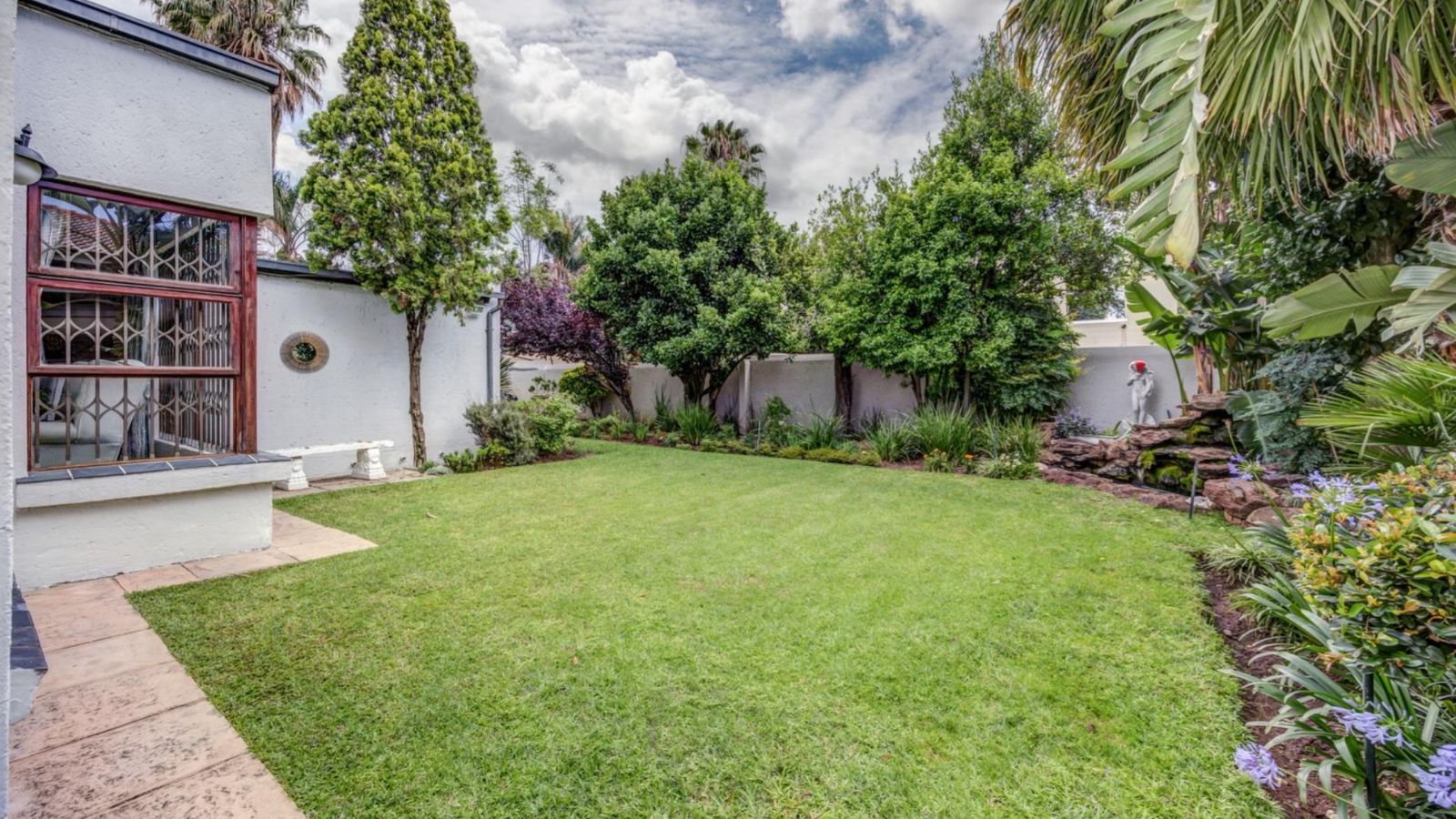
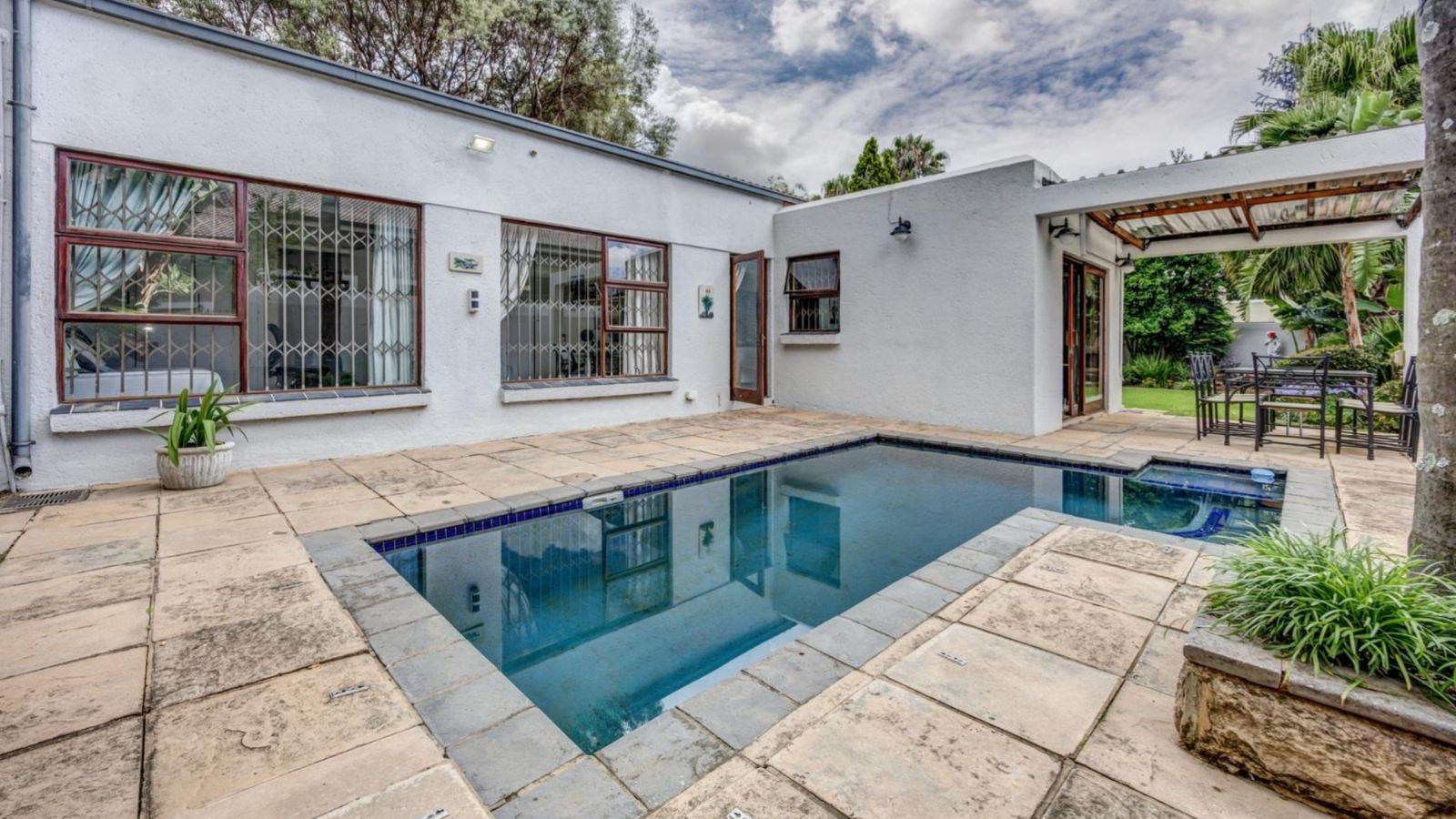
Using these figures, and for the purposes of this article, we then looked at an example of a property currently on the market at these price points in Gauteng.
| Salary band | Gross income (monthly) | Max. property value | Monthly repayment |
|---|---|---|---|
| Avg. Eskom employee | R1.026 million (R85,500) | R3.05 million | R29,900 |
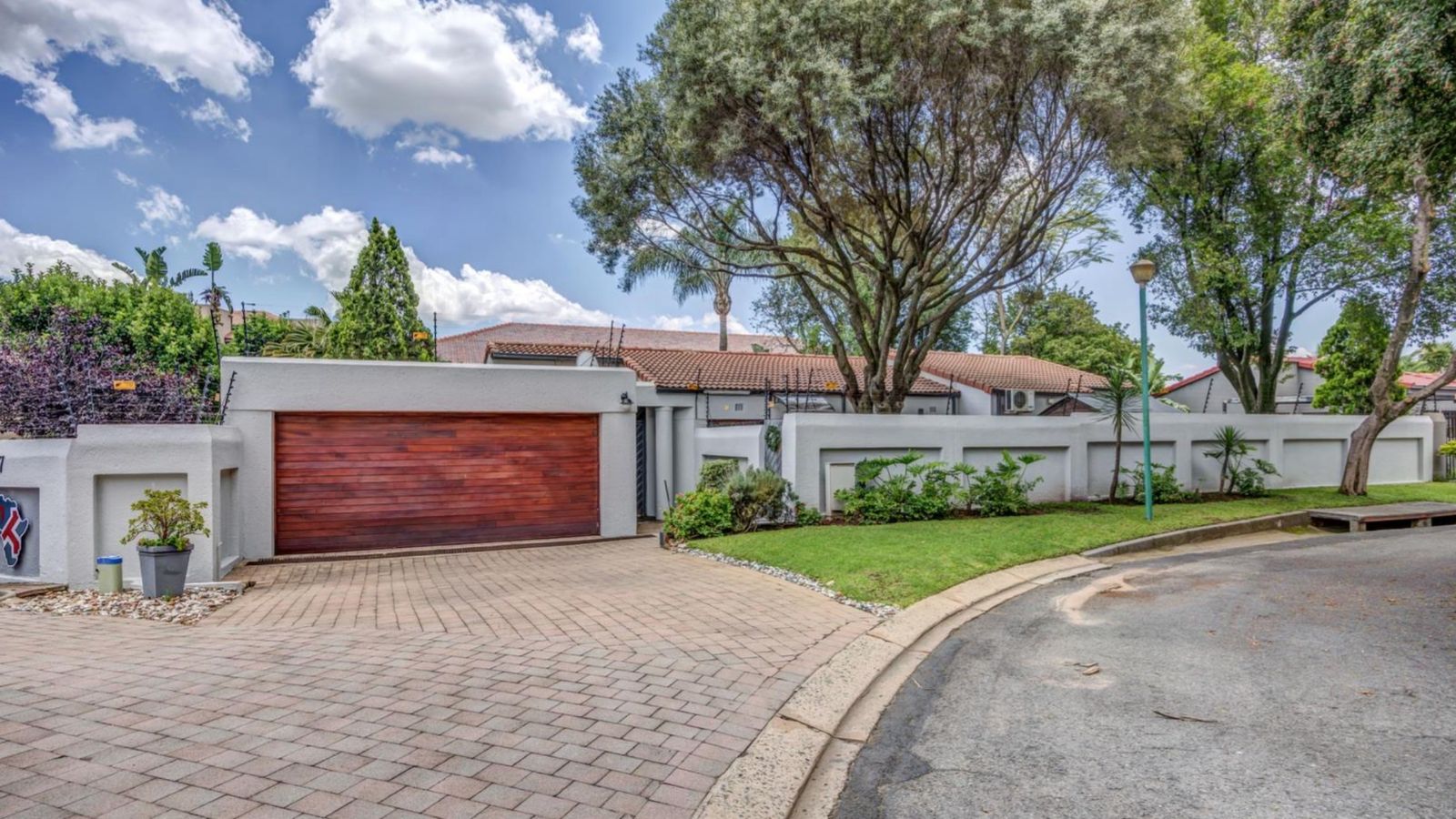
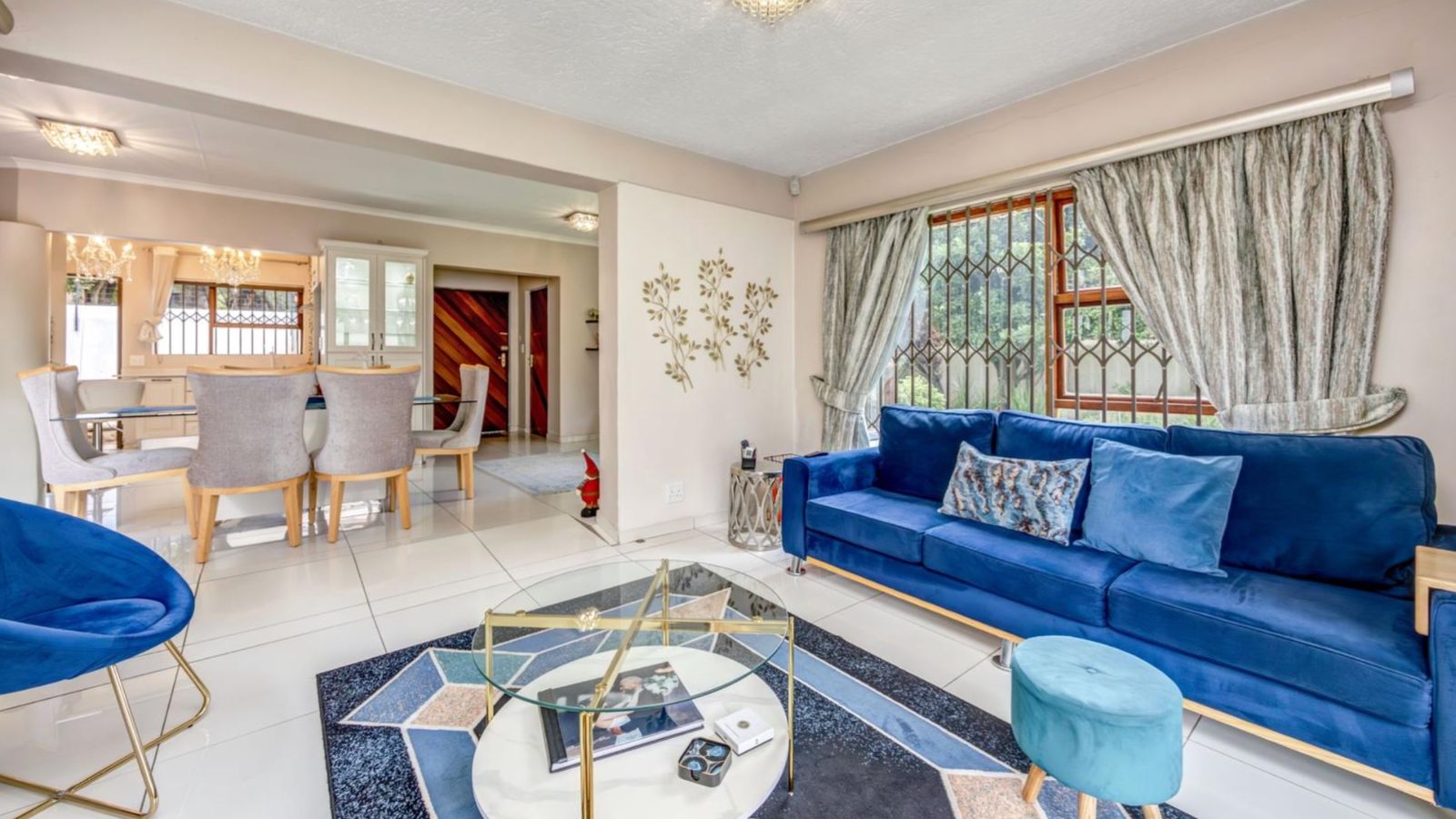
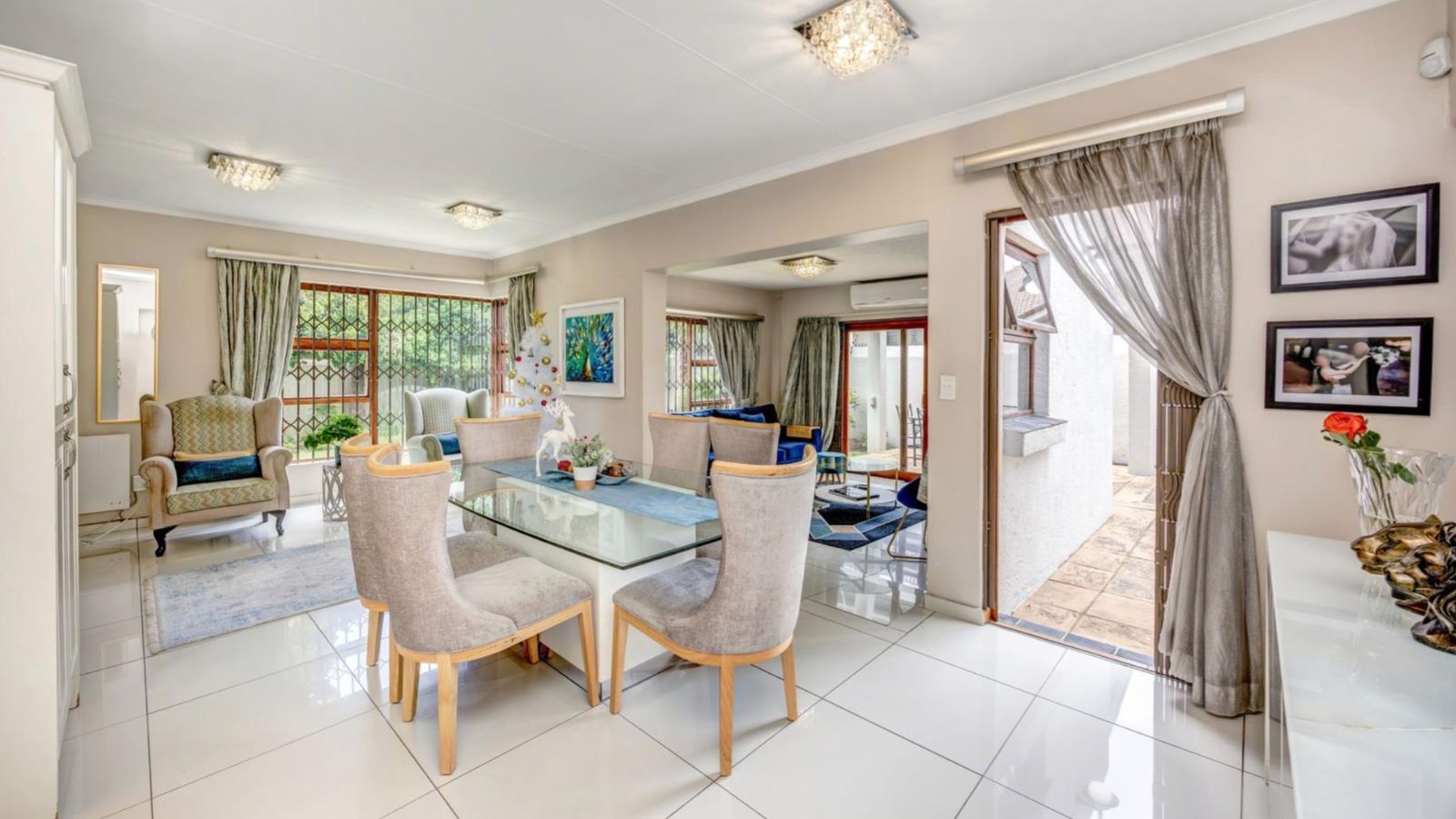
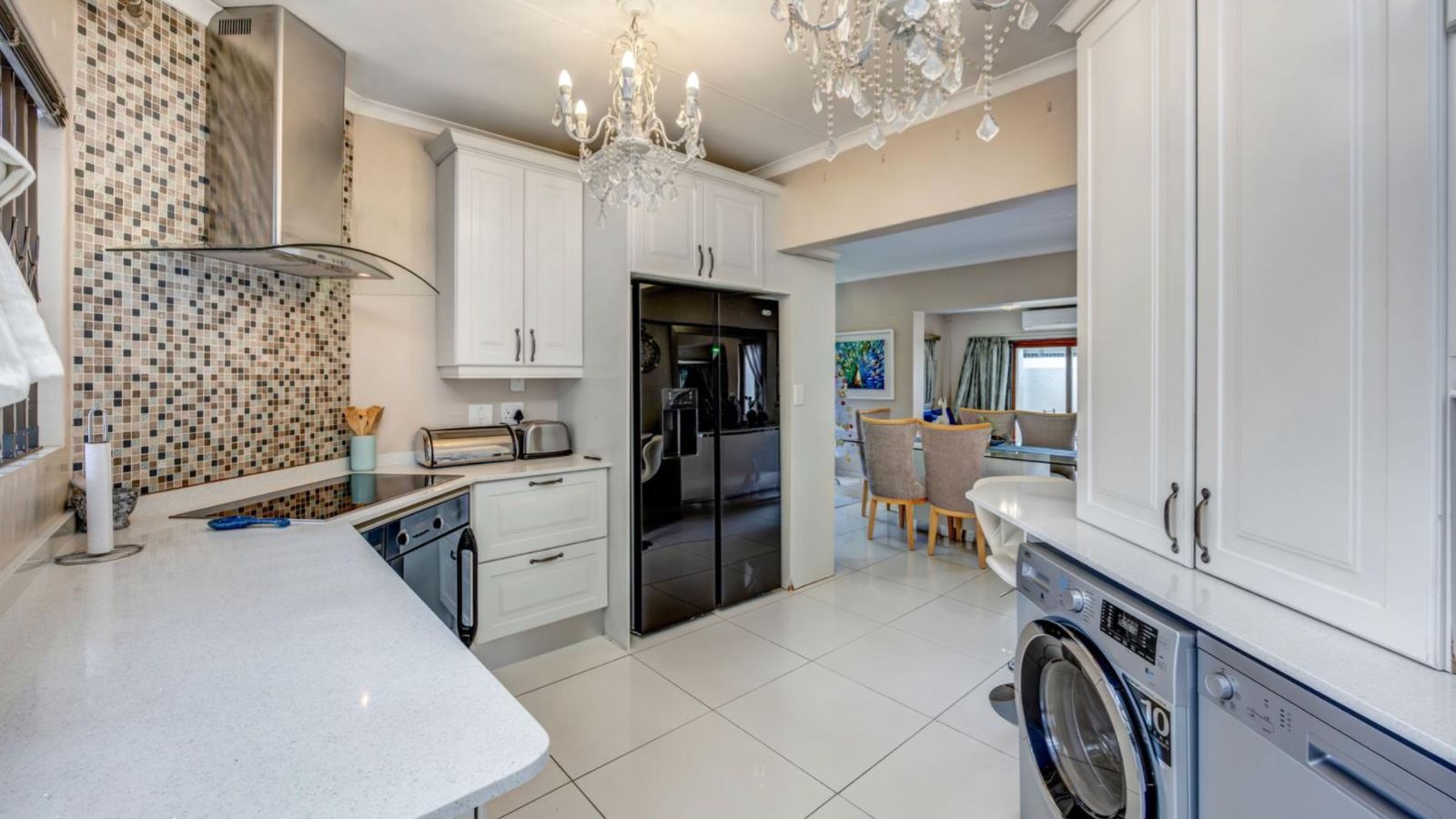
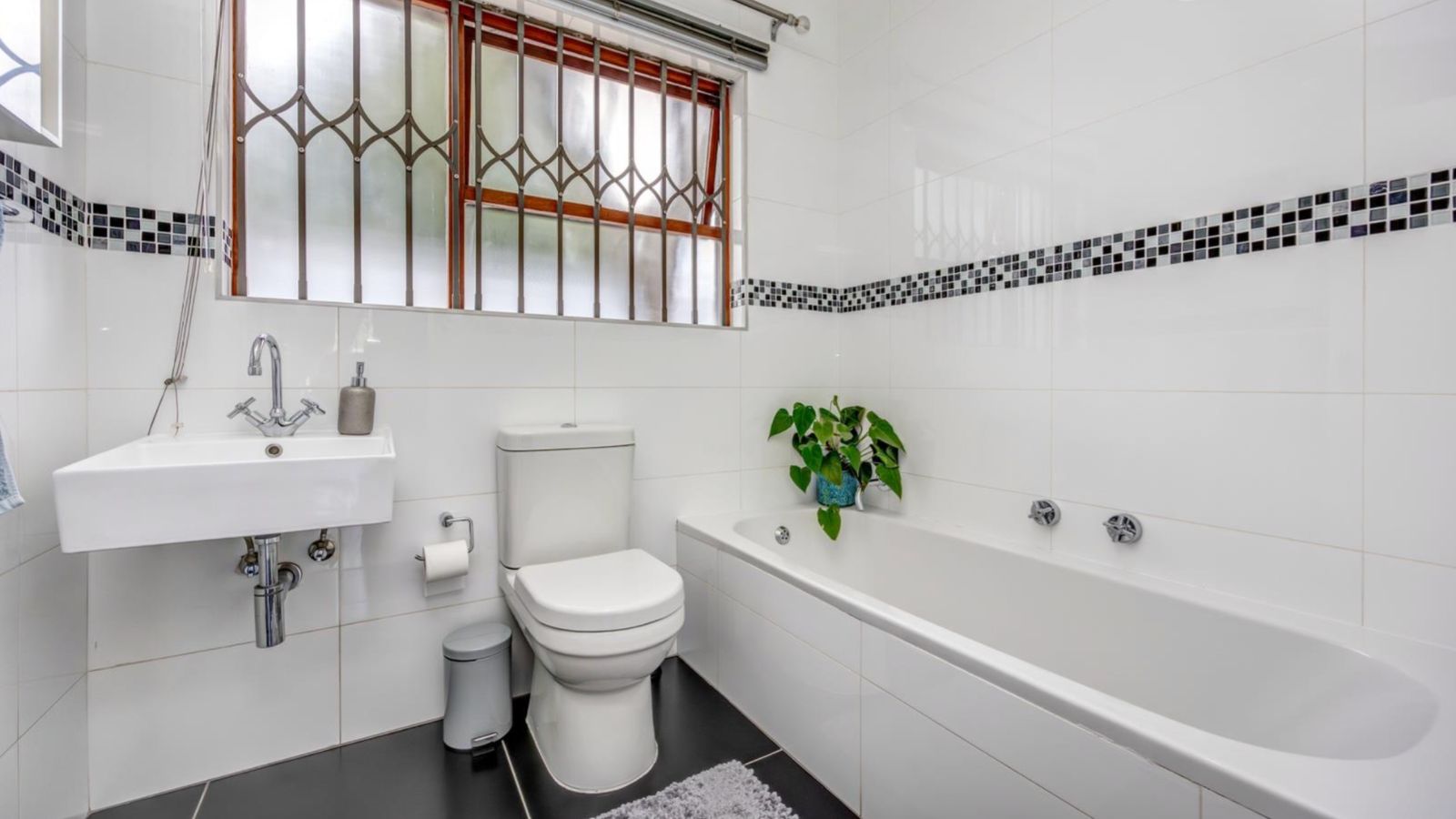
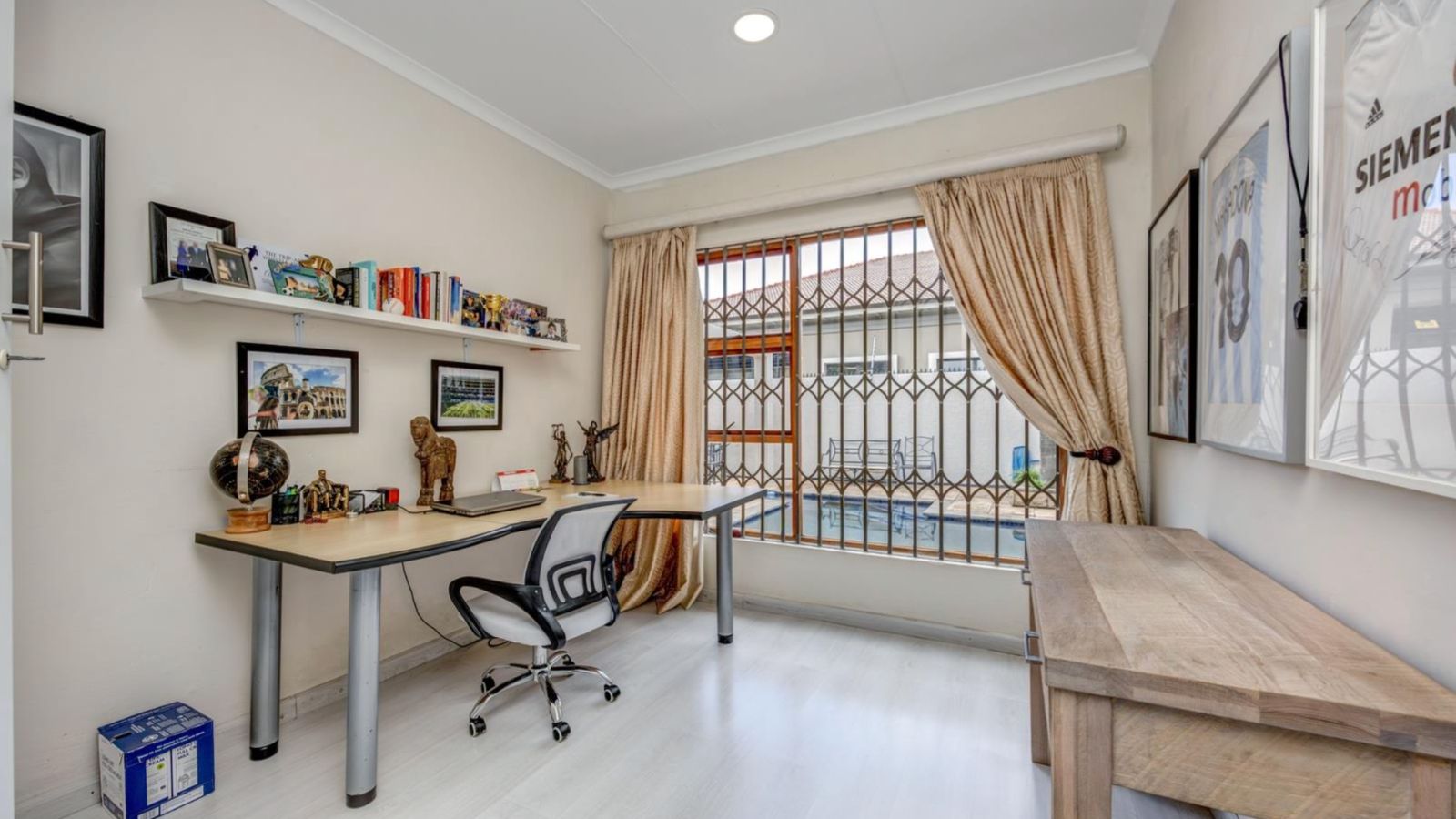
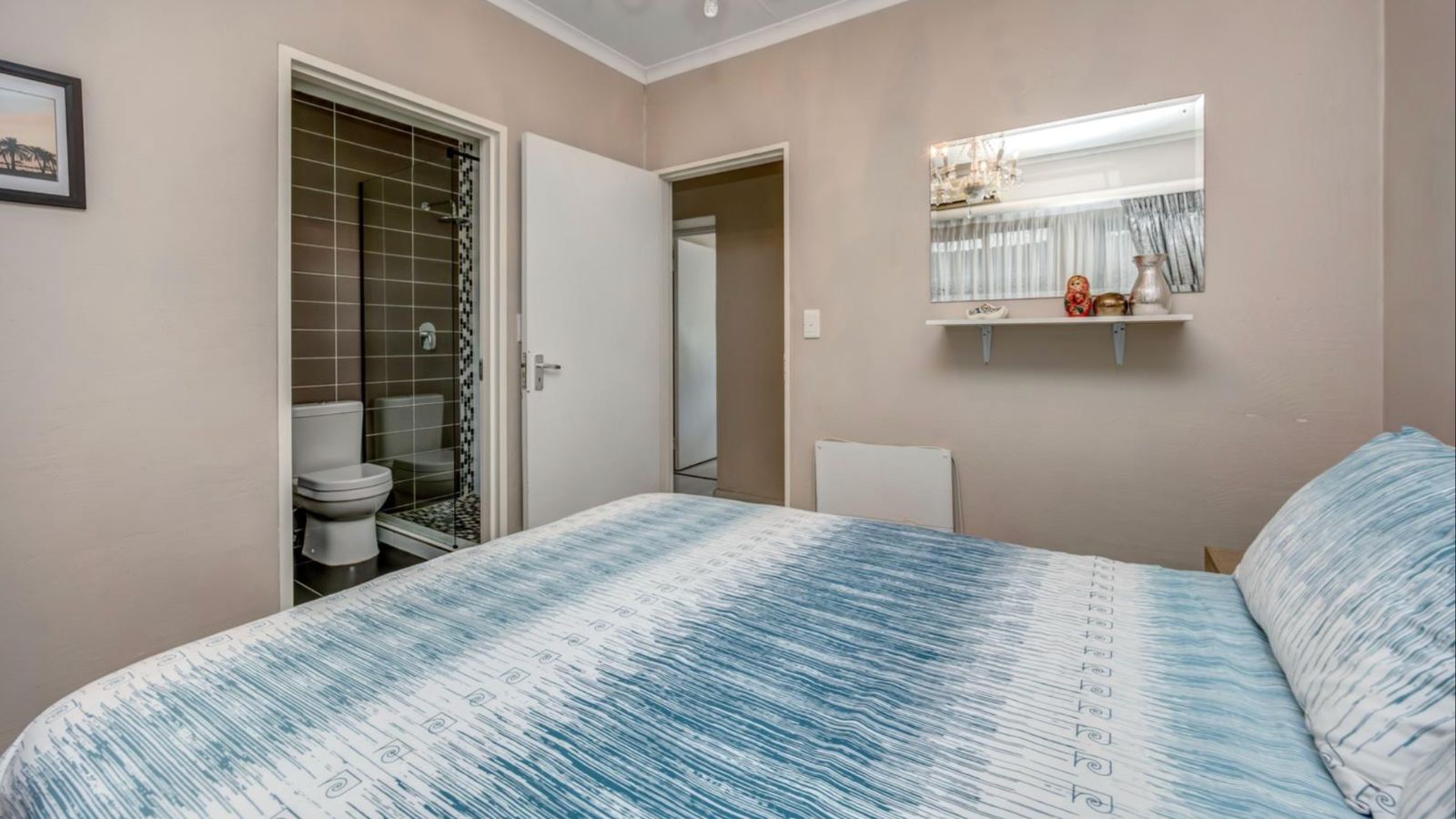
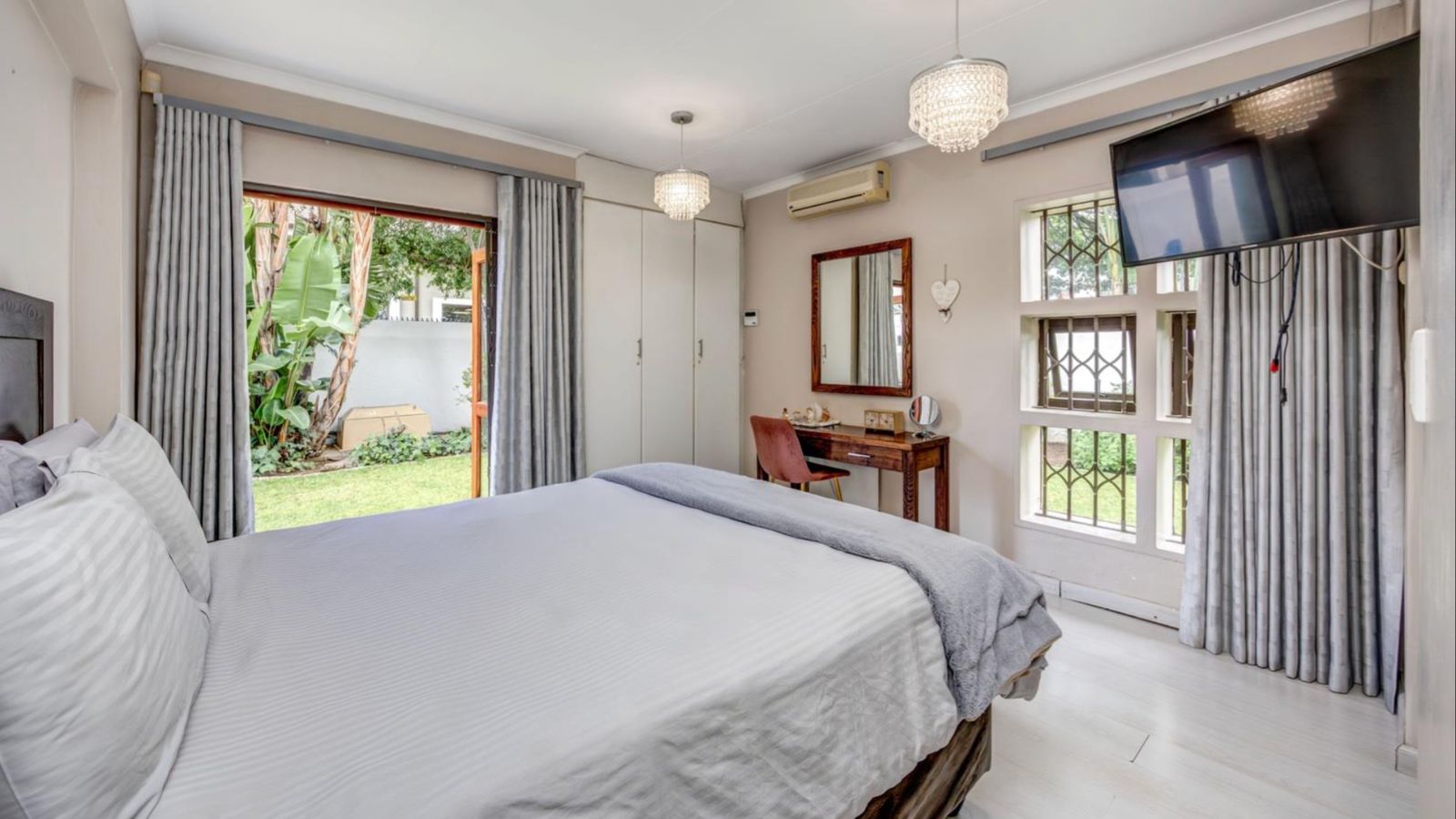
4 Bedroom House for Sale in Fourways – R3.05 million

Cars
Industry experts still recommend that prospective buyers shouldn’t spend more than a quarter (25%) of their monthly income on vehicle-related costs, including:
- Vehicle instalments
- Insurance premiums
- Fuel costs
Below, BusinessTech looked at what you can afford to buy on the average Eskom salary in South Africa, assuming people will not spend more than 20% of their gross monthly income on vehicle financing, as per expert recommendations.
The calculations were made using Wesbank’s repayments calculator and include the assumption of a 0% deposit for car financing. They also exclude any additional fees incurred during the loan’s inception from the calculation.
The cars are financed over five years (60 months) at an annual interest rate of 10.25%. Using these figures, we then looked at various cars currently on the market at these price points.
| Salary band | Gross income (monthly) | Max. car value | Monthly Repayment |
|---|---|---|---|
| Avg. Eskom employee | R1.026 million (R85,500) | R795,000 | R17,100 |
Toyota Hilux 2.8GD-6 48V Double Cab Raider – R793,300

Volkswagen Tiguan 1.4TSI R-Line – R785,200

Audi Q3 35TDI – R780,200

Jetour T2 1.5T I-DM PHEV – R779,900

BMW 218 Gran Coupé M Sport – R773,559



















 Loading ...